Introduction
Located in the heart of Vienna’s Innere Stadt district, Michaelerplatz is a striking public square that represents over two millennia of urban history and architectural achievement. From its origins as part of the Roman settlement of Vindobona, through its evolution into a ceremonial forecourt for the Habsburgs, to its role as a showcase for both Baroque and early modernist architecture, Michaelerplatz offers a fascinating journey through Vienna’s past and present. Whether you’re a history enthusiast, architecture aficionado, or casual traveler, this guide provides all the essential information for planning your visit, including details on visiting hours, ticketing, accessibility, and highlights of Michaelerplatz’s cultural significance.
For further details and historical context, see Secret Vienna, Be Special Tours, and the official Hofburg website.
Photo Gallery
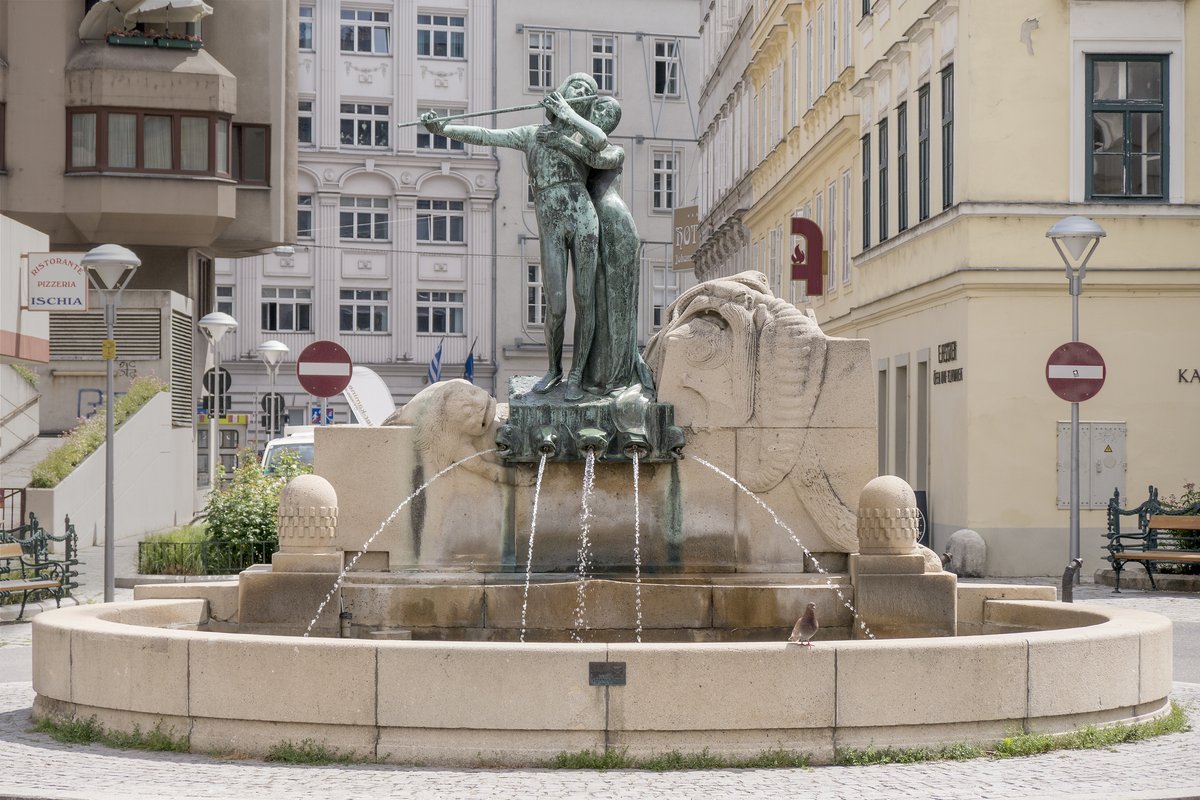
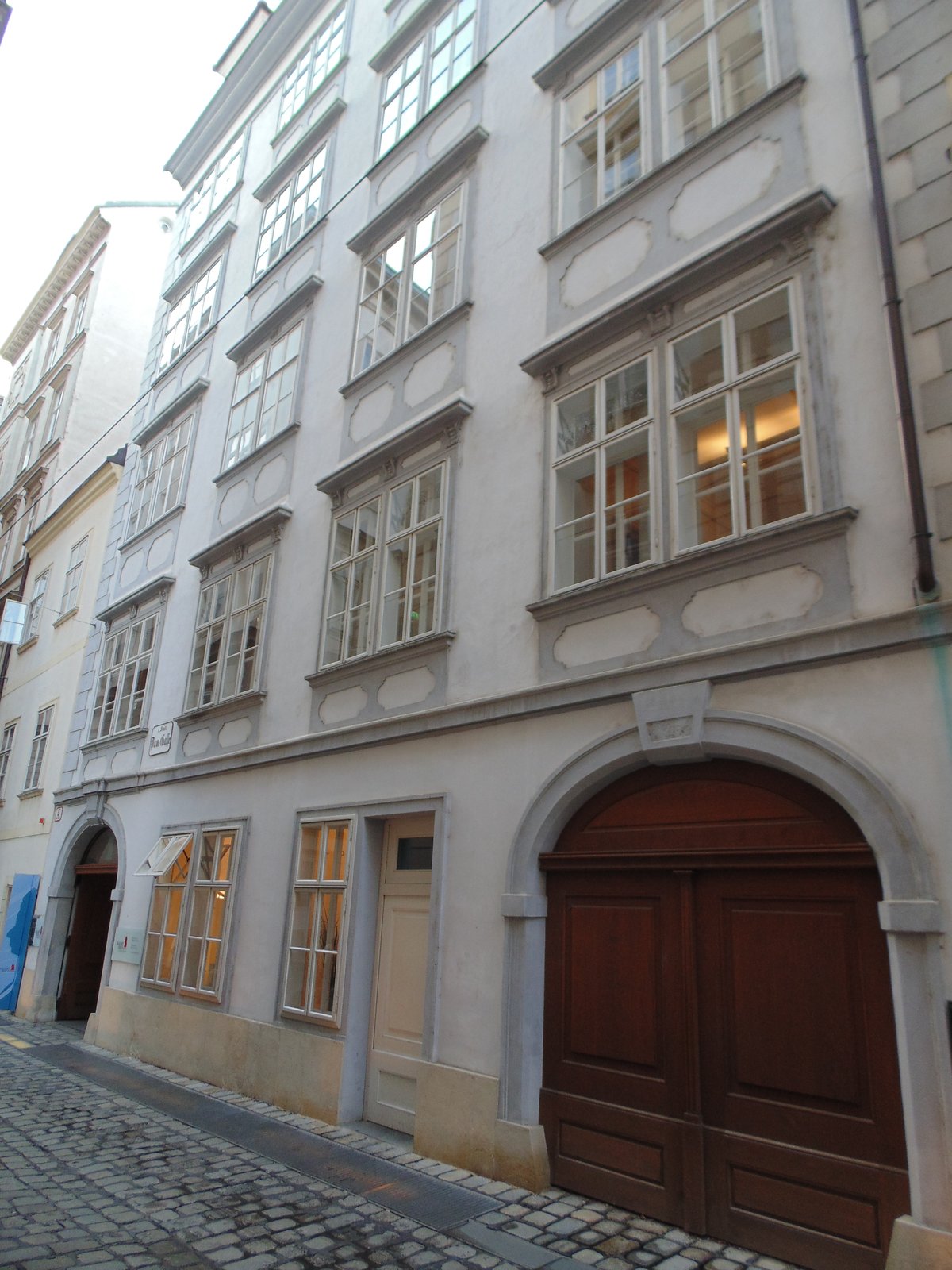
Explore Michaelerplatz in Pictures

Roman Origins and Early Development
Michaelerplatz’s history dates back to the Roman era, when it formed part of Vindobona, a military settlement established around AD 15. Archaeological excavations in the late 20th century uncovered remains of Roman houses, streets, and fortifications beneath today’s square (Secret Vienna). Visitors can view these ancient ruins through glass panels embedded in the pavement—a unique window into Vienna’s earliest urban fabric.
The Roman Porta Decumana, likely located near Michaelerplatz, was a major gateway for soldiers and traders, establishing the area’s importance as a crossroads and commercial hub (Be Special Tours).
Medieval and Baroque Transformation
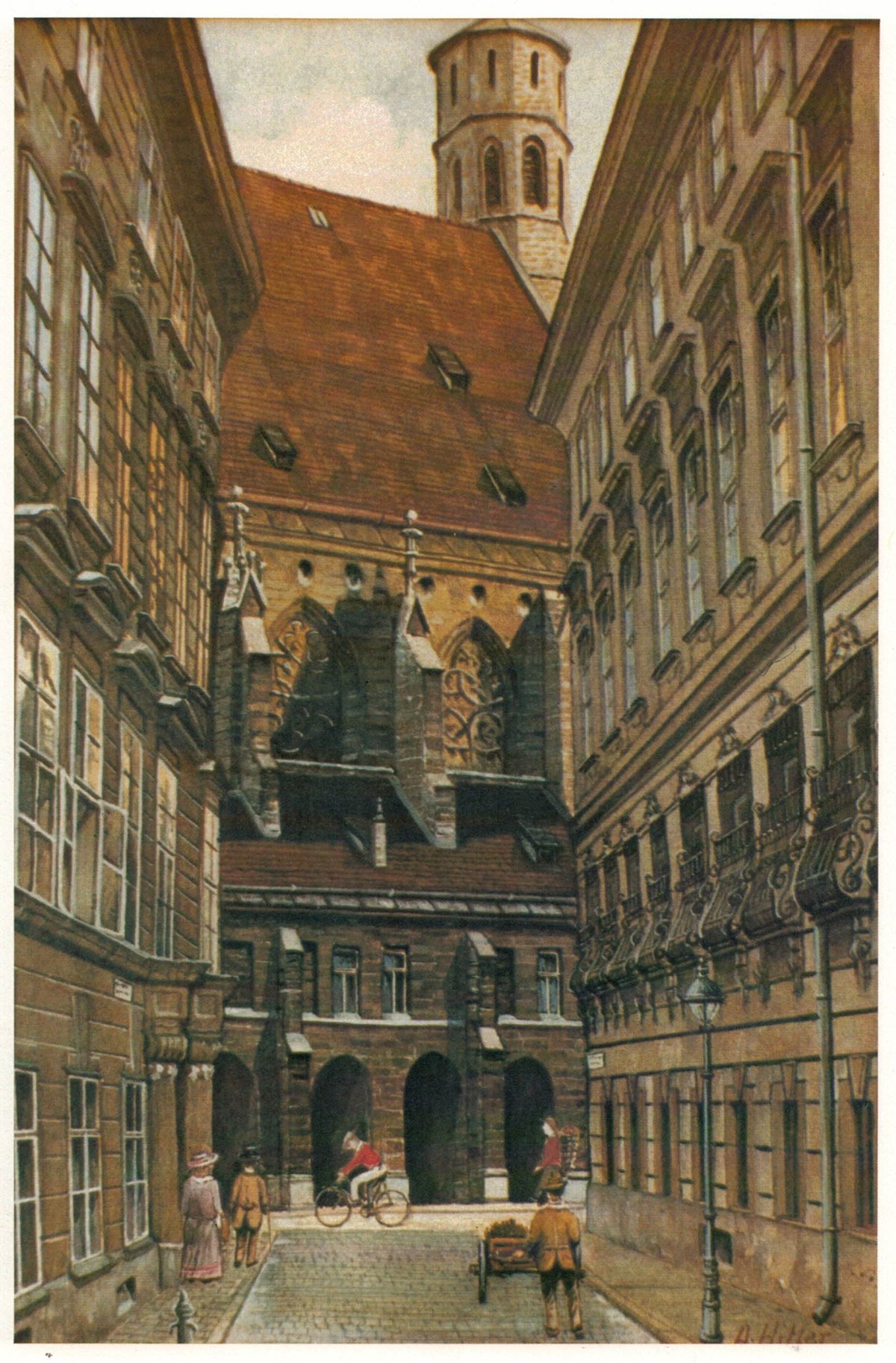
After the decline of Roman rule, the area gradually became integrated into medieval Vienna. The construction of St. Michael’s Church (Michaelerkirche) in the 12th century marked a key development, making the square a focal point for both religious and civic life. The church’s Romanesque origins and later Baroque enhancements reflect Vienna’s layered architectural history (Be Special Tours).
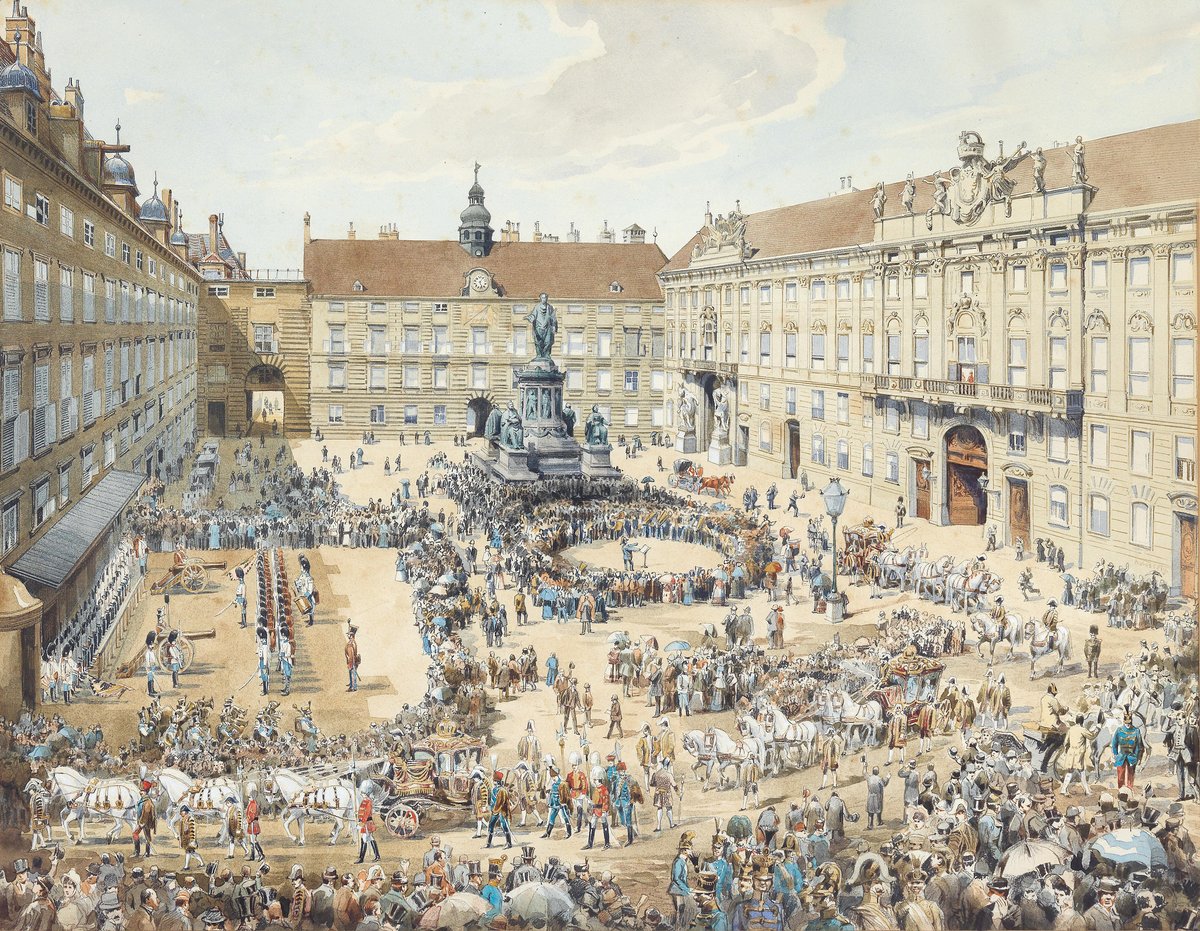
During the Baroque era, the Habsburgs expanded the Hofburg Palace, transforming Michaelerplatz into an imperial forecourt. The construction of the Michaelertrakt in the 18th century, with its dramatic façade and domed entrance, symbolized imperial authority and provided a spectacular urban space for processions and public gatherings (Secret Vienna).
Nineteenth-Century Urban Changes
As Vienna modernized in the 19th century, Michaelerplatz underwent significant urban renewal. The square’s layout was refined, and surrounding streets were widened to accommodate increased traffic. New residential buildings, such as the Herbersteinpalais, added to the area’s architectural diversity (Secret Vienna). The square’s circular design and integration with key thoroughfares like Kohlmarkt and Herrengasse made it a model of urban planning.
Modernism and the Looshaus
In 1911, architect Adolf Loos completed the Looshaus on Michaelerplatz—a bold statement of modernist architecture. Its minimalist, unornamented façade stood in sharp contrast to the ornate Baroque and Rococo surroundings, sparking controversy and debate about the future of architecture in Vienna (Be Special Tours; Vienna Hipster Guide). Today, the Looshaus is celebrated as a milestone in the city’s architectural development and can be admired from the square at any time.
Architectural Highlights and Surroundings
Michaelerplatz is surrounded by landmarks that reflect centuries of artistic achievement:
- Hofburg Palace (Michaelertrakt): The grand Baroque wing features a sweeping façade, domed entrance, and ceremonial gateway to imperial Vienna (official Hofburg site).
- St. Michael’s Church: One of Vienna’s oldest churches, it blends Romanesque origins with Gothic and Baroque elements. Its crypt, accessible via guided tours, contains well-preserved mummified remains (Vienna Tourism).
- Looshaus: A pioneering work of architectural modernism, this building’s clean lines and lack of ornamentation contrast with the surrounding historic styles (Vienna Hipster Guide).
- Roman Ruins: Glass panels in the center of the square reveal the remains of Vindobona, connecting visitors to Vienna’s ancient past (Vienna Museum).
- Palais Kinsky and Palais Niederösterreich: These Baroque and Rococo palaces add further grandeur and diversity to the square’s architectural ensemble.
Cultural Significance and Events
Michaelerplatz has long served as a stage for public ceremonies, imperial processions, and everyday urban life. Its proximity to the Hofburg made it a prime location for royal events and gatherings. In contemporary Vienna, the square is animated by seasonal markets, open-air concerts, and street performances, making it a vibrant hub for both locals and visitors (Be Special Tours).
Visitor Information: Hours, Tickets, and Tips
Michaelerplatz Public Access
- The square itself is open 24 hours a day, year-round, with no ticket required.
St. Michael’s Church
- Opening hours: Generally 9:00 AM to 6:00 PM daily.
- Tickets: Entry is free; donations are encouraged. Guided crypt tours cost approximately €5 (Vienna Tourism).
Hofburg Palace (Michaelertrakt)
- Opening hours: Typically 9:00 AM to 5:30 PM, last entry at 5:00 PM.
- Tickets: Admission to the Imperial Apartments, Sisi Museum, and other exhibitions ranges from €15–€20. Purchase online in advance to avoid queues (official Hofburg site).
Looshaus
- The exterior is viewable at any time. Interior access is limited to special tours (Vienna Hipster Guide).
Roman Ruins
- Visible through pavement panels at all hours, free of charge.
Accessibility and Getting There
- Location: In the Innere Stadt district, Michaelerplatz is easily reached by public transport.
- U-Bahn: U3 (Herrengasse station) and U1/U3 (Stephansplatz station) are nearby.
- Trams & Buses: Several lines serve the area.
- Parking: Limited; public transport is recommended (The Vienna Blog).
- Accessibility: The square and most attractions are wheelchair accessible, though cobblestones may require caution.
Guided Tours and Best Photo Spots
- Guided Tours: Numerous local operators and the Vienna Tourist Office offer tours that include Michaelerplatz and nearby sites. Audio guides and app-based tours are also available (Libratours; Vienna Tours).
- Photo Opportunities: Capture the contrast between the Baroque Hofburg and the modernist Looshaus, the Roman ruins under glass, and the ornate façade of St. Michael’s Church.
Seasonal Events and When to Visit
- Best Times: Early autumn (September–October) and December (for Christmas markets).
- Peak Season: June–August, with larger crowds.
- Low Season: January–May, offering lower accommodation rates and fewer tourists (Travellers Worldwide).
- Events: Christmas markets, open-air concerts, and occasional outdoor performances create a festive atmosphere.
Frequently Asked Questions (FAQ)
Q: What are Michaelerplatz’s visiting hours?
A: The square is always open; nearby attractions like Hofburg Palace and St. Michael’s Church are typically open from 9:00 AM to 5:30–6:00 PM.
Q: Do I need a ticket to visit Michaelerplatz?
A: No ticket is needed for the square itself. Tickets are required for museum exhibitions, some crypt tours, and special events.
Q: Is Michaelerplatz accessible for wheelchair users?
A: Yes, though the cobblestone surface may be uneven in places.
Q: Can I take photos at Michaelerplatz?
A: Yes, outdoor photography is allowed; check restrictions inside museums and churches.
Q: Are guided tours available?
A: Yes, many guided and audio tours are available on-site or through booking platforms.
Listen to the full story in the app
Your Personal Curator, in Your Pocket.
Audio guides for 1,100+ cities across 96 countries. History, stories, and local insight — offline ready.
Audiala App
Available on iOS & Android
Join 50k+ Curators
Sources
- verified
- verified
- verified
-
verified
Vienna Tourism, 2024, St
Michael’s Church
- verified
- verified
- verified
- verified
- verified
- verified
Last reviewed: