Introduction
Nestled in Vienna’s Favoriten district, the Matzleinsdorf Protestant Cemetery (Evangelischer Friedhof Matzleinsdorf) stands as a serene symbol of the city’s rich Protestant heritage and architectural grandeur. Established in 1858 after Emperor Franz Joseph I’s decree permitting non-Catholic burial grounds, this historic cemetery reflects a pivotal step towards religious equality in Austria. Renowned for its striking Christuskirche chapel—an architectural masterpiece by Theophil Hansen—and peaceful tree-lined avenues, the cemetery offers visitors an immersive journey into Vienna’s religious, cultural, and artistic history.
Whether you are a history enthusiast, an architecture admirer, or a traveler seeking tranquil reflection, this comprehensive guide covers essential visitor information, accessibility, etiquette, and nearby attractions to help you plan a meaningful visit. For authoritative guidance, consult resources such as Vienna Tourism and Wikipedia.
Photo Gallery
Explore Matzleinsdorf Protestant Cemetery in Pictures
Historical Background and Cultural Significance
Origins and Establishment
For centuries, Vienna’s Protestant community lacked a dedicated burial ground, with interments commonly taking place in Catholic cemeteries. This changed in 1856 when Emperor Franz Joseph I enabled the establishment of non-Catholic cemeteries, sparking the acquisition of land in Matzleinsdorf for Vienna’s first Protestant cemetery. The opening in 1858 marked not only a milestone in religious tolerance but also a defining moment for the city’s Protestant identity (Wikipedia).
Architectural Vision and Construction
Austrian architect Theophil Hansen led the cemetery’s design, envisioning a harmonious space with a central chapel, mortuary, and support buildings. The Christuskirche chapel, completed in 1860, features a distinctive Byzantine Revival style, highlighted by a majestic dome, golden mosaics, and 35 angel statues. Stained glass windows portray significant biblical scenes, infusing the spiritual space with color and meaning. The cemetery’s landscaped avenues and monuments blend 19th-century landscape ideals with memorial architecture (Wien.gv.at).
Growth, Decline, and Restoration
Initially the preferred burial site for Vienna’s Protestants, the cemetery expanded twice to accommodate growing demand. The opening of the Zentralfriedhof in 1874, with its own Protestant section, led to a gradual decline in burials at Matzleinsdorf. World War II bombings caused significant damage, but dedicated restoration efforts have preserved much of the site’s original grandeur (Aroundus.com).
Cultural and Religious Importance
Beyond its function as a burial ground, Matzleinsdorf Protestant Cemetery symbolizes Vienna’s progress toward religious tolerance and diversity. The Christuskirche and tranquil gardens offer a reflective environment, serving as a testament to the city’s Protestant heritage and a living museum of funerary art.
Practical Information for Visitors
Visiting Hours
- Opening Hours: Daily from 8:00 AM to 6:00 PM (subject to seasonal variation; check official updates)
- Admission: Free entry; no tickets required.
Accessibility
- Physical Access: Main paths and the Christuskirche entrance are wheelchair accessible with paved surfaces and ramps. Some older sections may have uneven ground; assistance can be arranged in advance (Wien.info).
- Facilities: Benches and shaded rest areas throughout; informational signage is primarily in German.
- Restrooms: Not available on-site—nearest facilities are at Matzleinsdorfer Platz station or nearby cafes.
Directions and Public Transport
-
Address: Gudrunstraße 193, 1100 Vienna (GPS: 48.17833, 16.36028)
-
By Public Transport:
- Tram: Lines 1, 6, 18, and 62 to Matzleinsdorfer Platz
- S-Bahn: Matzleinsdorfer Platz station
- Bus: Multiple local routes serve the area
- Public Transport Accessibility
-
By Car: Limited street parking available; public transport is recommended due to scarcity.
Guided Tours & Events
- Guided Tours: Occasionally offered by local heritage organizations and the Protestant Church. Inquire through the official website or Vienna Tourism.
- Events: Special commemorations and religious holidays (e.g., All Saints’ Day, All Souls’ Day) attract more visitors and may include services in the Christuskirche.
Nearby Attractions
- Wiener Zentralfriedhof (Central Cemetery): Vienna’s expansive historic cemetery.
- Belvedere Palace: Baroque palace with world-class art collections.
- Waldmüllerpark: Tranquil city park nearby.
- Pfarrkirche Königin des Friedens: Notable local church.
- Favoriten District Markets and Cafes: Experience local Viennese life and cuisine.
Architectural and Artistic Highlights
Christuskirche (Church of Christ)
The Christuskirche is the cemetery’s focal point and a rare example of Byzantine Revival architecture in Vienna. Notable features include:
- Central Dome: Symbolic of the heavens, adorned with shimmering golden mosaics.
- Golden Mosaics & Angel Statues: Thirty-five angels and intricate biblical scenes.
- Stained Glass Windows: Depicting the nativity, resurrection, and other key events.
- Facade: Characterized by rounded arches, ornamental brickwork, and an inviting portico.
- Interior: High ceilings and vibrant glasswork create a reverential atmosphere.
Grounds and Memorials
- Tree-lined Avenues: Promote a park-like, contemplative setting.
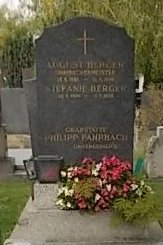
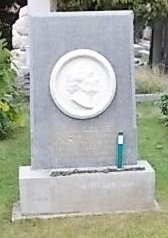
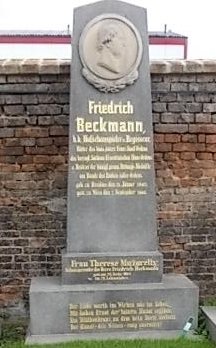
- Funerary Art: Gravestones range from neoclassical to Art Nouveau and modern minimalist, with materials like marble, granite, and mosaic inlays.
- War Memorials: Dedicated sections honor those lost in the world wars.
Notable Burials
Matzleinsdorf Protestant Cemetery is the final resting place for several influential Austrians:
- Heinrich Anschütz (1785–1865): Noted Burgtheater actor.
- Karl Isidor Beck (1817–1879): Poet exploring Jewish identity.
- Otto Weininger (1880–1903): Philosopher known for his controversial works.
Commemorative plaques also honor Protestant victims of National Socialism and prominent community leaders.
Visitor Etiquette and Local Customs
Conduct and Dress
- Behavior: Maintain a quiet, respectful demeanor; avoid loud conversations or disruptions.
- Dress Code: Modest, neutral or dark attire is appropriate, especially when entering the chapel.
- Photography: Permitted for personal use; avoid photographing mourners or ceremonies without permission.
Floral Tributes
- Bring flowers (lilies, roses, chrysanthemums) if wishing to pay respects; place neatly and avoid disturbing existing tributes.
Customs
- Mourning Days: All Saints’ and All Souls’ Days see increased visitation and solemn ceremonies.
- Greetings: Simple greetings (e.g., “Guten Tag”) are appreciated; show respect during processions.
Facilities
- No restrooms or shops on site; amenities available in the immediate area.
- Dispose of waste properly and maintain cleanliness.
Frequently Asked Questions (FAQ)
Q: What are the visiting hours?
A: Generally, 8:00 AM to 6:00 PM daily; check the official website for seasonal updates.
Q: Is there an entrance fee?
A: No, admission is free.
Q: Are guided tours available?
A: Occasionally; check with the cemetery or Vienna Tourism.
Q: Is the cemetery accessible for those with mobility impairments?
A: Main paths and chapel entrance are accessible; some areas may require assistance.
Q: Can I take photographs?
A: Yes, for personal use—please be discreet and respectful.
Q: Are restrooms available?
A: No, use nearby public facilities.
Q: What should I wear?
A: Modest, respectful clothing in neutral or dark colors.
Listen to the full story in the app
Your Personal Curator, in Your Pocket.
Audio guides for 1,100+ cities across 96 countries. History, stories, and local insight — offline ready.
Audiala App
Available on iOS & Android
Join 50k+ Curators
Sources
- verified
- verified
- verified
- verified
- verified
- verified
- verified
Last reviewed: