Introduction: Monumental Legacy at the Heart of Vienna
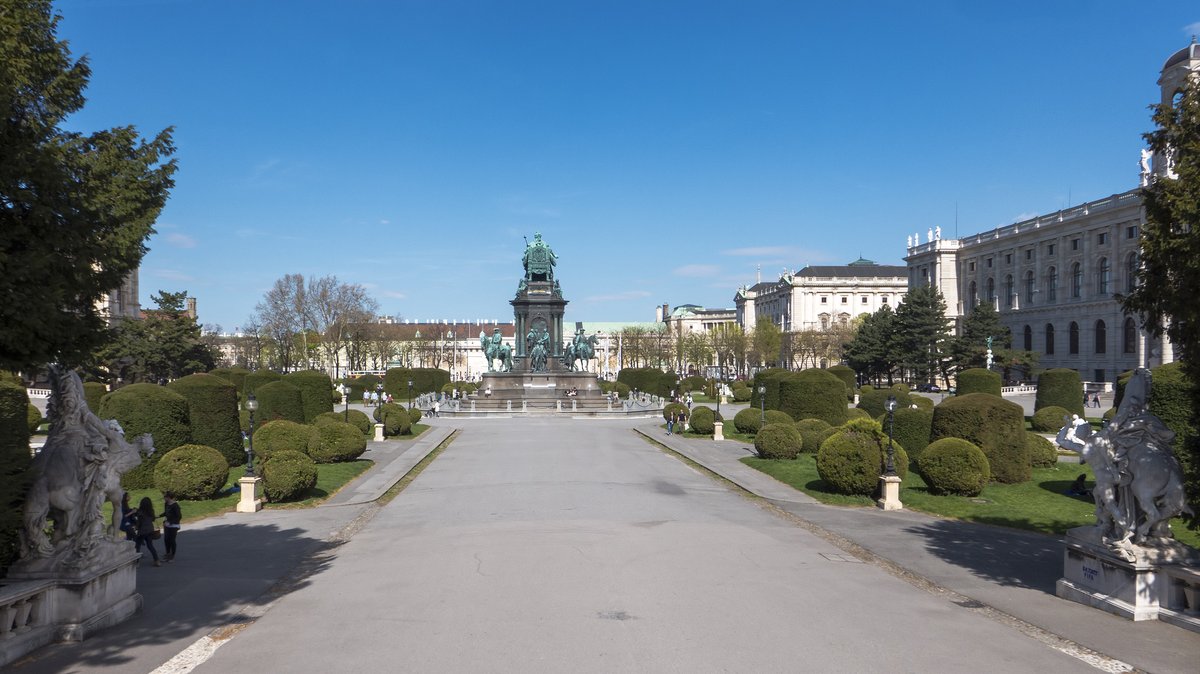
The Maria Theresa Monument stands as a striking testament to Austria’s imperial past, commanding the center of Maria-Theresien-Platz in Vienna. Erected to honor Empress Maria Theresa—the Habsburg Empire’s only female ruler and a key reformer in European history—the monument is not only an artistic masterpiece but also a cultural and historical anchor for the city. Framed by the grand facades of the Kunsthistorisches Museum and the Naturhistorisches Museum, the monument forms the focal point of a vibrant square deeply connected to Vienna’s intellectual and architectural heritage. This guide delves into the monument’s origins, symbolism, and visitor essentials—from opening hours and ticketing for nearby museums to accessibility and special events—offering a rich resource for anyone seeking to experience one of Vienna’s most celebrated historical sites (Burghauptmannschaft Österreich, Vienna Unwrapped, Habsburger.net).
- Origins and Commissioning of the Monument
- Empress Maria Theresa: Her Reign and Legacy
- Design, Symbolism, and Artistic Highlights
- Historical Context: Vienna & The Habsburg Monarchy
- Visitor Information
- Visitor Experience & Nearby Attractions
- Photography, Visuals & Media
- FAQ
- Summary & Insider Tips
- References
Photo Gallery
Explore Maria Theresa Monument in Pictures
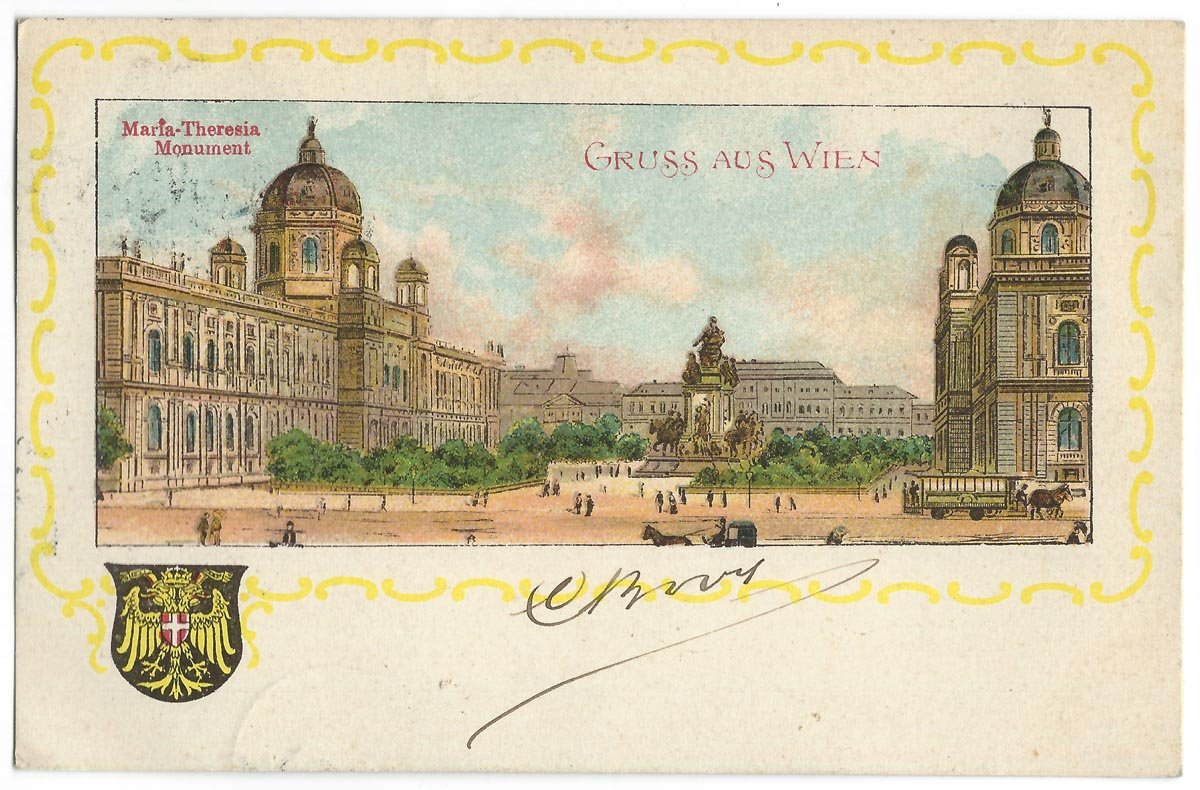
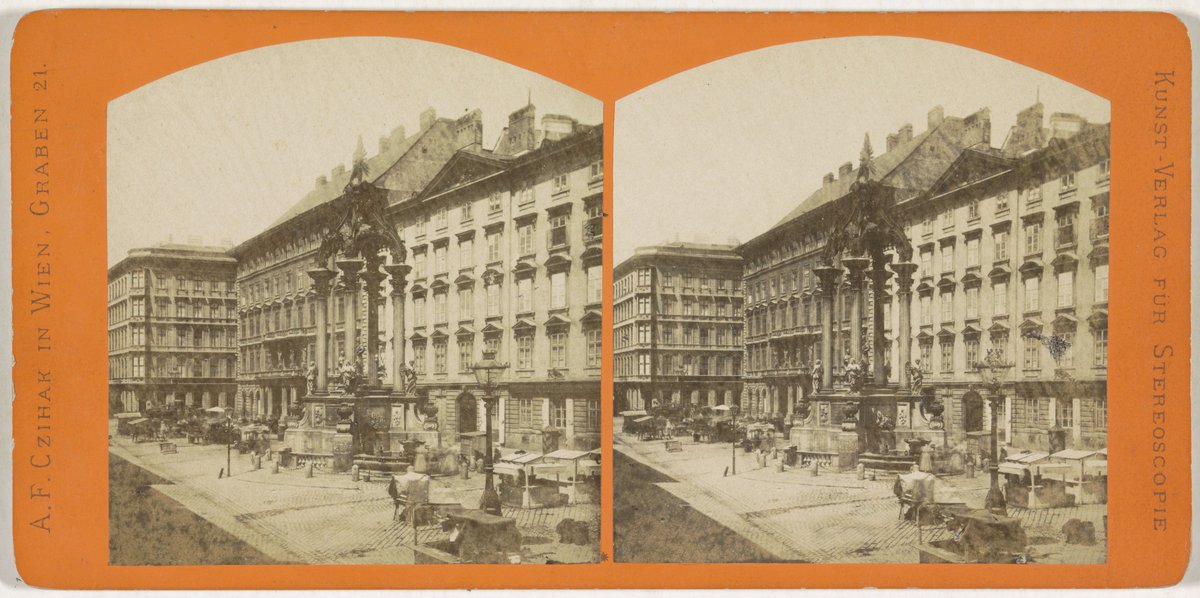
Panoramic historic view of Vienna cityscape at the beginning of the 20th century showcasing architectural style and urban landscape
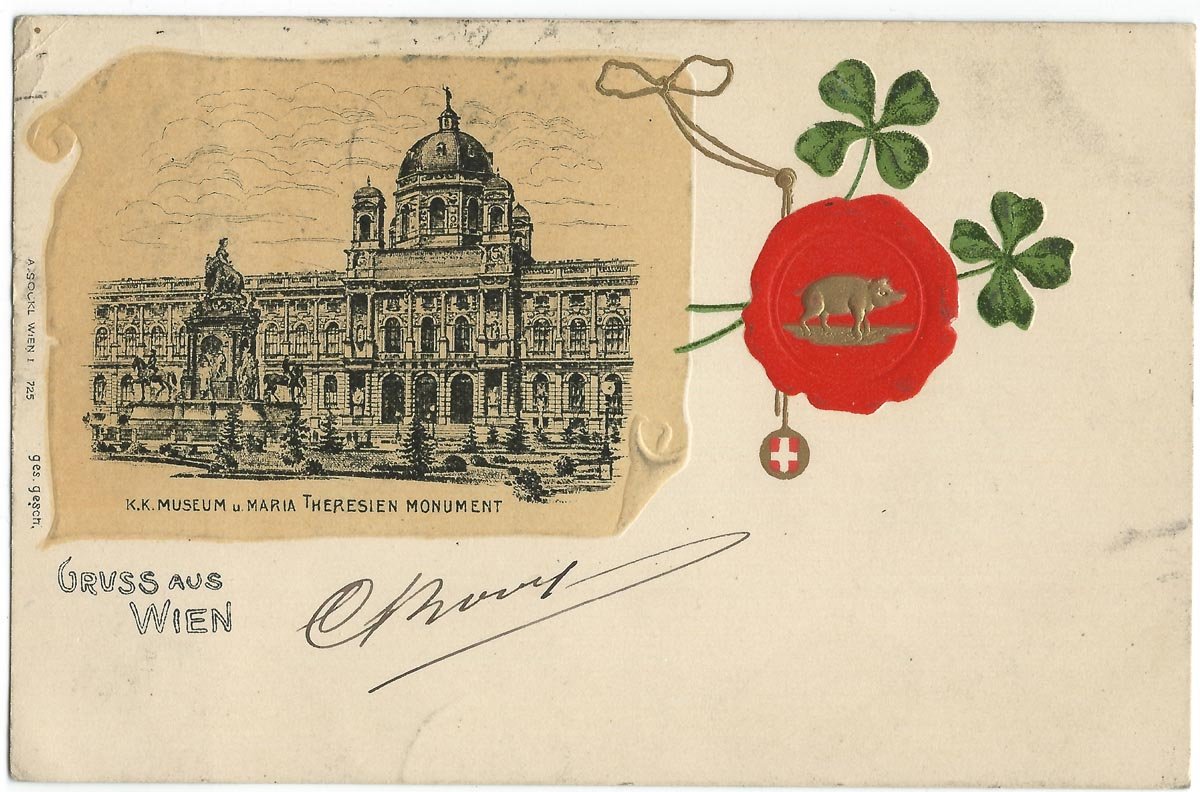
Vintage postcard showing a panoramic view of Vienna cityscape at the beginning of the 20th century
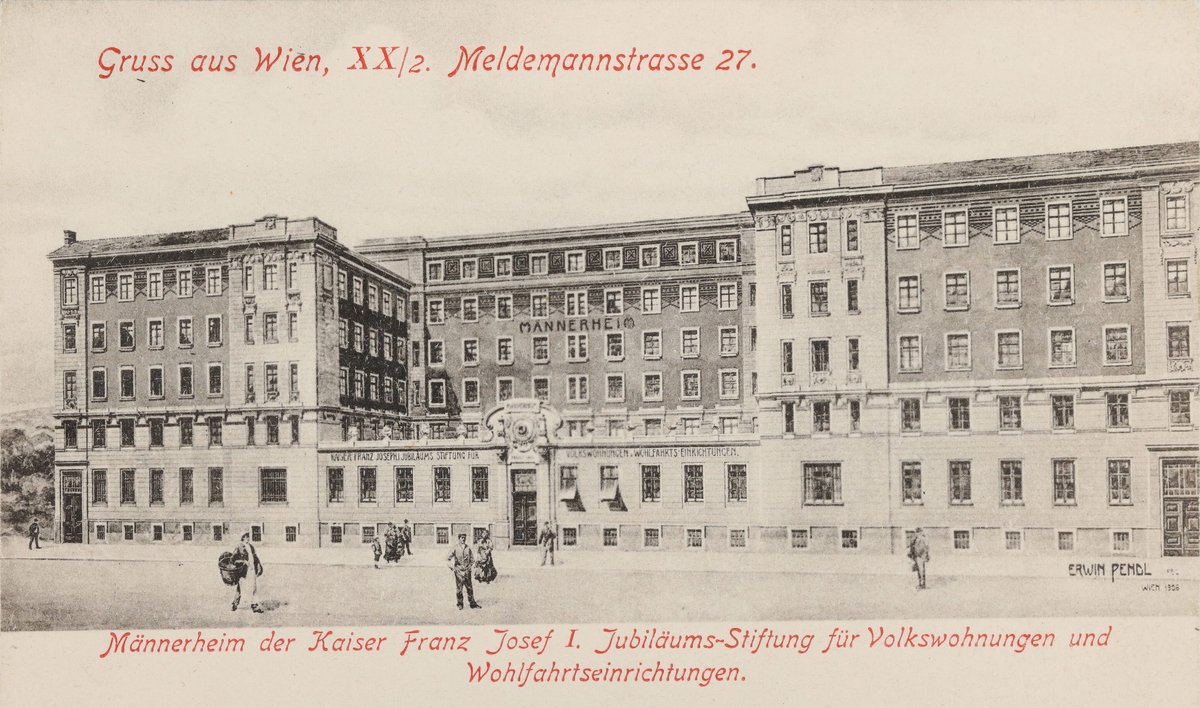
Black and white historical photograph showing Vienna cityscape from the Austro-Hungarian Monarchy era by an unknown photographer, part of an old photo album published under Creative Commons.
Detailed illustration from the 1888 issue of Die Gartenlaube magazine depicting a family enjoying a warm, cozy moment indoors with a richly decorated room
Origins and Commissioning of the Monument
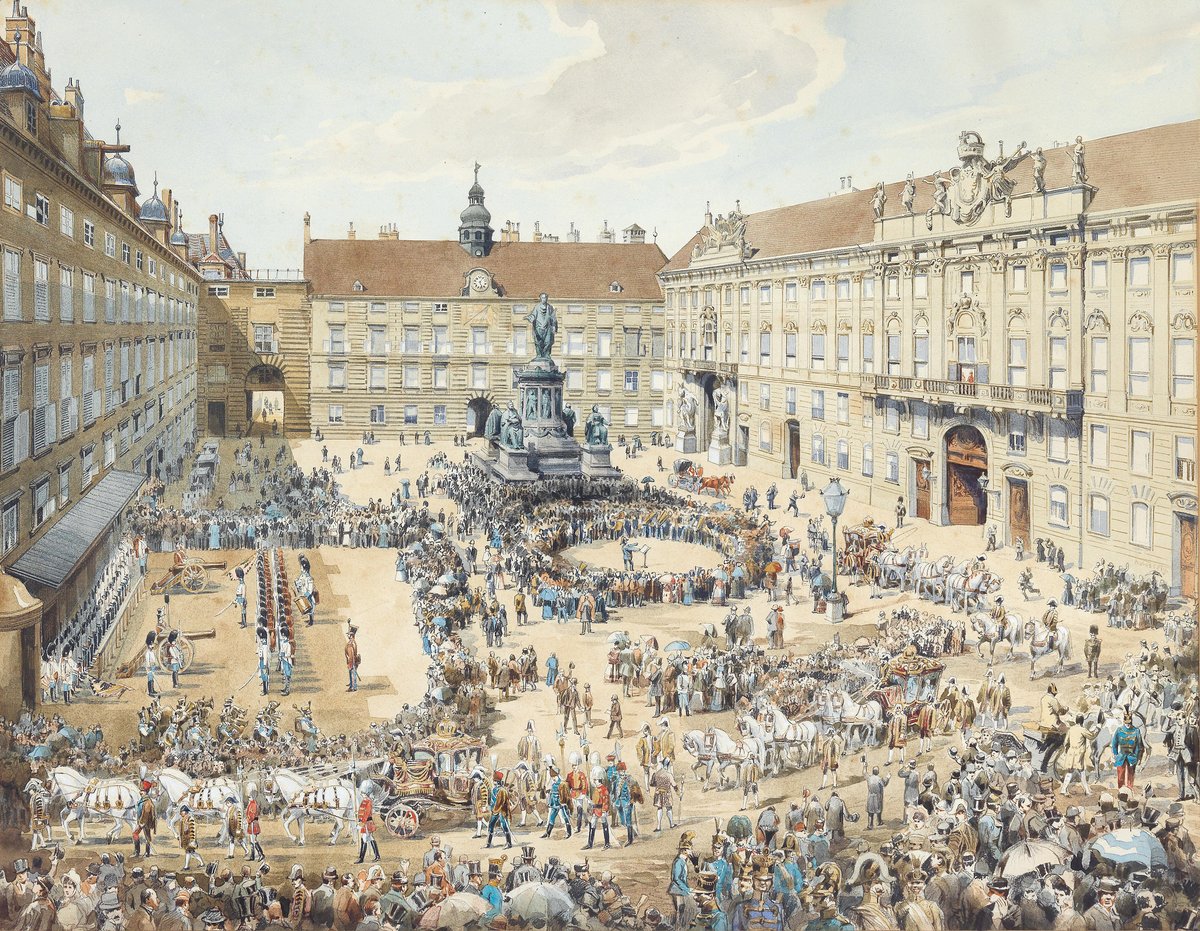
Conceived amid a wave of national pride and urban transformation in late 19th-century Vienna, the Maria Theresa Monument was envisioned as a lasting tribute to the Empress’s pivotal role in shaping the Habsburg Empire. The monument’s construction began in 1874, led by renowned sculptor Kaspar von Zumbusch and supported by architect Baron Karl von Hasenauer. It took 13 years to complete, culminating in its grand unveiling on May 13, 1888. Strategically positioned between two major museums, the monument became a cornerstone of the Ringstrasse’s architectural ensemble, symbolizing both imperial grandeur and Vienna’s dedication to cultural advancement (Habsburger.net).
Empress Maria Theresa: Her Reign and Legacy
Maria Theresa (1717–1780) remains one of Europe’s most influential monarchs. Ascending the throne after the death of her father, Emperor Charles VI, she faced immense challenges, including the War of the Austrian Succession. Her leadership, enabled by the Pragmatic Sanction, stabilized the Habsburg Monarchy and brought forth an era of reform:
- Administrative Modernization: Streamlined governance and reduced aristocratic privileges.
- Educational Reform: Introduced compulsory schooling—laying the foundation for Austria’s modern education system.
- Military & Economic Initiatives: Modernized the army and restructured agricultural and economic policies.
- Legal & Religious Adjustments: Balanced religious influence with state authority, fostering a more unified legal framework (Vienna Unwrapped, Meticulous Meanderings).
Her marriage to Francis Stephen of Lorraine produced sixteen children—including Marie Antoinette—and cemented dynastic ties across Europe.
Design, Symbolism, and Artistic Highlights
Monument Layout & Materials
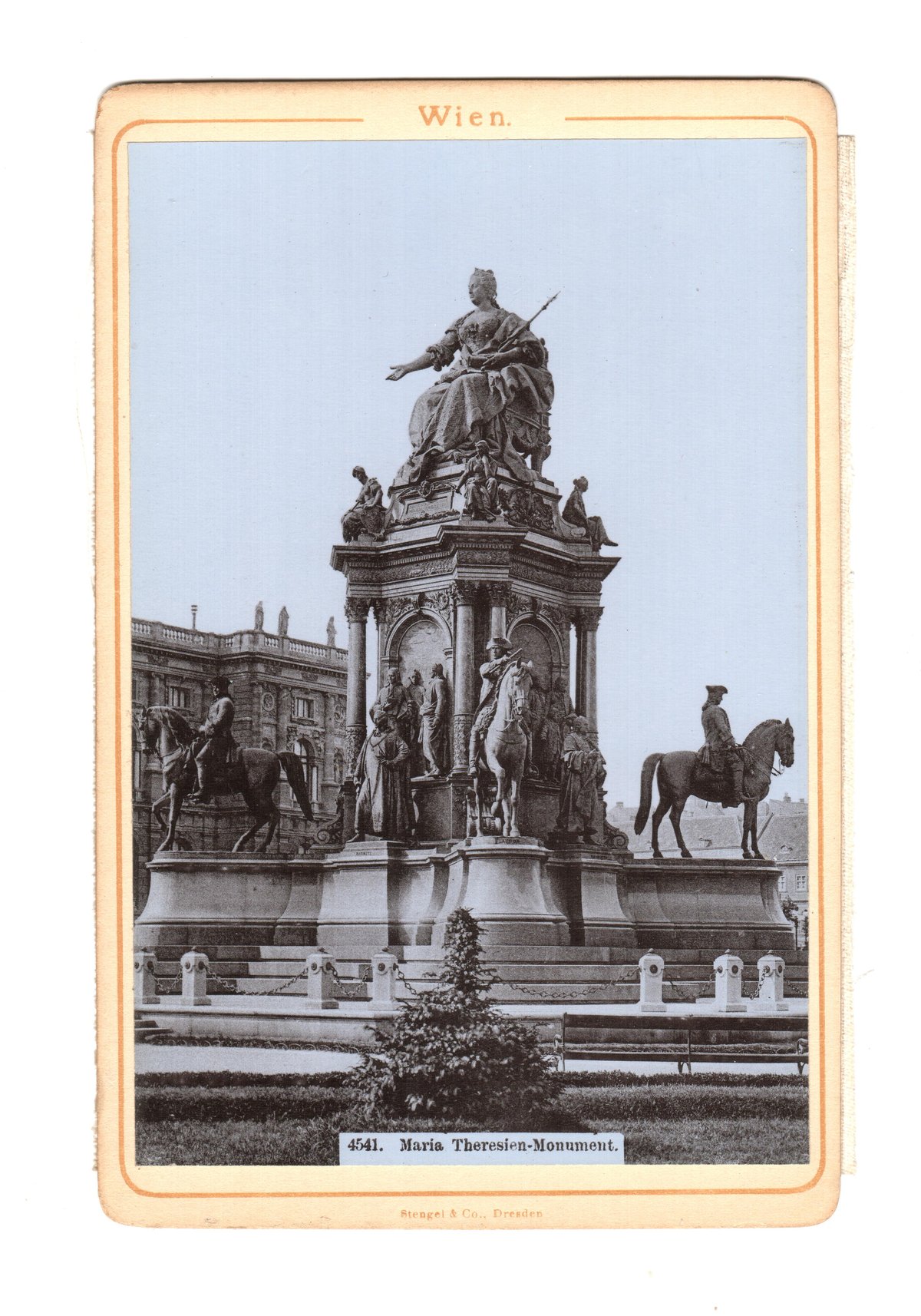
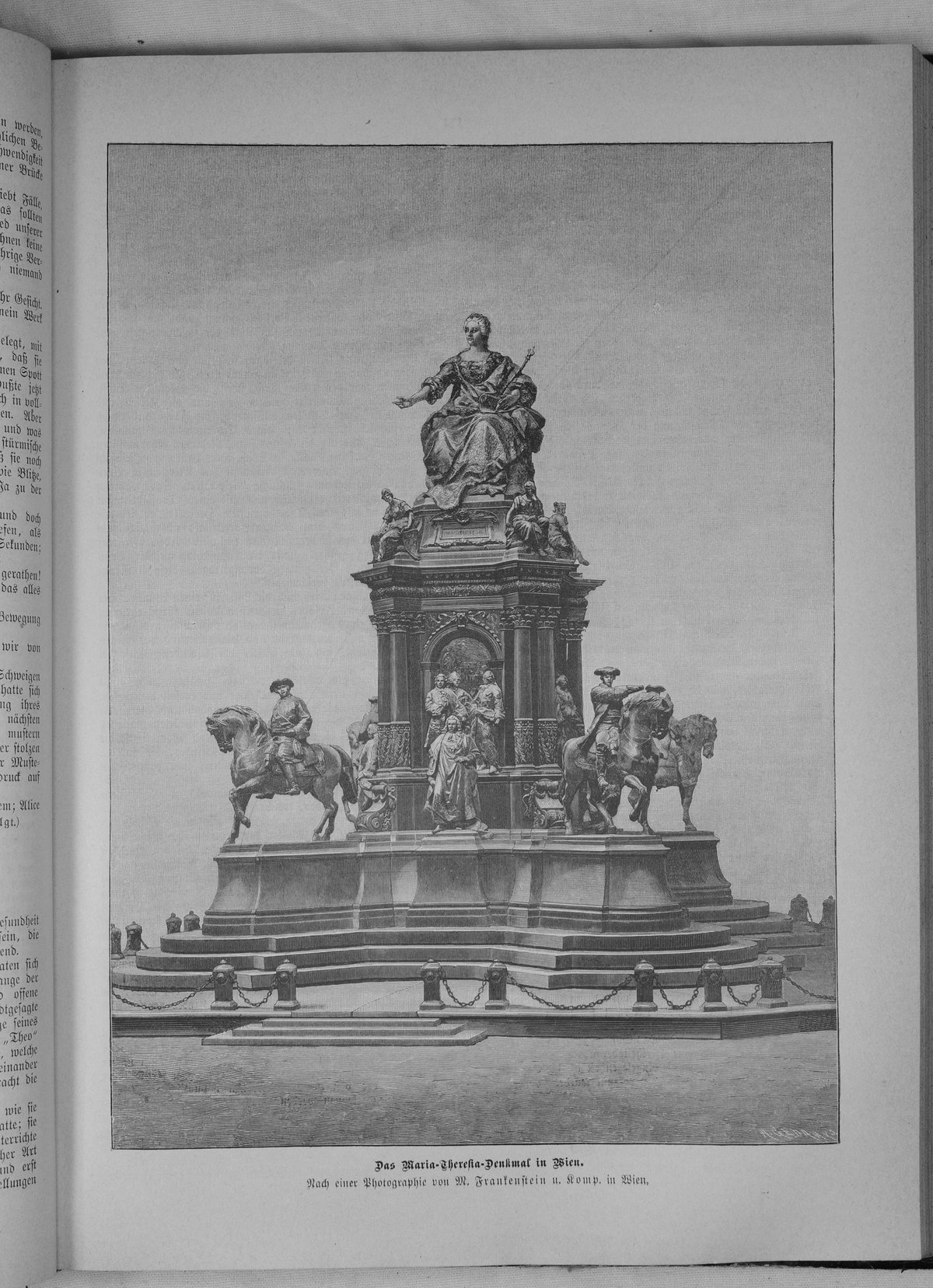
The monument spans 632 square meters and rises to a height of 19.36 meters. The central bronze statue of Maria Theresa, nearly 6 meters tall, is depicted seated and greeting her people, holding both a scepter and the rolled Pragmatic Sanction—a direct reference to her right to rule (Wien Vienna).
The architectural base combines materials from across the former empire: Mauthausen granite from Upper Austria, hornblende granite from Bohemia, and serpentinite from South Tyrol, symbolizing the Habsburgs’ broad reach (Wikipedia).
Symbolic Elements
- Central Figure: Maria Theresa, enthroned, extends her right hand in greeting and authority.
- Allegorical Virtues: Four female figures represent Justice, Strength, Mildness, and Wisdom—key traits attributed to her reign (City Walks Vienna).
- Reliefs & Statues: Each plinth side honors a different domain—advisers, administrators, the military, and the arts and sciences—with detailed reliefs including prominent figures like Gerhard van Swieten and composers Joseph Haydn and Gluck (Vienna Itineraries, Visiting Vienna).
- Equestrian Statues: Four bronze marshals symbolize the empire’s military might.
Artistic Contributors
The ensemble was realized by Kaspar von Zumbusch with student Anton Brenek, under architect Hasenauer’s guidance and Alfred von Arneth’s historical direction (Wikipedia).
Historical Context: Vienna & The Habsburg Monarchy
Maria-Theresien-Platz and its monument were conceived as integral parts of Vienna’s transformation into a modern imperial capital. The square aligns perfectly between the Kunsthistorisches Museum and the Naturhistorisches Museum, both built to house the Habsburgs’ vast collections, and forms a ceremonial axis in the city’s Ringstrasse development (All About Vienna). The monument’s unveiling in 1888 reinforced both dynastic pride and Vienna’s burgeoning cultural identity.
Visitor Information
Hours & Admission
- Monument: Open 24/7, year-round; no entry fee.
- Adjacent Museums (Kunsthistorisches & Naturhistorisches): Typically open 10:00 AM–6:00 PM. Extended hours may apply on select days—check official websites for up-to-date information.
Accessibility
Maria-Theresien-Platz and the monument are fully accessible, featuring flat, wide pathways and ramps. Nearby museums and public transport stops are also designed for wheelchair access.
Getting There
- U-Bahn: MuseumsQuartier (U2), Volkstheater (U2, U3)
- Tram/Bus: Burgring and Dr. Karl Renner Ring stops
- By Car: Limited parking; public transport recommended
Guided Tours & Special Events
Guided walking tours of Vienna often include the monument, with options for audio guides and app-based experiences like Audiala. Seasonal highlights include the Christmas Village (Weihnachtsdorf) and open-air cultural events (Visiting Vienna).
Visitor Experience & Nearby Attractions
The monument’s artistic details and imposing scale are best appreciated up close. The landscaped square, four elaborate fountains, and proximity to world-class museums create a dynamic environment for photography, relaxation, and learning (City Walks Vienna). Other nearby attractions include:
- Hofburg Palace: Imperial apartments and the Imperial Treasury
- MuseumsQuartier: Contemporary art and cultural venues
- Schönbrunn Palace: Baroque palace and gardens, accessible by public transport
During festivals, the square comes alive with local crafts, food stalls, and performances, amplifying its lively, welcoming atmosphere (Vienna Unwrapped).
Photography, Visuals & Media
Capture the monument in early morning or golden hour light for dramatic photos. Notable visual highlights include:
- Wide-angle shots with both museums as a backdrop
- Close-ups of allegorical figures and reliefs
- Event photography during the Christmas Village or summer festivals
High-resolution images and virtual tours can be found on official Vienna tourism portals.
FAQ
What are the monument’s visiting hours?
Open 24/7 in a public square; no ticket needed.
Is the monument accessible for wheelchair users?
Yes, with flat, paved walkways and accessible transit options.
Are guided tours available?
Yes—many operators offer tours including the monument and nearby museums; audio guides/apps are also popular.
How do I get there by public transport?
Take the U-Bahn to MuseumsQuartier (U2) or Volkstheater (U3/U2), or use nearby tram/bus lines.
Are there special events at the square?
Yes—seasonal highlights include the Christmas Village and cultural festivals.
Summary & Insider Tips
The Maria Theresa Monument is a must-visit for anyone interested in Vienna’s imperial story, monumental art, or urban design. Its central location, free access, and rich array of surrounding attractions make it an ideal starting point for exploring the city’s historic core. To maximize your experience:
- Visit early morning or late afternoon for the best light and fewer crowds
- Combine your visit with a museum tour or guided walking tour
- Check the events calendar for festivals or markets
- Use audio guides or apps for deeper historical context
Consider the Audiala app for expert tours and current visitor tips.
Listen to the full story in the app
Your Personal Curator, in Your Pocket.
Audio guides for 1,100+ cities across 96 countries. History, stories, and local insight — offline ready.
Audiala App
Available on iOS & Android
Join 50k+ Curators
Sources
-
verified
Burghauptmannschaft Österreich
Maria-Theresien-Platz, Vienna
-
verified
Habsburger.net
Maria Theresa Monument
-
verified
Vienna Unwrapped
Maria Theresa: The Empress Who Changed Austria
-
verified
Meticulous Meanderings
A Brief History of Empress Maria Theresa
-
verified
Vienna Itineraries
Maria-Theresien-Platz and Monument
-
verified
Wien Vienna
Maria Theresa Monument
-
verified
Wikipedia
Maria Theresa monument
-
verified
City Walks Vienna
Maria-Theresien-Platz Vienna
-
verified
All About Vienna
Maria-Theresien-Platz Visitor Guide
-
verified
Visiting Vienna
Footsteps of Maria Theresa Monument
-
verified
Holidify
Maria-Theresienplatz Sightseeing
- verified
Last reviewed: