Introduction
The Lower Belvedere, nestled in the heart of Vienna, stands as a magnificent example of Baroque architecture and a testament to Austria’s imperial heritage. Constructed between 1714 and 1716 as the summer residence of Prince Eugene of Savoy, it reflects the power, taste, and cultural influence of one of Europe’s most celebrated military commanders. Designed by Johann Lukas von Hildebrandt, the palace is renowned for its dramatic symmetry, terraced gardens, and a series of awe-inspiring interior spaces that harmoniously blend architecture with nature.
Today, the Lower Belvedere is a vibrant museum, balancing the grandeur of its Baroque roots with a dynamic program of contemporary art exhibitions and cultural events. Visitors can explore the Marble Hall, Grotesque Hall, and Orangery, each offering unique artistic experiences and a glimpse into Vienna’s rich past. This detailed guide provides essential information—covering opening hours, ticket prices, accessibility, current exhibitions, nearby attractions, and practical tips—ensuring you enjoy a seamless and enriching visit to one of Vienna’s most treasured sites.
For the latest updates and official information, consult the Belvedere Palace website, Visiting Vienna, and The Better Vacation.
Photo Gallery
Explore Lower Belvedere in Pictures

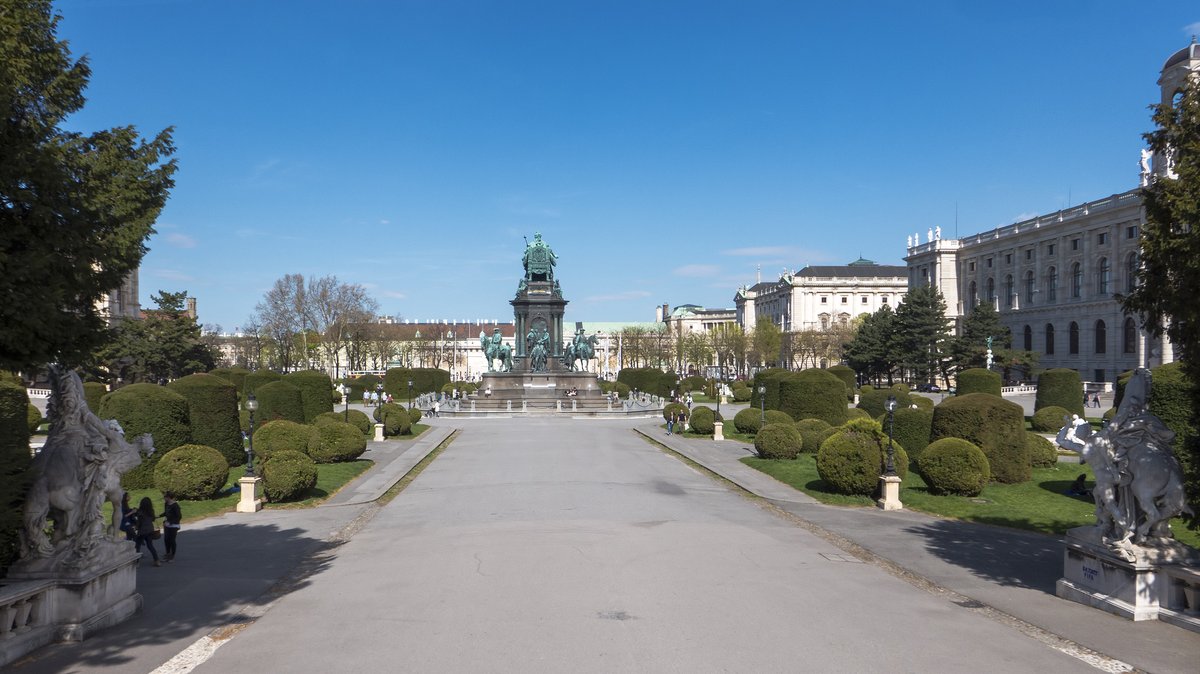
Scenic view of Park u Belvedere in Vienna showing green trees and walking paths during May 2012

Scenic view of Park u Belvedere in Vienna during springtime in May 2012, showcasing vibrant green foliage and peaceful park environment.

Bernardo Bellotto painting depicting an 18th-century panoramic view of Vienna from the Belvedere with detailed classical buildings and the Danube river

Historical cityscape painting by Bernardo Bellotto titled View of Vienna from the Belvedere featuring panoramic architecture and urban waterways in Vienna.
Historical Background
Commissioned by Prince Eugene of Savoy following his military triumphs, the Lower Belvedere was designed to embody both power and artistic sophistication. Hildebrandt’s architectural mastery is evident throughout, creating a residence that became a center for diplomatic and cultural life in 18th-century Vienna (lightisdark.com; jewishinvienna.com). After Prince Eugene’s death, the Habsburgs acquired the estate, transforming it into a public museum that continues to preserve the opulence of the Baroque era (visitingvienna.com).
Architectural Significance
Baroque Design Principles
The Lower Belvedere exemplifies High Baroque architecture through its symmetry, axial layout, and seamless integration with the surrounding gardens. The palace is aligned along a central axis connecting it to the Upper Belvedere, with expansive terraced gardens designed by Dominique Girard (lightisdark.com).
Gardens and Nature
Terraced gardens featuring fountains, sculptures, and manicured hedges extend the architectural experience outdoors, inviting visitors to enjoy the tranquility and grandeur of the palace’s landscape (travelherstory.com).
Key Interior Spaces
- Marble Hall: Adorned with frescoes by Martino Altomonte and red marble walls, this hall is a testament to artistic excellence and courtly grandeur.
- Grotesque Hall: Celebrated for its whimsical frescoes inspired by Nero’s Domus Aurea, it showcases the playful side of Baroque art.
- Orangery and Palace Stables: Now serve as contemporary exhibition spaces, blending historical ambiance with modern culture.
Decorative Elements
The palace’s interiors feature illusionistic ceiling paintings, elaborate stucco work by masters like Santino Bussi, and gold-leaf accents. The Hall of Mirrors uses reflection to create a sense of infinite space (lightisdark.com).
Symbolism and Legacy
The decorative program immortalizes Prince Eugene’s legacy through mythological scenes, battle motifs, and laurel wreaths, securing his place in European history (visitingvienna.com).
Visiting Information
Opening Hours
- Daily: 10:00 AM – 6:00 PM
- Thursdays: Extended hours until 9:00 PM
- Last Admission: 30 minutes before closing
Note: Hours may vary on holidays. Always check the official website for current information.
Tickets and Admission
- Standard Adult: €15–€18 (2025 rates)
- Reduced (students, seniors): €12–€14
- Children & Youth under 19: Free
- Vienna Pass holders: Free entry
- Combination Tickets: Available for Lower and Upper Belvedere, plus Orangery
- Online Booking: Highly recommended for timed entry and to avoid queues (The Better Vacation)
Tickets can be purchased on the official site or at the ticket desk.
Accessibility
- Fully wheelchair accessible (ramps, elevators, adapted restrooms)
- Step-free entrance
- Wheelchair rental available; advance reservation advised
- Assistance animals welcome
- Benches throughout exhibition areas
- Exhibition texts and staff assistance in multiple languages (museos.com)
Guided Tours and Audio Guides
- Guided Tours: Offered in multiple languages; private and group tours can be booked in advance
- Audio Guides: Available for a small fee or via the "Smartify" app for smartphones
Special Events and Exhibitions
Lower Belvedere is renowned for its rotating program of exhibitions. Highlights for 2024–2025 include:
- "In the Eye of the Storm: Modernisms in Ukraine" (Feb 23 – Jun 2, 2024)
- "Broncia Koller-Pinell" (Mar 15 – Sep 8, 2024)
- "Hannah Höch" (Jun 21 – Oct 6, 2024)
- "Akseli Gallen-Kallela" (Sep 27, 2024 – Feb 2, 2025)
- "Amoako Boafo: Proper Love" (Oct 25, 2024 – Jan 12, 2025)
- "Gustav Klimt: Pigment & Pixel" (Feb 21 – Sep 7, 2025)
The Orangery and Palace Stables also host contemporary exhibitions and cultural events year-round (vienna-trips.at).
Visitor Facilities
- Cloakroom and Lockers: Large bags and umbrellas must be checked
- Restrooms: Accessible and modern throughout the palace
- Gift Shop: Art books, souvenirs, and exhibition merchandise
- Free Wi-Fi: In public areas
- Audio guides and digital resources: Enhance your visit with the "Smartify" app
Dining and Refreshments
- On-site: Parkcafé offers light meals, pastries, and refreshments
- Nearby:
- Salm Bräu (Austrian cuisine and beer)
- Cafe Goldegg (traditional Viennese café)
- IKI Restaurant (Asian fusion)
(Toorists)
Travel Tips
- Book tickets online in advance, especially during holidays and special exhibitions
- Arrive early or later in the afternoon to avoid crowds
- Wear comfortable shoes for walking the palace and gardens
- Use public transport as parking is limited and the location is well-served by trams and city bikes
- Download a map of the complex and the "Smartify" app for digital guides
Nearby Attractions
- Upper Belvedere: Home to Gustav Klimt’s “The Kiss” and more masterpieces
- Belvedere Gardens: Free to enter, perfect for a scenic stroll or photography
- Belvedere 21: Contemporary art museum nearby
- Naschmarkt: Vienna’s largest food and flea market
- Karlskirche: A stunning Baroque church within walking distance
- MuseumsQuartier: Major cultural hub with multiple museums
- Stadtpark: Famous for the golden Johann Strauss monument
- Vienna State Opera: Guided tours and performances nearby
Frequently Asked Questions (FAQ)
Q: What are Lower Belvedere’s opening hours?
A: Daily from 10:00 AM to 6:00 PM, Thursdays until 9:00 PM.
Q: How much do tickets cost?
A: Standard adult tickets €15–€18. Discounts for students/seniors. Children under 19 free.
Q: Is the Lower Belvedere wheelchair accessible?
A: Yes, with step-free access, elevators, adapted restrooms, and wheelchair rental.
Q: Can I take photos inside?
A: Personal, non-flash photography is allowed except during some special exhibitions.
Q: Are guided tours available?
A: Yes, in multiple languages. Book online in advance.
Q: How do I get there by public transport?
A: Tram 71 (Unteres Belvedere stop), Tram D (Gußhaustraße stop), nearby U-Bahn stations (“Karlsplatz”, “Südtiroler Platz”).
Listen to the full story in the app
Your Personal Curator, in Your Pocket.
Audio guides for 1,100+ cities across 96 countries. History, stories, and local insight — offline ready.
Audiala App
Available on iOS & Android
Join 50k+ Curators
Sources
- verified
- verified
- verified
- verified
- verified
- verified
Last reviewed: