Introduction
Perched atop the picturesque Gallitzinberg hill in Vienna’s Ottakring district, the Kuffner Observatory stands as a testament to the city’s enduring legacy in scientific discovery and public education. Founded in the late 19th century by industrialist Moriz von Kuffner, the observatory became a pioneering center for astronomical research and remains a vibrant cultural site today. This guide provides a comprehensive overview of the Kuffner Observatory’s history, visitor experience, practical information—including visiting hours and ticketing—and tips for making the most of your trip to this remarkable Viennese treasure.
Photo Gallery
Explore Kuffner Observatory in Pictures
History and Cultural Significance
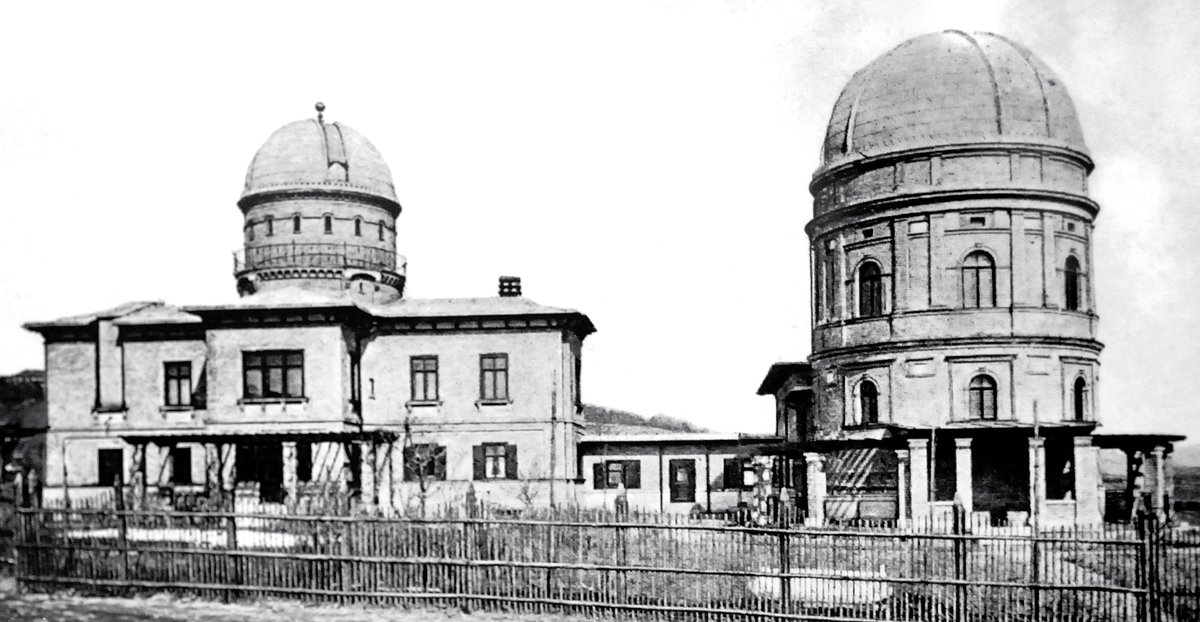
The Kuffner Observatory was established between 1884 and 1886, during a period of rapid scientific advancement in Vienna. Moriz von Kuffner, an influential industrialist and philanthropist, envisioned an observatory that would place Vienna at the forefront of European astronomy (Kuffner Observatory Vienna: Visiting Hours, Tickets, History & Travel Tips). Designed by architect Franz Ritter von Neumann the Younger, the observatory’s cross-shaped, domed structure housed some of the era’s most advanced astronomical instruments.
Beyond its initial scientific mission, the observatory became a symbol of Vienna’s cultural and educational ambition. After turbulent years—including expropriation during World War II and the forced emigration of the Kuffner family—the observatory was reborn as a public institution, dedicated to science education and community engagement (Visiting the Kuffner Observatory in Vienna: Hours, Tickets, and Historical Insights).
Scientific Contributions and Legacy
Pioneering Private Research
Unlike many private observatories of its time, the Kuffner Observatory was conceived as a serious research center from the outset. Its original team, led by Norbert Herz and later Leo Anton Carl de Ball, undertook groundbreaking work in astrometry, timekeeping, and double star measurement.
World-Class Instruments
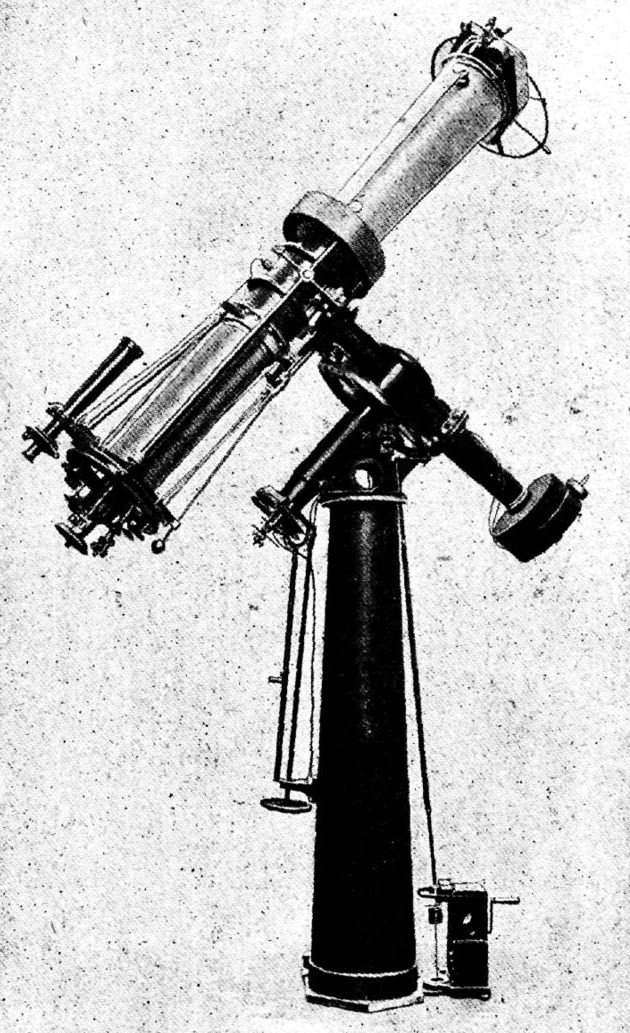
The observatory is home to several historic astronomical instruments, many still in use or on display for visitors:
- Great Refractor Telescope (1884/86): Austria’s third-largest refractor, crafted by A. Repsold & Söhne and Steinheil & Söhne.
- Meridian Circle (1884): At its time, the largest in the Austro-Hungarian Monarchy, pivotal for precise celestial measurements.
- Heliometer (1894): The world’s largest at installation, essential for measuring stellar distances.
- Vertical Circle (1890/91): Advanced the field of positional astronomy.
These instruments enabled research that placed Vienna at the center of late 19th and early 20th-century astronomy (Visiting the Kuffner Observatory in Vienna: Hours, Tickets, and Historical Insights).
Notable Figures
Prominent astronomers such as Karl Schwarzschild (pioneering astrophysicist) and Leo Anton Carl de Ball contributed to the observatory’s international reputation. Their work extended Vienna’s influence across scientific communities in Europe.
Architectural Highlights
The Kuffner Observatory exemplifies 19th-century scientific architecture, with its Greek cross layout, multiple domes, and purpose-built wings for specialized instruments. Its design is comparable to other leading European observatories of the era, such as the Real Observatorio Astronómico de Madrid.
Meticulous preservation efforts have maintained both the building and its historic equipment. Notably, the Repsold observing chair, an engineering marvel, was restored in 2022, allowing visitors to experience the observatory’s authentic scientific environment (Visiting the Kuffner Observatory in Vienna: Hours, Tickets, and Historical Insights).
Visitor Information: Hours, Tickets, and Tours
Visiting Hours
The Kuffner Observatory operates primarily through scheduled guided tours and special events. Standard opening hours and tour times may shift seasonally, so always verify with the official website or by phone before your visit.
- April to September: Tours on Tuesdays at 9:00 PM; Saturdays at 5:00 PM and 9:00 PM.
- October to March: Tours on Tuesdays at 8:00 PM; Saturdays at 5:00 PM and 8:00 PM.
- Group tours: Available throughout the year by prior arrangement (Kuffner Observatory Visiting Hours, Tickets, and Visitor Guide in Vienna).
Tickets and Admission
- Adults: €8–€15 (depending on event)
- Discounts: Available for students, seniors, and children
- Children under 12: Often free (verify with venue)
- Group and special event pricing: May vary
- Payment: Bring cash; card acceptance is not guaranteed
Some tours may operate on a donation basis, particularly community events. If you have a Vienna City Card or similar pass, inquire about discounts or free entry (ReviewEuro).
Guided Tours and Stargazing Events
Guided tours, typically 60–90 minutes, are led by knowledgeable staff or volunteers and cover:
- The history and architecture of the observatory
- Demonstrations of historic telescopes and instruments
- Astronomical observations (weather permitting)
- The role of the observatory in Vienna’s scientific life
Stargazing nights are scheduled around celestial events (e.g., meteor showers, eclipses) and require advance booking. Educational workshops and special lectures occur throughout the year (Visitor Experience).
Accessibility and Getting There
Location
- Address: Johann-Staud-Straße 10, 1160 Vienna (Ottakring District)
Public Transport
- U-Bahn: U3 line to Ottakring
- Trams: Lines 9 and 44 to Ottakring
- Bus: Local lines connect from Ottakring station to near the observatory
- On Foot: Uphill walk from public transport stops; wear comfortable shoes
By Car
- Limited street parking (fees apply); public transport is recommended, especially during events.
Accessibility
While Vienna is generally accessible, the historic nature of the building means some areas (such as domes accessed by stairs) may present challenges for wheelchair users. Ramps and accessible restrooms are available, and staff are happy to assist—please contact in advance to discuss your needs (Vienna Accessibility Overview; Vienna Tourist Board Accessibility Guide).
Nearby Attractions and Complementary Experiences
- Vienna Woods (Wienerwald): Scenic hiking trails and nature areas adjacent to Gallitzinberg hill (ICO Optics)
- Ottakringer Brewery: Explore Vienna’s brewing tradition, founded by Moriz von Kuffner
- Wilhelminenberg Palace: Historic palace and gardens nearby
- Vienna Planetarium & Urania Observatory: Further astronomical attractions within the city
Combine your visit for a richer experience of Vienna’s scientific and cultural landscape.
Tips for Visitors
- Book in Advance: Guided tours and stargazing events fill quickly, especially on weekends or during astronomical phenomena.
- Check Weather: Telescope viewing depends on clear skies; dress warmly for night tours.
- Language: Most tours are in German; English tours possible by request—contact in advance.
- Photography: Allowed for personal use; avoid flash and tripods unless given permission.
- Cash: Some purchases and donations are cash-only.
- Arrival: Arrive 10–15 minutes early to orient yourself.
Frequently Asked Questions (FAQ)
Q: Can I visit without a guided tour?
A: No, all visits are conducted via scheduled tours or events.
Q: Are children welcome?
A: Yes, educational programs are offered for children and youth groups.
Q: Is the observatory wheelchair accessible?
A: Partially—some areas are accessible, but certain historic sections (like domes) may have limited access.
Q: How do I buy tickets?
A: Advance booking is recommended, either online or via phone. Payment is usually in cash.
Q: What if the weather is bad?
A: Tours proceed regardless of weather; if observation isn’t possible, the focus shifts to the instruments and history.
Listen to the full story in the app
Your Personal Curator, in Your Pocket.
Audio guides for 1,100+ cities across 96 countries. History, stories, and local insight — offline ready.
Audiala App
Available on iOS & Android
Join 50k+ Curators
Sources
- verified
- verified
- verified
- verified
- verified
Last reviewed: