Introduction
Kollegium Kalksburg is a distinguished institution nestled in Vienna’s Liesing district, representing the city’s Jesuit educational heritage and architectural grandeur. Founded in the mid-19th century on the historic grounds of the former Mon Pérou Palace, it has evolved from a Jesuit retreat to a vibrant educational and cultural venue. Visitors are drawn to its stunning Neo-Gothic and Neo-Renaissance architecture, sacred chapels, and beautifully landscaped gardens, as well as its continued role as a center for cultural events and community engagement.
This comprehensive guide outlines everything you need to know for your visit: from history, architecture, and cultural significance to practical details about visiting hours, tickets, accessibility, and travel tips. Whether your interests lie in history, architecture, education, or Vienna’s cultural life, Kollegium Kalksburg promises a meaningful and memorable experience. For the latest details, refer to official resources like the Kollegium Kalksburg website and Austria-Forum.
Photo Gallery
Explore Kollegium Kalksburg in Pictures

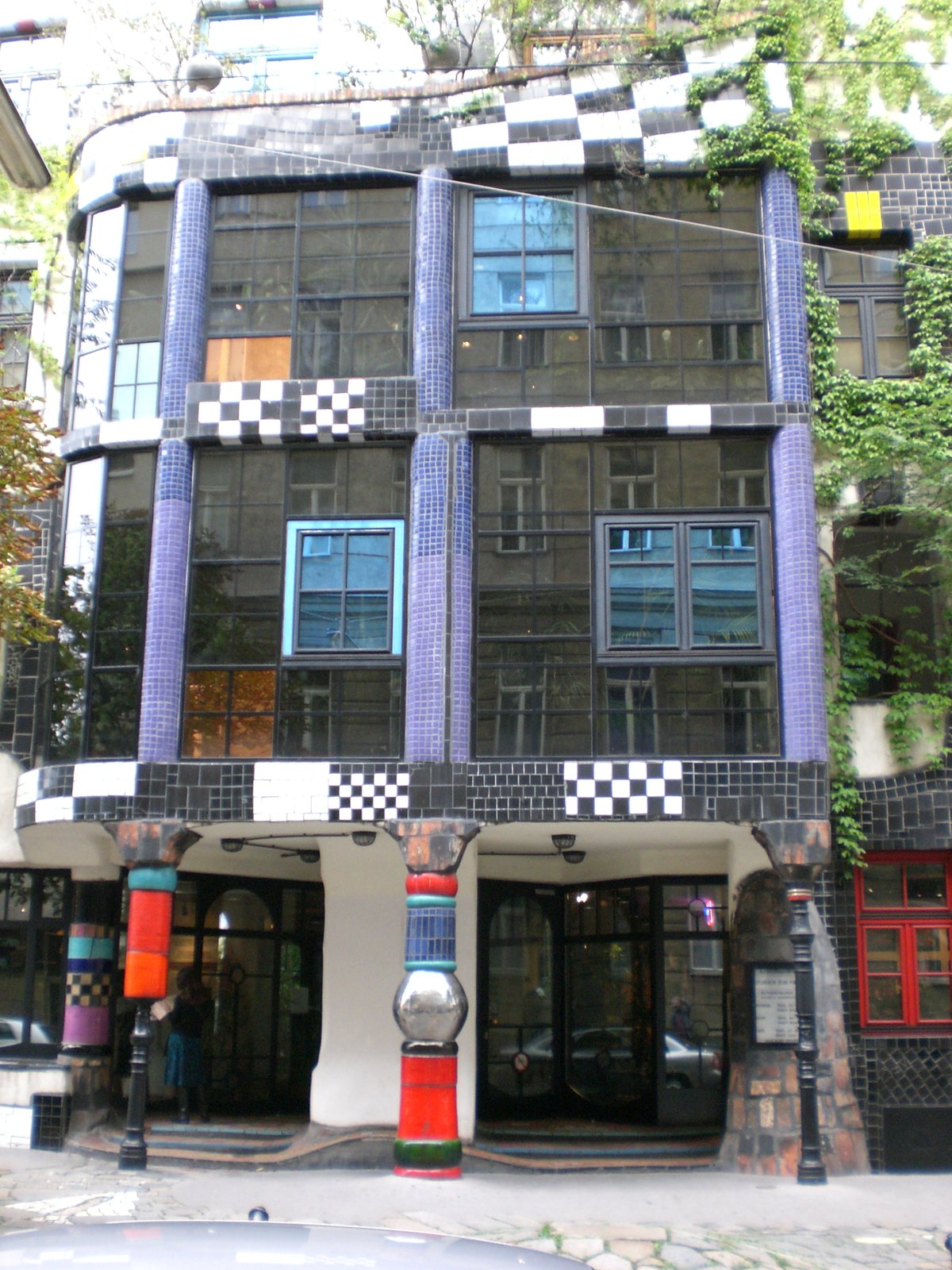
Photo of public art installation located at Kollegium Kalksburg in Vienna, Austria, catalogued as number 47537 in the Vienna public art database.

View of Kollegium Kalksburg, an educational institution located in Vienna Liesing, showing the campus building amidst trees

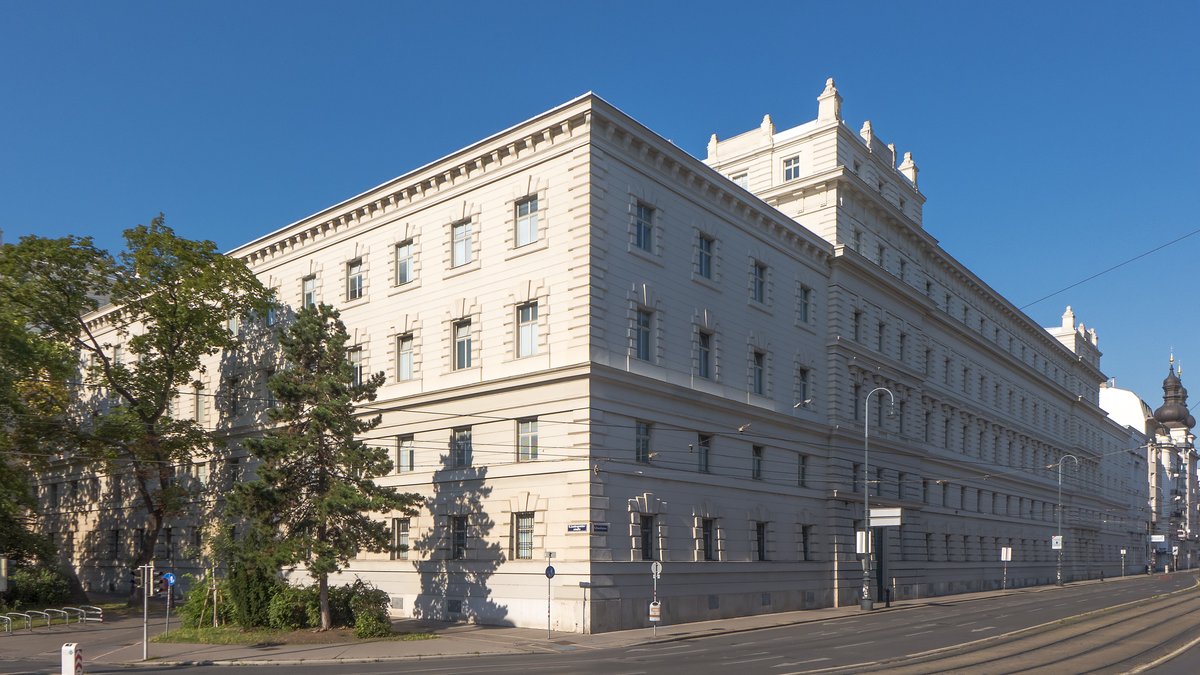
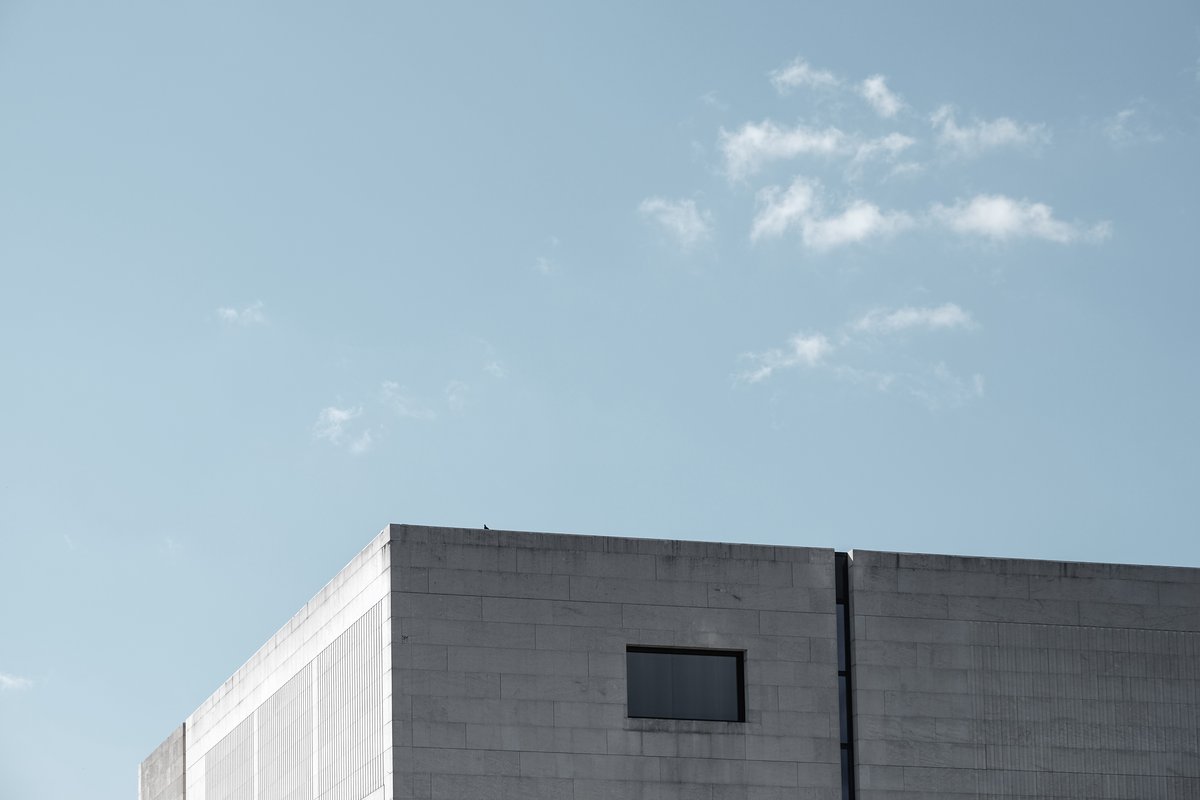
Exterior view of Kollegium Kalksburg located in district 23 of Vienna, showing the prominent school building under clear skies.

Exterior view of Kollegium Kalksburg located in district 23 of Vienna, featuring the historic educational institution surrounded by trees and greenery.

View of the Collegium Kalksburg educational building located in the 23rd district of Vienna, Austria, showcasing its architectural exterior in daylight

View of Kollegium Kalksburg, an educational institution located in the 23rd district of Vienna, Austria, featuring its historic building amid green landscape.
Quick Visitor Information
Visiting Hours
- Monday to Friday: 9:00 AM – 5:00 PM
- Weekends and Public Holidays: Closed
- Access to interiors is by guided tour only (book in advance).
Admission
- Park and outdoor areas: Free
- Guided tours: By appointment; nominal fee may apply
Accessibility
- Outdoor areas: Wheelchair accessible
- Some historic interiors: Limited accessibility (inquire when booking)
Location
- Address: Kalksburgallee 2, 1230 Vienna
- Public Transport: U6 to Siebenhirten, then bus 60B to Kalksburg stop
- Parking: Limited; public transport recommended
History of Kollegium Kalksburg
Early Jesuit Period (16th–18th Century)
The Jesuits arrived in Vienna in 1551, quickly establishing a network focused on education. In 1609, they acquired the Mauer and Kalksburg estates, using them for agriculture, forestry, and as a retreat. The Jesuits’ presence endured until the order’s suppression in 1773, with remnants of this era, such as boundary stones, still visible today (Austria-Forum).
19th Century Rebirth
After the suppression, the estate passed through several owners, including Franz von Mack, who designed the landscape gardens. In 1855, the Jesuits regained the property and began transforming the Villa Mon Pérou into an educational institution, officially founding Kollegium Kalksburg in 1856.
Growth and Challenges
The late 19th and early 20th centuries saw rapid expansion with new buildings, chapels, and educational facilities. The institution faced challenges during the World Wars, serving as a military facility and experiencing closures and repurposing under the Nazi regime.
Postwar and Modern Era
After WWII, the Jesuits restored the college, introducing modern reforms and coeducation in the late 20th century. The boarding school closed in 1990, with administration transitioning to the Association of Austrian Religious Schools. The college celebrated its 150th anniversary in 2005, highlighting its ongoing evolution.
Architectural and Artistic Highlights
Kollegium Kalksburg’s campus is a tapestry of architectural styles and artistic treasures:
- Main Building: A four-story structure blending Neo-Gothic and Neo-Renaissance styles, built atop the Mon Pérou Palace’s foundations.
- Chapels:
- Marian Congregation Chapel (featuring a Maria Immaculata painting by Leopold Kupelwieser)
- Rectory Chapel with stained glass by the Tyrolean Glass Painting and Mosaic Institute
- Convent Chapel (housing Napoleon Bonaparte’s travel altar)
- Collegiate Chapel with a 1986 fresco by Bengt Olof Kälde
- Guardian Angel Chapel (1900), noted for its modest design (Austria-Forum; Wikiwand)
- Gardens & Monuments:
- Landscaped park designed by Franz von Mack
- Monument Pavilion inspired by Claude-Nicolas Ledoux’s neoclassicism
- Michaels Chapel and a Chinese pagoda reflecting 18th-century chinoiserie
- The "Stone House" (1787), a rare Neo-Gothic secular building (Mapcarta)
- Collections:
- Paintings and portraits from the 18th–19th centuries
- Baroque crucifixion by Martin Johann Schmidt
- Student artworks and a ceramic relief, “Fische in der Liesing,” by Dr. Margarete Fujii-Zelenak (AustriaSites)
- Modern Facilities:
- A library (opened 2001) with computer and study areas
- Renovated gymnasium with a climbing wall (2003)
Visitor Experience and Tips
- Guided Tours: Book in advance to access interior spaces and learn about the college’s history and art.
- Photography: Allowed in outdoor and some interior areas, but restrictions apply during services or school hours. Always seek permission.
- Special Events: The college hosts concerts, festivals, and exhibitions. Check the concerts page for current schedules.
- Nearby Attractions:
- Lainzer Tiergarten for hiking
- Himmelswiese meadow
- Traditional Heuriger wine taverns (Visiting Vienna)
Jesuit Educational Tradition
Kollegium Kalksburg is rooted in Ignatian pedagogy, emphasizing “MAGIS”—the pursuit of excellence, holistic development, and social responsibility. The curriculum combines academic rigor with emotional intelligence, ethical reflection, and community service (Kollegium Kalksburg – Unser Konzept).
Cultural Contributions
Beyond its educational role, Kollegium Kalksburg is a vibrant cultural venue, hosting concerts, literary salons, and festivals. Notable events include the “Internationales Musikfest Waidhofen a.d. Thaya” and “Wean Hean” Viennese song festival, featuring artists like Walther Soyka (Kollegium Kalksburg – Concerte).
Practical Information: Visiting Hours, Tickets, and Accessibility
- Visiting Hours: Mon–Fri, 9:00 AM–5:00 PM (interior access by tour only)
- Admission: Free for the park; guided tours may require a nominal fee
- Tickets: For concerts and public events, purchase tickets online or at the venue; early booking is advised
- Guided Tours: Arrange in advance via the school’s official contact
- Accessibility: Outdoor areas generally accessible; some historic interiors are not—notify the school if you have specific needs
Getting There
- Public Transport:
- U6 to Siebenhirten station, then bus 60B to Kalksburg stop
- S-Bahn (S2, S3, S4) to Liesing, then bus or taxi
- By Car: Parking is limited; use public transport when possible
- Taxi/Ride-Sharing: Readily available in Vienna (EduIQ School Data)
Events and Cultural Experiences
Kollegium Kalksburg regularly features music performances—including the renowned Kollegium Kalksburg trio—literary events, and festivals. Check Vienna event listings and the school’s website for details (Vienna Events).
Notable Alumni and Legacy
While individual alumni are not listed publicly, the school’s reputation is reflected in its graduates’ contributions to Austrian academia, arts, and public life. Kollegium Kalksburg continues to shape Vienna’s intellectual and cultural spheres.
Nearby Attractions
- Vienna Woods (Wienerwald): Nature trails and outdoor recreation
- Heuriger Wine Taverns: Sample local cuisine and wines
- Central Vienna: Easily accessible for further exploration
Seasonal and Cultural Insights
- Best Time to Visit: Summer and school holidays (July onward) see more public events and milder weather
- Local Customs:
- Use formal greetings (“Guten Tag”)
- Dress modestly on campus
- Respect quiet hours and local etiquette (Lonely Planet)
FAQ
Q: What are the visiting hours for Kollegium Kalksburg?
A: Monday to Friday, 9:00 AM–5:00 PM. Interior access is by guided tour; check the website for special events.
Q: How do I purchase tickets for events?
A: Online via the school’s website or at the venue, depending on the event.
Q: Is the campus wheelchair accessible?
A: Outdoor areas are accessible; some historic interiors may be limited. Contact the school for details.
Q: Are guided tours available?
A: Yes, but must be arranged in advance.
Q: What languages are events conducted in?
A: Most are in German; some festivals feature international and multilingual elements.
Plan Your Visit
- Visit kalksburg.at for current hours, events, and contact details.
- Book guided tours or tickets early, especially for popular concerts.
- Download the Audiala app for an immersive audio guide experience.
- Follow Kollegium Kalksburg on social media for updates.
Listen to the full story in the app
Your Personal Curator, in Your Pocket.
Audio guides for 1,100+ cities across 96 countries. History, stories, and local insight — offline ready.
Audiala App
Available on iOS & Android
Join 50k+ Curators
Sources
- verified
- verified
- verified
- verified
- verified
Last reviewed: