Introduction: Discovering Kleines Theater In Der Praterstraße
Located in Vienna’s historic Leopoldstadt district, the Kleines Theater in der Praterstraße stands as a remarkable testament to the city’s rich theatrical and cultural heritage. Established in the 1930s as the "Jüdische Bühne" (Jewish Stage), the theater played a pivotal role in Vienna’s avant-garde and Jewish cultural scene before the disruptions of World War II (Wikipedia; Wien Geschichte Wiki). Today, while the original venue no longer hosts theatrical performances, its legacy lives on through Vienna’s vibrant arts culture and the ongoing activities of similarly spirited venues along the famed Praterstraße “Theatermeile.”
This comprehensive guide offers an in-depth look at the history and enduring influence of the Kleines Theater, practical visitor information, ticketing and accessibility tips, nearby attractions, and recommendations for exploring the surrounding Praterstraße district—ensuring you experience the very best of Vienna’s performing arts and cultural scene (hamakom.at; viennawurstelstand.com).
Photo Gallery
Explore Kleines Theater in Der Praterstraße in Pictures
Origins and Founding (1933–1935)
The Kleines Theater in der Praterstraße was established amidst the politically tense atmosphere of 1930s Vienna. Founded as the "Jüdische Bühne" by Ernst Lönner—a student of Erwin Piscator—the theater sought to offer an avant-garde and politically engaged platform for contemporary drama (Wikipedia). In July 1935, Lönner and Josef Carl Knaflitsch secured a theater license for Praterstraße 60, with local press and city officials supporting the modernized, technically advanced venue (Wien Geschichte Wiki).
Artistic Direction and Key Figures
Launching in October 1935 with Jaroslav Hašek’s "Die Moldau-Schiffer," the theater quickly earned a reputation for bold programming. The ensemble featured talents like Carl Merz, Marianne Gerzner, and Gustav Manker, who also contributed to stage design. The repertoire showcased works by European playwrights such as Ödön von Horváth and André Gide, balancing satirical, socially critical, and musical performances (Wikipedia).
Social and Political Context
Situated in Vienna’s Jewish quarter, the theater became a symbol of resilience and creative expression during an era of intensifying repression. Its programming reflected both the struggles and the spirit of Vienna’s Jewish artistic community (Vienna Wurstelstand).
Challenges and Closure
Despite critical acclaim, the theater’s lease ended in April 1936, and the rise of National Socialism led to its closure prior to the Anschluss in 1938 (Wien Geschichte Wiki).
Visiting the Kleines Theater Site Today
Current Status
The historic venue at Praterstraße 60 now houses a supermarket, with no public access or commemorative marker (Wikipedia). However, the theater’s story remains integral to Vienna’s cultural memory.
Visitor Information
- Address: Praterstraße 60, 1020 Vienna, Austria
- Visiting: The site is not a functioning theater and does not offer tours or performances. Instead, explore other nearby venues that carry on the spirit of small, innovative theater (Vienna Tourist Information).
Nearby Attractions
- Leopoldstadt District: Explore Vienna’s former Jewish quarter, filled with cultural landmarks.
- Johann Strauss Wohnung: Museum in the composer’s former residence.
- Burgtheater and MuseumsQuartier: Vienna’s flagship theaters and cultural complexes.
- Wiener Riesenrad and Prater Park: Iconic Ferris wheel and amusement park (Vienna Tourist Information).
Cultural Significance and Modern Role
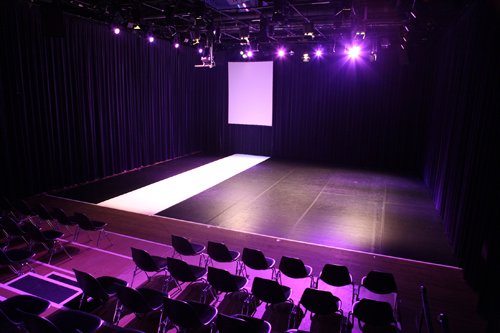
While the original Kleines Theater is gone, its legacy endures in the vibrant Theatermeile of Praterstraße, home to a new generation of small theaters and experimental venues (hamakom.at). The area is renowned for events like the "Lange Nacht der Praterstraße," which feature performances, backstage tours, and community celebrations that echo the innovative spirit of the 1930s (Prater.at: Lange Nacht der Praterstraße).
Local theaters today emphasize accessibility, artistic diversity, and grassroots engagement—making the district a hub for both locals and culturally curious travelers (viennawurstelstand.com).
Practical Visitor Information
Location and Accessibility
- Transit: The area is easily reached via Vienna’s U-Bahn (Nestroyplatz, U1; Praterstern, U1/U2/S-Bahn), trams, and buses (Vienna Public Transport).
- Parking: Limited street parking and nearby garages; public transport is recommended for convenience.
Visiting Hours and Performance Schedule
Small theaters along Praterstraße typically host evening performances Tuesday–Saturday, with occasional matinees and special events. Doors open 30–60 minutes before showtime—check individual theater websites for up-to-date schedules.
Ticketing and Entry
- Prices: Range from €15–€40 depending on the production.
- Booking: Purchase tickets online, at theater box offices, or via authorized partners. Discounts are available for students, seniors, and Vienna City Card holders (Triphobo: Kleines Theater In Der Praterstraße).
- Special Events: Many activities during "Lange Nacht der Praterstraße" are free or offer reduced admission (Praterstraße Blvd).
Facilities and Accessibility
Venues are generally wheelchair accessible and equipped with essential facilities such as restrooms and cloakrooms. Notify the box office in advance if you require special assistance.
Dress Code and Etiquette
Smart-casual attire is recommended. Formalwear is only necessary for special galas or premieres. Silence mobile devices and refrain from photography during performances.
Language and Program Information
Most performances are in German; some festivals feature English-language productions or surtitles. Printed programs are typically available for purchase.
Dining and Attractions on Praterstraße
Praterstraße offers a diverse culinary scene, perfect for a pre- or post-theater meal:
- Cafe Ansari: Georgian cuisine and lush garden seating.
- Mochi: Japanese-inspired tapas and sushi.
- Supersense/Dogenhof: Unique café and concept store in a Venetian-style building.
- Ramasuri: Colorful outdoor café.
- Balthasar: Specialty coffee shop (Vienna Würstelstand).
Nearby, visit the Prater park and Wiener Riesenrad for classic Viennese sights (Vienna Tourist Information).
Special Events and Unique Features
Don’t miss the annual Lange Nacht der Praterstraße, a festival of cultural performances, music, tours, and exhibitions that brings the neighborhood’s creative energy to life (Prater.at: Lange Nacht der Praterstraße).
Safety and Visitor Comfort
Vienna is one of Europe’s safest cities, with the Praterstraße district well-patrolled and welcoming. Keep belongings secure during crowded events. Most venues are air-conditioned; bring a light jacket for comfort.
Frequently Asked Questions (FAQ)
Q: Can I visit the original Kleines Theater?
A: The site is now a supermarket and not open to the public; visit other theaters in the area for a similar experience.
Q: What are typical theater visiting hours?
A: Evenings Tuesday–Saturday, with occasional weekend matinees; doors open 30–60 minutes before shows.
Q: How do I buy tickets?
A: Online, at the box office, or via authorized partners. Early booking is advised.
Q: Is there wheelchair access?
A: Most venues offer accessible entrances and facilities—confirm in advance for specific needs.
Q: Are English-language performances available?
A: Primarily German, but some festivals and productions provide English-language options.
Q: What attractions are nearby?
A: The Johann Strauss Wohnung, Prater park, Wiener Riesenrad, and numerous dining and cultural sites.
Tips for a Memorable Visit
- Book tickets early, especially for festivals and weekends.
- Arrive 30 minutes before showtime for optimal seating and relaxation.
- Pair your theater experience with a stroll along Praterstraße and a visit to local museums or parks.
- Explore special events like backstage tours during cultural festivals.
- Use public transport to avoid parking challenges.
Listen to the full story in the app
Your Personal Curator, in Your Pocket.
Audio guides for 1,100+ cities across 96 countries. History, stories, and local insight — offline ready.
Audiala App
Available on iOS & Android
Join 50k+ Curators
Sources
- verified
- verified
- verified
- verified
- verified
- verified
- verified
- verified
- verified
- verified
Last reviewed: