Introduction
Kindergarten Rudolfsplatz is a historic institution and architectural gem at the heart of Vienna’s 1st district. While not a conventional tourist site, its legacy in early childhood education, innovative architecture, and social reform makes it a significant stop for travelers interested in Vienna’s cultural and educational heritage. This guide provides detailed insights into the history, educational philosophy, visitor information, and cultural significance of Kindergarten Rudolfsplatz, helping both visitors and education enthusiasts appreciate its unique role within Vienna’s historical and contemporary landscape (Kindergarten Rudolfsplatz in Vienna, Visiting Vienna).
The Origins of Kindergarten in Vienna
The term “kindergarten,” meaning "children’s garden," was introduced by Friedrich Fröbel in the early 19th century in Germany, promoting play-based, holistic early childhood education. Vienna, as a center of cultural and intellectual life, quickly adopted and adapted these progressive methods. By the mid-1800s, kindergartens in Vienna emerged not just as educational settings but as vital social projects supporting working-class families amid industrialization and rapid urban growth. Early Viennese kindergartens were deeply tied to social reform movements, with philanthropists and women’s organizations advocating for child welfare and education.
Socio-Political Context: Vienna in the 19th and Early 20th Centuries
Vienna’s rapid urbanization during the 19th century resulted in significant social challenges and stark class divides. The tumult of the 1848 Revolution and subsequent decades fostered a climate of reform, particularly in public education and child welfare. The establishment of kindergartens was part of broader efforts to promote social mobility and support families, especially through the advocacy of women’s rights groups pushing for equal access to education.
The Development of Kindergarten Rudolfsplatz
Kindergarten Rudolfsplatz is located within the charming Rudolfspark, a public green space established in 1862. The kindergarten gained historical significance in 1924 by pioneering the use of Maria Montessori’s innovative educational methods, which focus on self-directed, hands-on learning. Anna Freud, a prominent psychoanalyst, also supervised early children’s groups here, further linking the site to the city’s intellectual history.
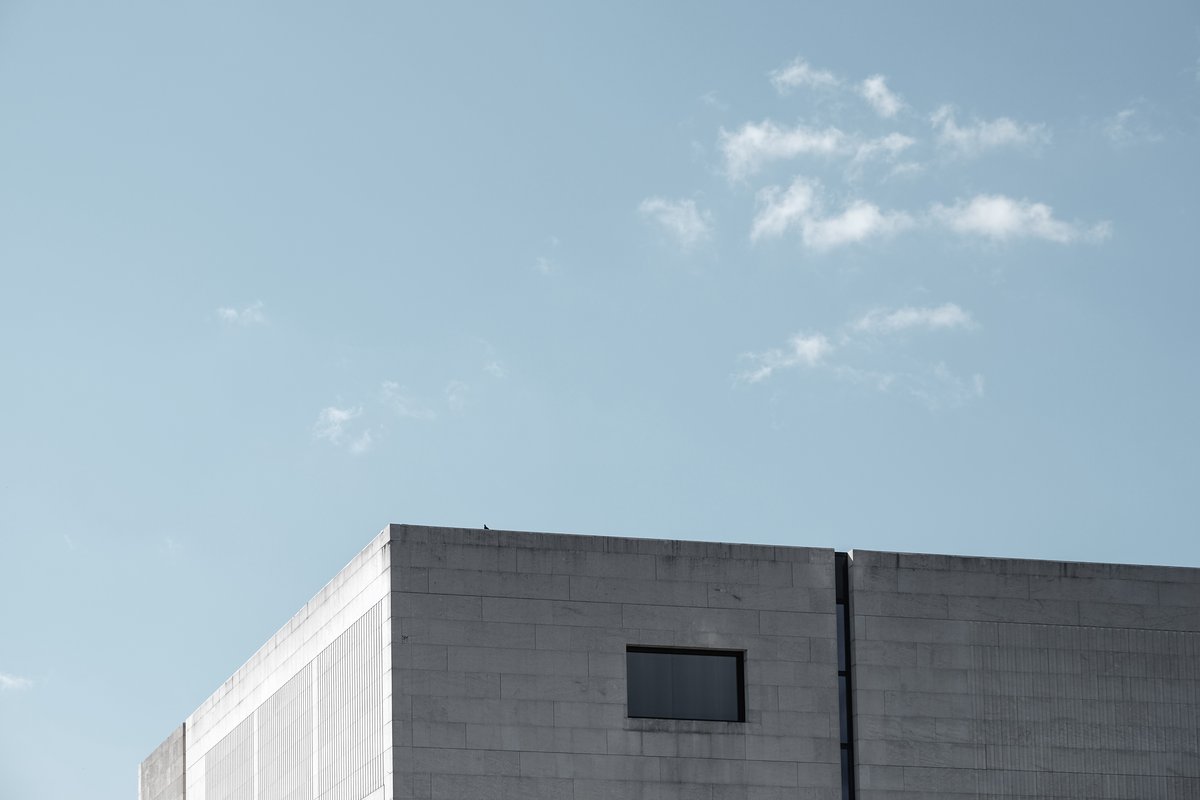
The kindergarten’s current building, the “Haus der Kinder,” was designed by architect Franz Schuster between 1929 and 1931. This modernist structure is celebrated for its abundant natural light, spaciousness, and child-friendly design—hallmarks of Vienna’s progressive approach to early education.
Educational Philosophy and Pedagogical Innovations
From its inception, Kindergarten Rudolfsplatz has prioritized child-centered, play-based learning inspired by Fröbel and later by Montessori. The curriculum is holistic, fostering cognitive, emotional, social, and physical development. Teachers at Rudolfsplatz are specially trained to nurture each child’s unique abilities, and the kindergarten maintains strong partnerships with families to ensure a supportive learning environment. The inclusion of children with special needs and multicultural backgrounds reflects Vienna’s broader social and educational values.
Social Significance and Impact
Kindergarten Rudolfsplatz and similar institutions have played a pivotal role in promoting social equity and cohesion in Vienna. With more than 2,700 daycare centers and over 5,100 kindergarten groups citywide, Vienna boasts some of the most accessible and comprehensive early childhood education services in Europe. Since 2009, kindergartens in Vienna have been tuition-free, upholding the city’s commitment to universal education and social justice. These measures have made kindergartens like Rudolfsplatz critical to Vienna’s ongoing efforts to integrate diverse communities and support working families.
Modern Developments and Continuing Legacy
In recent years, Vienna has continued to invest in early childhood education through initiatives such as the “kindergarten billion” and the Future Fund. These programs provide resources for expanding and improving facilities, staff training, and curriculum development. Kindergarten Rudolfsplatz benefits from these investments and remains an exemplar of Vienna's dedication to balancing tradition with innovation.
Visitor Information
Visiting Hours and Tickets
Kindergarten Rudolfsplatz is an active educational facility and is not open to daily public tours. However, during city-wide cultural festivals or special open days, guided visits may be offered. There is no entry fee, but advance registration is usually required for these events. Always consult Vienna’s official education website or contact the kindergarten directly for up-to-date information.
Accessibility
The kindergarten and Rudolfspark are both wheelchair accessible, with barrier-free paths and facilities. For specific needs or accommodations, it is best to contact the institution in advance.
Location and Travel Tips
Kindergarten Rudolfsplatz is conveniently located at Rudolfsplatz 5b, 1010 Vienna. The area is well-served by public transportation, with nearby tram and metro stops (including Stephansplatz and Schottenring stations). The central location allows easy exploration of Vienna’s historical core.
Nearby Attractions
While the kindergarten itself is not a typical tourist attraction, its location is ideal for discovering Vienna’s cultural sites. Within walking distance are major landmarks such as St. Stephen’s Cathedral, the Hofburg Palace, the Vienna State Opera, and several museums and cafés. Rudolfspark provides a peaceful green space for relaxation.
Frequently Asked Questions (FAQ)
Can I visit inside Kindergarten Rudolfsplatz?
The interior is not open for regular public visits; exceptions may be made during special events or open houses.
Is there an entry fee?
There is no fee for viewing the exterior or visiting Rudolfspark. Special events may require free advance registration.
Is the site accessible for visitors with disabilities?
Yes, both the kindergarten’s exterior and Rudolfspark are wheelchair accessible.
Are guided tours available?
Guided tours are occasionally offered during cultural festivals or enrollment periods. Check official sources for schedules.
Can I take photographs?
Photography of the building’s exterior and Rudolfspark is allowed; interior photography is restricted to protect children’s privacy.
Visual and Media Recommendations
- Include images of the “Haus der Kinder” with alt text: “Kindergarten Rudolfsplatz historic building in Vienna.”
- Use a map to show the location near Rudolfsplatz and nearby attractions.
- Feature photos of Rudolfspark and, if permitted, cultural events celebrated at the kindergarten.
Discover More
Kindergarten Rudolfsplatz is more than a place of learning—it is a living emblem of Vienna’s dedication to social progress, education, and architectural innovation. Although not a typical tourist destination, its story enriches the understanding of Vienna’s cultural and social fabric. Visitors are encouraged to appreciate the site’s architecture, explore Rudolfspark, and visit the many historical and cultural landmarks nearby.
To stay updated on visiting opportunities, educational events, and related attractions, consult Vienna’s official education platforms. Enhance your experience by downloading the Audiala app for guided tours and in-depth articles about Vienna’s heritage. Follow us on social media for the latest news, travel tips, and cultural highlights.
Listen to the full story in the app
Your Personal Curator, in Your Pocket.
Audio guides for 1,100+ cities across 96 countries. History, stories, and local insight — offline ready.
Audiala App
Available on iOS & Android
Join 50k+ Curators
Sources
- verified
- verified
- verified
- verified
- verified
- verified
Last reviewed: