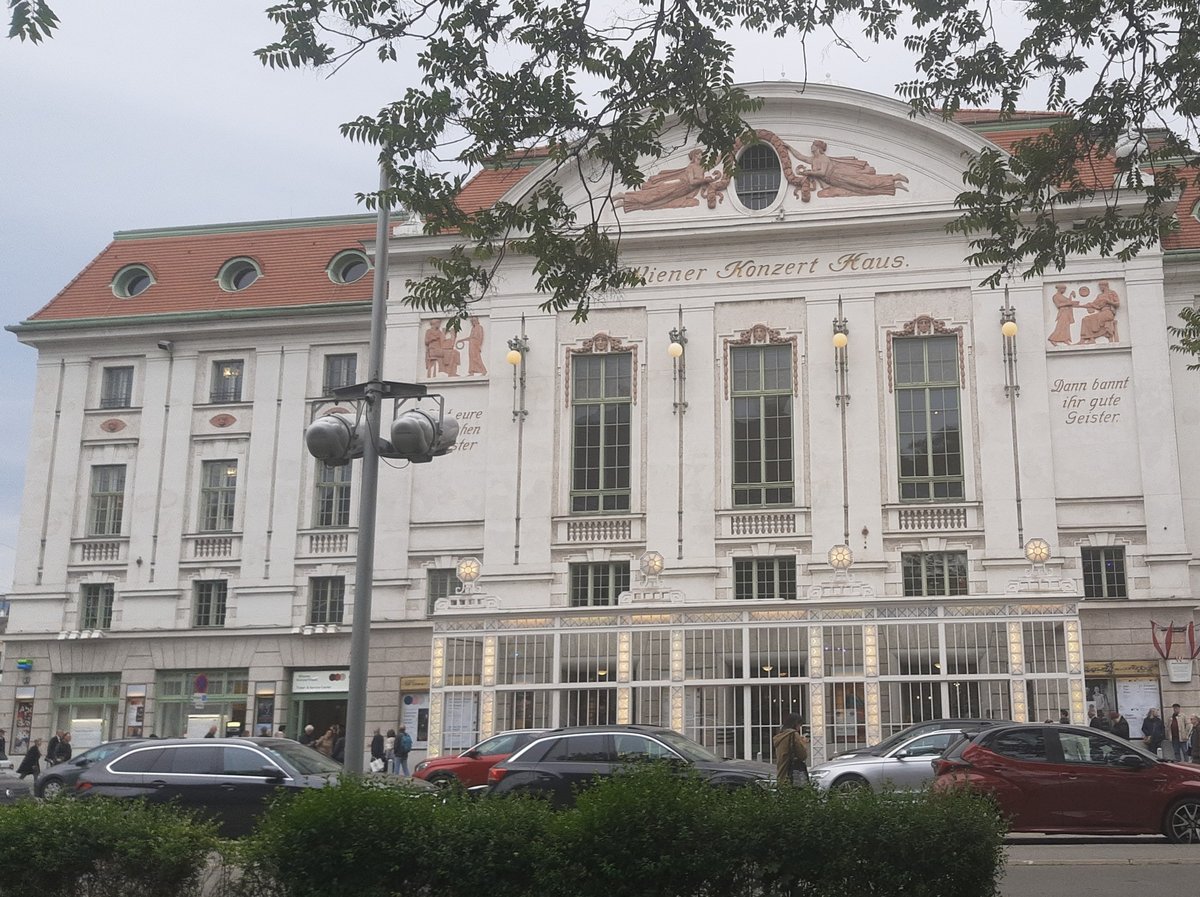
Introduction
Nestled in Vienna’s Alsergrund district, the Josephinum stands as a singular testament to the city’s rich medical, scientific, and cultural heritage. Founded in 1785 by Emperor Joseph II as an academy for military surgery, this neoclassical landmark bridges the Enlightenment’s ideals with the evolution of medical science. Today, it serves as both a museum and a vibrant center for public engagement, inviting visitors to explore centuries of medical innovation, artistic craftsmanship, and ethical reflection. From its world-renowned anatomical wax models to pioneering medical instruments and contemporary exhibitions, the Josephinum offers an immersive journey through the history and future of medicine (Josephinum official site, Vienna Info, MedUni Vienna News).
Photo Gallery
Explore Josephinum in Pictures
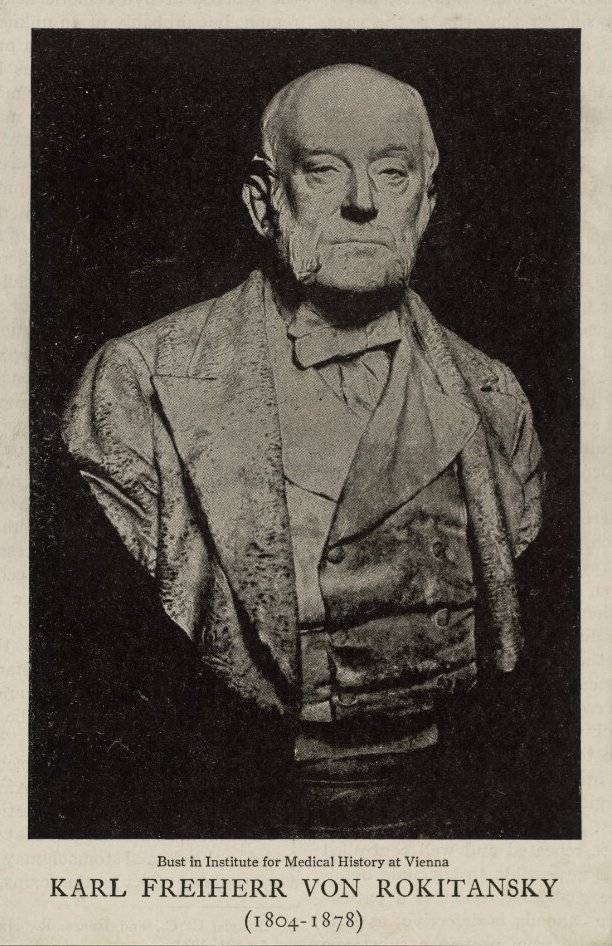
Detailed bust sculpture of Karl Freiherr von Rokitansky, a prominent figure in medicine and pathology.
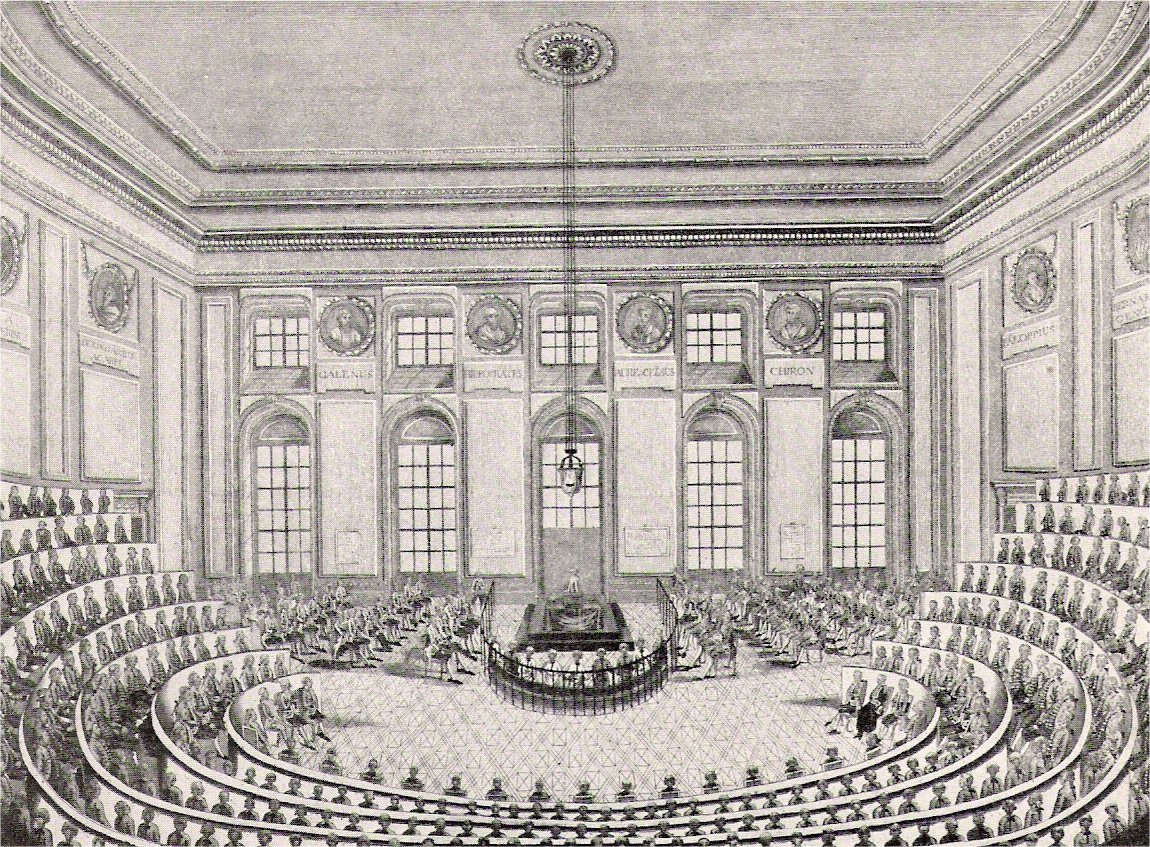
Colored copper engraving by Hieronymus Löschenkohl depicting the inauguration of the Josephinian military academy for surgery in Vienna on November 7th, 1785.
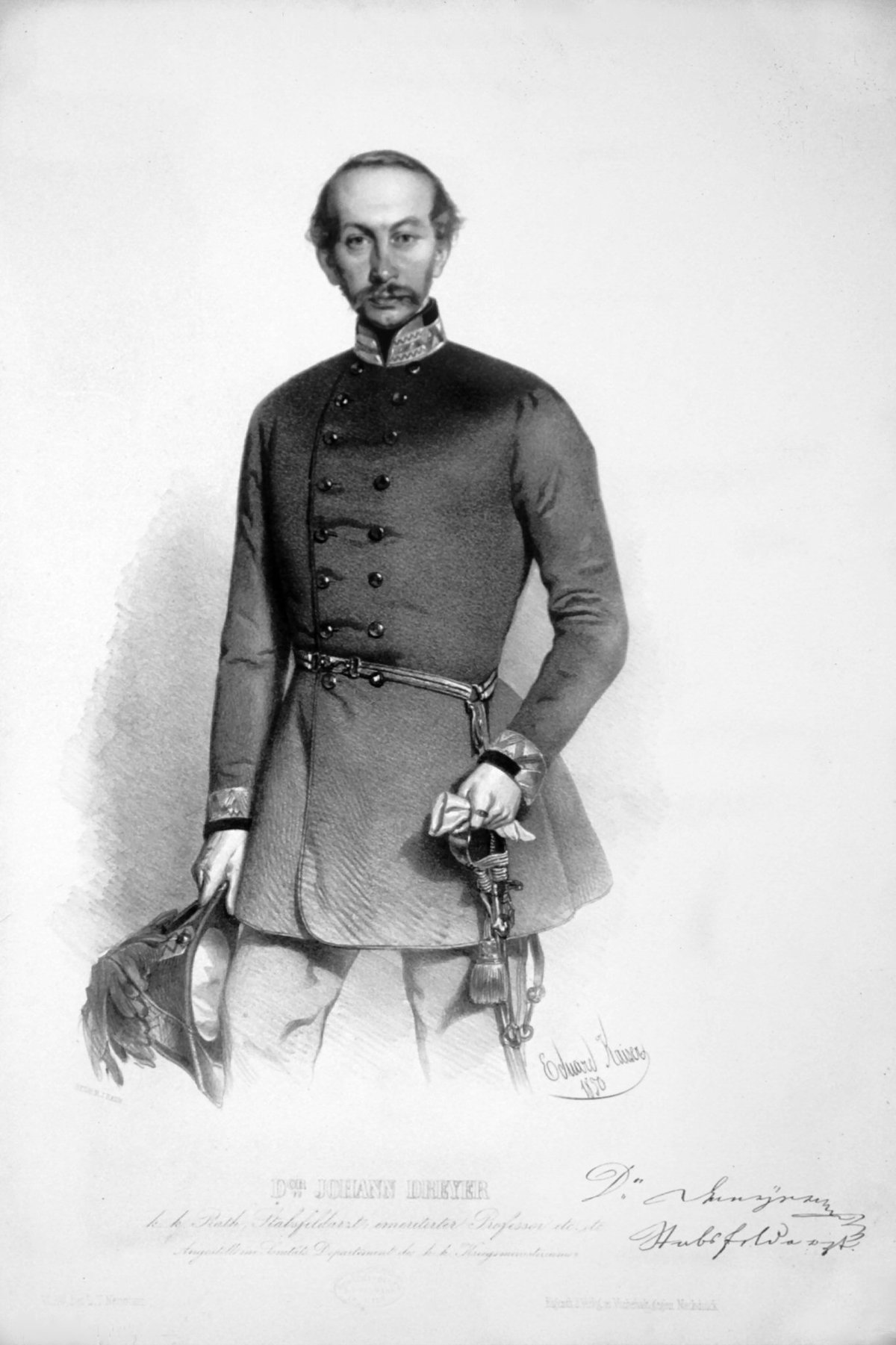
Lithograph of Johann Traugott Dreyer (1803-1871), German Hofrat, Generalmajor, ophthalmologist, chief field physician, and professor at the Josephs Academy, created by Eduard Kaiser.
Location and Accessibility
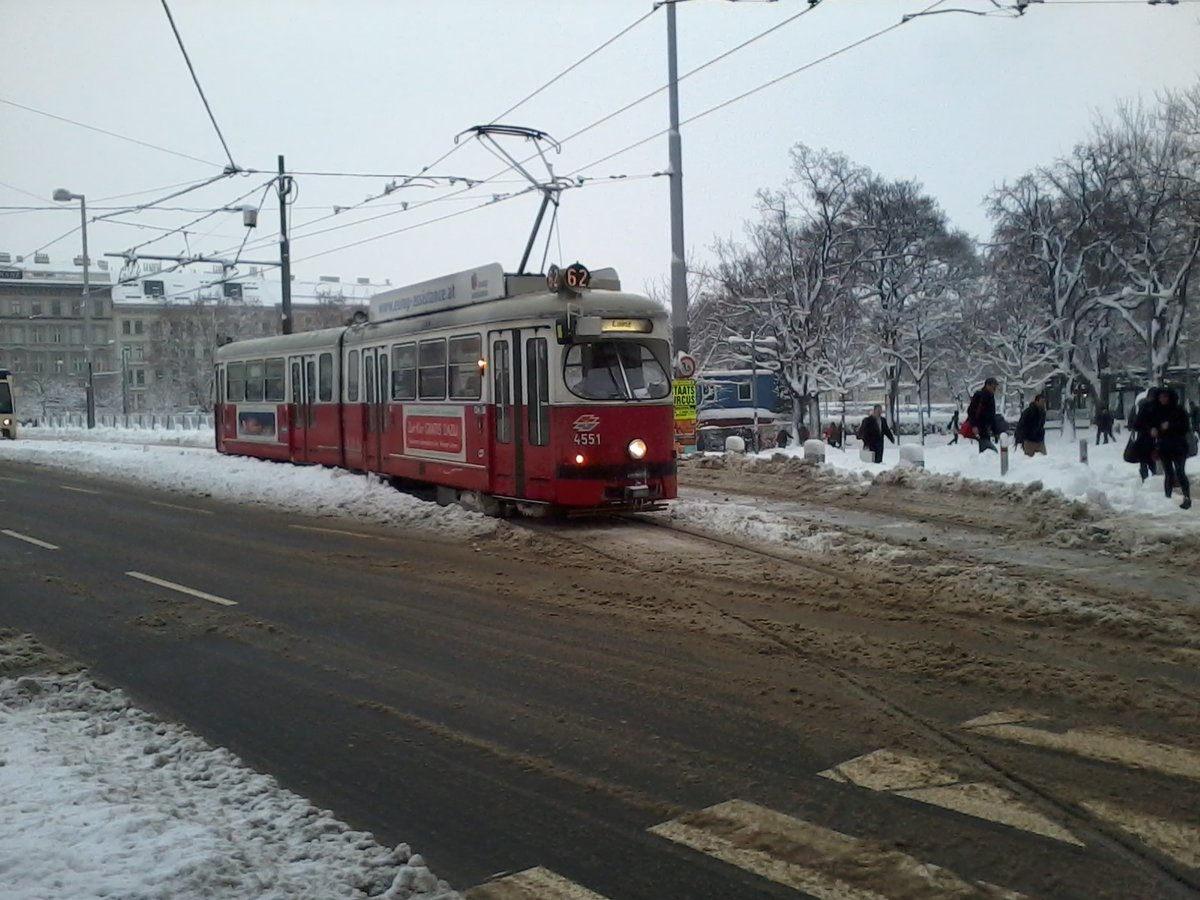
Situated at Währinger Strasse 25, 1090 Vienna, the Josephinum is centrally located in the academic Alsergrund district. It is easily accessible by public transport—U2 subway (Schottentor station), trams 37, 38, 40, 41, and 42 (Schwarzspanierstraße stop)—and is a short walk from Vienna’s city center. For those arriving by car, several parking garages are nearby, but visitors should note Vienna’s short-term parking regulations (Josephinum Visitor Information, Vienna Info).
All exhibition areas are wheelchair accessible with step-free routes and elevator access. Service animals are welcome, and accessible restrooms are provided. Additional accommodations can be arranged upon request.
Museum Layout and Collections
Neoclassical Setting and Atmosphere
Designed by Isidore Canevale, the Josephinum is a prime example of classicist Viennese architecture. Its historic auditorium, restored frescoes, and elegant façade—adorned by a statue of Hygieia—create an atmosphere that harmonizes rational Enlightenment ideals with architectural beauty (Josephinum official site, Medium article).
Inside, themed rooms lead visitors through:
- Medical and surgical instruments (18th–20th centuries)
- Obstetrics and ophthalmology
- The extensive anatomical wax model collection
Anatomical Wax Models
The highlight of the Josephinum is its collection of 1,192 anatomical wax models, crafted in Florence under Paolo Mascagni’s supervision and transported to Vienna in the 1780s. These models, including the celebrated “Anatomical Venus,” demonstrate exquisite anatomical detail and artistic inspiration influenced by Michelangelo and Baroque art. Originally designed as teaching aids, the wax figures remain unparalleled in their educational and artistic value (Vienna.net Medical Museum, Vienna.net).
Medical Instruments and Historical Artifacts
The museum’s holdings span centuries of medical progress. Notable items include:
- The world’s first endoscope (1806) by Philipp Bozzini
- Surgical instruments commissioned by Joseph II’s physician, Giovanni Alessandro Brambilla
- Franz Joseph Gall’s skull for brain localization studies
- Sigmund Freud’s handwritten CV
- The file used in the assassination of Empress Elisabeth
These artifacts showcase Vienna’s central role in medical innovation and are displayed alongside rare documents and educational materials (Josephinum Recent Exhibitions, Austria by Öffis).
Library and Archives
The Josephinum’s library, dating to 1786, is one of Austria’s most significant medical archives, containing volumes from the 15th century onward. It is open to the public for research and exploration (Vienna Info).
Permanent and Special Exhibitions
Commemorative Year 2025
To mark 235 years since Emperor Joseph II’s death, the Josephinum is hosting a year-long program of tours, lectures, and exhibitions. The opening event in February 2025 featured talks by leading historians, music performances, and readings from Joseph II’s era. The commemorative program will culminate in November with the 240th anniversary of the Josephinum building’s opening (MedUni Vienna News).
“Forever Forward – Katalin Karikó” Exhibition
This major special exhibition celebrates Nobel laureate Katalin Karikó’s contributions to mRNA technology. Opened in May 2025, it provides historical context and highlights the museum’s ongoing engagement with contemporary scientific breakthroughs. The exhibition is complemented by a visual presentation at the Collegium Hungaricum Vienna (University of Szeged News).
Guided Tours and Educational Experience
The Josephinum offers guided tours in German, English, Japanese, and French. Regular tours focus on the wax model collection and museum highlights, with group and private tours available by arrangement. Fees vary based on group size and language; advance booking is recommended (Josephinum Visitor Information).
The museum also provides educational programs for schools and universities, and frequently hosts lectures and thematic events addressing both historical and current medical challenges.
Practical Information
Visiting Hours
- Wednesday–Saturday & Public Holidays: 10:00 a.m. – 6:00 p.m.
- Thursday: Open until 8:00 p.m.
- Closed: Sundays, Mondays, and Tuesdays
- Last admission: 45 minutes before closing (Josephinum Visitor Information)
Tickets and Admission
- Standard ticket: €15
- Discounts: Students (up to 27), youth (up to 18), pensioners (65+), people with disabilities, and Austrian compulsory service personnel (ID required)
- Free admission: Children up to 12, ICOM members, Friends of the Josephinum
- Vienna City Card: 20% discount (Vienna Info)
- Purchase: On-site only (no online sales at present); card payments accepted
Accessibility & Facilities
- Step-free access and elevators throughout
- Service animals permitted
- Accessible restrooms
- Lockers for bags and backpacks
- Photography permitted for personal use (no flash)
- Exhibition content includes anatomical models with nudity
Visitor Tips
- Plan 1.5–2 hours for your visit
- Book tours in advance, especially during major exhibitions
- Nearby affordable dining: UNI-ECK and other local cafés (Austria by Öffis)
Nearby Attractions
Enhance your experience by visiting other cultural and scientific landmarks nearby, such as:
- Sigmund Freud Museum
- Medical University of Vienna campus
- Vienna General Hospital
- Historic university district
These sites collectively showcase Vienna’s pivotal role in scientific advancement.
Frequently Asked Questions (FAQ)
What are the Josephinum’s opening hours?
Wednesday to Saturday, 10:00–18:00 (Thursday until 20:00); closed Sundays to Tuesdays.
How much are tickets?
Standard admission is €15, with discounts and free entry for eligible groups.
Are guided tours available?
Yes, in several languages; book in advance for group or themed tours.
Is the Josephinum accessible?
Fully accessible with elevator and step-free routes.
Can I buy tickets online?
Currently, tickets are sold on-site only.
Are there nearby attractions?
Yes, including the Freud Museum and Vienna’s university quarter.
Cultural and Educational Value
The Josephinum is an internationally regarded repository of medical history and a living monument to Vienna’s scientific legacy. Its collections and exhibitions engage visitors in exploring ethical dimensions of medicine, the intersection of art and science, and the impact of historical reforms. The museum’s educational outreach and commemorative events underscore its pivotal role in public scholarship (Josephinum Collections).
Preservation and Legacy
Preserving the legacy of the Viennese Medical School, the Josephinum continues to expand its collections and collaborate with research institutions. Its strategy emphasizes both conservation and active acquisition, ensuring ongoing relevance for scholars, students, and the public (Josephinum official site).
Josephinum’s Role in Viennese Identity
As one of the few surviving Enlightenment-era buildings associated with Emperor Joseph II, the Josephinum stands as a symbol of reform, rationality, and progress. Its architectural and cultural prominence reflects Vienna’s identity as a center of learning and humanistic values (Medium article).
Future Directions
The Josephinum continues to serve as a bridge between past and present by addressing contemporary issues in medicine, ethics, and society. Through exhibitions, lectures, and partnerships, it fosters dialogue and education, ensuring its role as a dynamic participant in Vienna’s scientific and cultural landscape (Josephinum official site).
Listen to the full story in the app
Your Personal Curator, in Your Pocket.
Audio guides for 1,100+ cities across 96 countries. History, stories, and local insight — offline ready.
Audiala App
Available on iOS & Android
Join 50k+ Curators
Sources
- verified
- verified
- verified
- verified
- verified
- verified
- verified
- verified
- verified
Last reviewed: