Introduction
The Hochstrahlbrunnen, an iconic landmark located in Vienna, Austria, is a testament to the city’s rich historical and architectural heritage. More than just a fountain, this magnificent structure commemorates a pivotal moment in Vienna’s urban development – the completion of the First Vienna Mountain Spring Pipeline in 1873. The pipeline brought fresh, clean water from the Styrian-Lower Austrian Alps to the heart of Vienna, significantly improving public health and quality of life (wien.info). The Hochstrahlbrunnen, designed by architect Anton Gabriël, was constructed as a grand tribute to this engineering marvel, symbolizing Vienna’s triumph over water scarcity and its commitment to progress and public welfare.
Architecturally, the Hochstrahlbrunnen is a blend of Baroque inspiration and Historicist interpretation. Its towering central arch, adorned with sculptures representing Austrian rivers and mythological figures, reflects the grandeur and ambition of the Habsburg Empire during the 19th century (secession.at). The fountain’s illuminated water jets and intricate details make it a captivating sight, especially in the evening, drawing both locals and tourists to Schwarzenbergplatz for a glimpse of this historic monument. This guide provides a comprehensive overview of the Hochstrahlbrunnen’s history, architectural significance, visitor information, and nearby attractions, ensuring you make the most of your visit to this Viennese treasure.
Photo Gallery
Explore Hochstrahlbrunnen in Pictures
Front view of the DHK building located at Schwarzenbergplatz 5, 1030 Vienna, showcasing its architectural design.
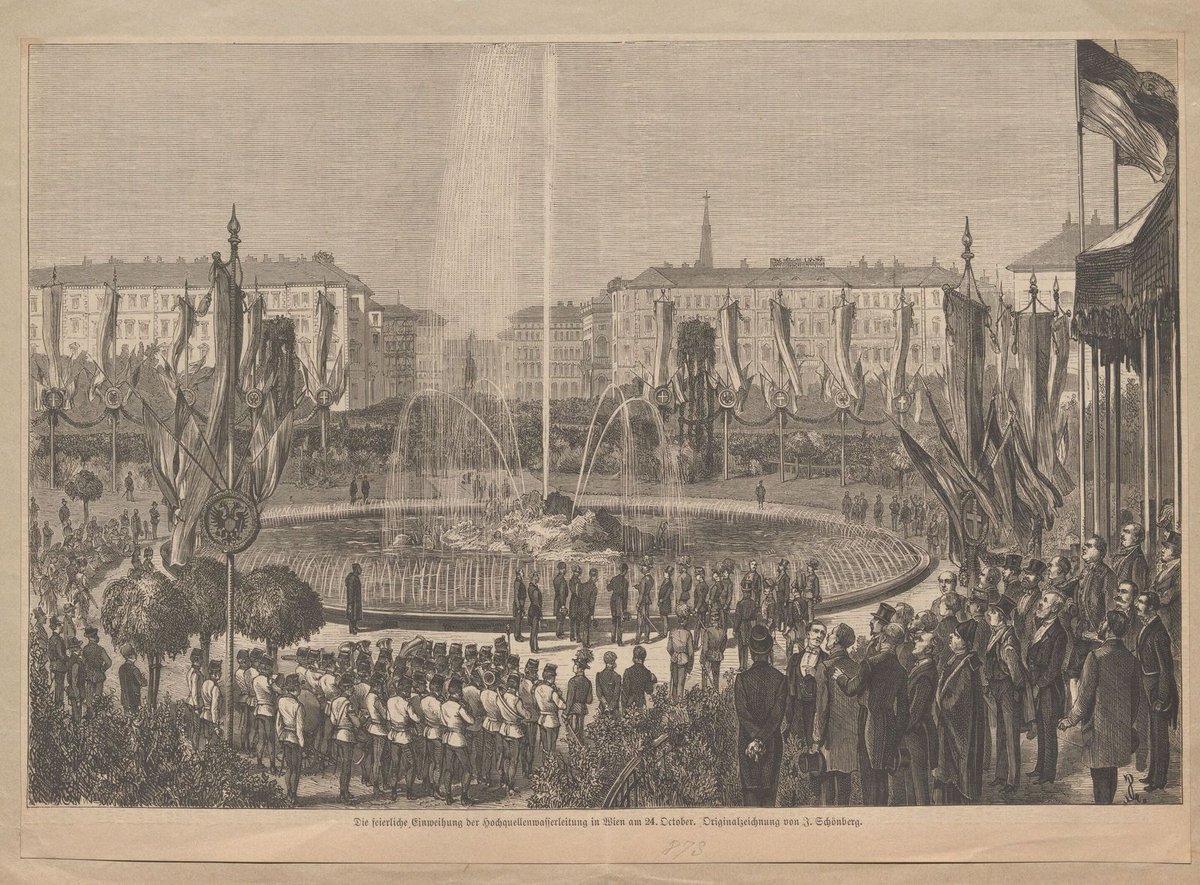
Photograph depicting the opening ceremony of the Viennese high source water pipeline in 1873, showcasing historical significance in Vienna's water infrastructure development.
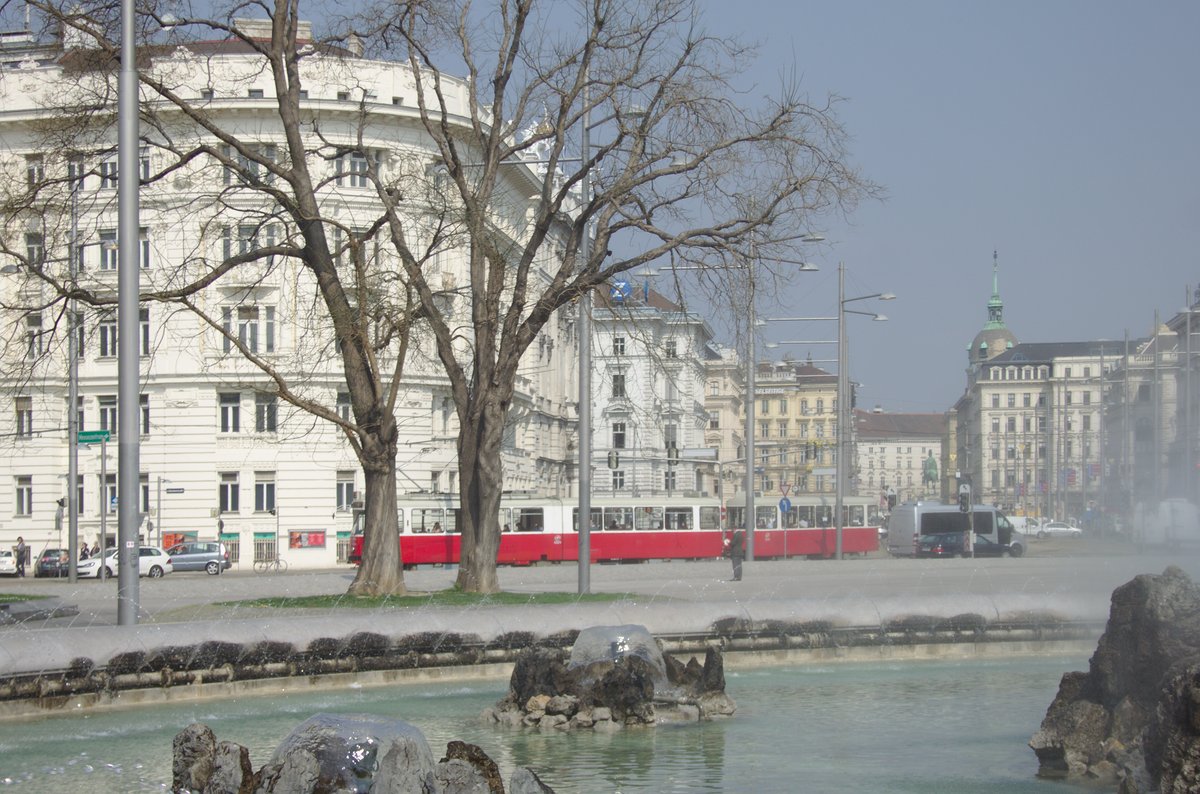
Hochstrahlbrunnen fountain located in Frankfurt, Germany, showing impressive water jets and historic architecture in the surrounding area under a blue sky
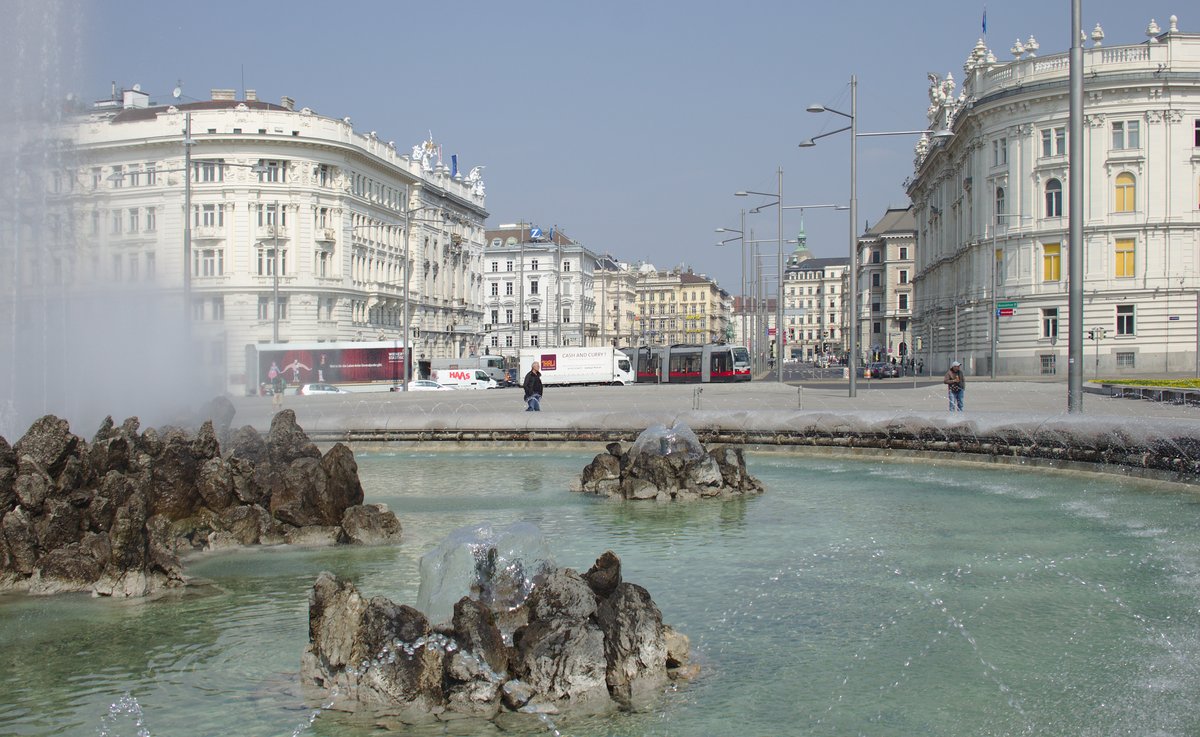
High-resolution image of the Hochstrahlbrunnen, a monumental water fountain in Vienna, Austria, featuring a powerful water jet and ornate sculptures with a clear blue sky background
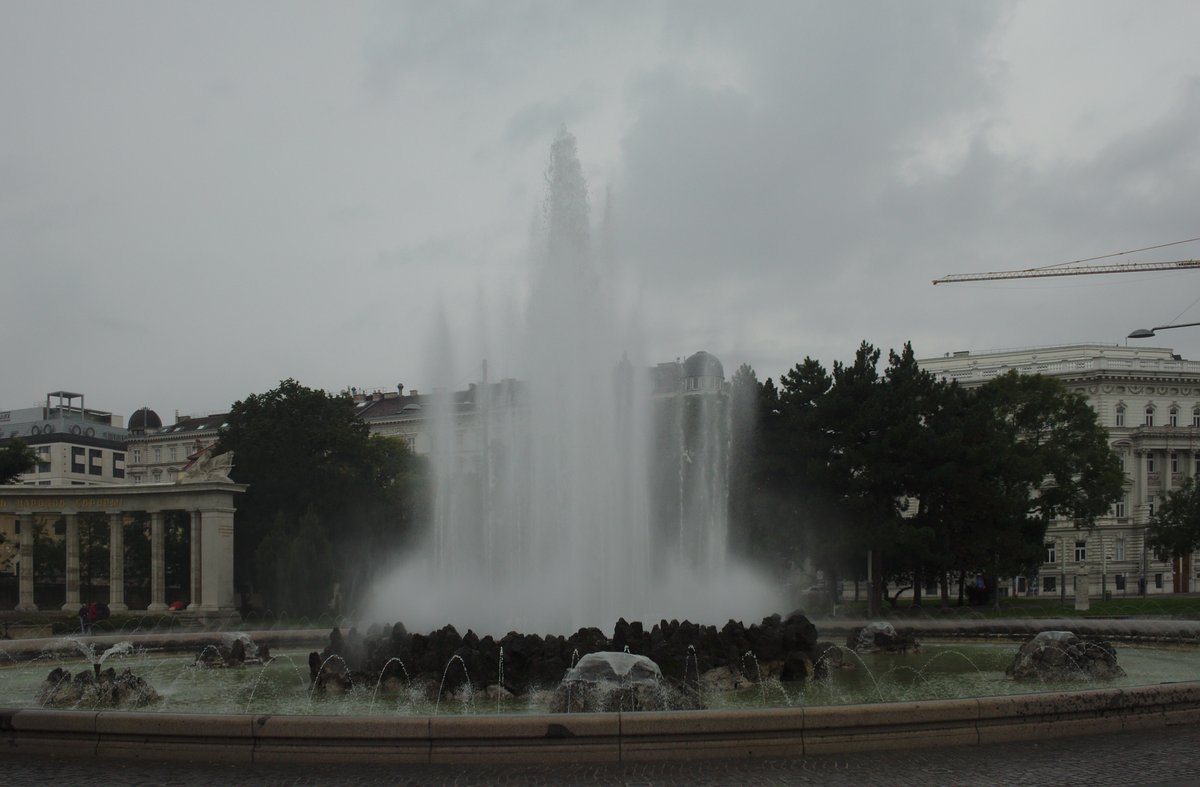
Night view of the Hochstrahlbrunnen fountain in Stuttgart, Germany, featuring tall water jets illuminated by colorful lights.
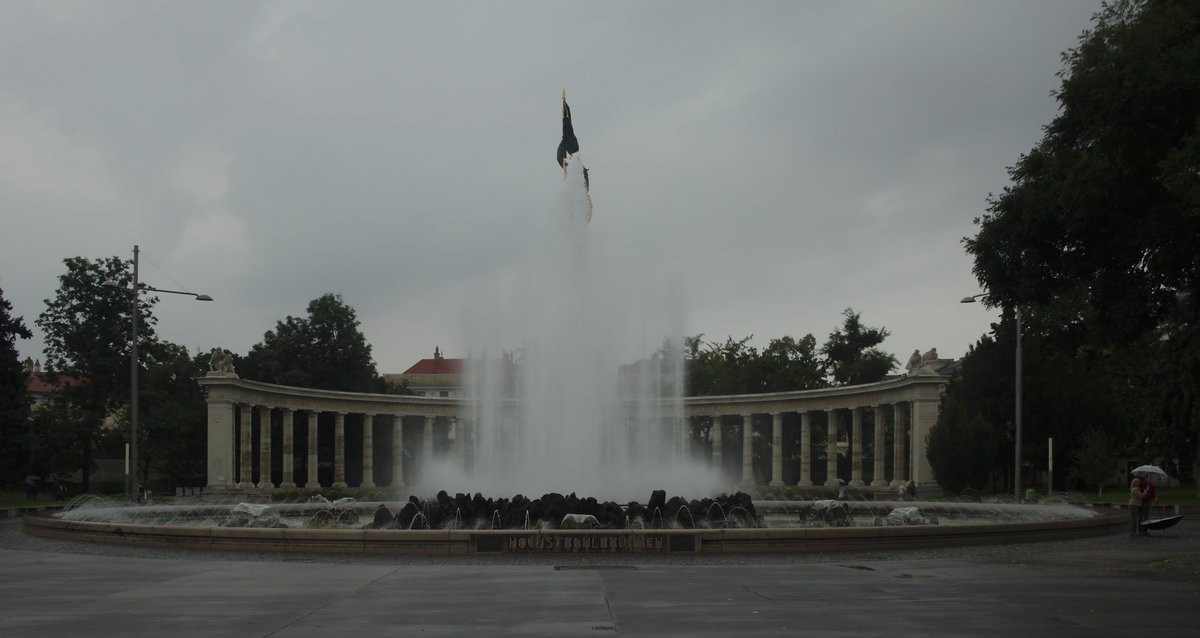
View of the Hochstrahlbrunnen fountain located in Stadtpark, Vienna featuring water jets and surrounding greenery under a sunny sky
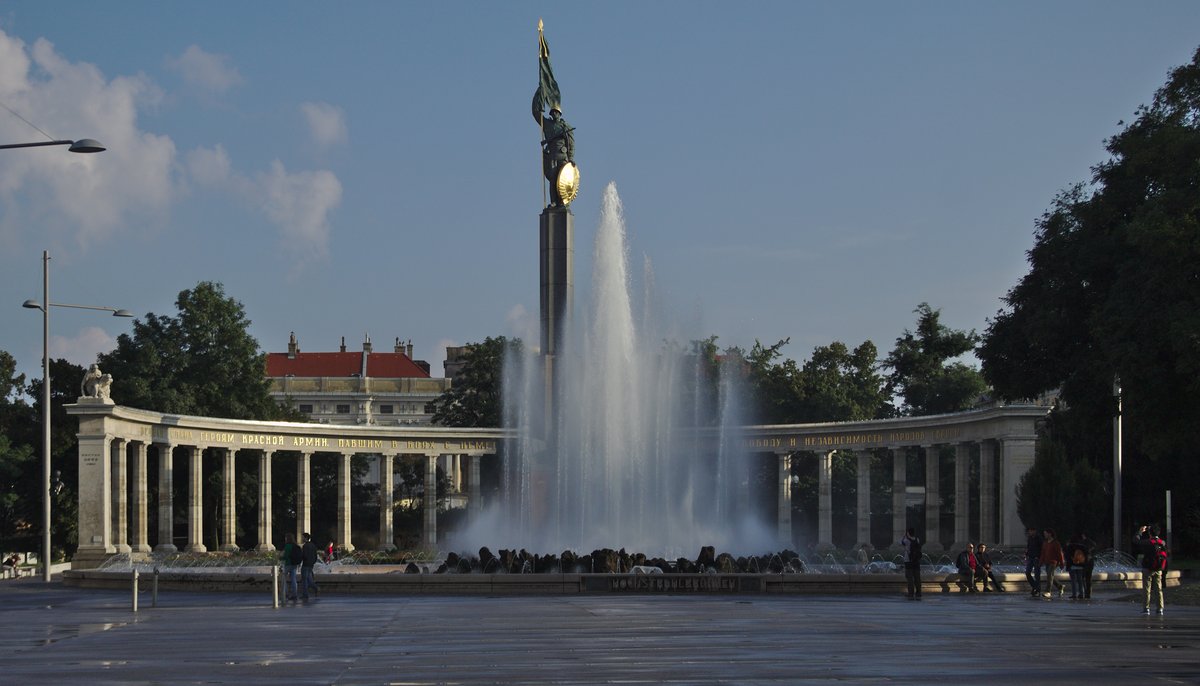
Hochstrahlbrunnen, a historic and iconic fountain located in Vienna, Austria, known for its impressive high water jet and artistic design
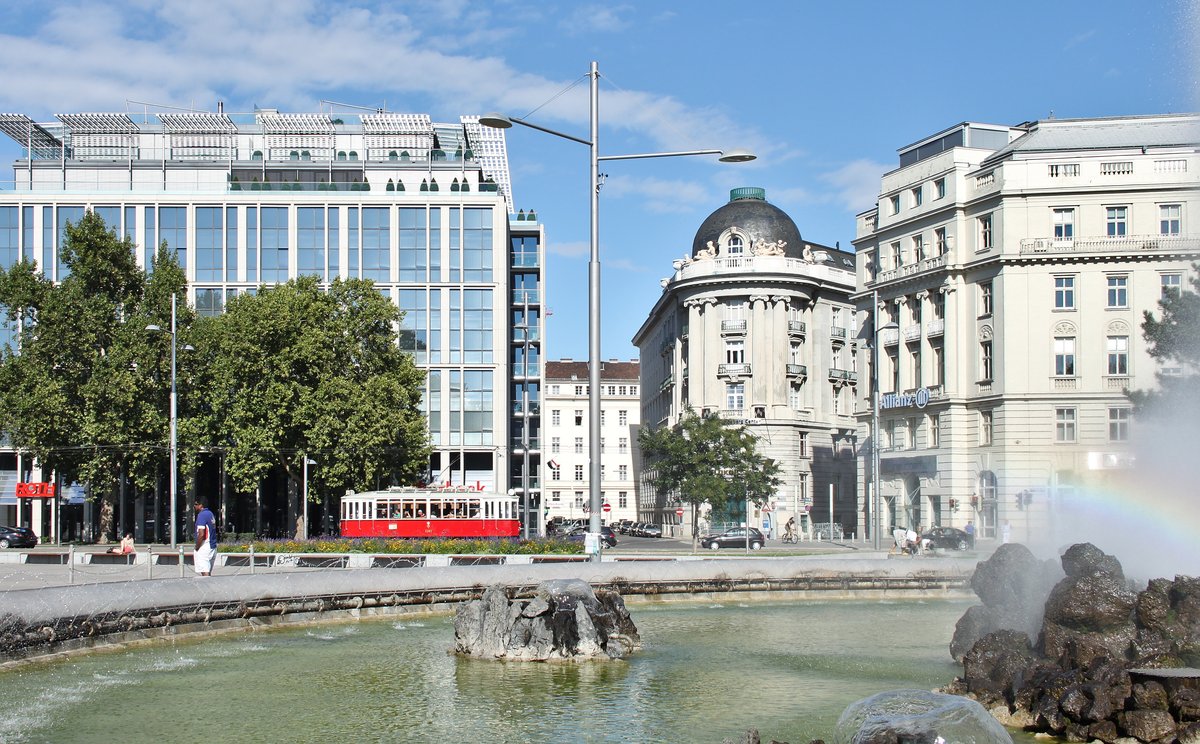
Image of Hochstrahlbrunnen fountain in Vienna, featuring high water jets and a scenic surrounding park on a clear day
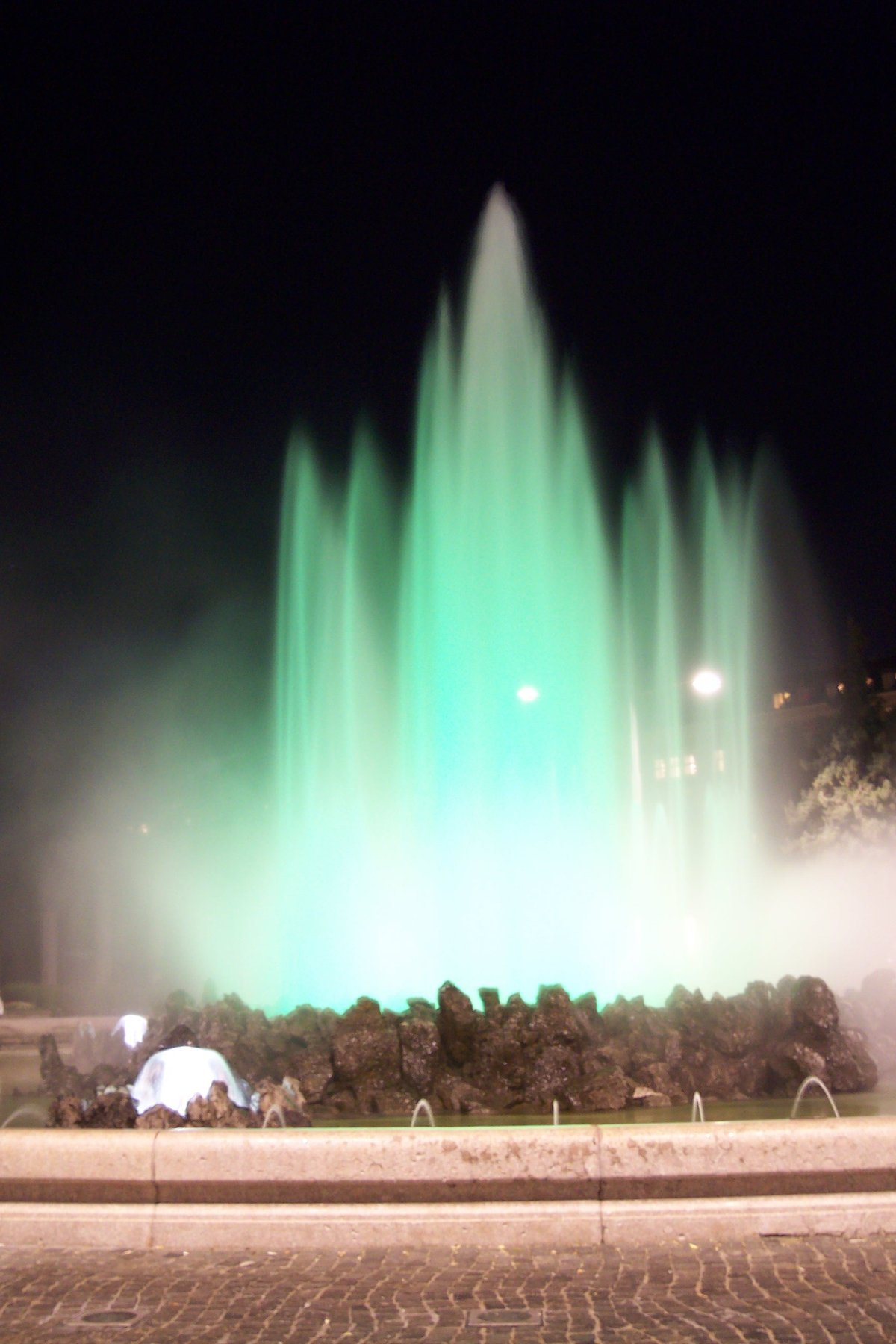
Hochstrahlbrunnen fountain beautifully lit with green illumination during nighttime, highlighting its water jets and structure.
Historical Background and Significance
The First Vienna Mountain Spring Pipeline
Recognizing the urgent need for a clean and reliable water source, Emperor Franz Joseph I initiated a monumental project in the mid-19th century - the construction of the First Vienna Mountain Spring Pipeline (wien.info). This engineering marvel, completed in 1873, brought pristine water from the Styrian-Lower Austrian Alps, over 100 kilometers away, to the heart of Vienna.
Celebrating the Pipeline: Birth of the Hochstrahlbrunnen
The Hochstrahlbrunnen, designed by architect Anton Gabriël, was conceived as a grand tribute to this remarkable feat of engineering. Unveiled in 1873, the fountain served a dual purpose - a functional water tower regulating pressure in the pipeline and a spectacular public monument celebrating the arrival of fresh water.
Architectural Grandeur and Symbolism
The fountain's design, drawing inspiration from Roman triumphal arches, reflects the grandeur of the era and the significance of the project. The towering central arch, adorned with sculptures representing the rivers Enns, Ybbs, and Danube, symbolizes the source of the water and its journey to Vienna.
The Hochstrahlbrunnen Through the Years
Over the decades, the Hochstrahlbrunnen has witnessed significant historical events and undergone transformations:
- Early 20th Century: The fountain became a popular gathering spot, its basin used for ice skating in winter.
- World War II: Damaged during the war, the fountain underwent restoration and resumed operation in 1952.
- Modern Times: Today, the Hochstrahlbrunnen remains a beloved landmark, its illuminated water jet a captivating sight, especially during special events.
Visitor Information
Ticket Prices and Opening Hours
The Hochstrahlbrunnen is a public monument, and there is no admission fee to visit. The area is open 24/7, but the best viewing times are during the evening when the fountain is illuminated.
Guided Tours
While no specific tours are dedicated solely to the Hochstrahlbrunnen, many guided city tours include a stop at this iconic fountain. Check local tour providers for options that suit your schedule.
Travel Tips
Best Times to Visit
The Hochstrahlbrunnen is particularly beautiful during the evening when the lights enhance its majestic appearance. Spring and summer are ideal seasons as the weather is pleasant.
How to Get There
The fountain is conveniently located near Schwarzenbergplatz, which is accessible by public transport. Trams 1, 2, 71, and D, as well as the U-Bahn U1, make stops nearby.
Nearby Attractions
While visiting the Hochstrahlbrunnen, consider exploring other nearby historical sites:
- Belvedere Palace: A stunning baroque palace complex with art museums and beautiful gardens.
- St. Charles's Church (Karlskirche): An architectural masterpiece and a must-visit landmark.
- Vienna State Opera: One of the world's leading opera houses, offering guided tours and performances (wiener-staatsoper.at).
Accessibility
The area around the Hochstrahlbrunnen is accessible to visitors with disabilities. Paved pathways and ramps provide easy navigation.
Special Events
Throughout the year, the Hochstrahlbrunnen often serves as the backdrop for various cultural and public events. Check the local event calendar for any upcoming activities.
Photographic Spots
For the best photos of the Hochstrahlbrunnen, consider these locations:
- Schwarzenbergplatz: Offers a wide view of the fountain and its surroundings.
- Evening Hours: Capture the illuminated fountain with its vibrant water jets.
FAQ
Q: Is there an admission fee to visit the Hochstrahlbrunnen? A: No, the Hochstrahlbrunnen is a public monument and is free to visit.
Q: What are the best times to visit the Hochstrahlbrunnen? A: The fountain is particularly beautiful in the evening when it is illuminated. Spring and summer are ideal seasons for a visit.
Q: How can I get to the Hochstrahlbrunnen? A: The fountain is located near Schwarzenbergplatz and is accessible by trams 1, 2, 71, and D, as well as the U-Bahn U1.
Q: Are there guided tours available? A: While no specific tours are dedicated to the Hochstrahlbrunnen, many city tours include it as a stop. Check with local tour providers.
Q: Is the Hochstrahlbrunnen accessible to visitors with disabilities? A: Yes, the area around the fountain is accessible with paved pathways and ramps.
Listen to the full story in the app
Your Personal Curator, in Your Pocket.
Audio guides for 1,100+ cities across 96 countries. History, stories, and local insight — offline ready.
Audiala App
Available on iOS & Android
Join 50k+ Curators
Sources
- verified
- verified
- verified
Last reviewed: