Introduction
Vienna is famed for its imperial heritage, artistic achievements, and vibrant cultural evolution. Tucked within its historic cityscape lies the legacy of the Hetztheater, an 18th-century open-air amphitheater that once enthralled crowds with animal-baiting spectacles. Established in 1755 in the Landstraße district, the Hetztheater was not just a site of entertainment but a reflection of the city’s shifting social values, linguistic heritage, and attitudes toward spectacle and animal welfare. Though the original structure was lost to fire in 1796, the memory of the Hetztheater survives in Vienna’s urban landscape and culture.
This guide offers a comprehensive look at the Hetztheater’s origins, its unique role in Vienna’s history, practical information for visitors to the site today, and tips for making the most of your exploration of this fascinating chapter in Vienna’s past. Whether you are a history enthusiast, a traveler seeking to uncover hidden gems, or a lover of urban cultural stories, the Hetztheater provides a compelling window into Vienna’s transformation from the Baroque era to the present day (Austria-Forum; Habsburger.net; The Vienna Review; Vienna.info).
Photo Gallery
Explore Hetztheater in Pictures

The final Hetz-Zettel poster from the k.k. privilegirten Hetzamphitheaters under den Weissgerbern theatre in Vienna dated September 1, 1796, the day of the Hetztheater fire, archived in the Vienna Library.

Photograph showing the exterior facade of Hetztheater, a historic theater located in Vienna, Austria.

Photograph showing the illuminated exterior of Hetztheater in Vienna during nighttime.

Historical image depicting the Hetztheater in Vienna engulfed in flames on September 1, 1796, illustrating a significant event in the theater's history.
Origins and Construction
The Hetztheater, officially known as the "k. k. privil. Hetzamphitheater unter den Weißgerbern," was constructed in 1755 under the direction of the French impresario Carl Defraine. Situated on Hetzgasse in Vienna’s Landstraße district, it was specifically designed to host animal-baiting events—a popular form of entertainment in the Baroque era. The theater was inspired by Roman amphitheaters, featuring tiered wooden seating for up to 3,000 spectators, making it the largest theater in Vienna at the time (Austria-Forum).
Before the Hetztheater’s construction, animal-baiting events were held in various locations, including Leopoldstadt and at the inn "Zum schwarzen Adler." Defraine’s purpose-built amphitheater institutionalized these spectacles and drew large, diverse crowds.
Structure and Operations
The Hetztheater was an open-air, roofless structure, so events took place primarily on Sundays and holidays from March to November in good weather. An orchestra provided musical accompaniment—often in the form of exotic "Turkish" music—to heighten the spectacle. Event flyers, known as "Hetzzettel," were distributed throughout Vienna to attract audiences from all walks of life. Proceeds from ticket sales were partly used to fund Vienna’s poor-relief system, the "Cassa Pauperum" (Habsburger.net).
Events and Social Practices
The central attraction was the "Tierhetze"—staged combats between exotic animals such as bears, lions, panthers, and bulls, or between wild animals and trained dogs. These events blended aristocratic hunting traditions with public amusement, institutionalizing animal-baiting as a regular entertainment form in Vienna’s social calendar (Austria-Forum).
Management and Notable Figures
After Defraine’s death in 1768, the Hetztheater was managed by the imperial theatrical administration and leased to various notable figures, including Giuseppe Affissio and Anton and Johann Duschl. The venue maintained its popularity until the end of the 18th century, reflecting both changing tastes and growing criticism of animal cruelty (Austria-Forum).
Social and Cultural Significance
The Hetztheater was a key site in Vienna’s Baroque and Enlightenment period, serving as a melting pot where all social classes mingled. While similar amphitheaters existed in other European cities, Vienna’s Hetztheater stood out for its size, regular programming, and broad appeal. The theater left its mark on Viennese language: the word "Hetz" (fun, amusement) originated from its name, and the phrase “Des woar a Hetz!” ("That was fun!") is still used today (The Vienna Review).
Criticism, Decline, and Aftermath
By the late 18th century, Enlightenment thinkers increasingly criticized the Hetztheater for its brutal spectacles, arguing they clashed with values of reason and compassion. On September 1, 1796, a fire destroyed the theater, killing several animals and ending its existence. Emperor Franz II refused to grant new licenses for animal-baiting events, signaling a shift in public attitudes and officially ending this form of entertainment in Vienna (Habsburger.net).
Today, the theater’s legacy survives through the street name Hetzgasse and the lasting influence on Viennese language and culture.
Visiting the Hetztheater Site Today
Location and Access
- Address: Hetzgasse, 1030 Vienna, Landstraße district.
- Getting There:
- Public transport: The Landstraße (U3/U4) U-Bahn station and tram lines 1 and O provide easy access.
- Walking/Cycling: The area is pedestrian- and bike-friendly.
- On-site Marker: A commemorative plaque at Hetzgasse 8 marks the location of the former theater (wien.info).
What to See & Do
- Commemorative Plaque: Read about the Hetztheater’s history (bring a translation app if needed).
- Themed Walking Tours: Some guided city tours of Landstraße and hidden Vienna include the Hetztheater site (viennatouristinformation.com).
- Explore the District: Stroll Hetzgasse, Löwengasse, and surrounding streets for a sense of the neighborhood’s transformation from its 18th-century roots.
Accessibility and Visitor Support
- Physical Accessibility: Hetzgasse and nearby streets are flat and wheelchair-friendly.
- Guided Tours for All: Multilingual and inclusive tours (including tactile and sign-language options) are available (wien.info).
- Facilities: While there are no dedicated visitor facilities on-site, cafés, restaurants, and accessible restrooms are nearby.
Nearby Attractions
- Kunst Haus Wien: Hundertwasser’s art and ecological museum.
- Belvedere Palace: Baroque art and architecture.
- Wien Mitte and Stadtpark: Parks, shopping, and green spaces.
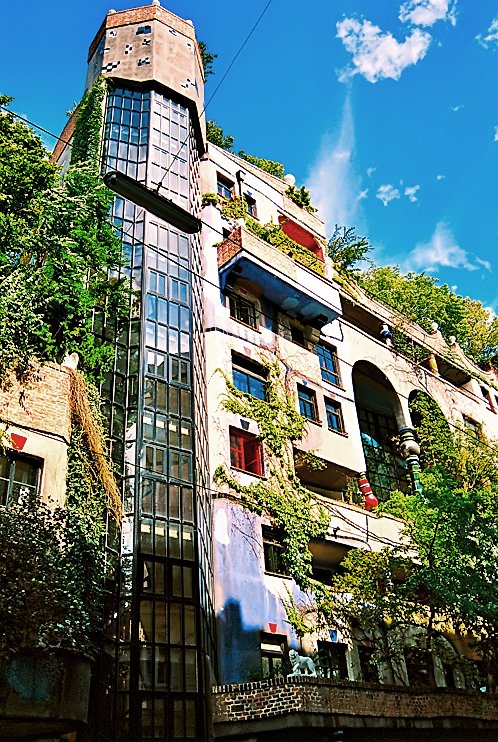
- Hundertwasserhaus: A renowned example of Vienna’s modern architecture.
Practical Travel Tips
- Best Time to Visit: Spring and autumn for pleasant weather; the site is open year-round.
- Photography: Welcome, but respect the residential character of the area.
- Duration: 15–30 minutes for the site itself; longer if exploring nearby attractions.
- Vienna City Card: Consider for public transport discounts and attraction offers (viennatouristinformation.com).
- App Support: The ivie app offers maps, audio guides, and accessibility information.
Guided Tours
- Guided walking tours of Vienna’s historic neighborhoods often include stories about the Hetztheater and its cultural significance. Check local tourism offices or online platforms (Vienna Classic).
Frequently Asked Questions (FAQ)
Q: Can I visit the Hetztheater today?
A: The original theater is gone, but the site is marked on Hetzgasse and can be visited at any time.
Q: Are there tickets or set visiting hours?
A: No. The site is outdoors and free to access 24/7.
Q: Is the area accessible for people with disabilities?
A: Yes, the site is wheelchair-friendly and included in accessible guided tours (wien.info).
Q: What are the main nearby attractions?
A: Kunst Haus Wien, Belvedere Palace, Stadtpark, and Hundertwasserhaus are all within walking or short tram distance.
Q: Are tours available?
A: Yes, several walking tours feature the site, often as part of broader explorations of Vienna’s hidden histories.
Summary and Visitor Recommendations
The Hetztheater’s story is emblematic of Vienna’s journey from Baroque spectacle to modern cultural capital. Its influence is still felt in local language, urban identity, and Vienna’s embrace of more refined forms of entertainment. Today, visitors can explore Hetzgasse and the commemorative plaque, combining their experience with nearby landmarks for a deeper appreciation of Vienna’s layered history.
For the most enriching visit:
- Pair the Hetztheater site with a guided tour of Landstraße.
- Use Vienna’s efficient public transportation for easy access.
- Download the ivie app or Vienna City Card for navigation, discounts, and accessibility info.
- Explore nearby cultural and architectural highlights for a full day in Vienna’s historic heart.
Stay connected to Vienna’s vibrant cultural scene with the Audiala app, and consult official tourism channels for up-to-date information.
Listen to the full story in the app
Your Personal Curator, in Your Pocket.
Audio guides for 1,100+ cities across 96 countries. History, stories, and local insight — offline ready.
Audiala App
Available on iOS & Android
Join 50k+ Curators
Sources
- verified
- verified
- verified
- verified
- verified
- verified
Last reviewed: