Introduction: Discover Austria’s Modern History at Haus der Geschichte Österreich
Located within Vienna’s historic Neue Burg wing of the Hofburg Palace, the Haus der Geschichte Österreich (HdGÖ) is Austria’s foremost museum dedicated to contemporary history, with a special emphasis on the period from 1918 to the present. Opened on November 10, 2018—marking the centenary of the Republic of Austria—the museum was created to foster critical reflection and public engagement with the nation’s modern past. Unlike traditional national museums, HdGÖ presents a pluralistic and nuanced narrative, exploring contested historical events, societal changes, and ongoing debates about identity, democracy, and memory in both Austrian and broader European contexts (Wikipedia; Der Standard).
HdGÖ’s exhibitions combine chronological storytelling with thematic deep-dives, utilizing multimedia, original artifacts, and interactive displays to create an immersive experience. Key historical milestones—such as the fall of the Habsburg monarchy, the interwar years, the Nazi era, postwar reconstruction, and contemporary social issues—are all thoughtfully addressed. The museum is fully accessible, offers educational programs, guided tours in multiple languages, and is conveniently situated near Vienna’s major attractions, making it a valuable destination for both tourists and locals (hdgö official website; Visiting Vienna).
Looking ahead, HdGÖ plans to relocate to the MuseumsQuartier by 2028, substantially enhancing its exhibition spaces and visitor experience (wien.info). Whether you are a history aficionado, a student, or a curious traveler, HdGÖ provides a comprehensive journey through Austria’s evolving identity and heritage.
Historical Development of Haus der Geschichte Österreich
Early Initiatives and Delayed Realization
The idea for a national museum chronicling Austria’s contemporary history originated in 1945 with President Karl Renner’s vision of a “Museum of the First and Second Republics.” However, this early effort only produced a modest exhibition room, and the project was shelved after Renner’s death. The nascent collection was later incorporated into the Heeresgeschichtliches Museum in 1998 (Wikipedia).
Austria lagged behind other European countries in establishing such an institution—Germany opened its Haus der Geschichte in Bonn in 1994, and the House of European History in Brussels followed in 2016. In Austria, ongoing political debates, particularly around the interpretation of the Dollfuß-Schuschnigg dictatorship and the country’s 20th-century legacy, contributed to the delay (Wikipedia).
Renewed Debates and Political Context
From the 1980s onwards, proposals for a national history museum re-emerged, though various plans were stymied by political disagreements and shifting priorities (Der Standard). By the late 1990s and early 2000s, the Austrian government commissioned experts to develop a museum concept. Claudia Haas’s initial plans in 2009 were refined by a scientific advisory board led by Oliver Rathkolb in 2015, comprising 31 international experts (Wikipedia).
Foundation and Opening
HdGÖ opened on November 10, 2018, coinciding with the 100th anniversary of the Republic of Austria. Housed in the Neue Burg, the museum quickly became a cultural landmark, attracting over 100,000 visitors in its first year and earning accolades such as the Kenneth Hudson Award for innovation in museum work (Wikipedia).
Museum Mission and Conceptual Framework
Educational and Societal Objectives
HdGÖ aims to present Austria’s modern history from the mid-19th century onward, with a strong focus on developments since 1918. The museum’s mission is to reach a broad public and provide critical perspectives on Austria’s past and present within European and international contexts (Wikipedia).
Critical Engagement and Plurality
The museum rejects a single, uncritical national story, instead functioning as what historian Heidemarie Uhl calls a “seismograph” of changing social values. HdGÖ is designed for critical reflection, open questions, and the exploration of unresolved issues in Austrian society (Wikipedia).
Scientific Advisory and International Collaboration
HdGÖ’s exhibitions are rooted in the latest research, guided by a scientific advisory board of international scholars. The museum’s approach encourages comparative and transnational perspectives, connecting Austria’s story to broader European histories (Wikipedia).
Exhibition Philosophy and Content
Exhibitions blend chronological and thematic approaches, employing multimedia, original artifacts, and interactive displays. “Historical deep drilling” (Tiefenbohrungen) explores complex issues such as migration, gender, memory, and social change. Both permanent and temporary exhibitions tackle controversial and unresolved aspects of Austria’s history, fostering debate and reflection (Wikipedia).
Visitor Information: Planning Your Visit
Visiting Hours and Ticket Information
- Opening Hours: Tuesday to Sunday, 10:00 AM to 6:00 PM; extended hours until 8:00 or 9:00 PM on Thursdays (varies by season).
- Closed: Mondays and select public holidays.
- Admission: Standard adult ticket €10; reduced €8.50 (students, seniors, persons with disabilities); children under 18 (or 19) enter free. Vienna City Card holders receive a 15% discount.
- Tickets: Purchase online via the official HdGÖ website, or at the museum entrance. Group and family tickets are available.
Accessibility and Services
HdGÖ is fully accessible, with ramps, elevators, accessible restrooms, and staff assistance. Audio guides, tactile exhibits, and multilingual resources are available to ensure an inclusive experience. Accompanying persons for disabled visitors receive free admission. Guided tours are offered in German, English, and other languages by request.
Location and Getting There
Located centrally at Heldenplatz, 1010 Vienna, in the Neue Burg wing of the Hofburg Palace, HdGÖ is easily accessible:
- Metro: U2/U3 (Volkstheater), U1/U3 (Stephansplatz)
- Tram: Lines 1, 2, D, 71 (Burgring)
- Bus: Several lines nearby
- Parking: Limited short-term parking, including accessible spaces
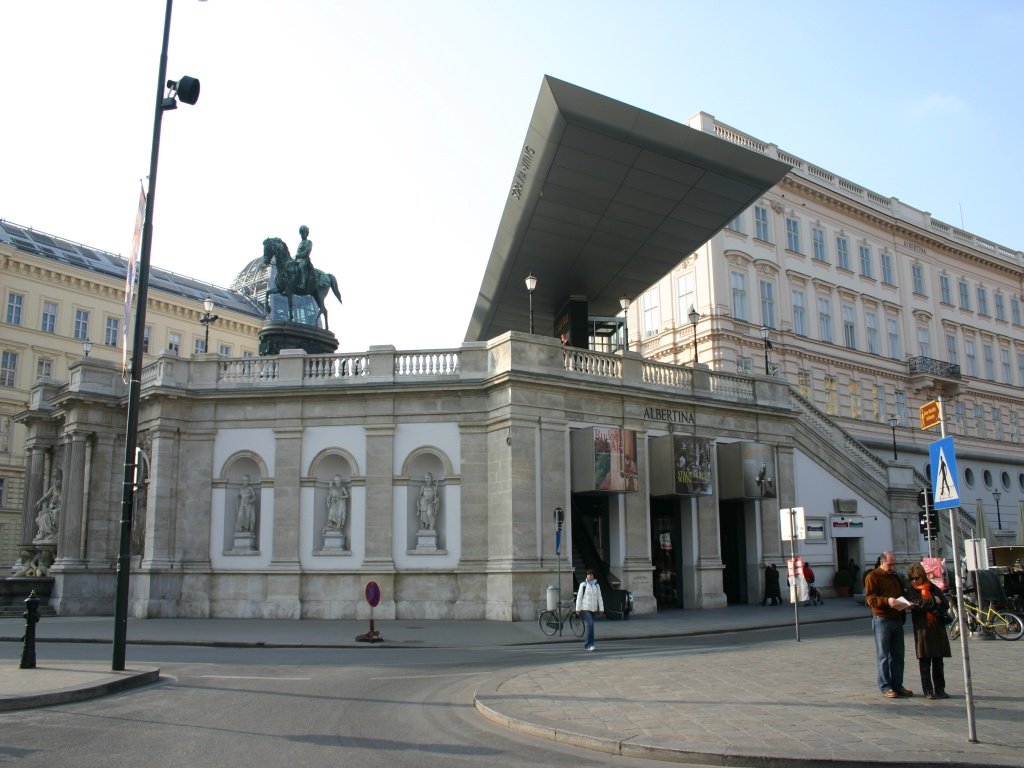
Nearby attractions include St. Stephen’s Cathedral, MuseumsQuartier, and the Albertina (visitingvienna.com; hdgoe.at).
Visitor Amenities
- Cloakrooms and lockers
- Gift shop with publications and souvenirs
- Seating areas throughout the museum
- Museum café and nearby restaurants
- Educational workshops for families and groups
Significance in Austrian and European Context
The HdGÖ bridges a significant gap in Austria’s museum landscape, providing a venue for public exploration of the country’s modern history. Its innovative approach has earned international recognition, including the prestigious Kenneth Hudson Award (Wikipedia). The museum’s ongoing evolution and future relocation underscore its commitment to staying relevant and accessible in a rapidly changing society (Der Standard; wien.info).
Special Events, Exhibitions, and Future Developments
Current and Upcoming Exhibitions
- Permanent Exhibition: “New Ages: Austria since 1918”—a thematic and chronological journey through Austria’s contemporary history.
- Special Exhibitions: In 2025, highlights include “It transmits! Austria between propaganda and protest” (until January 2026), and commemorative displays marking the 80th anniversary of the Second Republic (museos.com; ots.at).
- Participatory Projects: The “Gemeinsam erinnern” project invites visitors to share personal stories and engage with digital collections.
Digital and Educational Initiatives
- Virtual Tours: Online exhibitions and virtual tours are available, expanding access worldwide.
- Workshops and Lectures: Thematic programs for schools, families, and adults encourage critical engagement.
- Public Events: HdGÖ hosts commemorations for national milestones such as Holocaust Remembrance Day and Republic Day, often with free or discounted entry (wien.info).
Future Developments
HdGÖ will move to a new, purpose-built facility in the MuseumsQuartier in 2028, with expanded exhibition space, enhanced accessibility, and upgraded amenities. Digital infrastructure, international partnerships, and community outreach will be further developed, reinforcing the museum’s role as a hub for historical inquiry and public dialogue (wien.info).
Frequently Asked Questions (FAQ)
Q: What are the opening hours?
A: Tuesday to Sunday, 10:00 AM–6:00 PM; extended hours on Thursdays. Closed Mondays.
Q: How much are tickets?
A: Standard tickets are €10; reduced €8.50; under 18/19 free. Vienna City Card holders receive a discount.
Q: Is the museum accessible?
A: Yes, HdGÖ offers full barrier-free access and free admission for accompanying persons.
Q: Are guided tours available?
A: Yes, in German and English. Private tours and special group offerings are available by arrangement.
Q: Can I take photos?
A: Non-flash photography is allowed in most areas, except select special exhibitions.
Q: How can I reach the museum?
A: By public transport (U-Bahn, tram, bus) or limited short-term parking nearby.
Q: What are some nearby attractions?
A: St. Stephen’s Cathedral, MuseumsQuartier, Albertina, and several parks.
Summary and Final Tips
Haus der Geschichte Österreich is a vital institution connecting Austria’s past and present, offering visitors a critical, immersive, and accessible encounter with the nation’s modern history. Its central location, diverse programming, and commitment to inclusion make it an essential stop in Vienna’s museum landscape. The planned move to the MuseumsQuartier by 2028 promises even greater opportunities for engagement and exploration. For a rewarding and thought-provoking experience, check the official HdGÖ website for the latest information, download the mobile app, and follow HdGÖ on social media for updates (Wikipedia; Der Standard; wien.info).
Listen to the full story in the app
Your Personal Curator, in Your Pocket.
Audio guides for 1,100+ cities across 96 countries. History, stories, and local insight — offline ready.
Audiala App
Available on iOS & Android
Join 50k+ Curators
Sources
- verified
- verified
- verified
- verified
- verified
Last reviewed: