Introduction: Exploring Grinzing
Grinzing, an idyllic village nestled in the 19th district of Vienna, Döbling, is a destination that seamlessly blends history, culture, and natural beauty. Grinzing captivates both locals and tourists alike with its traditional wine taverns (Heurigen), scenic landscapes, and rich historical heritage. The village's name traces back to 1114, derived from the early medieval term "Grinzigan," indicating its long-standing historical significance (Mahler Foundation). Originally an independent municipality, Grinzing became part of Vienna in 1892, marking a pivotal shift in its administrative and social structure (Mahler Foundation).
This comprehensive guide delves into Grinzing's multifaceted significance, providing essential visitor information, historical insights, cultural highlights, and practical tips to help you make the most of your visit.
Photo Gallery
Explore Grinzing in Pictures
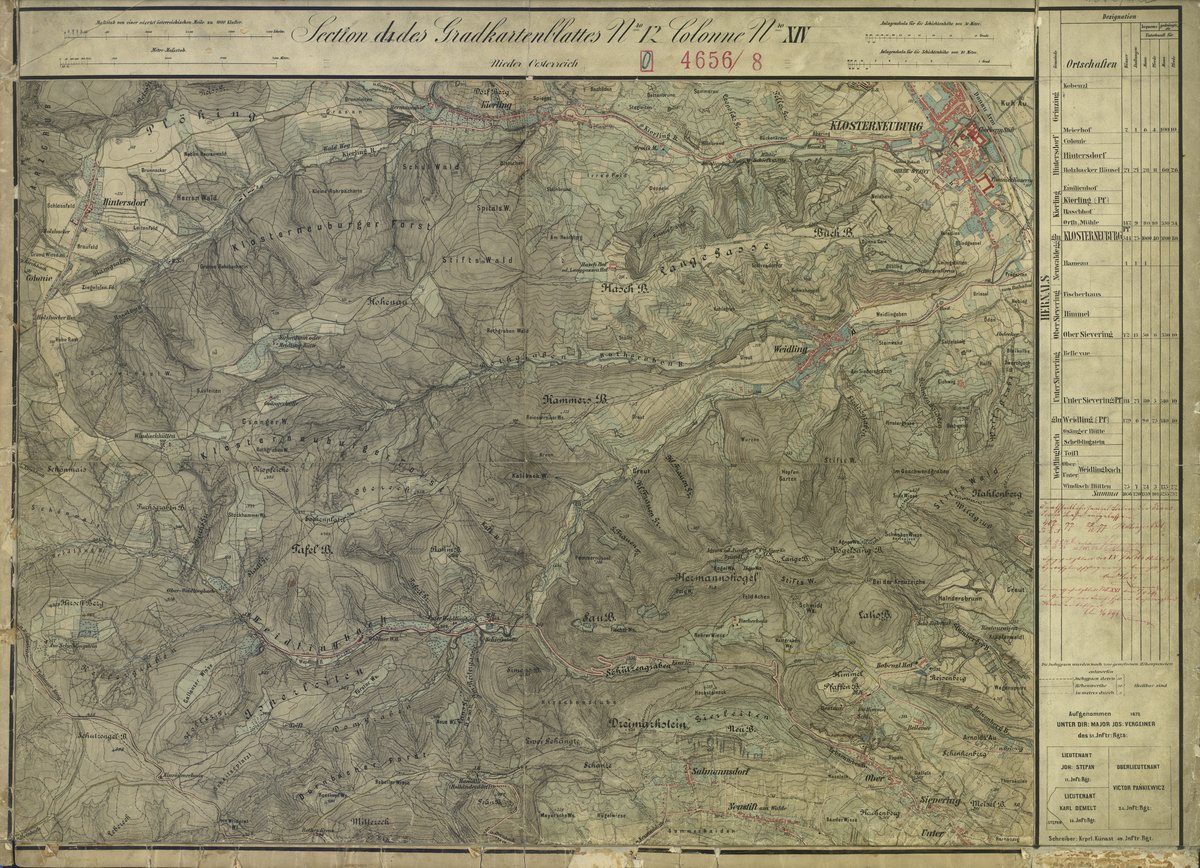
Detailed historical map from 1872 showing Klosterneuburg, Weidling, Weidlingbach, Cobenzl, Kahlenberg, Salmannsdorf, and Neustift am Walde in the Vienna Woods region. Part of the 3rd Francis Josephian survey of the Austro-Hungarian Monarchy at 1:12,500 scale, Zone 12 Column XIV Section d4.
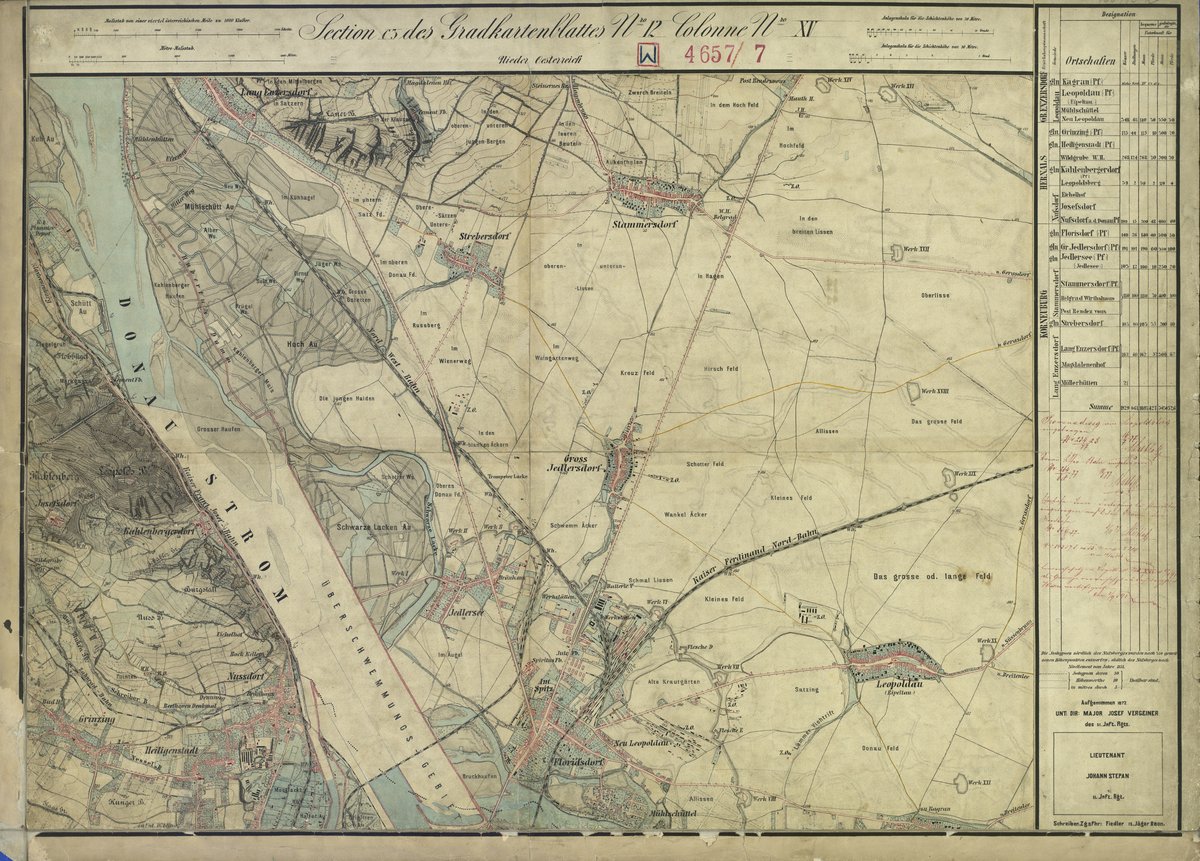
Historical cadastral map from the 3rd Franzisco-Josephinian survey of the Austro-Hungarian Monarchy. Depicts districts Floridsdorf, Strebersdorf, Heiligenstadt and Bisamberg, Vienna. Map scale 1:12,500, recorded in 1872, showing detailed land and area divisions in Zone 12 Colonne XV Section c3 later
Beautiful scenic view of Grinzing, showcasing traditional Austrian buildings, green vineyards, and a clear blue sky, highlighting the charm of this Austrian village.
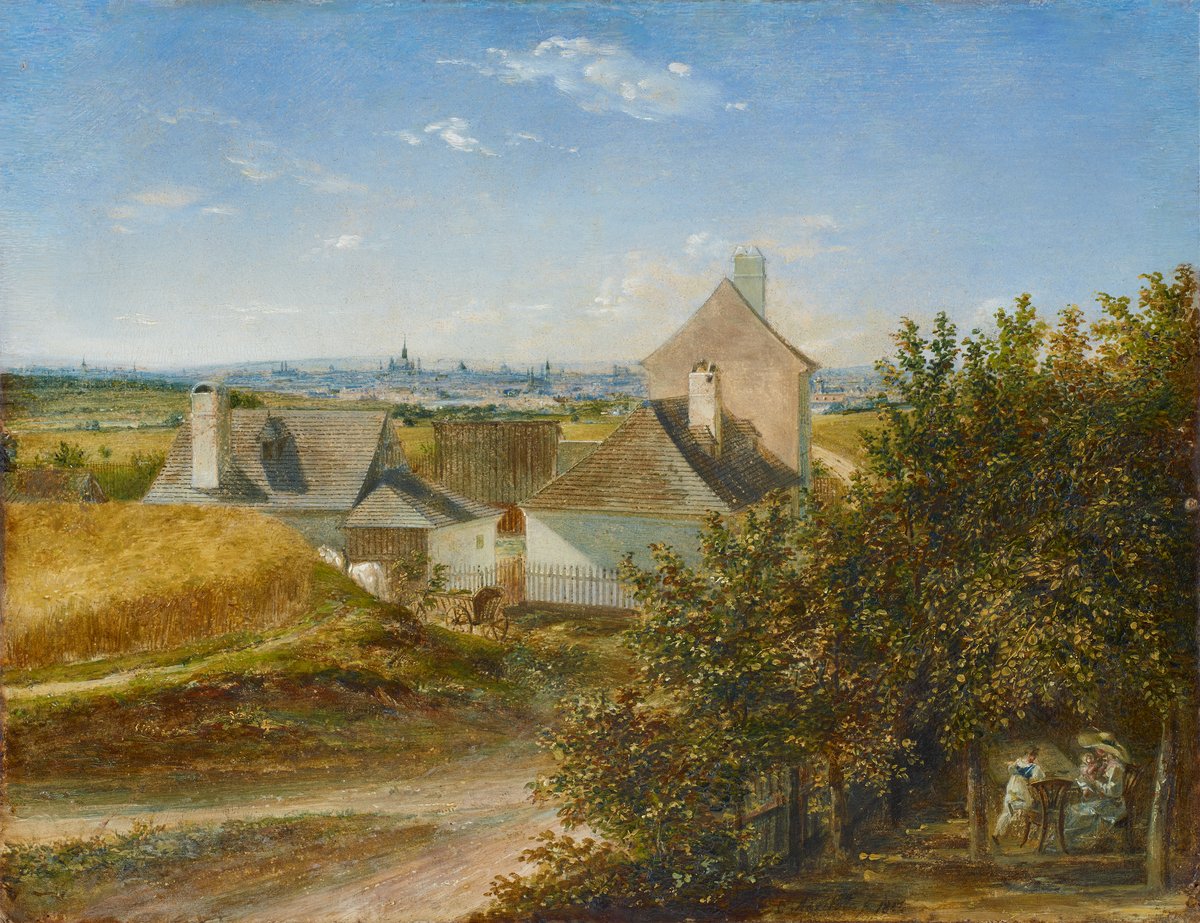
Scenic painting by Carl Agricola depicting a panoramic view of Vienna from Grinzing, showcasing the city's historic architecture and surrounding landscape.
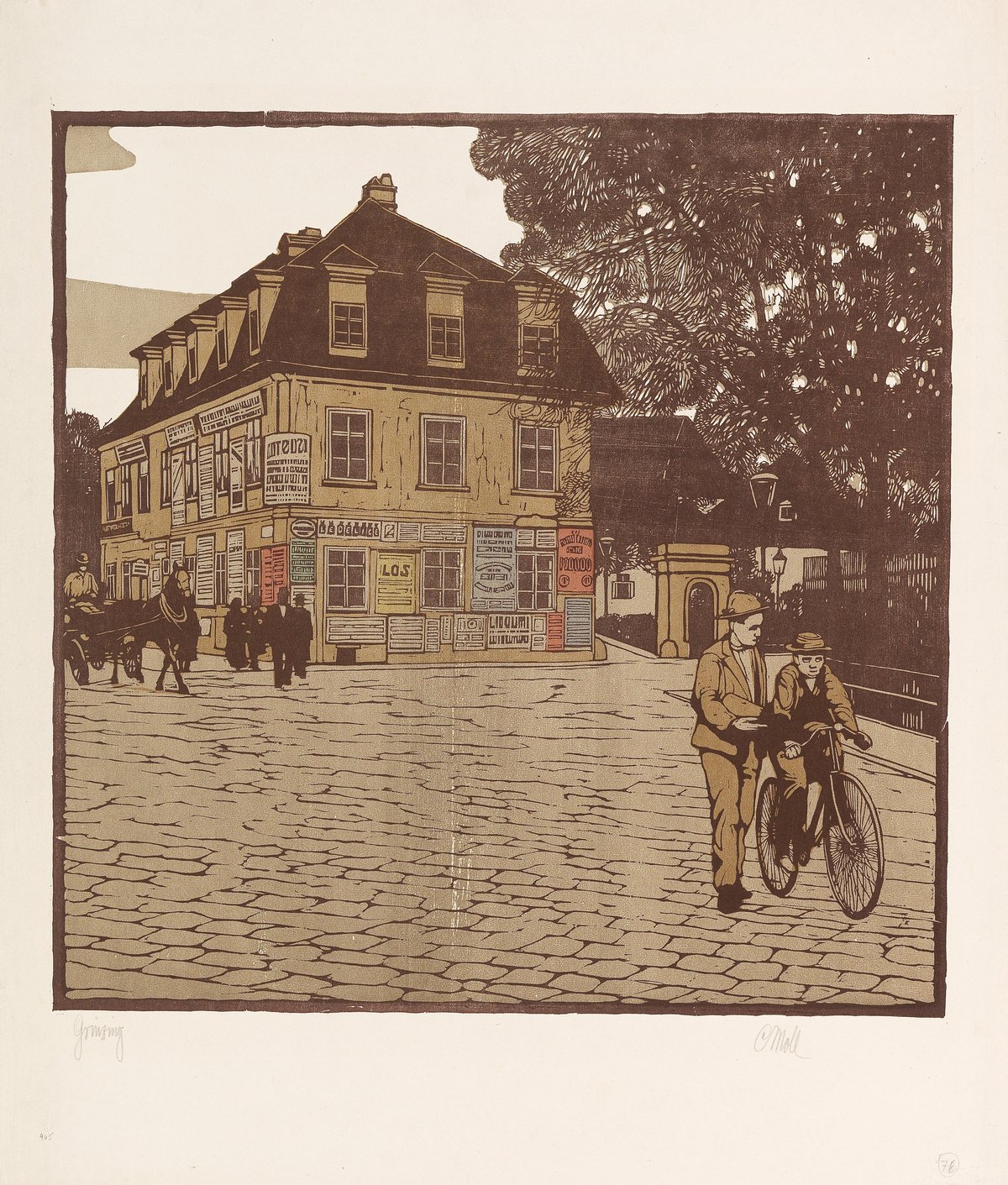
Color woodcut artwork titled Grinzing by Carl Moll on Japan paper, signed CMoll, dimensions 44 x 43.6 cm (print), 58.6 x 49.5 cm (sheet)
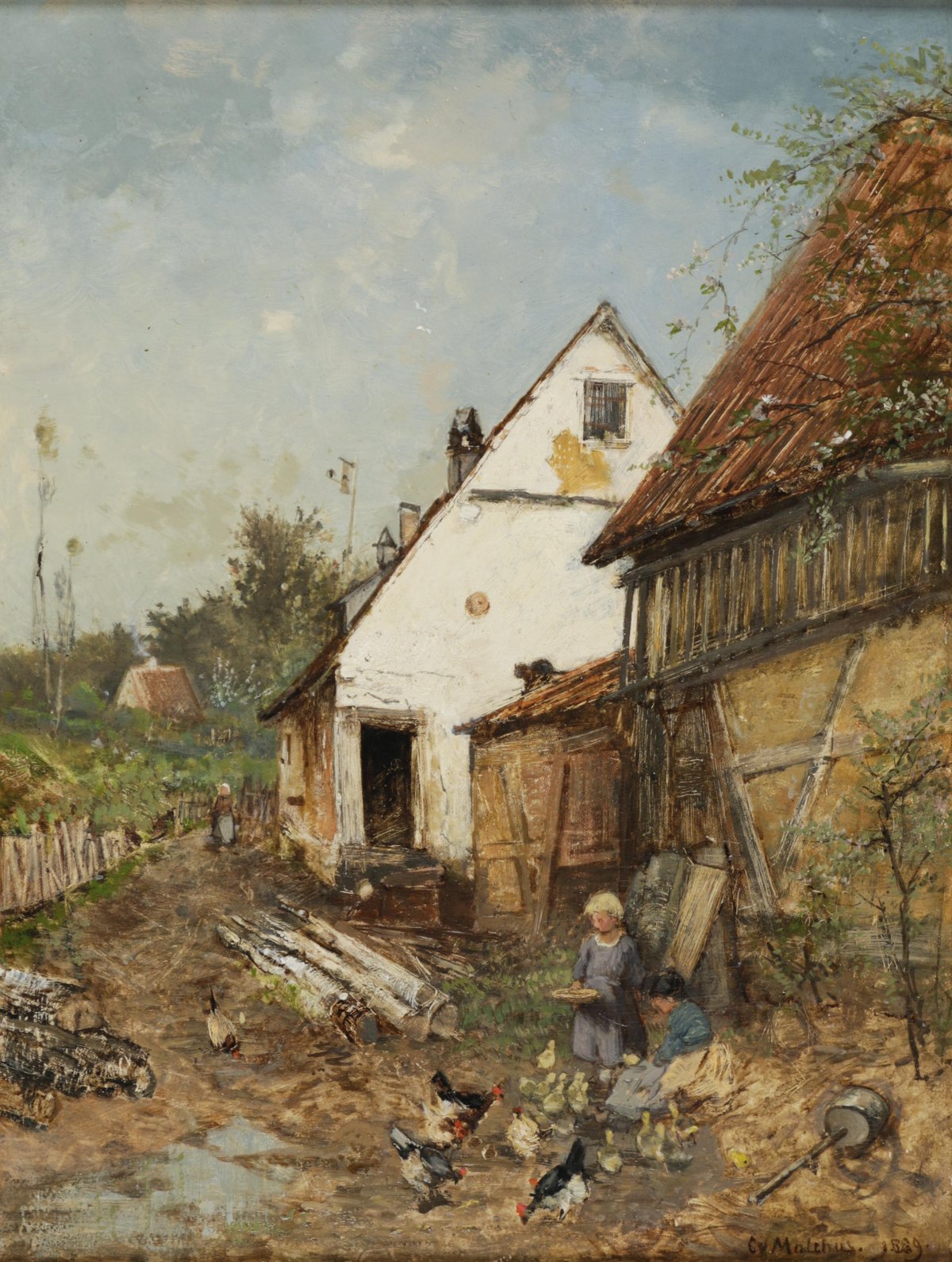
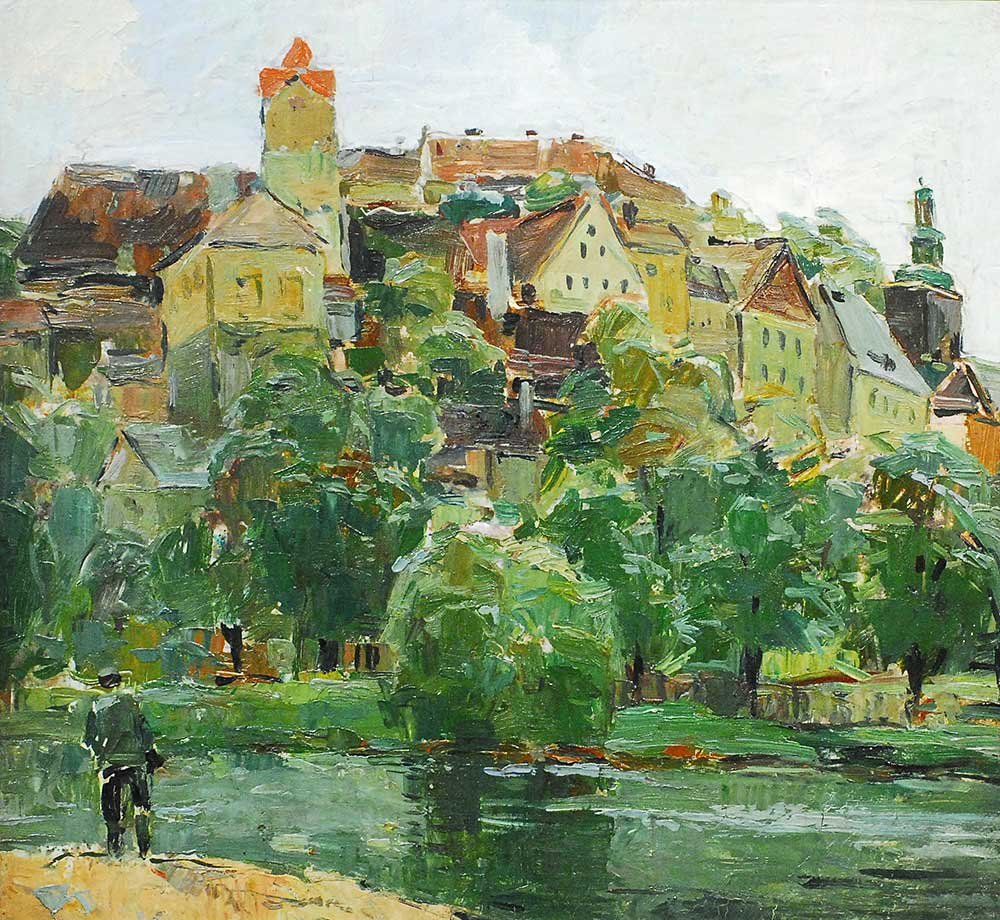
Oil painting titled 'Bei Grinzing' created by Carl von Malchus in 1889, oil on wood, approximately 32.5 x 24.5 cm
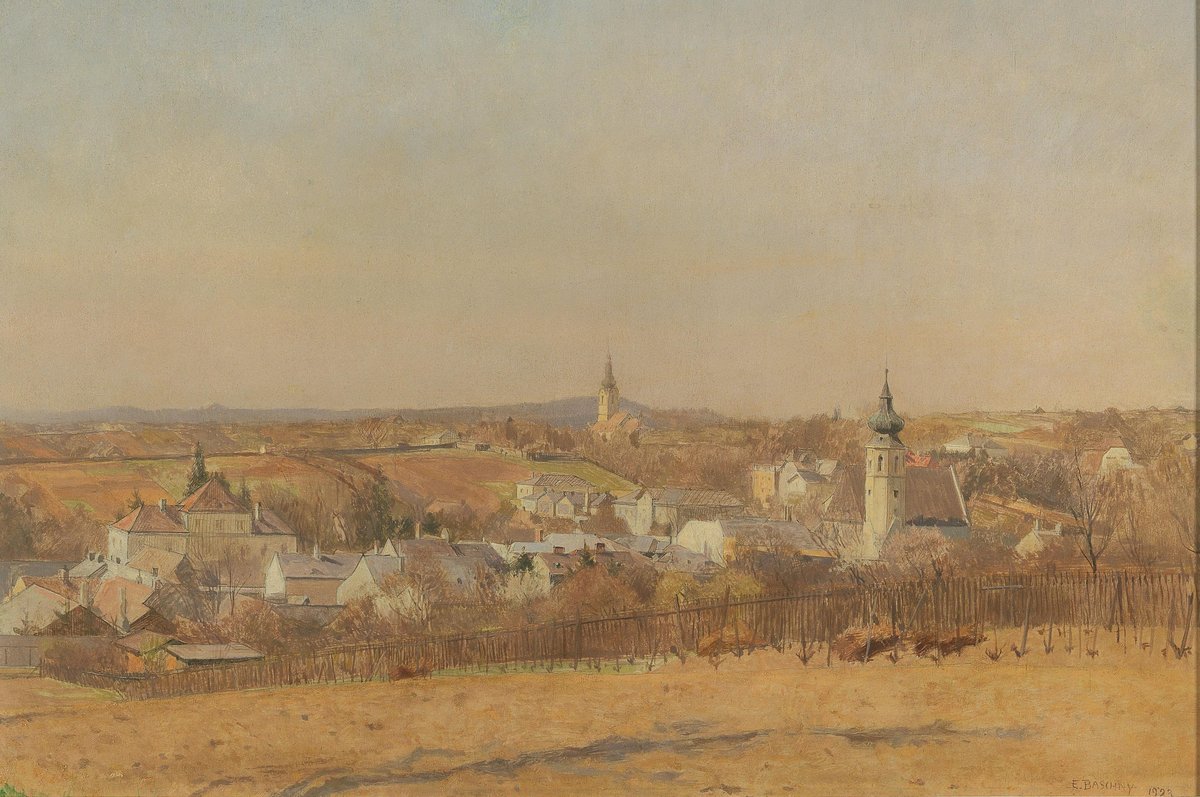
Painting by Emanuel Baschny depicting the picturesque village of Grinzing in early spring with blooming vegetation and traditional houses
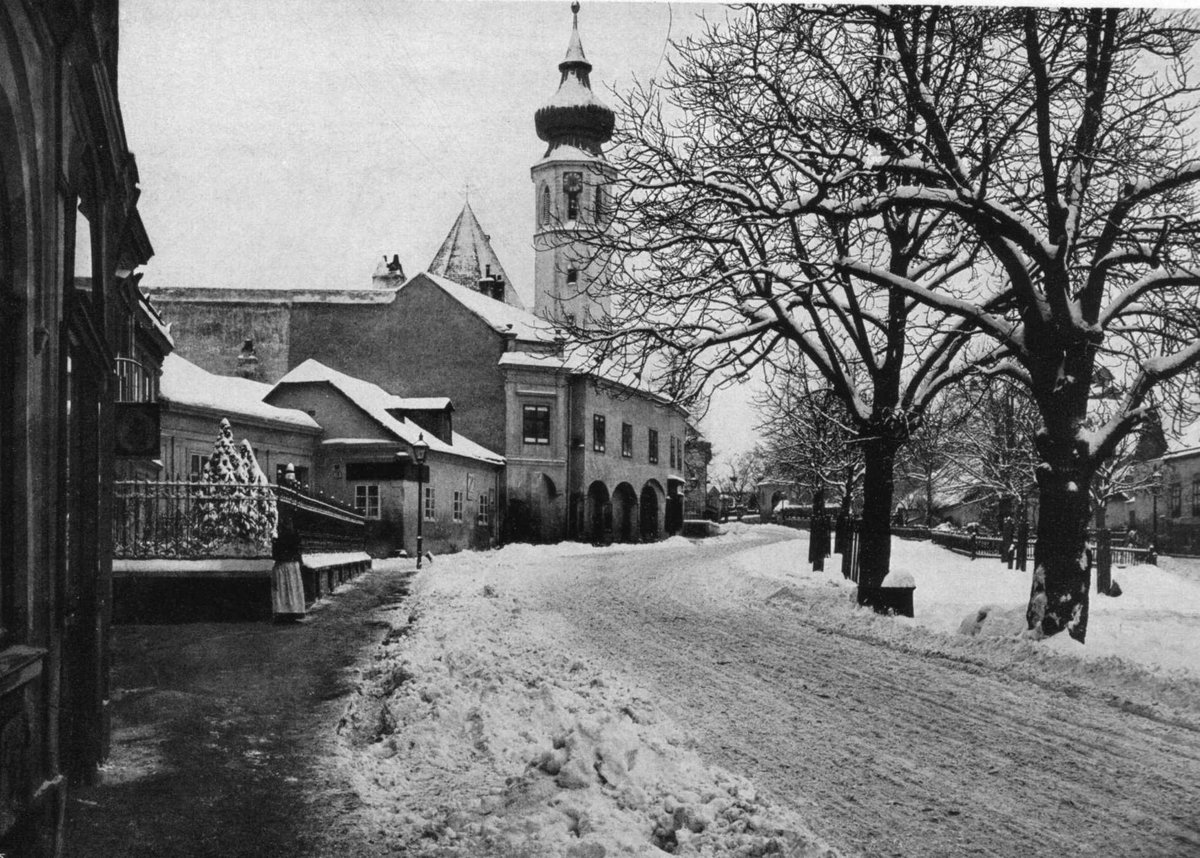
A historic image of Grinzing village circa 1900 showing traditional Austrian architecture surrounded by dense forest and hilly landscape
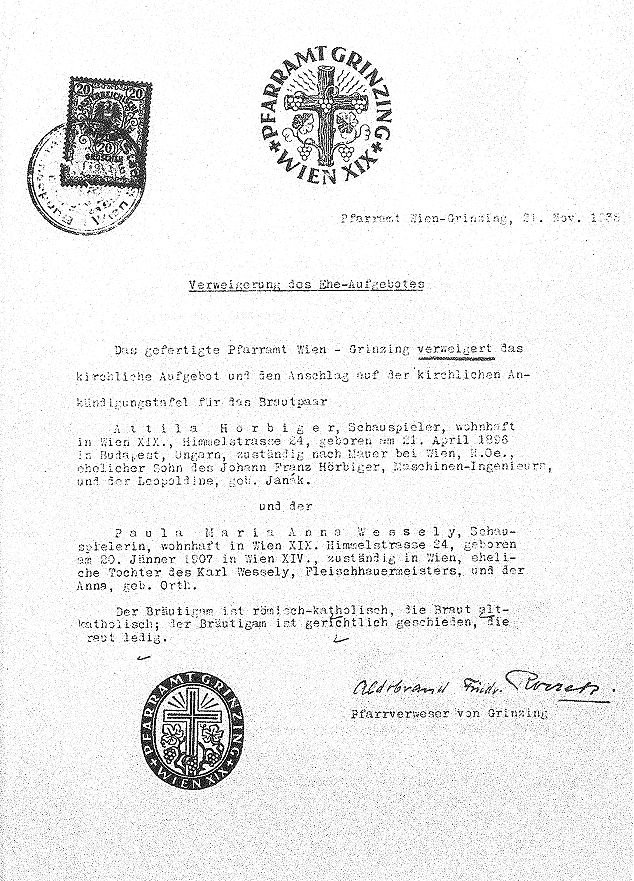
Historical Eheaufgebotsverweigerung document issued by the Grinzing parish concerning Attila Hörbiger and Paula Wessely
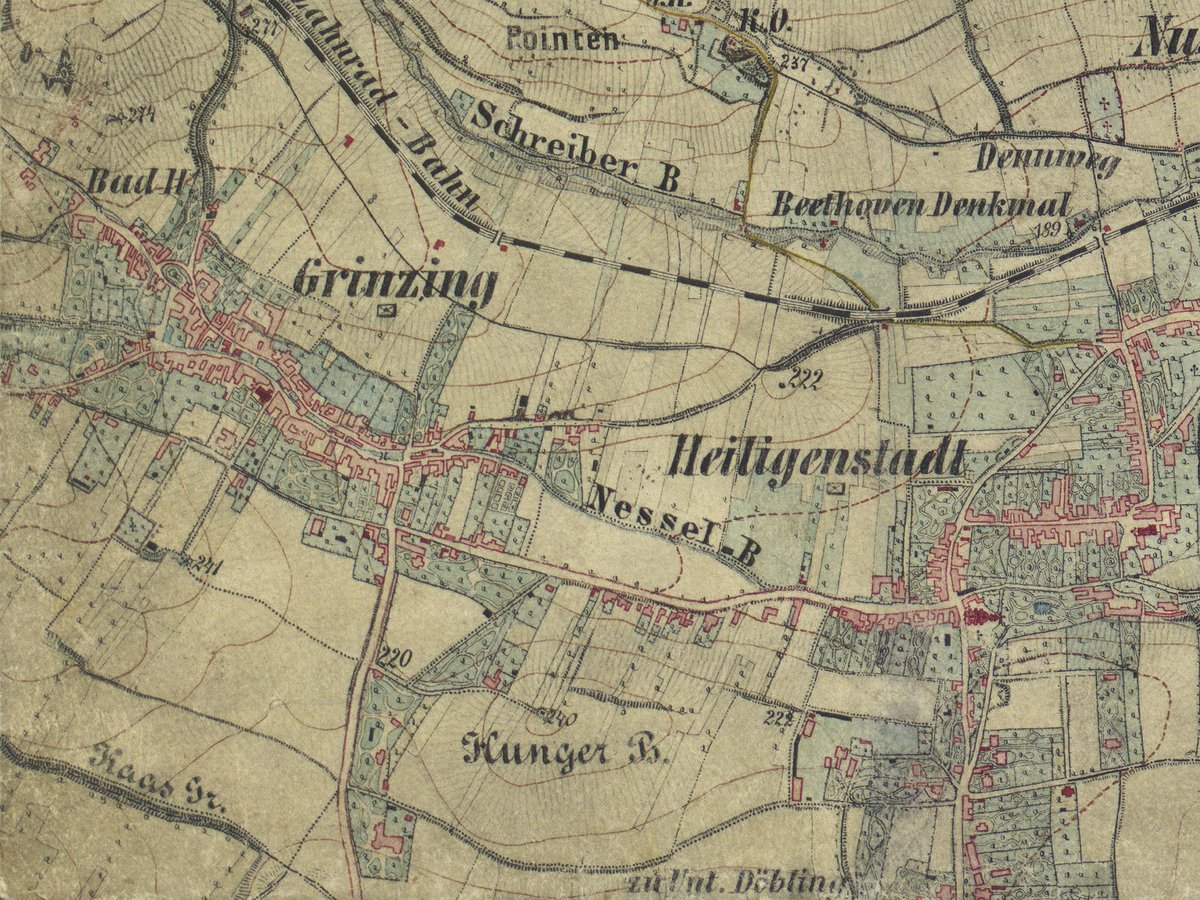
Detailed 1872 map showcasing the area of Grinzing near Vienna with geographic and urban features.

Watercolor painting by Paul Kaspar depicting a quaint street in Grinzing lined with traditional Heurigen wine taverns, measuring 11.5 x 9 cm.
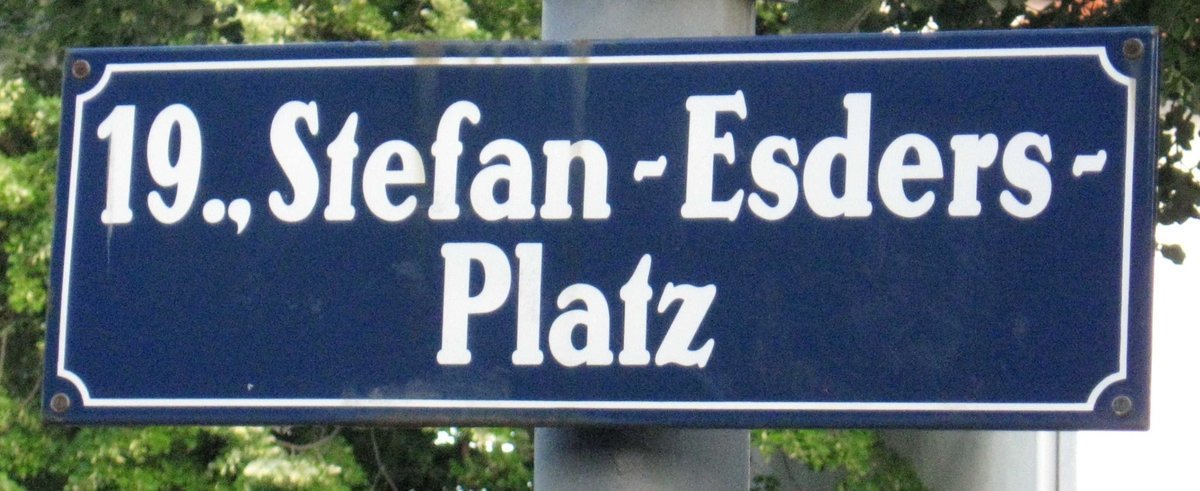
Stefan-Esders-Platz street sign located in Vienna's 19th district, showcasing typical urban signage in the Austrian capital
History of Grinzing
Origin of the Name
The name "Grinzing" has its roots in the early medieval period. It is derived from the term "Grinzigan," which first appeared in historical records in 1114. The name itself means "of the people who belong to a man named Grinzo." This etymology is consistent with many German words ending in "ing," which often indicate membership to a Sippe, or clan (Mahler Foundation).
Early Economic Activities
Grinzing's economy has historically been shaped by viticulture and logging. In 1826, a significant portion of the land was dedicated to these activities. Approximately 45% of the land was covered by woodlands belonging to the Klosterneuburg Monastery, and another 23% was used for vineyards. Agriculture played a secondary role, covering barely 10% of the land. Beer production also had its moments of importance; a brewery founded in the Trummelhof in 1814 operated intermittently until 1831 (Mahler Foundation).
Integration into Vienna
Grinzing was an independent municipality until 1892, after which it became part of Döbling, the 19th district of Vienna. This integration marked a significant shift in its administrative and social structure, aligning it more closely with the broader urban framework of Vienna (Mahler Foundation).
Topographical Features
Grinzing is characterized by its numerous forested ridges, part of the Wienerwald (Vienna Woods). The area includes several notable hills such as Hermannskogel, the tallest hill in Vienna, Reisenberg, Latisberg, Vogelsangberg, Hungerberg, and Pfaffenberg. These natural features have not only shaped the local climate but also influenced the types of crops that can be grown, particularly grapevines. Streams like the Schreiberbach and Reisenbergbach add to the area's natural beauty and have historically provided water for both agriculture and daily life (Mahler Foundation).
Cultural Significance
Grinzing is renowned for its Heurigen, traditional Austrian wine taverns. These establishments have become a significant cultural and tourist attraction, drawing visitors who seek an authentic Viennese experience. The wines from Grinzing are typically fruity and fragrant, thanks to the cooler climate and stony soil of the region (Vienna Würstelstand).
Artistic Legacy
The village has been a haven for many influential figures, including Beethoven, Schubert, Strauss, Einstein, and Freud, who either visited or lived in Grinzing. Beethoven, for instance, composed his Pastoral Symphony during his stay in Grinzing in the summer of 1808 (Grinzland). This artistic legacy adds a layer of cultural richness to the village, making it a significant site for those interested in the history of music and science.
Modern-Day Grinzing
Today, Grinzing is a blend of historical charm and modern amenities. It retains its village-like atmosphere while being part of a bustling metropolis. The area is popular among both locals and tourists for its scenic beauty, cultural heritage, and excellent wine. Despite the influx of tourists, there are still genuine and charming Heurige to discover, offering a taste of traditional Viennese hospitality (Vienna Würstelstand).
Notable Events and Festivals
Grinzing, like the rest of Vienna, hosts various events and festivals throughout the year. These include wine festivals, cultural events, and seasonal celebrations that highlight the area's rich heritage and vibrant community life. The Vienna Classic Days, for instance, turn the streets into a living museum of classic cars, adding a unique charm to the area (Nomad Epicureans).
Architectural Highlights
The architecture in Grinzing is a mix of traditional and modern styles. Historical buildings, many of which are centuries old, stand alongside newer constructions, creating a unique architectural landscape. The area's churches, old houses, and public buildings offer a glimpse into its rich history and cultural evolution.
Environmental Conservation
Grinzing's natural beauty is not just a backdrop but a vital part of its identity. Efforts have been made to preserve the forested areas and streams, ensuring that the natural environment remains unspoiled. These conservation efforts are crucial for maintaining the area's ecological balance and enhancing its appeal as a tourist destination.
Accessibility and Transportation
Grinzing is well-connected to the rest of Vienna through an efficient public transportation system. Buses and trams provide easy access to the area, making it convenient for both locals and tourists to visit. The well-maintained roads and pathways also make it a popular destination for cyclists and hikers.
Visitor Information
Visiting Hours and Tickets
Most of Grinzing’s attractions, including the Heurige, operate from late morning until late evening. However, it is advisable to check specific visiting hours and ticket prices on the official websites or contact the establishments directly.
Travel Tips
- Best Time to Visit: Spring and autumn are the best times to visit Grinzing when the weather is pleasant, and the vineyards are particularly beautiful.
- Nearby Attractions: Besides Grinzing, visitors can explore nearby attractions like the Kahlenberg hill, which offers stunning views of Vienna.
- Guided Tours: Consider booking guided tours to get an in-depth understanding of the area’s history and cultural significance.
Future Prospects
As Vienna continues to grow and evolve, Grinzing is likely to see further development. However, efforts are being made to ensure that this development does not come at the cost of its historical and cultural heritage. Sustainable tourism practices are being encouraged to preserve the area's unique character for future generations.
FAQ Section
Q: What are the opening hours of Grinzing? A: Most attractions and Heurige in Grinzing open from late morning until late evening. It is best to check specific timings in advance.
Q: How do I get to Grinzing from central Vienna? A: Grinzing is accessible via public transportation, including buses and trams. The journey from central Vienna typically takes around 30-40 minutes.
Q: Are there any guided tours available in Grinzing? A: Yes, several guided tours are available that offer insights into Grinzing's history, culture, and wine production.
Q: What are some must-visit spots in Grinzing? A: Key spots include the Heurige, Kahlenberg hill for panoramic views, and the historical churches and buildings that dot the area.
Discover More
Grinzing is a fascinating blend of history, culture, and natural beauty. Its rich heritage, coupled with its modern amenities, makes it a must-visit destination for anyone exploring Vienna. Whether you're interested in its historical significance, cultural attractions, or simply want to enjoy a glass of local wine, Grinzing offers something for everyone. Don't forget to explore our other articles on Vienna's hidden gems and follow us on social media for more updates on travel tips and destination guides.
Summary and Key Takeaways
Grinzing stands as a testament to Vienna's rich historical and cultural tapestry. From its medieval origins to its integration into Vienna, Grinzing has retained its unique character while embracing modern amenities. The village's Heurigen offer an authentic Viennese experience, drawing visitors with their fruity and fragrant wines, thanks to the region's cooler climate and stony soil (Vienna Würstelstand).
Significant historical landmarks like the Grinzing Parish Church and Trummelhof, along with the breathtaking natural beauty of the Vienna Woods and Hermannskogel, provide ample opportunities for exploration and leisure. Grinzing's architectural marvels, local festivals, and vibrant cultural scene further enhance its appeal as a must-visit destination in Vienna.
Efforts to preserve Grinzing's natural landscapes and promote sustainable tourism practices are crucial for maintaining its ecological balance and historical charm (Mahler Foundation). Whether you're a history enthusiast, a wine lover, or simply seeking a tranquil escape, Grinzing offers a unique blend of tradition and modernity that promises a memorable experience. Plan your visit today and immerse yourself in the enchanting charm of Grinzing.
Listen to the full story in the app
Your Personal Curator, in Your Pocket.
Audio guides for 1,100+ cities across 96 countries. History, stories, and local insight — offline ready.
Audiala App
Available on iOS & Android
Join 50k+ Curators
Sources
-
verified
Mahler Foundation
Grinzing Village
-
verified
Vienna Würstelstand
Grinzing 19th District
-
verified
Wikipedia
Grinzing
-
verified
Tour My Country
Grinzing
-
verified
MS Travel Solo
Heuriger Grinzing Day Trip
-
verified
Nomad Epicureans
Vienna in August
-
verified
Smarter Travel
Grinzing Vienna Insider Tips
-
verified
Vienna Trips
Grinzing
-
verified
Grinzland
Top Attractions
-
verified
Vienna Itineraries
Grinzing
-
verified
The Vienna Blog
Best Heuriger in Vienna
-
verified
TripAdvisor
Vienna Attractions
- verified
Last reviewed: