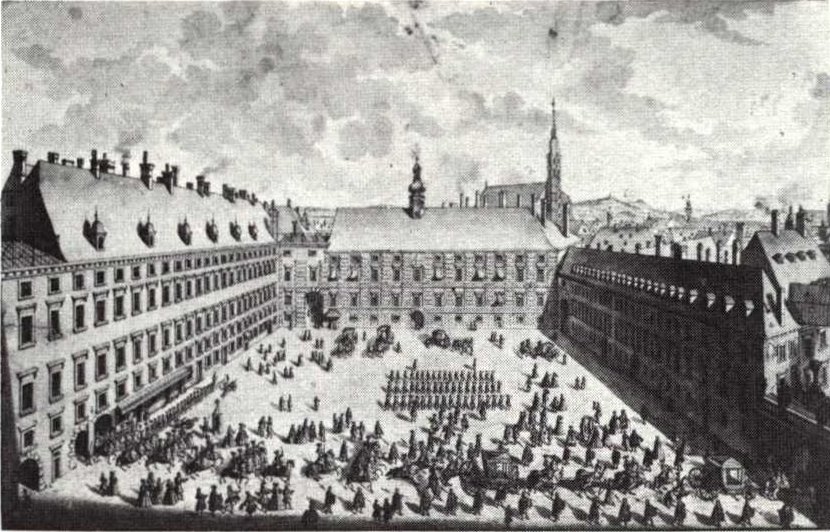
Introduction to Grinzing Cemetery
Nestled in Vienna's leafy Döbling district, Grinzing Cemetery (Grinzinger Friedhof) is a tranquil sanctuary that weaves together the city’s cultural history and natural beauty. Established in 1872 during a period of rapid urban growth, it was envisioned as a park-like burial ground—reflecting 19th-century ideals of remembrance and landscape design. Over the decades, Grinzing Cemetery has evolved into a prestigious resting place for many of Vienna's most celebrated artists, musicians, and intellectuals. With its diverse funerary art spanning Historicism, Jugendstil (Art Nouveau), and Modernism, and panoramic views of the Vienna Woods, the cemetery is both a destination for reflection and a living record of Vienna's artistic and social legacy. Open year-round with free admission and easily accessible by public transport, Grinzing Cemetery offers a unique opportunity to engage with Vienna's story through its memorial culture. This guide covers everything you need to plan your visit: history, notable burials, architecture, practical tips, and nearby attractions. (Stadt Wien, Visiting Vienna, Wien.info)
Photo Gallery
Explore Grinzing Cemetery in Pictures
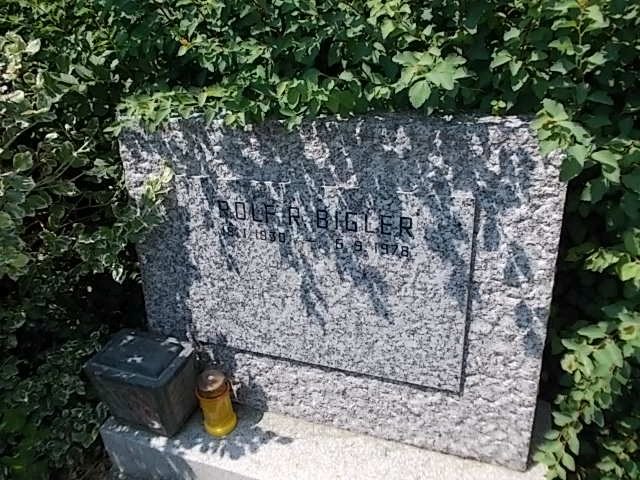
Photograph of Rolf R. Bigler taken at Grinzinger Friedhof cemetery, image reference 38-5-14
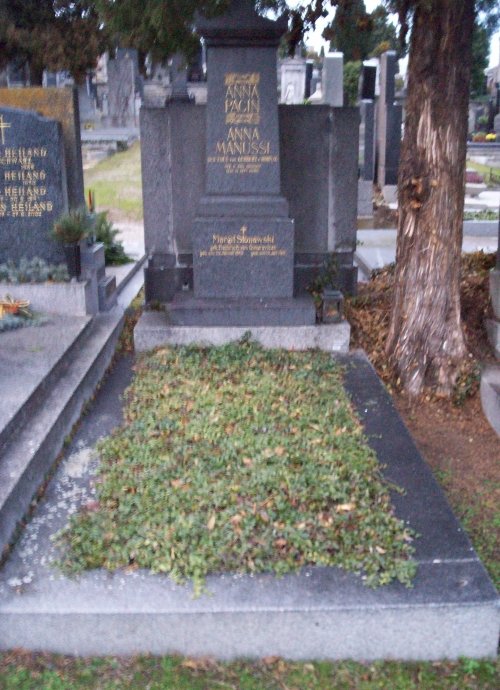
Photograph of the grave site of Julius Brandt featuring a headstone and a cross surrounded by greenery
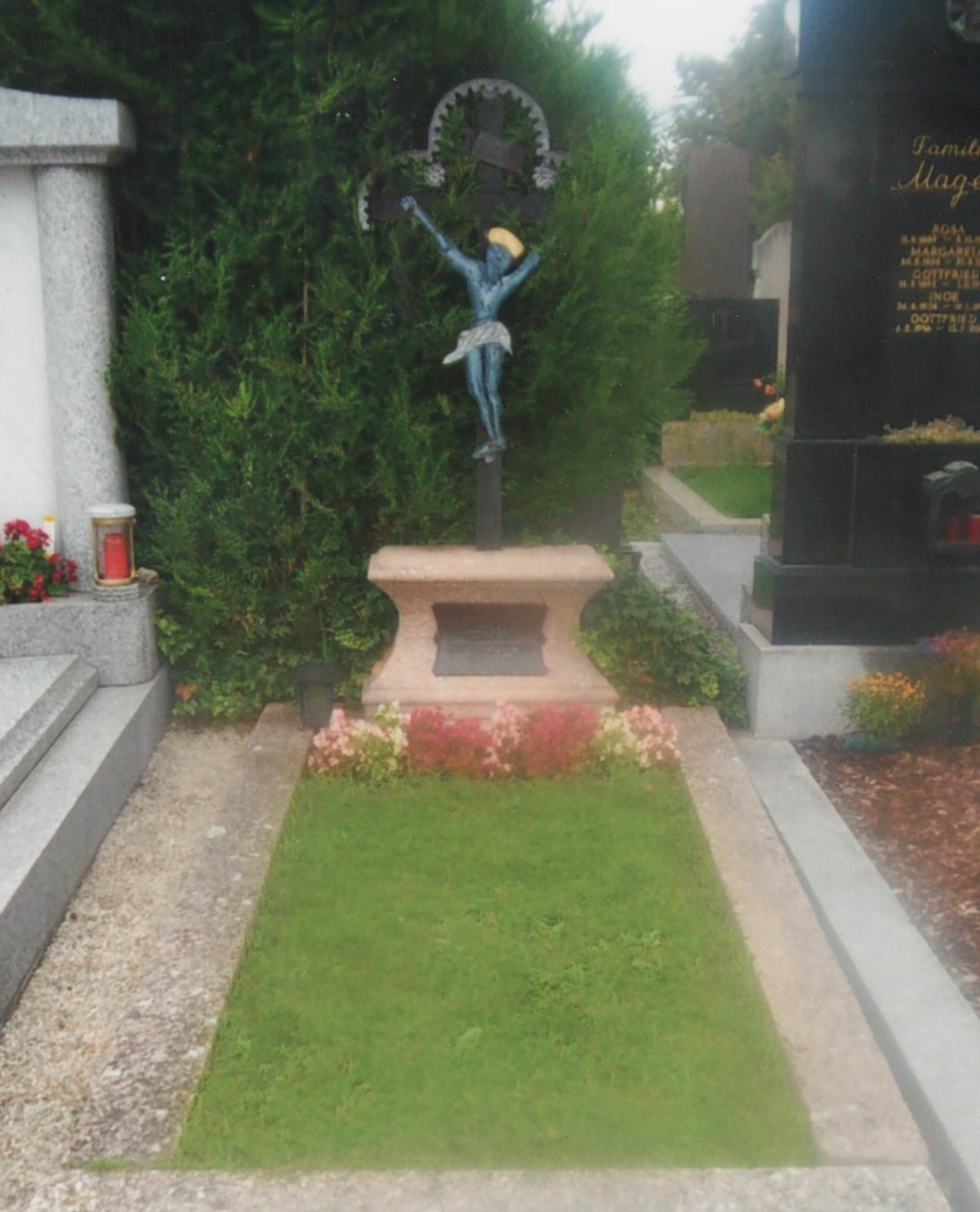
Photograph of the grave of Franz Böheim located at Grinzinger Cemetery in Vienna, Austria
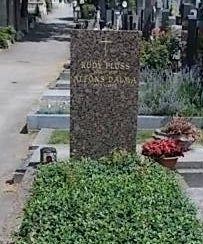
Black and white portrait photograph of Alfons Dalma-Grinzinger, capturing his detailed facial features and expression.
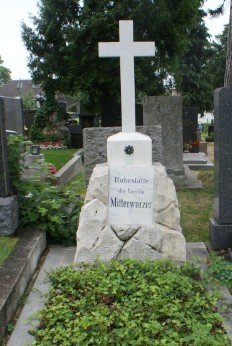
Photograph of the grave of Ferdinand Mitterwurzer located at Grinzinger Friedhof cemetery
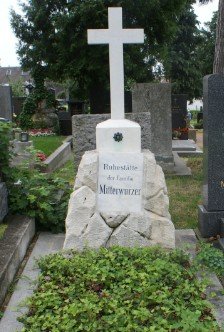
Image depicting the gravestone of Friedrich Mitterwurzer located at Grinzinger Friedhof cemetery
Historical Development of Grinzing Cemetery
Origins and Establishment
Grinzing Cemetery opened in 1872 as Vienna expanded beyond its medieval boundaries. With central churchyards overcrowded, the city sought new suburban cemeteries—selecting Grinzing, then a rural wine village, for its picturesque hillsides (Stadt Wien). The location embodied the 19th-century movement toward garden-like cemeteries, blending commemoration with natural serenity.
Evolution and Expansion
As Vienna's population grew, so did Grinzing Cemetery. Throughout the late 19th and early 20th centuries, new sections and family plots were added in harmony with the landscape. By the turn of the century, it had become an esteemed burial place for the city's creative and intellectual elite, symbolizing Vienna’s cultural preeminence. Notable figures interred here include architect August Sicard von Sicardsburg, co-designer of the Vienna State Opera (fotoeins.com), and many more.
Architectural Features and Landscape Design
Layout and Spatial Organization
Spanning approximately 3.5 hectares, Grinzing Cemetery’s gently curving paths, mature trees, and scenic vistas exemplify the English landscape garden influence (Wehdorn, 2004). Its design balances informal naturalism with orderly family plots, creating a tranquil refuge from the city. The dignified main gate opens onto shaded avenues that wind through the grounds.
Funerary Architecture and Monuments
Grinzing Cemetery is a showcase of funerary art:
- Historicism: Neo-Gothic and neo-Classical monuments with columns, pediments, and sculptural reliefs.
- Art Nouveau (Jugendstil): Graves with flowing lines, floral motifs, and Vienna Secession influences (Parsons, 2009).
- Modernism: Recent minimalist gravestones and abstract forms.
A particular highlight is the grave of Gustav Mahler, whose simple stone marker has become a pilgrimage site for music lovers (Wien.info).
Chapel and Auxiliary Structures
At the heart of the cemetery stands a modest neo-Romanesque chapel with round-arched windows and a bell tower, used for funeral services and contemplation. Nearby, the Aufbahrungsraum (funeral hall), redesigned in 1976 by Erich Boltenstern, features a winged altar by Hans Robert Pippal and stained glass by Hermann Bauch (Friedhöfe Wien).
Integration with Nature
The cemetery’s mature plane trees, chestnuts, and lindens provide shade, while carefully tended lawns and flowerbeds add to its peaceful charm. Its elevation offers sweeping views of the Vienna Woods and cityscape, reinforcing the connection between memory and landscape (Sarnitz, 1998).
Notable Burials and Cultural Significance
Prominent Figures Interred
Grinzing Cemetery is the final resting place for many of Vienna’s cultural icons:
- Gustav Mahler (1860–1911): Composer and conductor; his grave, marked simply “Gustav Mahler,” reflects his wish for modesty (Mahler Foundation; Visiting Vienna).
- Alma Mahler-Werfel (1879–1964): Composer, muse, and wife of Mahler, later married to Walter Gropius and Franz Werfel. Buried with her daughter, Manon Gropius.
- Arnold Rosé (1863–1946): Mahler’s brother-in-law and long-serving concertmaster of the Vienna Philharmonic (Daniela Damm Maltz).
- Johann Georg Albrechtsberger (1736–1809): Beethoven’s teacher and renowned composer.
- Anton Diabelli (1781–1858): Composer and publisher, remembered for his role in Beethoven’s Diabelli Variations.
- Anna Gottlieb (1774–1856): Soprano who premiered as Pamina in Mozart’s “The Magic Flute.”
- Carl Moll (1861–1945): Painter and Vienna Secession co-founder.
- Johann Strauss III (1866–1939): Composer and conductor, part of the famed Strauss dynasty.
- Paula Wessely, Attila Hörbiger, Peter Alexander: Celebrated actors and entertainers (Guides in Vienna).
Artistic and Memorial Culture
Grinzing Cemetery’s monuments feature symbolic motifs—laurel wreaths, lyres, angels—reflecting Vienna’s evolving attitudes toward death and commemoration. The diversity of styles and inscriptions illustrates the city’s rich multicultural and religious history. Several graves are designated “Ehrengräber” (honorary graves), maintained in perpetuity to honor their occupants’ cultural contributions (Visiting Vienna).
Visiting Grinzing Cemetery: Hours, Tickets, and Tips
Visiting Hours
- April–September: 7:00 AM – 7:00 PM
- May–August (Thursdays): Extended to 8:00 PM
- November–February: 8:00 AM – 5:00 PM
- Note: Hours can vary; always verify on the official cemetery website or Vienna Info.
Tickets and Admission
Entry is free for all visitors; no tickets or reservations are required.
Accessibility and Amenities
Main paths are well-maintained, but the cemetery's terraces and gravel surfaces can be challenging for visitors with limited mobility. Wheelchair users should take extra care, and comfortable shoes are recommended. Rest areas and benches are available. Public restrooms may be limited—plan accordingly.
Guided Tours
- Guided tours are occasionally offered by local cultural organizations or accredited guides.
- Tours provide context on notable burials, funerary art, and the cemetery’s history.
- Book in advance through Vienna Info or local tour operators.
Photography and Etiquette
Discreet photography is permitted for personal use. Maintain respect for mourners and ongoing services, avoid loud conversation, and do not disturb grave sites.
Practical Travel Advice and Nearby Attractions
Getting There
- By Tram: Take line 38 from central Vienna to Grinzing, then a short walk to the cemetery entrance (Grinzland).
- By Bus: Line 35A also serves the area.
- By Car: Limited parking is available nearby.
What to Bring
- Comfortable walking shoes
- Weather-appropriate clothing
- Water and snacks
- Map or guidebook for grave locations
Safety
Grinzing is a safe district, but keep personal belongings secure. Check public transport return schedules and note emergency contacts (The Vienna Blog).
Nearby Attractions
- Heurigen Wine Taverns: Enjoy traditional Austrian wine and cuisine in Grinzing’s famous taverns (Grinzland).
- Vienna Woods: Ideal for walks and hikes, especially in spring and early summer.
- Historic Churches: The Gothic parish church and Kaasgrabenkirche (neo-baroque, 1903).
- Beethoven’s Summer Residence: Where Beethoven composed the Pastoral Symphony.
- Scenic Walks: Follow the “Cobenzl–Grinzing” (1.6 km) or “Kahlenberg–Grinzing” (3.3 km) wine routes.
- Other Cemeteries: Vienna’s Central Cemetery (Zentralfriedhof) and St. Marx Cemetery (Mozart’s grave) are also noteworthy (Vienna Info).
Frequently Asked Questions (FAQ)
Q: What are the opening hours?
A: Vary seasonally; check official sources.
Q: Is there an entrance fee?
A: No, admission is free.
Q: Are guided tours available?
A: Yes, bookable via local providers or Vienna Info.
Q: Is the cemetery wheelchair accessible?
A: Main paths are accessible, but some areas are uneven. Plan accordingly.
Q: Can I take photographs?
A: Yes, but please be discreet and respectful.
Q: How do I get there by public transport?
A: Tram line 38 to Grinzing, then a short walk.
Listen to the full story in the app
Your Personal Curator, in Your Pocket.
Audio guides for 1,100+ cities across 96 countries. History, stories, and local insight — offline ready.
Audiala App
Available on iOS & Android
Join 50k+ Curators
Sources
- verified
- verified
- verified
- verified
- verified
- verified
- verified
Last reviewed: