Plan and listen to Döbling Cemetery with Audiala.
Audio guide in your pocket, itinerary in your browser. Built for the way you actually visit.
Introduction
Döbling Cemetery (Döblinger Friedhof), nestled in Vienna’s 19th district, is a tranquil and culturally significant site that reflects the city’s architectural, artistic, and social development. Established in the late 19th century during a period of rapid urban expansion, the cemetery was designed to accommodate Vienna’s growing population and to provide a dignified, park-like final resting place outside the crowded city center. Today, Döbling Cemetery is not only a peaceful retreat but also an open-air museum of Viennese funerary art, attracting history buffs, art lovers, and those seeking quiet reflection.
This guide covers everything you need to know for your visit: opening hours, ticketing (free entry), accessibility, history, notable burials, architectural highlights, travel tips, and integration with Vienna’s broader historical and cultural landscape. For authoritative information and up-to-date details, consult the official Vienna municipal and tourism resources (wien.gv.at), (visitingvienna.com), (Vienna Tourist Information).

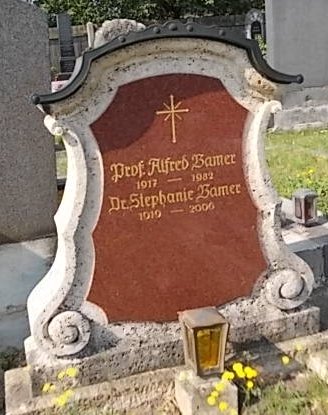
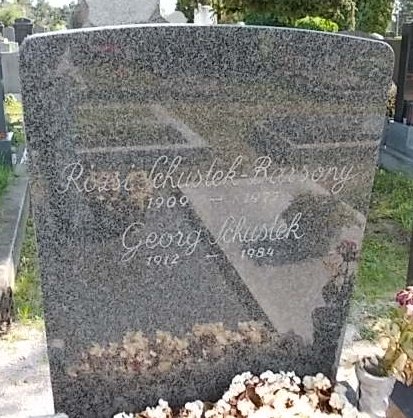
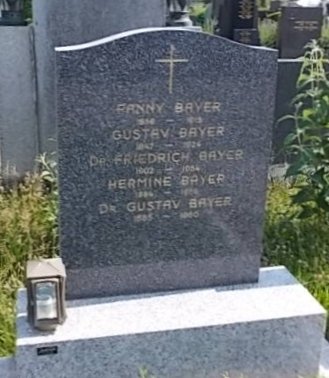
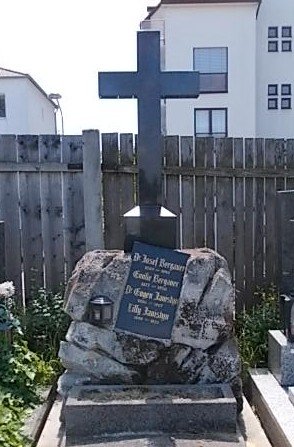
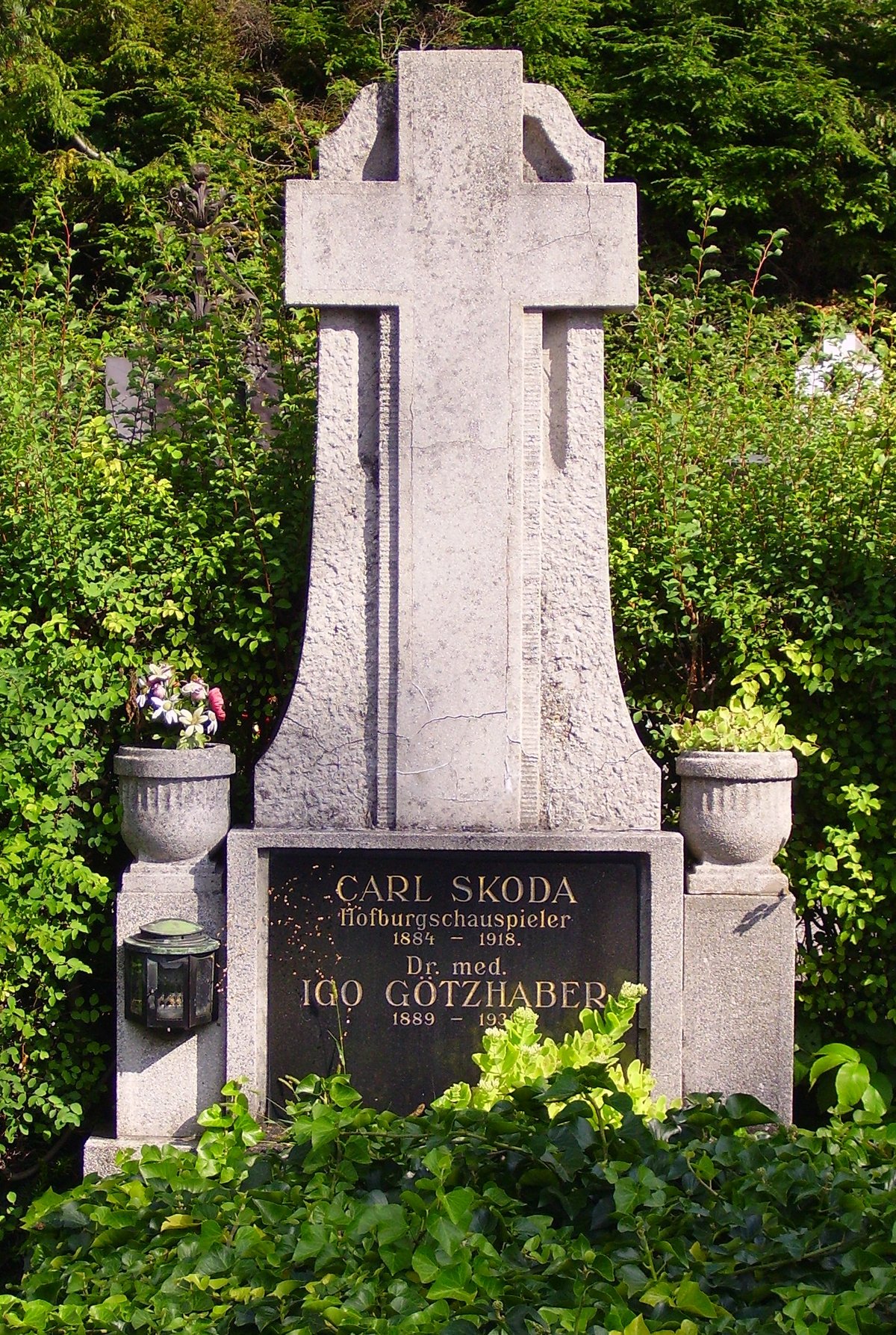
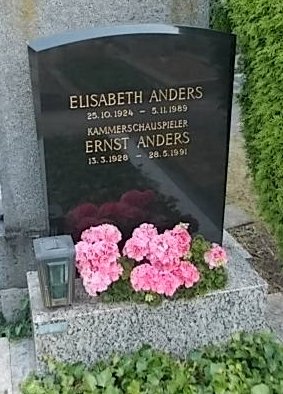
History and Origins
Established in 1885, Döbling Cemetery was a response to Vienna’s burgeoning population and changing burial practices in the late 19th century. The Döbling district, once a cluster of wine-growing villages, became part of Vienna’s urban fabric, prompting the need for new civic infrastructure. The cemetery replaced smaller parish graveyards, aligning with contemporary ideals of public health and urban planning (wien.gv.at). Its grid-like plan, mature trees, and landscaped avenues were inspired by the “garden cemetery” movement, which emphasized harmony between architecture and nature.
Architectural and Landscape Features
Döbling Cemetery’s layout is characterized by orderly, tree-lined paths and a tranquil, park-like setting. Designed by the architects Avanzo and Lange, it accommodates up to 30,000 graves on a site of about 57,000 m². The cemetery features sections for different religious denominations, including Catholic, Protestant, Jewish, and Muslim burials, with gravestones and memorials ranging from modest headstones to elaborate Art Nouveau mausoleums. Notable structures include the morgue with a mural by Hermann Bauch and a simple consecration chapel. Benches and quiet corners encourage contemplation, and the landscaping offers seasonal color and shade.
Cultural and Social Significance
Döbling Cemetery mirrors Vienna’s multicultural heritage and social evolution. It is the final resting place for a diverse cross-section of Viennese society, from artists and intellectuals to local dignitaries, and includes memorials dedicated to victims of war and political upheaval. The cemetery’s inclusive ethos is reflected in its separate sections for different faiths and its ongoing role as a site of remembrance and community engagement (wien.gv.at), (Connecting Vienna).
Notable Burials and Memorials
While less internationally renowned than the Zentralfriedhof, Döbling Cemetery is a site of pilgrimage for admirers of Austrian culture. Most famously, it is home to the grave of composer Gustav Mahler (1860–1911), whose legacy draws visitors from around the world (visitingvienna.com). Other notable burials include poet Peter Altenberg and painter Carl Moll. The cemetery also contains honorary graves, war memorials, and communal graves commemorating local history.
Art and Preservation
Döbling Cemetery showcases Viennese funerary art, with styles ranging from historicism and Jugendstil (Art Nouveau) to modernist designs. Sculpted angels, wrought-iron fences, and portrait medallions adorn many graves. The city of Vienna and local heritage organizations actively maintain and restore significant monuments, ensuring the preservation of its artistic legacy.
Visiting Döbling Cemetery: Practical Information
Visiting Hours
- Winter (November–March): 7:00 AM to 5:00 PM
- Summer (April–October): 7:00 AM to 7:00 PM
- Hours may vary on public holidays; check the official website for updates.
Tickets and Entry
- Admission: Free; no tickets required.
Accessibility
- Main paths are paved and wheelchair accessible; some older or side areas may be uneven.
- Benches and barrier-free entrances are provided.
Getting There
- Address: Hartäckerstraße 70, 1190 Vienna
- Public Transport: Tram lines 37 and D, bus lines 35A and 38A stop nearby.
- Limited parking is available; observe street regulations.
Guided Tours and Special Events
- Local heritage organizations occasionally offer guided tours focused on history, art, and notable graves. Booking is recommended.
- The cemetery hosts commemorative ceremonies, especially on All Souls’ Day and anniversaries of notable figures. Check local listings for schedules.
Nearby Attractions and Itinerary Ideas
- Vienna Woods: Ideal for nature walks after your cemetery visit.
- Local Vineyards (Heuriger): Experience traditional Viennese wine culture.
- Beethoven Museum, Heiligenstadt District, Kaasgrabenkirche, and Jewish Cemetery Währing: All within walking distance, deepening your cultural exploration.
Frequently Asked Questions (FAQ)
Q: What are Döbling Cemetery’s opening hours?
A: Winter 7:00 AM–5:00 PM, summer 7:00 AM–7:00 PM. Confirm on official sources.
Q: Is there an entrance fee?
A: No, entry is free.
Q: Are guided tours available?
A: Yes, occasionally; check with local heritage groups or online.
Q: Is it wheelchair accessible?
A: Main paths are accessible; some older sections may be uneven.
Q: Can I take photographs?
A: Discreet photography is allowed; please respect the privacy of mourners.
Q: How do I get there by public transport?
A: Tram lines 37 and D, bus lines 35A and 38A serve the area.
Listen to the full story in the app
The whole Döbling Cemetery,
told well.
Audio guides for 1,100+ cities across 96 countries. History, stories, and local insight — offline ready.
Verified, and shown.
Researched and written by the Audiala editorial team from historical records, architectural archives, and local expertise.
Researched from Wikidata, Wikipedia & official sources · fact-checked · How we make our guides →