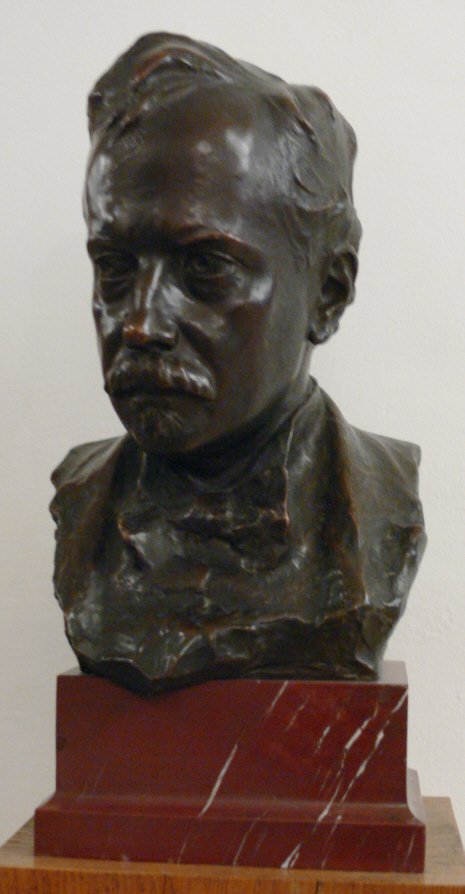
Introduction
The Austrian Museum of Folk Life and Folk Art (Österreichisches Museum für Volkskunde) in Vienna is a leading institution dedicated to Austria’s rich folk traditions and social history. Founded in 1895 by ethnologists Michael Haberlandt and Wilhelm Hein, the museum stands as one of Europe’s pioneering folk culture museums, housing over 80,000 artifacts that span centuries of rural and urban life. Located in the Baroque Schönborn Garden Palace, the museum provides an immersive experience into Austria’s customs, crafts, religious rituals, and the evolving identities of its people (Österreichisches Museum für Volkskunde – Geschichte).
As Austria’s largest folk science museum, the institution preserves both tangible objects and intangible cultural practices—such as music, festivals, and craftsmanship—supporting UNESCO’s efforts in cultural preservation (UNESCO Austria). Currently, the museum is temporarily relocated to the Otto Wagner Areal due to major renovations (scheduled until mid-2026), but it remains open to visitors with updated hours and programs (Austrian Museum tickets).
Photo Gallery
Explore Austrian Museum of Folk Life and Folk Art in Pictures
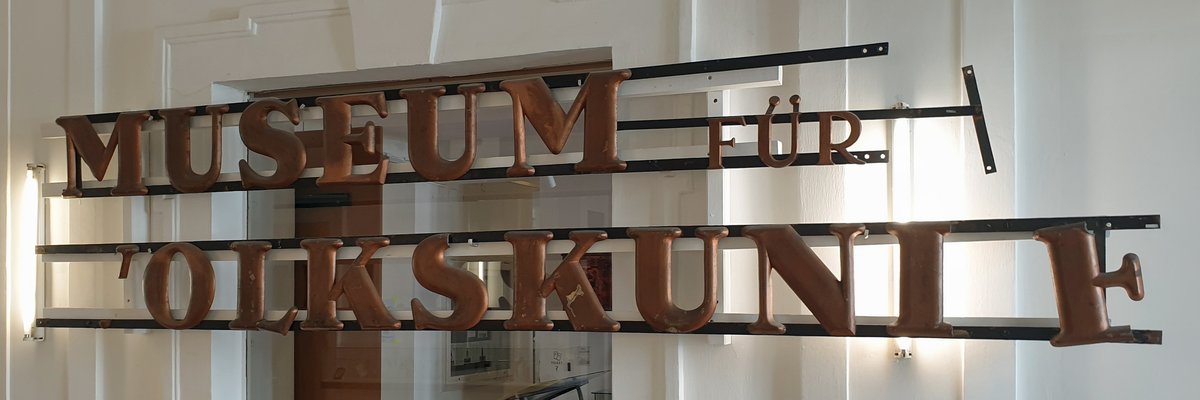
Photograph of the interior sign displaying 'Volkskundemuseum Wien' at the Museum für Volkskunde in Vienna.
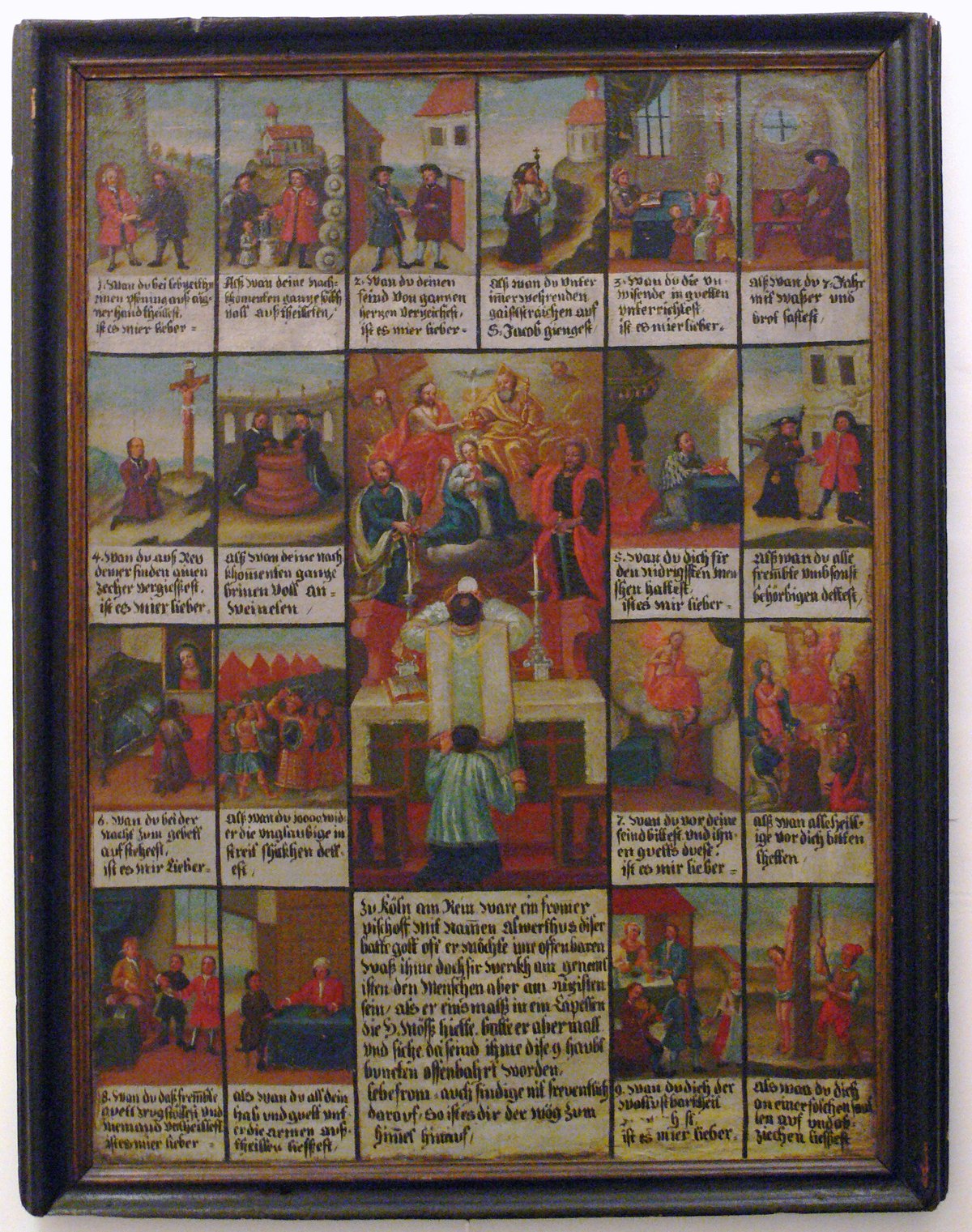
Albertitafel, an oil on canvas painting from Tyrol circa 1750, depicting Albertus Magnus revealing nine points for leading a godly life. Housed in the Austrian Museum of Folk Life, Vienna (ÖMV Inv. Nr. 26.465).
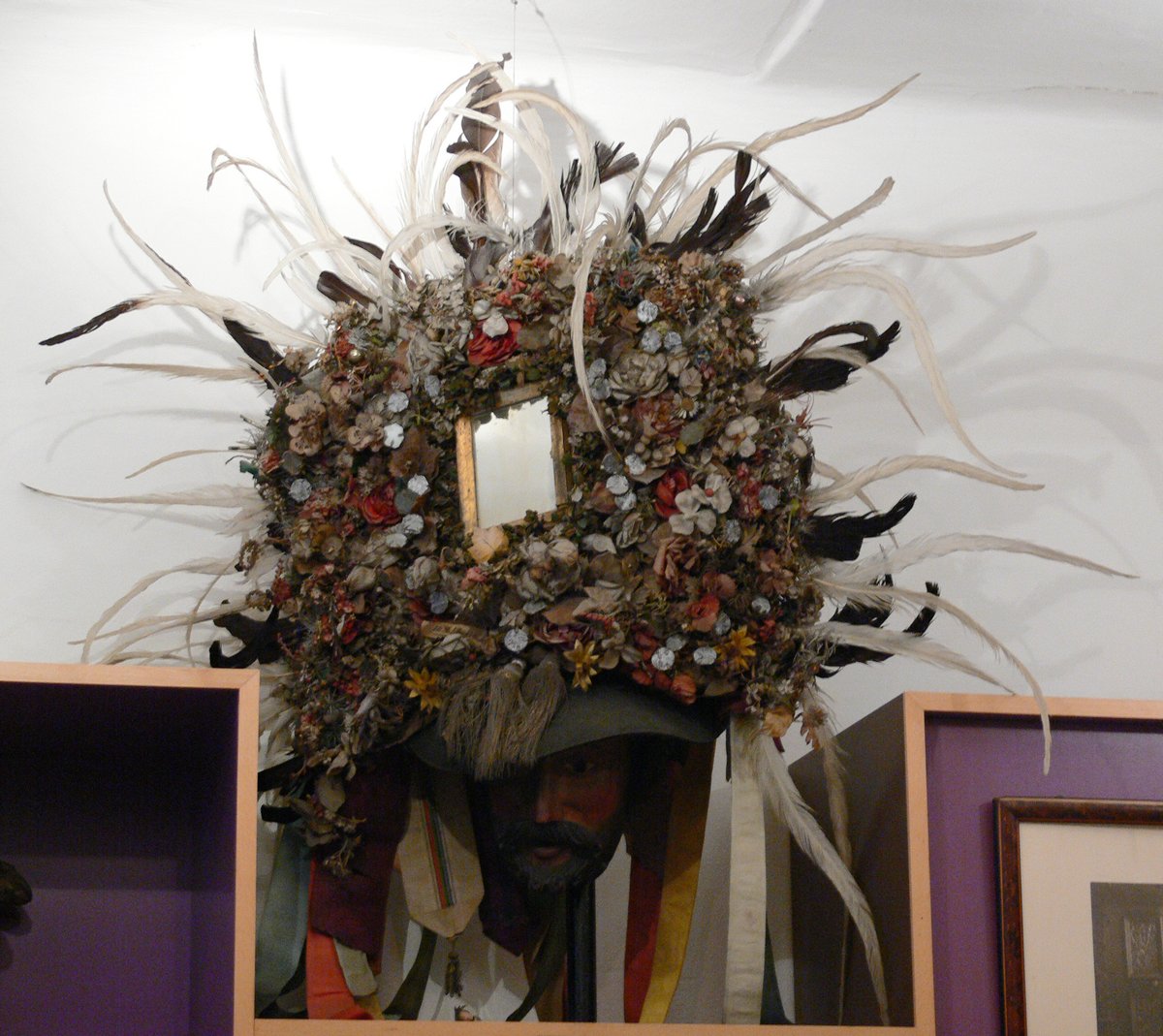
Altartuxer mask featuring a felt hat, wooden mask, horsehair wig, decorated with artificial flowers, sequins, gamecock feathers, and mirror, a Fasnachts figure from Rum, Tirol in 1897, exhibited in the Austrian Museum of Folk Life and Folk Art, Vienna
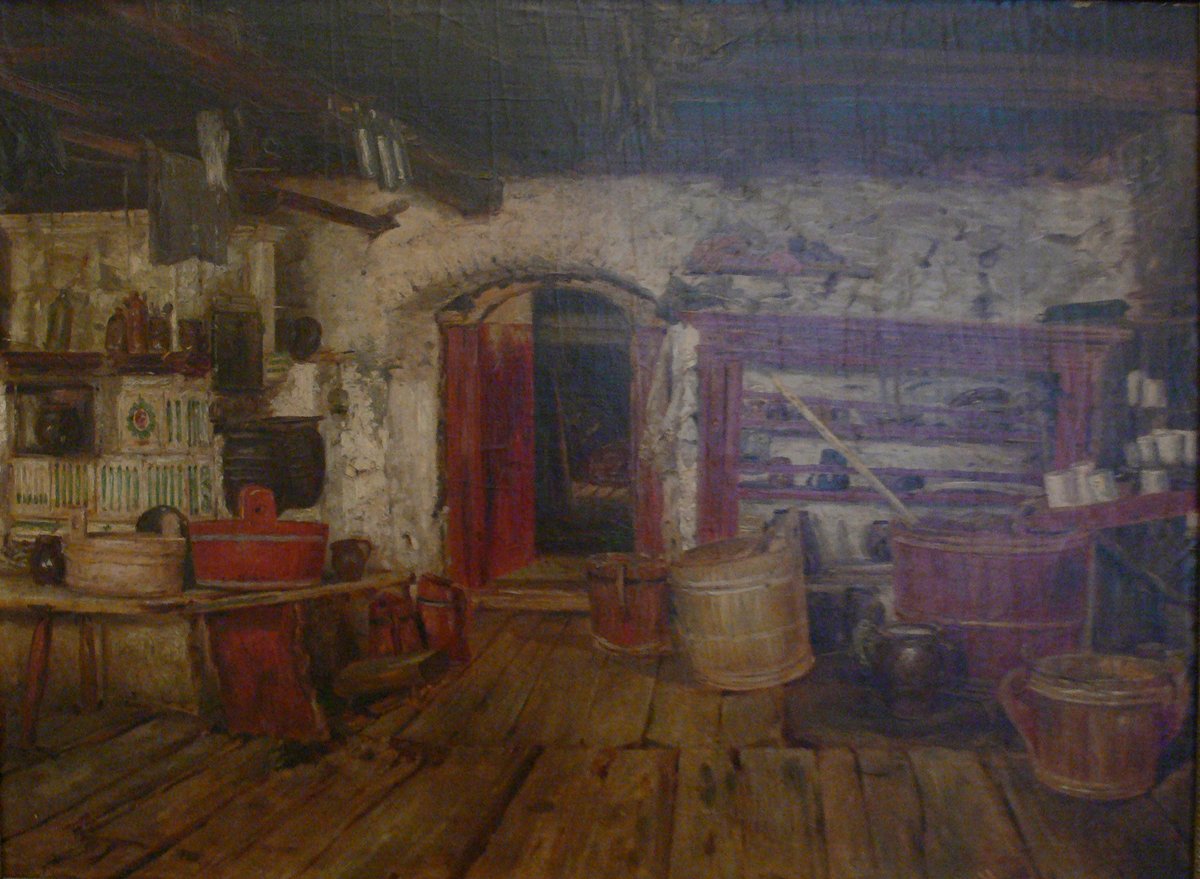
Historical sign Alte Stube from Bregenzerwald by Steffen around 1880, displayed at the Austrian Museum of Folk Life and Folk Art in Vienna
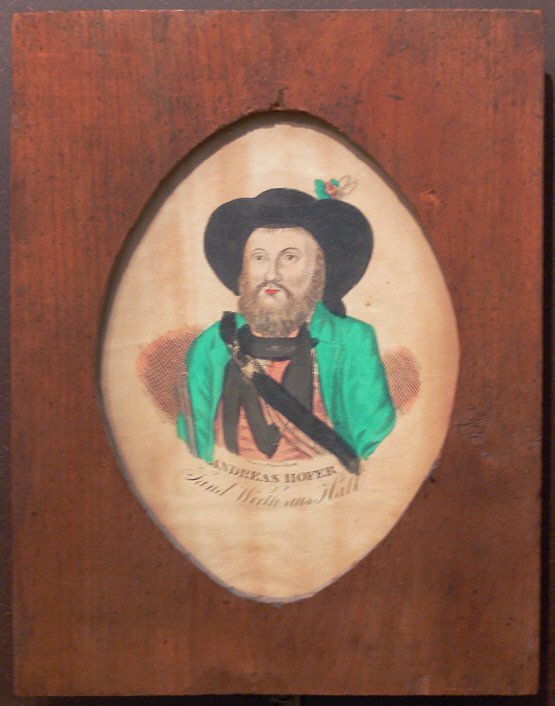
Colorized engraving portrait of Andreas Hofer in a wooden frame, Kunstverlag Franz Barth, Vienna circa 1810, displayed at the Austrian Museum of Folk Life in Vienna.
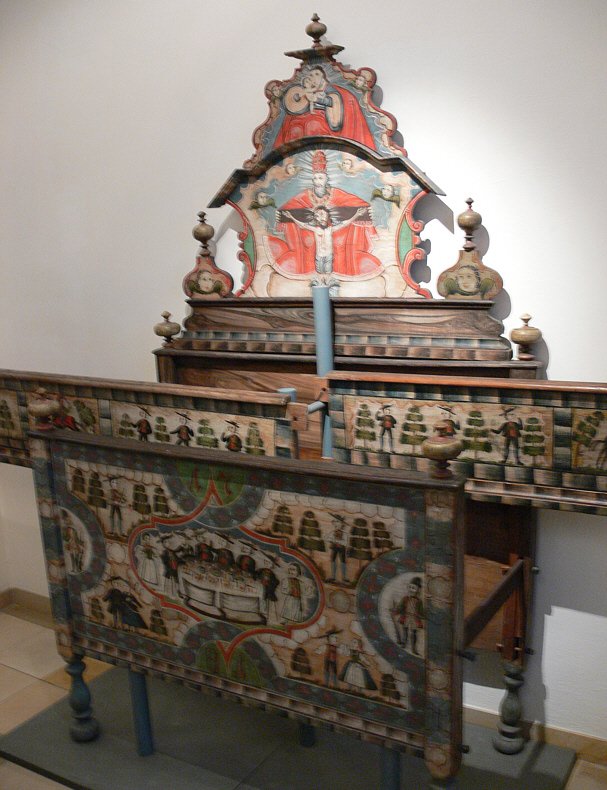
Softwood painted Aufsatzbett by Urban Huemer from 1781 featuring a wedding feast at the footboard and religious motifs of the Gnadenstuhl and Madonna with Child at the headboard, exhibited at the Austrian Museum of Folk Life and Folk Art in Vienna
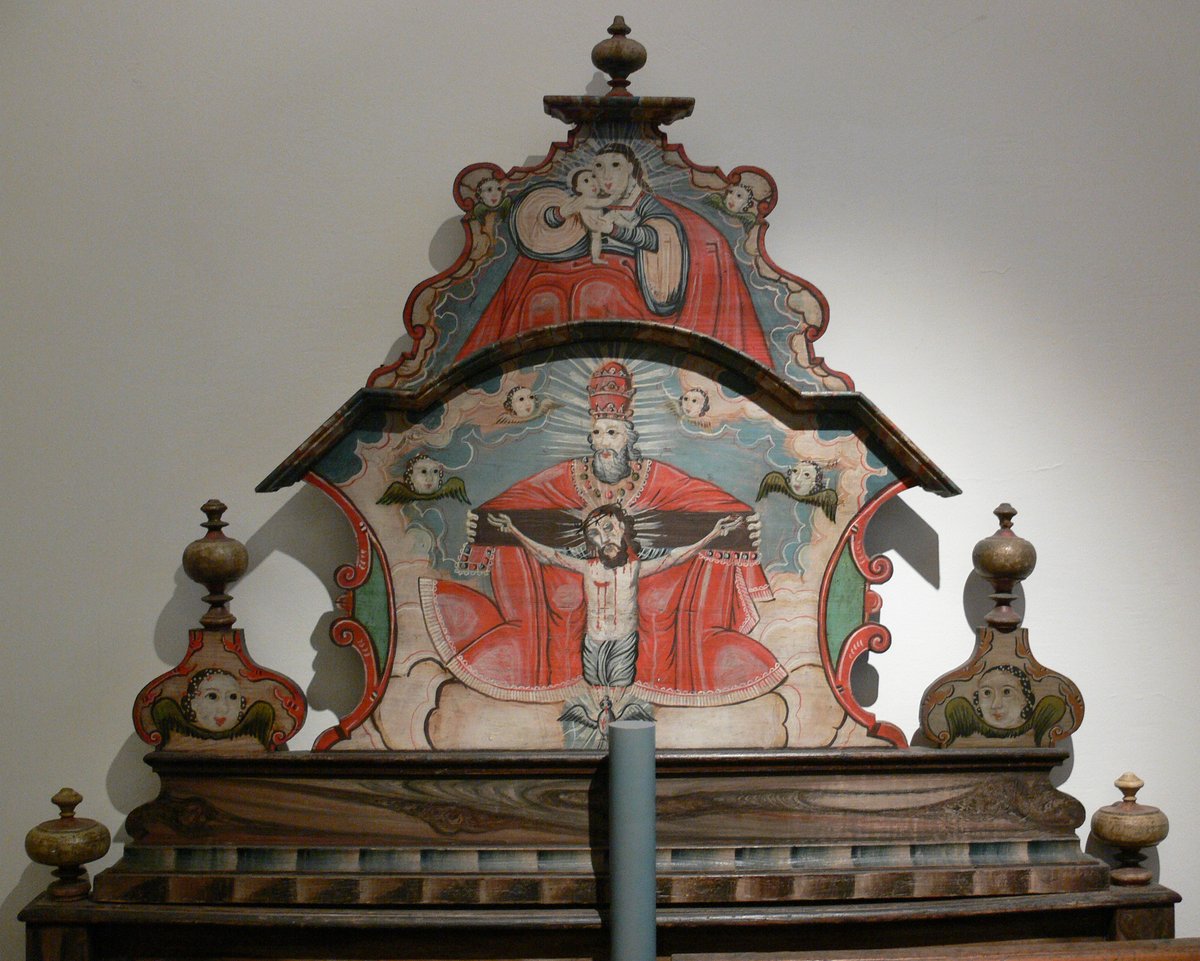
Painted softwood bed headboard featuring religious motifs of Gnadenstuhl and Madonna with Child, created by Urban Huemer in 1781, housed in the Austrian Museum of Folk Life and Folk Art in Vienna, inventory number 31.277.
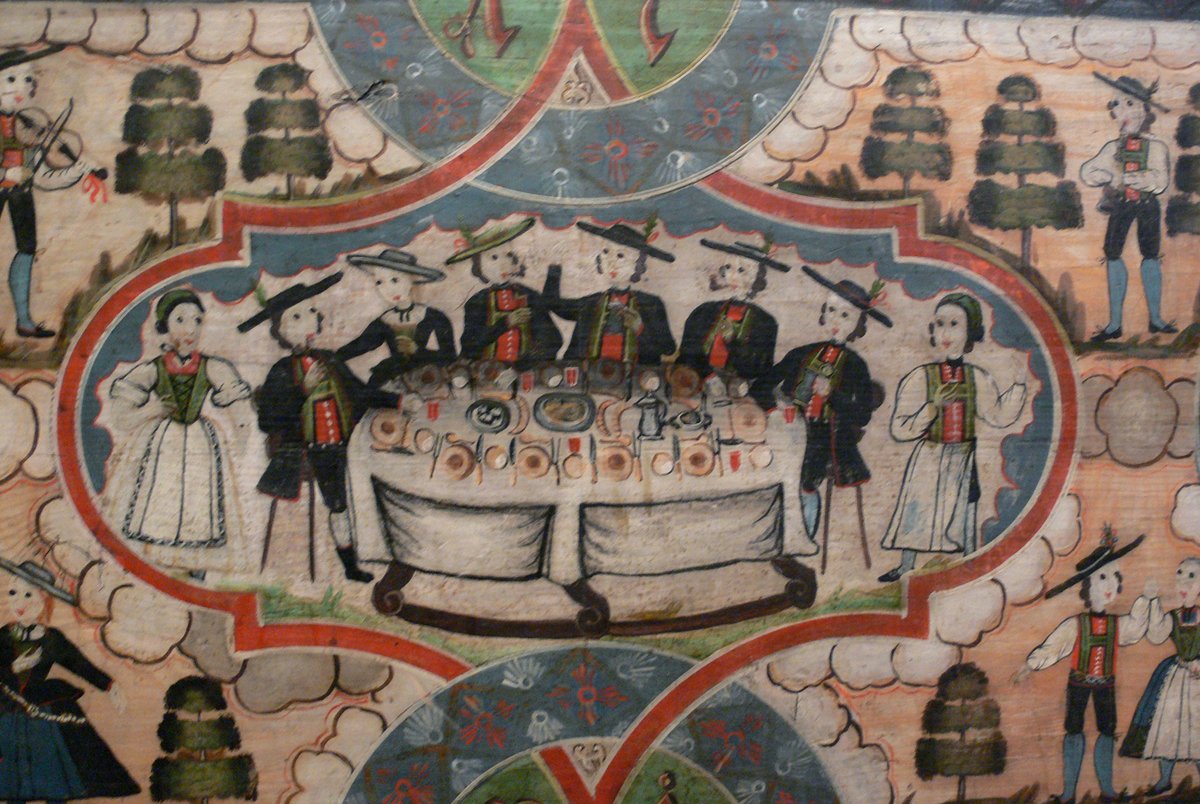
Softwood Aufsatzbett painted by Urban Huemer in 1781 showing a detailed scene of a wedding feast at the foot end. Exhibited in the Austrian Museum of Folk Life and Folk Art, Vienna, Austria.
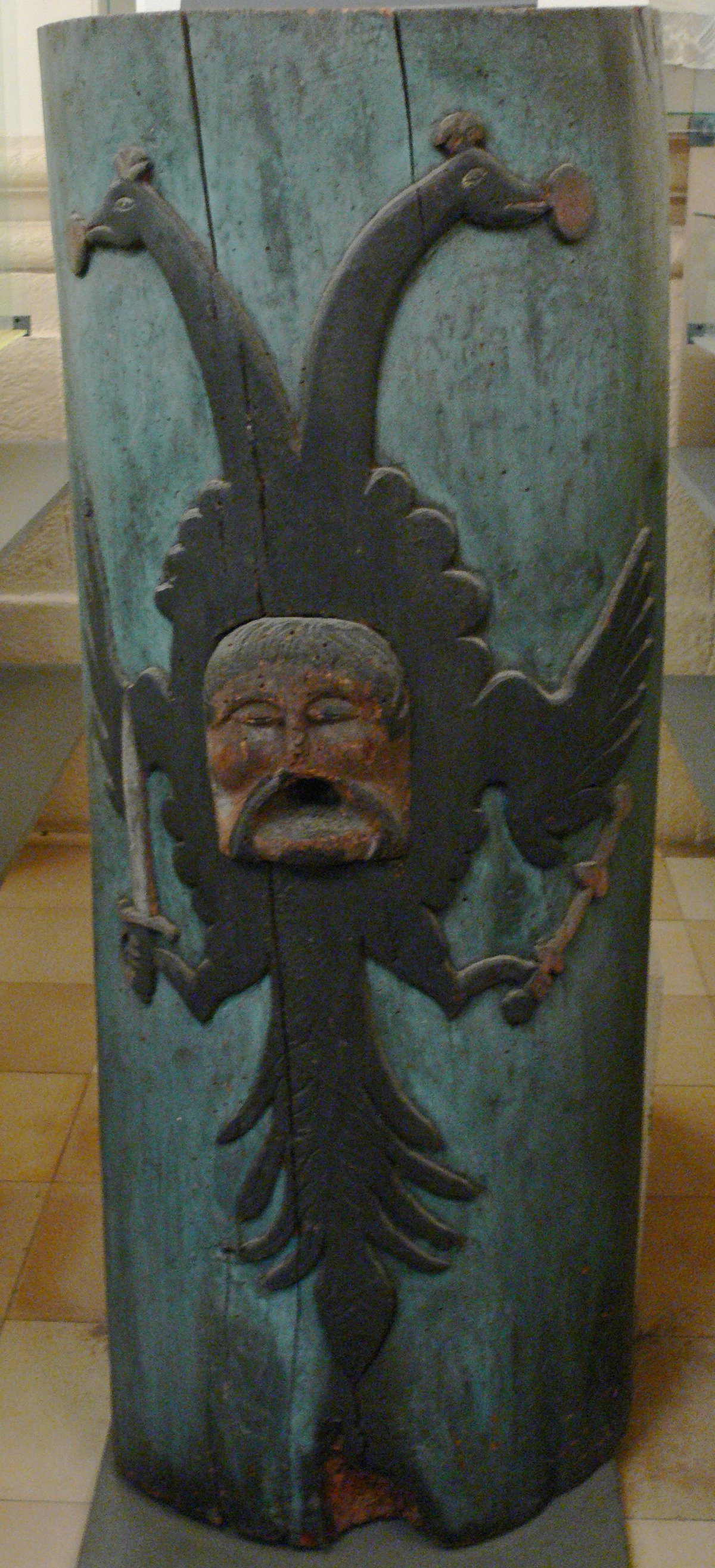
Traditional beehive decorated with an eagle and a Turkish head, displayed at the Austrian Museum of Folk Life and Folk Art in Vienna, Austria
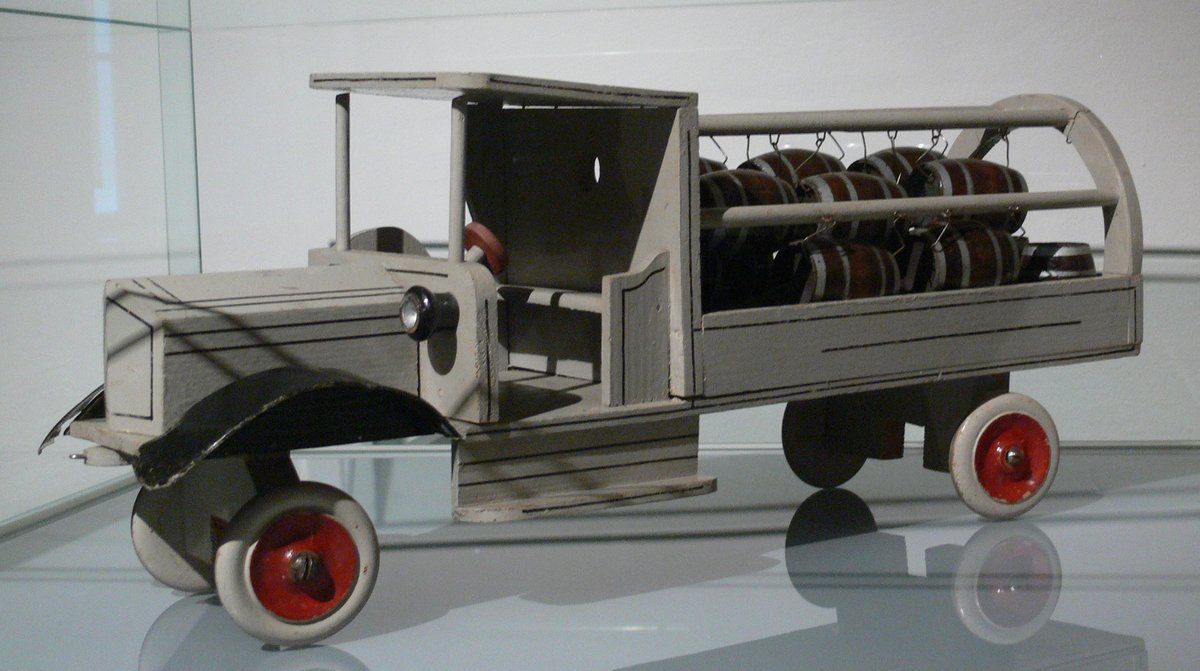
Handcrafted toy beer wagon from 1929, displayed at the Austrian Museum of Folk Life and Folk Art (ÖMV) in Vienna, showcasing traditional craftsmanship.
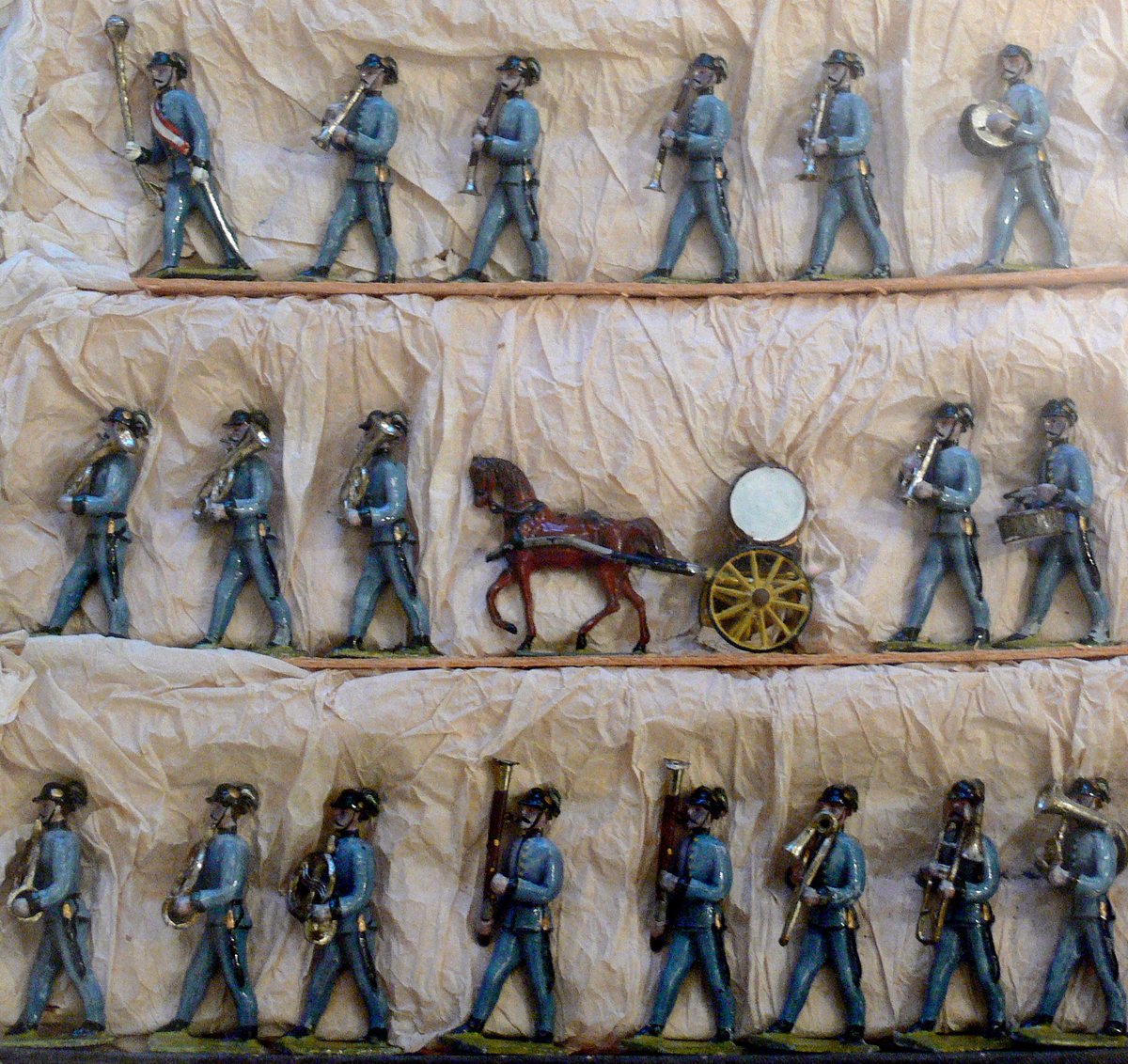
Painted lead cast figurine depicting Jägermusik, created in Vienna circa 1895, housed in the Austrian Museum of Folk Life and Folk Art (ÖMV), inventory numbers 50.531 – 50.553.
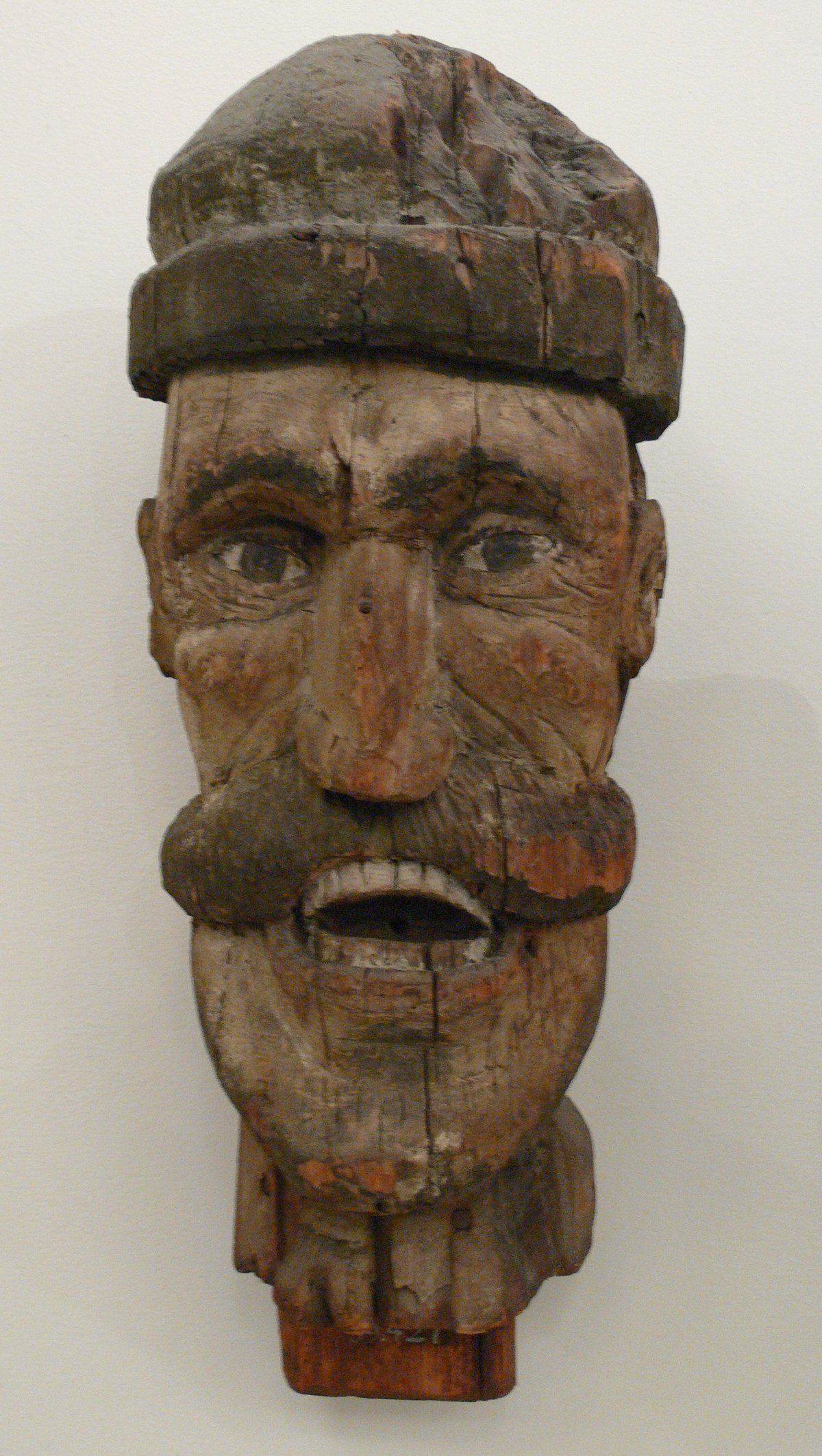
Image of the 'Türke' fountain figure from Pustertal in South Tyrol, dating back to around 1800, housed in the Austrian Museum of Folk Life and Folk Art in Vienna.
Founding and Early Development (1894–1917)
The museum emerged from the Society for Austrian Folk Life and officially opened in 1895. Initially, collections were stored in temporary locations before moving to Vienna’s Stock Exchange in 1898. The focus was on the broad cultural tapestry of the Austro-Hungarian Empire.
Move to Schönborn Palace and Interwar Period (1917–1938)
In 1917, the museum moved to the Schönborn Garden Palace, a Baroque palace by Johann Lucas von Hildebrandt. During the interwar years, the museum emphasized German-speaking regions and collected objects from Eastern Europe, aligning with prevailing cultural narratives.
Austrofascism and Nazi Era (1930s–1945)
The 1930s brought increased political alignment, with a focus on German-Austrian folklore. Under Nazi rule, the museum expanded its collections—sometimes under controversial circumstances—and heightened its emphasis on Germanic traditions.
Postwar Reorientation and Restitution (1945–1970s)
After WWII, the museum distanced itself from ideological uses of folk culture, focusing on academic research and restitution of objects. It developed into a respected center for folk life studies and public engagement.
Expansion and Contemporary Focus (1980s–Present)
Today, the museum’s collections reflect Austria’s diversity, featuring costumes, tools, furniture, and artifacts related to migration and cultural change. It also documents and promotes living traditions in partnership with UNESCO (Österreichisches Museum für Volkskunde – Sammlung).
Visiting the Museum: Practical Information
Opening Hours
- Tuesday to Sunday: 10:00 AM – 6:00 PM
- Closed: Mondays and select public holidays
Ticket Prices
- Adults: €10
- Reduced (students, seniors): €7
- Children under 19: Free
- Family ticket: €20
Purchase on-site or online (Austrian Museum tickets).
Accessibility
- Wheelchair accessible with elevators and adapted restrooms
- Assistance available upon request
Location and Directions
- Temporary Location (until mid-2026): Otto Wagner Areal, Vienna
- Permanent Address: Laudongasse 15–19, 1080 Vienna
- Accessible via Vienna’s U-Bahn (Josefstädter Straße/U6), trams, and buses
Guided Tours and Special Events
- Regular tours in German and English (advance booking recommended)
- Seasonal exhibitions, workshops, and cultural events—check the official website for details
Nearby Attractions
- Vienna Volksoper
- Augarten Park and Porcelain Museum
- Belvedere Palace
- Vienna’s historic center
Schönborn Palace: Architectural Significance
The Schönborn Garden Palace, designed by Johann Lucas von Hildebrandt, exemplifies Baroque elegance. While the interior has been adapted for museum use, highlights include the grand staircase and garden courtyard, ideal for photos and quiet reflection (Schönborn Garden Palace).
Renovations and Temporary Relocation
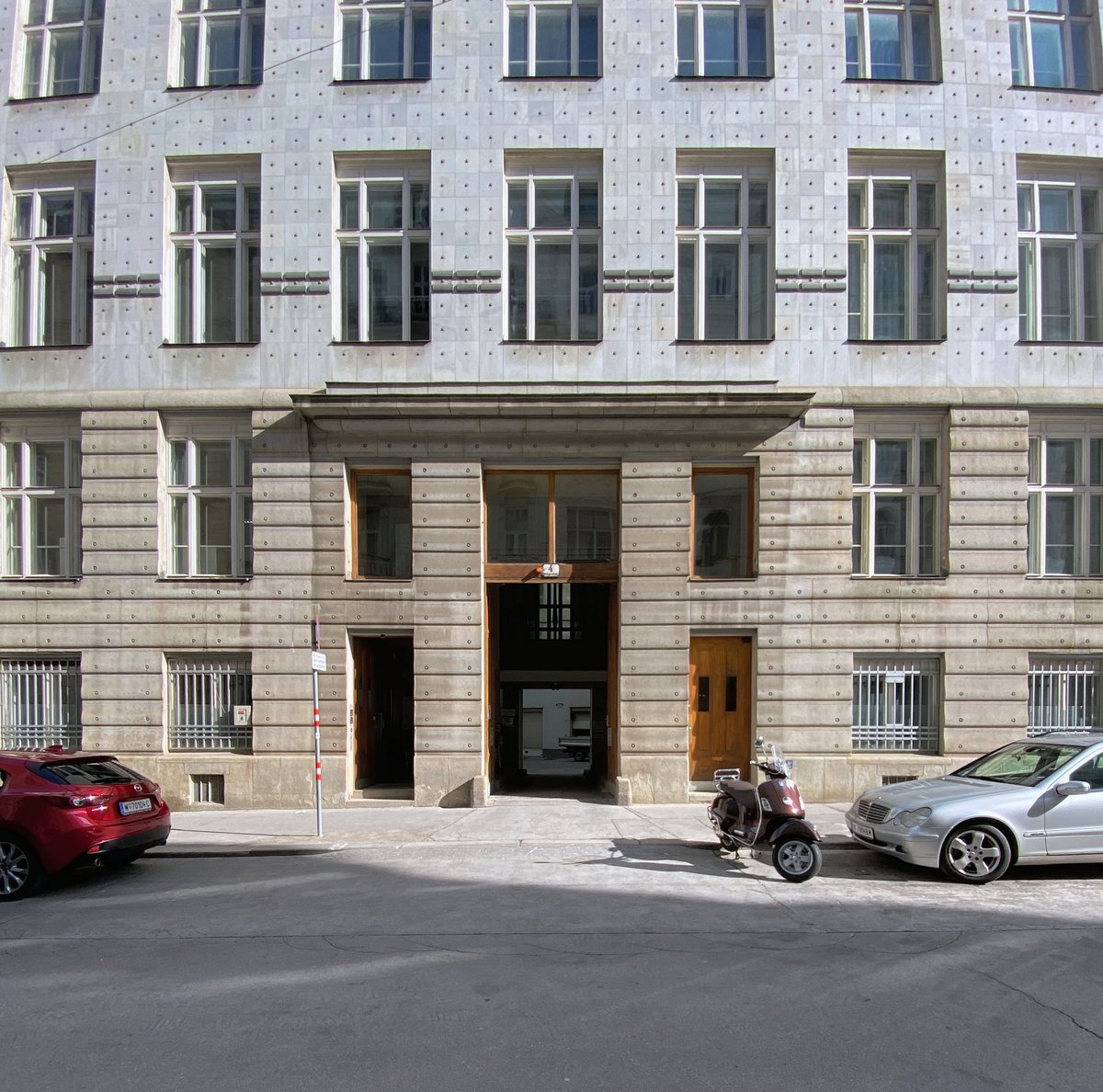
From autumn 2024 through mid-2026, the museum is temporarily located at the Otto Wagner Areal to allow for comprehensive renovations. These upgrades are designed to enhance visitor comfort and preserve the historic features of the Schönborn Palace. Always confirm current location and opening hours on the museum website before your visit.
Must-See Exhibits and Highlights
- Traditional Costumes (Trachten): Over 10,000 garments showcasing regional diversity (Austrian Folk Costume)
- Domestic Interiors: Authentic reconstructions with Biedermeier furniture
- Tools and Rural Life: Agricultural, forestry, and craft implements
- Religious Folk Art: Votive paintings, nativity scenes, banners (Religious Folk Art)
- Festive Traditions: Masks, processional objects, Maypole ornaments
- Painted Furniture and Ceramics: Including Gmunden ceramics (Gmunden Ceramics)
- Toys and Childhood: Historic toys and educational materials
- Urban Folk Culture: Viennese coffeehouses, heuriger traditions (Vienna’s Coffeehouse Culture)
- Migration and Modernity: Contemporary exhibits addressing migration’s impact
Regular temporary exhibitions further enrich the visitor experience (Current Exhibitions).
Visitor Facilities and Accessibility
- Ramps and elevators for main exhibition spaces
- Accessible restrooms and cloakroom/locker services
- Baby-changing facilities
- Contact the museum in advance for specific accessibility needs
Events and Educational Programs
- Guided tours in German and English
- Thematic and family-friendly workshops
- Educational activities for children and school groups
- Public lectures and community events (Community Projects)
Visitor Experience
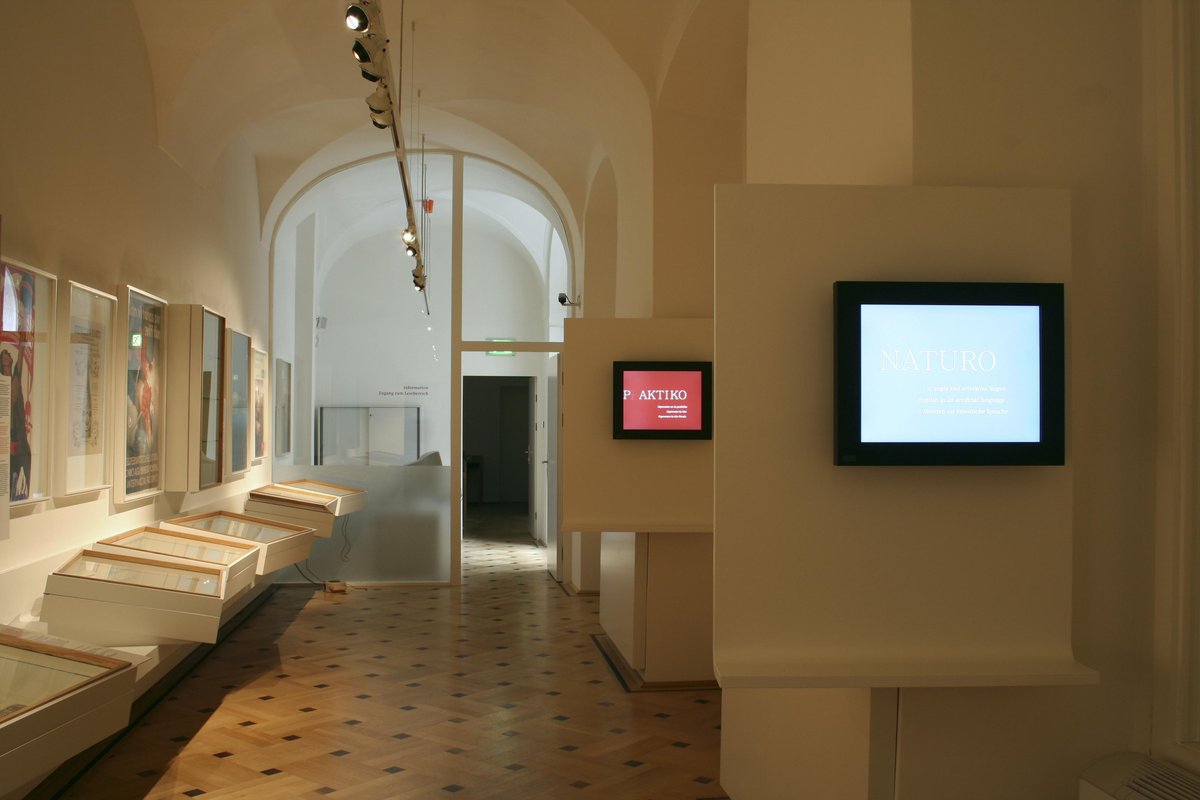
The museum’s atmosphere is enhanced by its Baroque architecture and immersive exhibits. Bilingual signage, multimedia displays, and interactive stations are available. Families can enjoy activity booklets and scavenger hunts. Quiet seating areas provide opportunities for reflection.
Museum Shop and Nearby Cafés
A curated museum shop offers books, postcards, handicrafts, and souvenirs. While there’s no on-site café, many charming cafés and restaurants are within walking distance in Vienna’s Josefstadt district.
FAQs
Q: What are the museum’s opening hours?
A: Tuesday to Sunday, 10:00 AM to 6:00 PM; closed Mondays and select public holidays.
Q: How can I buy tickets?
A: Tickets are available on-site and online via the official website.
Q: Is the museum accessible?
A: Yes, with ramps, elevators, and accessible restrooms.
Q: Are guided tours available in English?
A: Yes, advance booking is recommended.
Q: Is photography allowed?
A: Non-flash photography is permitted in permanent exhibitions.
Q: What are the best times to visit?
A: Weekday mornings are usually quieter.
Visuals and Media Recommendations
- Include high-quality images of the Schönborn Palace exterior, interior, and key exhibits (with descriptive alt tags)
- Virtual tours and interactive maps are available on the museum website
- For professional photography, obtain prior permission
Related Articles
- Explore Vienna’s Top Historical Museums
- Learn about Austrian Traditional Costumes
- Guide to Visiting Vienna’s Baroque Architecture
Listen to the full story in the app
Your Personal Curator, in Your Pocket.
Audio guides for 1,100+ cities across 96 countries. History, stories, and local insight — offline ready.
Audiala App
Available on iOS & Android
Join 50k+ Curators
Sources
- verified
- verified
- verified
- verified
- verified
- verified
Last reviewed: