Introduction
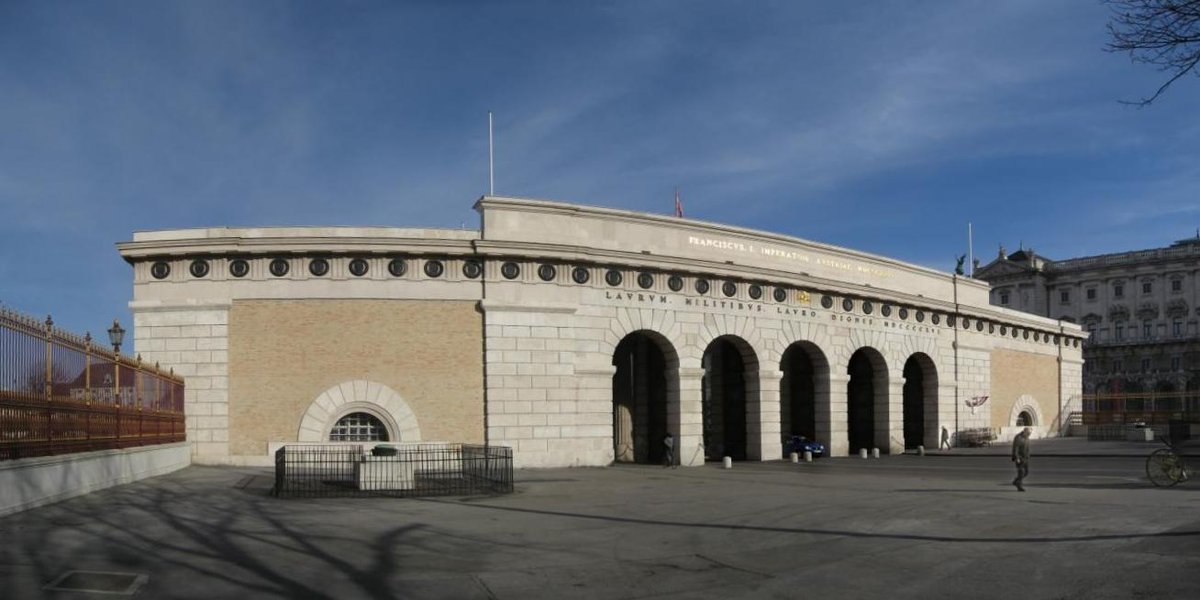
The Burgtor, or 'Castle Gate,' is an iconic neoclassical triumphal arch located in the heart of Vienna, Austria. As one of Vienna's most prominent historical landmarks, the Burgtor stands as a testament to Austria's rich cultural heritage and symbolizes national resilience and triumph. Constructed between 1821 and 1824, this grand structure was designed by architect Peter von Nobile to commemorate Austria's victory over Napoleon at the Battle of Leipzig and the subsequent peace treaties that reshaped Europe (Vienna History).
The Burgtor's architectural elegance—marked by its symmetrical design, Doric columns, and intricate reliefs—reflects the influence of ancient Roman architecture, making it a prime example of neoclassical design (ArchDaily). Beyond its architectural beauty, the Burgtor holds significant symbolic value for Austria, serving as a monument to the nation's historical struggles and victories, as well as a backdrop for national celebrations and military parades (Vienna Unwrapped).
This comprehensive guide will provide you with all the essential information needed to plan your visit to the Burgtor. From its historical background and architectural significance to practical travel tips and nearby attractions, this guide aims to enhance your understanding and appreciation of this remarkable landmark.
Photo Gallery
Explore Äußeres Burgtor in Pictures
History and Significance
Historical Background
The Burgtor, constructed between 1821 and 1824 under the reign of Emperor Francis I of Austria, was designed by architect Peter von Nobile. Inspired by ancient Roman triumphal arches, the gate commemorates Austria's victory over Napoleon and the subsequent peace treaties that reshaped Europe (Vienna History).
Architectural Design
The Burgtor is a prime example of neoclassical architecture, characterized by its symmetrical design, clean lines, and use of classical elements such as columns and arches. The gate features five arches, with the central arch being the largest, and is adorned with various reliefs and inscriptions that celebrate the military achievements of the Austrian Empire (ArchDaily).
Symbolic Significance
The Burgtor serves as a monument to the resilience and strength of the Austrian Empire during a tumultuous period in European history. It symbolizes peace and stability, marking the end of the Napoleonic Wars and the beginning of a new era for Austria. The inscriptions on the gate emphasize its symbolic importance (Vienna Unwrapped).
Visitor Information
Visiting Hours and Tickets
The Burgtor is open to the public 24 hours a day, making it easily accessible at any time. While there is no entrance fee to pass through the gate itself, guided tours of the nearby Hofburg Palace may have associated ticket costs. For the latest information on guided tours and ticket prices, visit the Vienna Tourist Board.
Travel Tips
- Best Time to Visit: Early mornings or late afternoons are ideal for avoiding crowds and capturing beautiful photos.
- Accessibility: The Burgtor is wheelchair accessible, and the surrounding areas, including Heldenplatz and the Hofburg Palace, offer additional attractions worth exploring.
- Nearby Attractions: Don’t miss the Heldenplatz (Heroes' Square) and the Hofburg Palace, both rich in history and cultural significance.
- Guided Tours: Consider joining a guided tour for a more in-depth understanding of the Burgtor's history and significance. Check out Vienna Travel Guide for tour options.
Commemorative Events and Preservation
Commemorative Events
The Burgtor is a venue for various commemorative events and ceremonies, including Austria's National Day on October 26th, when the gate is often illuminated and decorated with flags. It also serves as a backdrop for military parades and other official events (Austrian National Day).
Preservation and Restoration
Over the years, the Burgtor has undergone several restoration projects to preserve its structural integrity and aesthetic appeal. The most recent restoration project was completed in 2018, ensuring that the Burgtor remains a prominent landmark for future generations (Vienna City Administration).
Visitor Experience and Cultural Impact
Visitor Experience
Visitors can explore the Burgtor's intricate architectural details and learn about its historical context through informational plaques and guided tours. The surrounding area, including Heldenplatz and the Hofburg Palace, offers additional attractions and points of interest, providing a comprehensive cultural experience (Vienna Travel Guide).
Cultural Impact
The Burgtor has made its mark in popular culture, appearing in various films, literature, and artworks that depict Vienna's rich history. Its iconic design and historical significance make it a recognizable symbol of the city, often featured in postcards, travel brochures, and other promotional materials (Cultural Vienna).
Educational Importance
The Burgtor serves as an educational resource for students and scholars interested in European history, architecture, and art. Its construction and design provide valuable insights into the neoclassical architectural style and the historical context of the early 19th century. Educational programs and workshops are often held at the site (Vienna Educational Programs).
Discover More
The Burgtor stands as a testament to Austria's rich history and cultural heritage. Its architectural beauty, historical significance, and symbolic value make it a must-visit landmark for anyone exploring Vienna. Through ongoing preservation efforts and its role in modern cultural events, the Burgtor continues to be a vital part of Vienna's identity and a source of national pride. Plan your visit today and don’t forget to check out other historical sites in Vienna to enhance your travel experience (Vienna Cultural Heritage).
Listen to the full story in the app
Your Personal Curator, in Your Pocket.
Audio guides for 1,100+ cities across 96 countries. History, stories, and local insight — offline ready.
Audiala App
Available on iOS & Android
Join 50k+ Curators
Sources
- verified
- verified
- verified
- verified
- verified
- verified
Last reviewed: