Introduction
Nestled in Vienna’s historic city center, adjacent to the Hofburg Imperial Palace, the Augustinian Church (Augustinerkirche) stands as a testament to Austria’s medieval origins, imperial traditions, and cultural vibrancy. Founded in 1327 by Duke Frederick the Handsome, this Gothic church became the private place of worship for the Habsburg dynasty, hosting royal weddings, funerals, and sacred music premieres. Today, it captivates visitors with its rich blend of Gothic, Baroque, and Neoclassical art and continues to serve as a living monument to Vienna’s imperial and ecclesiastical heritage. This guide provides detailed information on visiting hours, tickets, accessibility, historical highlights, and practical tips to help you make the most of your visit.
Photo Gallery
Explore Augustinian Church in Pictures
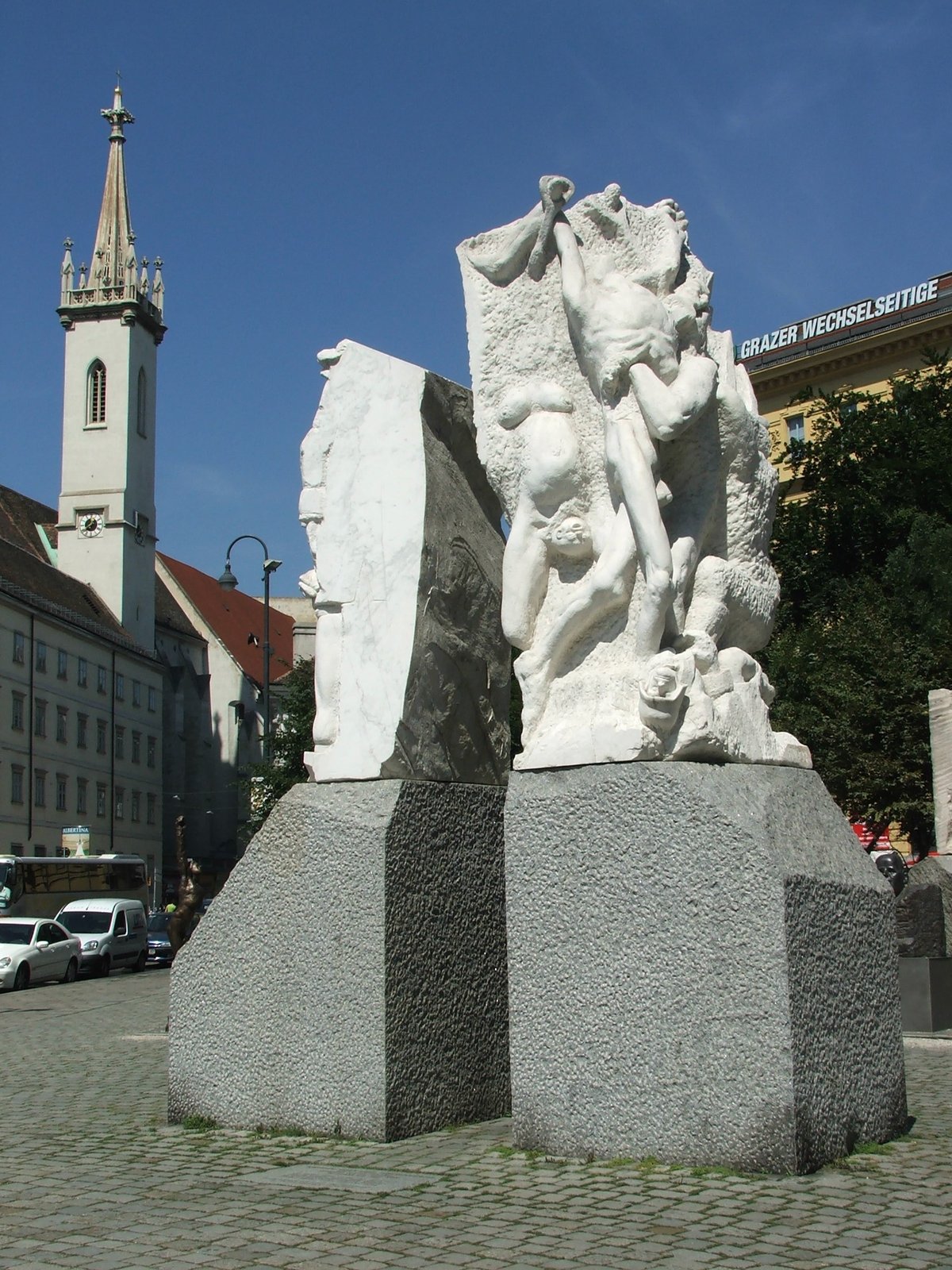
Sculptural artwork Monument Against War and Fascism created by Alfred Hrdlicka representing anti-war and anti-fascist themes
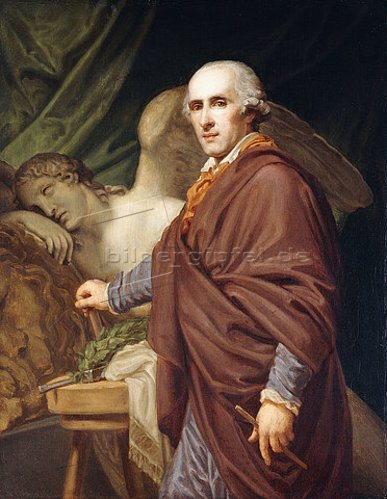
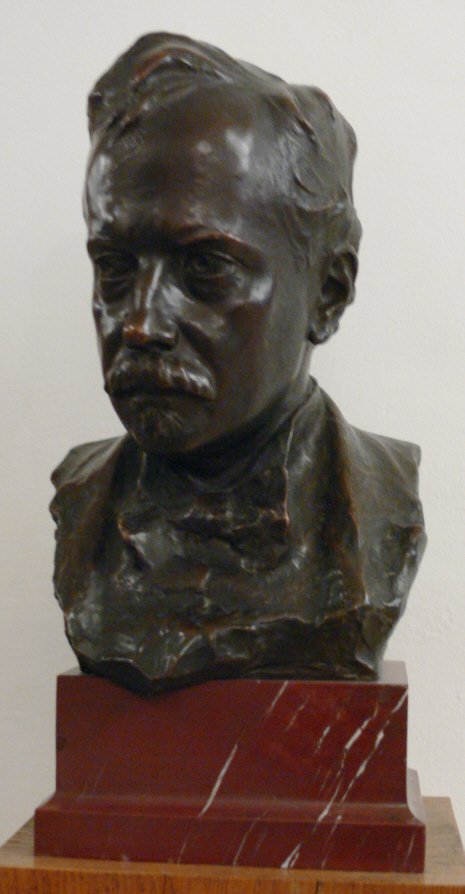
Historical image of sculptor Antonio Canova before the cenotaph he created in 1805 for Maria Christina, Duchess of Teschen, located in the Augustinian Church in Vienna.
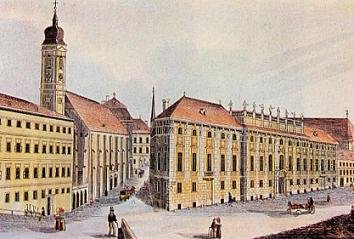
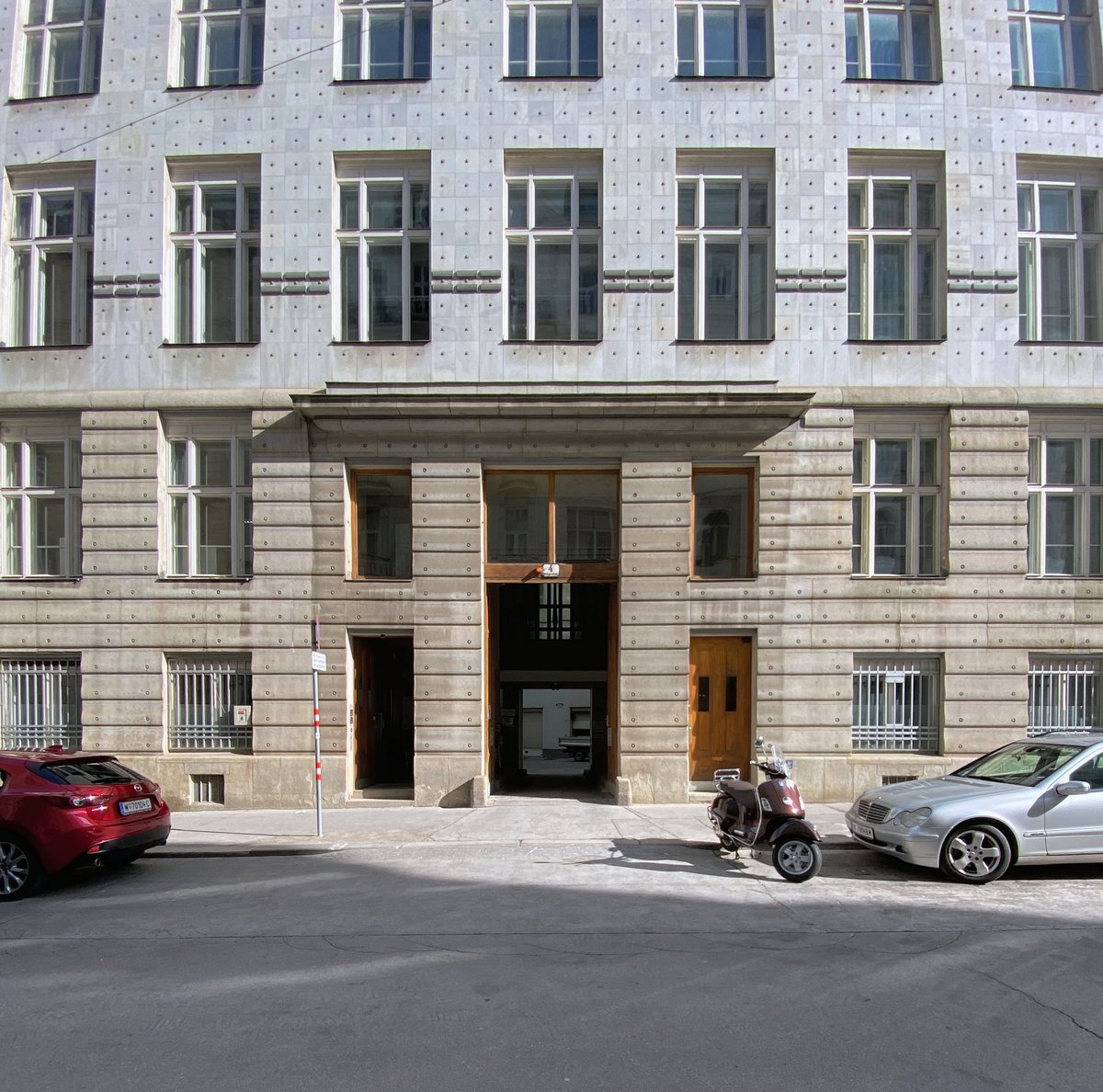
Lobkowicz Palace, a historic building in Prague, known for its distinct architectural style and cultural significance.
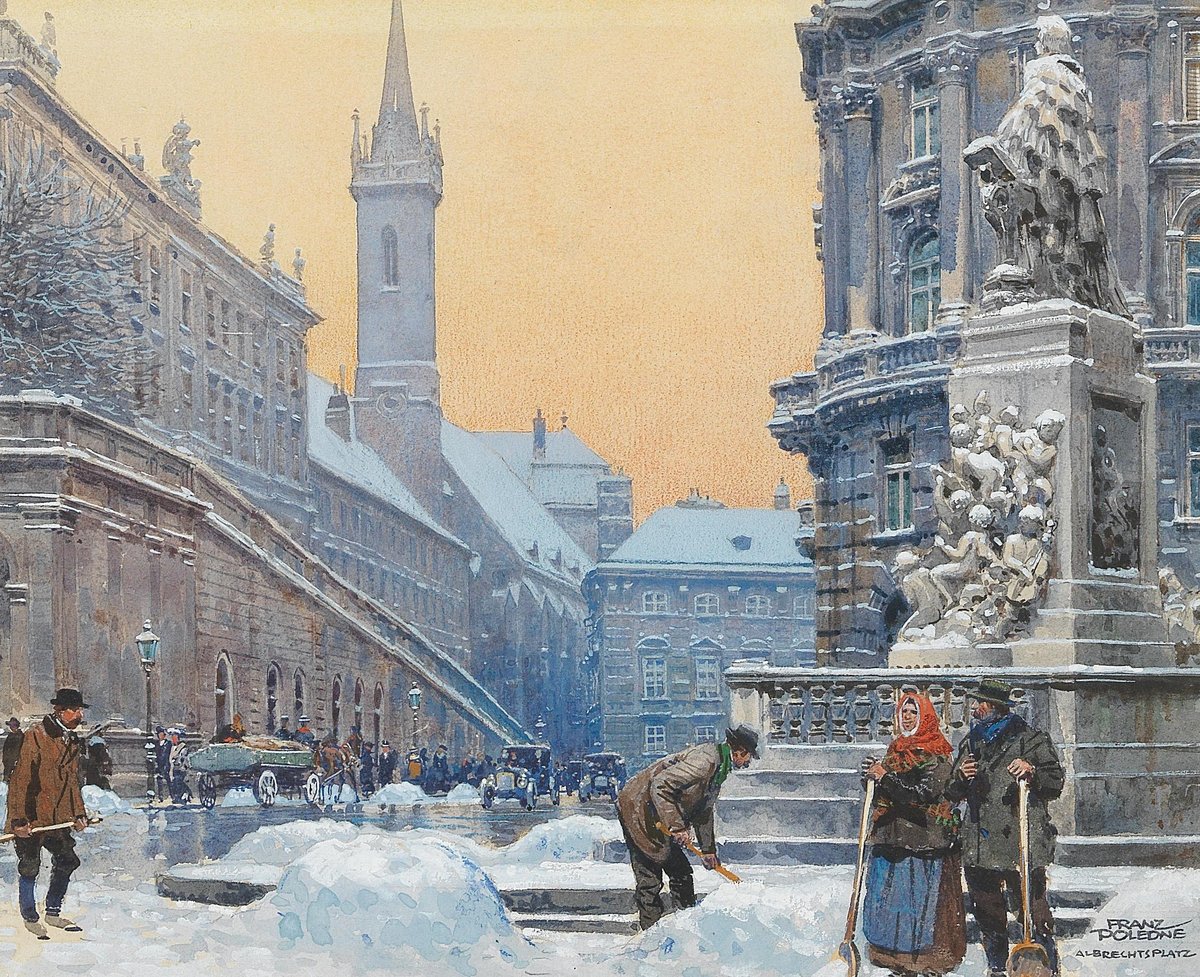
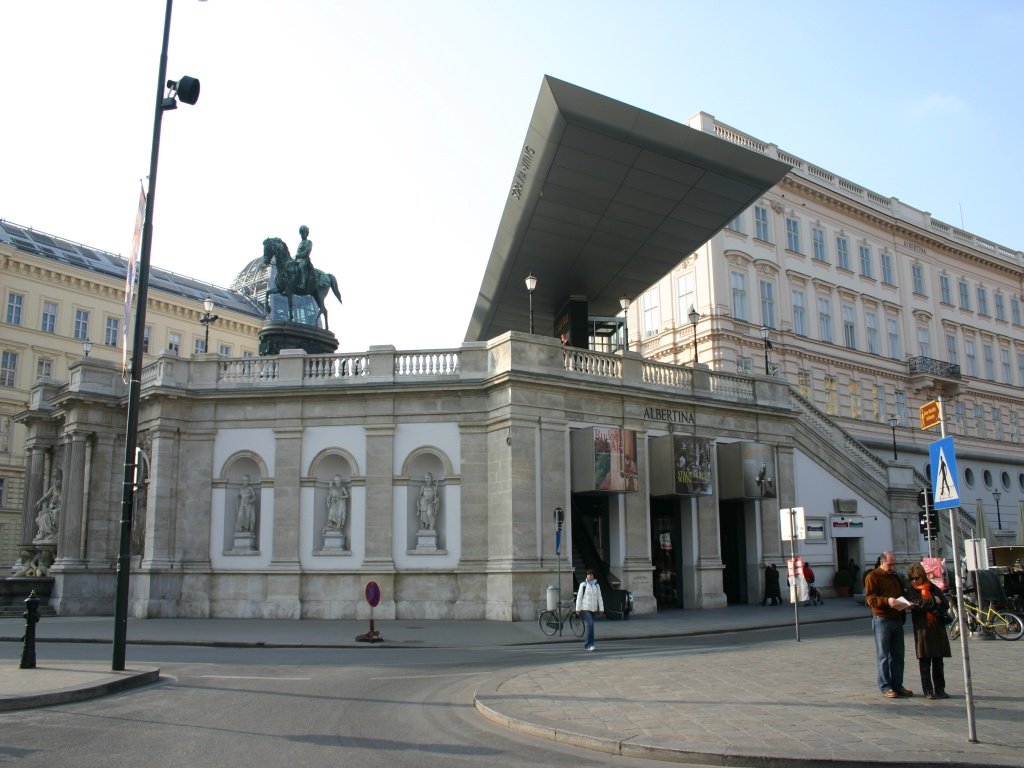
Scenic view of the Augustinian Church and Albertina museum located at Albrechtsplatz in the 1010 district of Vienna
Foundation and Early History
The Augustinian Church was established in 1327 by Duke Frederick the Handsome to serve the Augustinian friars and as a spiritual companion to the neighboring Hofburg Palace (historyofroyalwomen.com). Construction began in 1330 and was completed by 1339, showcasing the Gothic architectural style that prevailed in Central Europe during the 14th century (viennaitineraries.com). Its strategic location and ecclesiastical significance soon made it the focal point for Habsburg religious and dynastic events.
Imperial Court Church: Royal Events and Traditions
From the very beginning, the Augustinian Church was closely linked to the Habsburg monarchy. Through a direct passage to the Hofburg, it became the dynasty’s private church, hosting royal weddings and funerals, and serving as the venue for unique imperial traditions.
Notable Imperial Weddings:
- Maria Theresa & Francis of Lorraine (1736): The marriage cemented the Habsburg-Lorraine lineage.
- Marie Louise & Emperor Napoleon (1810): A political alliance at the height of Napoleonic power.
- Franz Joseph I & Elisabeth (“Sisi”) (1854): Their famed wedding remains a highlight in Viennese history.
- Crown Prince Rudolf & Stephanie of Belgium (1881): A lavish but ultimately tragic union (viennaitineraries.com).
Imperial Funerary Traditions:
The Loreto Chapel houses the Herzgruft (Heart Crypt), containing silver urns with the hearts of 54 Habsburg family members—a unique ritual symbolizing dynastic devotion (viennaitineraries.com).
Architectural and Artistic Highlights
Gothic Origins and Structural Features
The church’s original Gothic design is visible in its soaring nave, ribbed vaults, and slender columns, creating a sense of verticality and spiritual uplift (Wikipedia; Visiting Vienna). The exterior, particularly along Augustinerstraße, is strikingly austere, reflecting the mendicant order’s emphasis on humility (All About Vienna).
Baroque and Neoclassical Enhancements
- Loreto Chapel: A Baroque addition, this chapel’s ornate decoration frames the Herzgruft (Augustinian Order).
- Canova’s Monument: The Neoclassical tomb of Archduchess Maria Christina, crafted by Antonio Canova, is a highlight for art enthusiasts. Its white marble pyramid and allegorical figures are among Europe’s finest funerary sculptures (Augustinian Order).
Additional Features
- Clock and Bell Tower: A modest yet elegant tower facing Albertinaplatz (All About Vienna).
- Side Chapels: St. George’s Chapel, tied to the Habsburg chivalric Order of George.
Musical Heritage
The Augustinian Church is renowned for its liturgical music and acoustics, attracting composers such as Schubert and Bruckner, who premiered major works here. The church houses two remarkable historic organs and hosts regular concerts, especially during Sunday High Mass at 11:00 a.m., featuring performances of Mozart, Haydn, and Schubert (Awesome Vienna; wien.info).
Visiting Information: Hours, Tickets, and Accessibility
Opening Hours
- Standard Hours:
- Monday–Saturday: 9:00 AM–6:00 PM
- Sundays: 10:00 AM–7:00 PM
- (Some sources note 8:00 AM–7:30 PM; always check official website or wien.info for updates).
Admission and Tickets
- General Entry: Free (donations appreciated)
- Guided Tours/Concerts: May require tickets; check current schedules
Accessibility
- Wheelchair Access: Ramps available at main entrance; Loreto Chapel requires steps (wien.info)
- Restrooms: Not available inside; use nearby Hofburg facilities
Location
- Address: Augustinerstraße 3, 1010 Vienna
- Public Transport: Close to Stephansplatz and Herrengasse U-Bahn stations, multiple tram/bus routes (theviennablog.com)
Visitor Experience: Etiquette, Facilities, and Tips
Etiquette and Dress Code
- Dress Modestly: Shoulders and knees covered; hats removed
- Quiet Respect: Speak softly, especially during services and concerts
- Photography: Permitted without flash, but not during ceremonies
Facilities
- No on-site cafés or shops
- Informational brochures may be available; tourist information nearby at Albertinaplatz (wien.info)
Visitor Tips
- Arrive early for High Mass or concerts to secure seating
- Donate to support preservation
- Plan self-guided or arrange group tours in advance
Nearby Attractions and Itinerary Suggestions
The church’s central location makes it ideal for exploring Vienna’s imperial heritage. Notable nearby sites:
- Hofburg Palace: Museums, Spanish Riding School, Imperial Apartments
- St. Stephen’s Cathedral: Vienna’s Gothic masterpiece
- Kunsthistorisches Museum: World-class art collections
- Austrian National Library: Baroque architectural marvel
- Vienna State Opera: Renowned musical venue (trip.com)
Combine these for a rich day exploring the heart of Vienna.
Frequently Asked Questions (FAQ)
What are the Augustinian Church’s opening hours?
Standard hours: Mon–Sat 9:00 AM–6:00 PM, Sun 10:00 AM–7:00 PM. Confirm on official website as times may vary.
Is there an entrance fee?
No, entry is free. Donations are encouraged.
Is the church accessible for visitors with disabilities?
Partial accessibility; ramps at main entrance but steps to some chapels.
Are guided tours available?
Not regularly, but special group tours can be arranged by appointment.
Can I attend concerts or High Mass?
Yes, High Mass with orchestra and choir is held Sundays at 11:00 a.m.; check for concert schedules.
Are photos allowed?
Yes, without flash and not during services.
Listen to the full story in the app
Your Personal Curator, in Your Pocket.
Audio guides for 1,100+ cities across 96 countries. History, stories, and local insight — offline ready.
Audiala App
Available on iOS & Android
Join 50k+ Curators
Sources
- verified
- verified
- verified
- verified
- verified
- verified
- verified
- verified
- verified
- verified
Last reviewed: