Introduction
Augartenbrücke is a landmark bridge in Vienna, Austria, spanning the Donaukanal and connecting the districts of Leopoldstadt and Alsergrund. Far more than a functional crossing, it is a symbol of Vienna’s historical evolution, architectural ingenuity, and commitment to urban sustainability. This guide provides detailed information on Augartenbrücke’s history, visiting hours, accessibility, ticket information for nearby sites, and tips for exploring its surrounding attractions—helping you plan a memorable visit to this enduring Viennese landmark.
Photo Gallery
Explore Augartenbrücke in Pictures

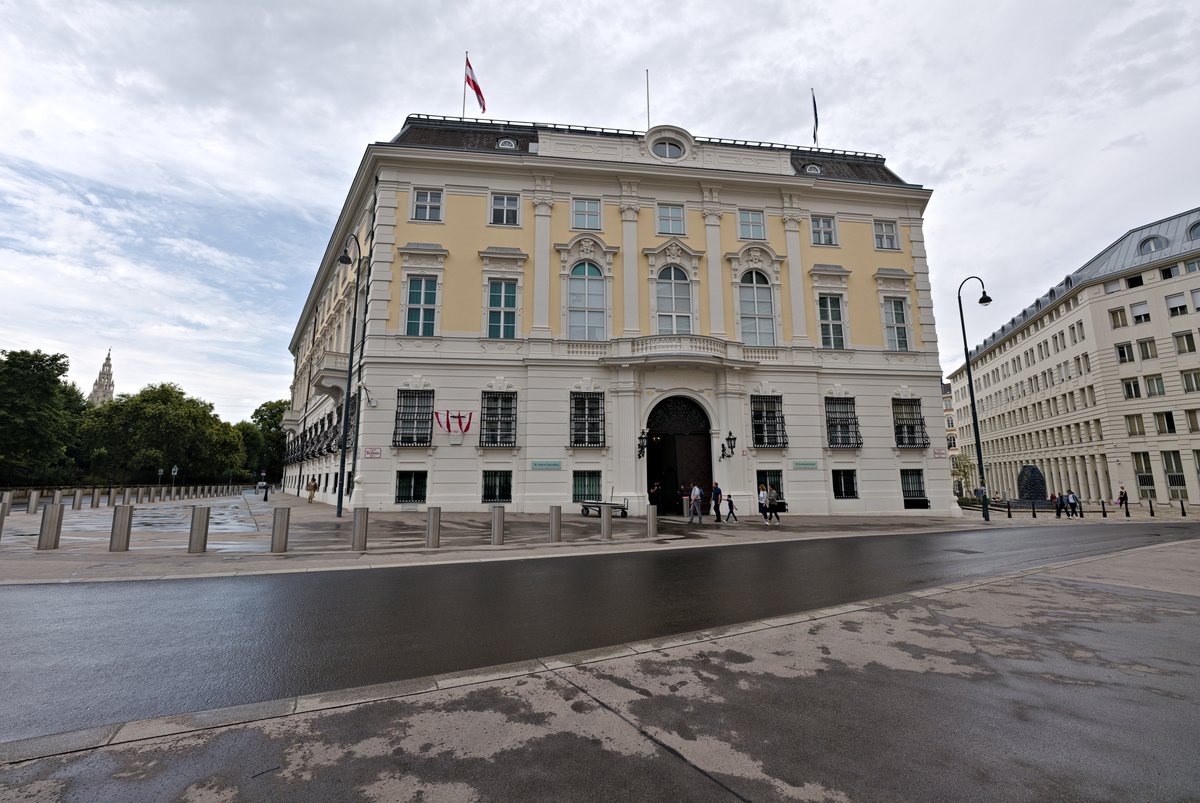
Augartenbrücke bridge in Vienna, Austria, spanning the Danube Canal, connecting the districts of Innere Stadt and Leopoldstadt with urban cityscape views

Photo of the historic Augartenbrücke bridge in Vienna, spanning the Danube Canal and connecting the Innere Stadt and Leopoldstadt districts.

Photograph of the Donaukanal featuring canal regulation structures, including bridges, railings, and other riverbank constructions in an urban environment.

Scenic view of Freda-Meissner-Blau-Promenade located in the 1st district of Vienna, showcasing urban architecture and street atmosphere.

Image of a traditional Würstelstand food stand located in the 2nd district of Vienna, Austria, showcasing historical style from the Kaiserzeit period.
Historical Evolution
Early Origins & 19th Century: Maria-Theresien-Brücke
The site of Augartenbrücke has long served as a critical crossing over the Donaukanal, facilitating movement between the city center and the historic Augarten park. The first significant bridge at this location was the Maria-Theresien-Brücke, constructed in 1873 during Vienna’s period of rapid urban expansion. This iron and stone bridge exemplified the technological advancements of the late nineteenth century, accommodating horse-drawn carriages, early public transport, and pedestrians (thearchitectsdiary.com).
20th Century: Construction of Augartenbrücke
With the rise of trams and automobiles in the early 20th century, the Maria-Theresien-Brücke could no longer meet the demands of modern traffic. In response, Vienna’s municipal authorities commissioned a new design. Architect Hubert Gessner’s modernist vision, featuring functional lines and robust materials, was selected. The new Augartenbrücke, inaugurated in 1931, was constructed with a steel girder structure, balancing aesthetic restraint with engineering strength (dasrotewien.at).
WWII and Restoration
During World War II, as German troops retreated from Vienna in 1945, bridges across the Donaukanal were targeted for destruction. Augartenbrücke, thanks to its durable construction, sustained only partial damage and became the first Donaukanal bridge reopened after the war in January 1946. Its swift restoration was vital for reconnecting Vienna’s districts during postwar recovery (dasrotewien.at).
Architectural Features & Renovations
Augartenbrücke extends 78 meters across the canal and is characterized by a steel girder frame with reinforced concrete. The bridge’s design reflects modernist principles—clean lines, minimal ornamentation, and practical functionality—hallmarks of interwar Viennese architecture. Notably, it was designed to adapt to changing urban needs, supporting trams, vehicles, cyclists, and pedestrians (wien.gv.at).
A comprehensive renovation completed in 2025 improved safety and accessibility. The update included a six-meter-wide two-way cycle path, separated pedestrian walkways, and upgraded tram lines, with careful preservation of original elements (wien.gv.at).
Visiting Hours, Tickets & Accessibility
- Visiting Hours: Open to the public 24/7; there are no restrictions on crossing the bridge at any time.
- Tickets: No entrance fee is required to visit or cross Augartenbrücke.
- Accessibility: The bridge features smooth walkways and ramps, making it fully accessible for wheelchairs, strollers, and bicycles. Renovation works ensure maintained accessibility, with temporary ramps and clear signage during construction.
Nearby Attractions Ticket Info:
- Augarten Park: Open daily from dawn to dusk; free entry.
- Porcelain Manufactory Augarten: Open Tuesday–Sunday, 10:00–17:00; guided tours require advance booking and a ticket (approx. €12 for adults).
- Other Museums (e.g., Sigmund Freud Museum, Kunst Haus Wien): Check individual websites for hours and ticket prices.
How to Get There
- Public Transport:
- U-Bahn: Schottenring (U2, U4) and Taborstraße (U2) are the nearest stations, both within a ten-minute walk.
- Tram: Lines 1 and 31 stop nearby.
- Bus: Several city bus routes serve the area.
- Cycling: Dedicated bike lanes cross the bridge and connect with Vienna’s extensive cycling network.
- Walking: The Donaukanal promenade passes beneath the bridge, creating a scenic route for pedestrians.
Nearby Attractions
Augarten Park & Flak Towers
- Augarten Park: A historic Baroque park known for its symmetrical gardens, shaded avenues, and cultural importance. Within the park, visitors find the renowned Porcelain Manufactory and the imposing WWII Flak Towers, which provide a dramatic contrast to the park’s tranquil landscape (worldlyknown.com).
Leopoldstadt
- Leopoldstadt District: A multicultural area with a lively arts scene, the Karmelitermarkt for culinary delights, and numerous cafes.
- St. Johann Nepomuk Chapel: A quaint chapel at the bridge, adding historical value (Austria Sites).
Danube Canal Promenade
- Donaukanal Promenade: Lined with street art, open-air bars, and pop-up restaurants like Badeschiff and Strandbar Herrmann. A favorite spot for jogging, cycling, and riverside relaxation (Vienna Unwrapped).
Cultural Venues
- Porcelain Manufactory Augarten: Offers guided tours of workshops and a shop with authentic Viennese porcelain (Augarten Porcelain).
- Sigmund Freud Museum & Kunst Haus Wien: Museums dedicated to psychoanalysis and innovative architecture, both within walking distance.
- Vienna Boys’ Choir: Based in Augarten Palace, with regular performances.
Additional Points of Interest
- Historic Bridges: Schwedenbrücke and Salztorbrücke nearby offer scenic views.
- Urania Observatory: Art Nouveau building with public stargazing events (Urania Observatory).
- Prater Park: Vienna’s largest park, accessible by tram or a 25-minute walk (Rough Guides).
- Karmelitermarkt & Naschmarkt: Popular for fresh food, weekend brunches, and flea markets (Nomadic Matt).
Travel Tips
- Best Time to Visit: Spring to early autumn for pleasant weather and vibrant outdoor events.
- Renovation Notice: Ongoing renovation work (until May 2025) may cause temporary route changes. Check official city traffic updates before visiting (Vienna.at).
- Accessibility: Temporary ramps and alternative routes ensure continued access during renovations.
- Local Events: Look out for open-air concerts, art installations, and festivals along the Donaukanal in summer (allaboutvienna.com).
- Photography: Best views are from the bridge at sunrise or sunset, capturing Vienna’s skyline and canal reflections.
Frequently Asked Questions (FAQ)
Q: Are there entrance fees for Augartenbrücke?
A: No, the bridge is free and accessible at all times.
Q: What are the visiting hours for Augarten Park and nearby attractions?
A: Augarten Park is open daily from dawn to dusk; other attractions have their own schedules.
Q: Is the bridge accessible for wheelchairs and strollers?
A: Yes, with wide footpaths, ramps, and accessible routes.
Q: Where can I find updates about construction work?
A: Check the Vienna city website or call the city infoline at +43 1 955 59.
Q: Are guided tours available?
A: Walking tours of Vienna often include the bridge; guided tours are offered at the Porcelain Manufactory and museums.
Listen to the full story in the app
Your Personal Curator, in Your Pocket.
Audio guides for 1,100+ cities across 96 countries. History, stories, and local insight — offline ready.
Audiala App
Available on iOS & Android
Join 50k+ Curators
Sources
- verified
- verified
- verified
- verified
- verified
- verified
- verified
Last reviewed: