Introduction: The Vienna Arsenal – History, Significance, and Visitor Experience
The Vienna Arsenal (Wiener Arsenal) is a landmark of military history and architectural distinction in Vienna, Austria. Constructed between 1849 and 1856 after the 1848 revolution, the Arsenal originally served as a key military hub for the Austro-Hungarian Empire—housing arms factories, storage, and barracks. Today, it stands as a testament to both Vienna’s martial past and its innovative present, housing the celebrated Museum of Military History (Heeresgeschichtliches Museum) and the newly reopened FOTO ARSENAL WIEN, a major center for photography and lens-based media.
Visitors to the Arsenal are treated to a unique blend of history, culture, and architecture. The complex is notable for its Romantic Historicism style, with influences from Italian-medieval, Byzantine, and Moorish architecture, and features work by renowned architects such as Theophil von Hansen and Eduard van der Nüll. Beyond its imposing facades, the Arsenal complex is now a vibrant hub—offering engaging exhibitions, guided tours, special events, and modern amenities for all ages.
Strategically located near Vienna’s Hauptbahnhof and easily accessible by public transport, the Arsenal is an essential stop for history enthusiasts, architecture lovers, and curious travelers alike. For the most up-to-date information regarding visiting hours, tickets, and current exhibitions, consult the Museum of Military History official site and Foto Arsenal Wien (habsburger.net, wanderineurope.com, BWM Designers & Architects).
- History and Development of the Vienna Arsenal
- Architectural Highlights and Significance
- Museum of Military History: Key Exhibits & Experience
- FOTO ARSENAL WIEN: Contemporary Lens-Based Arts
- Visitor Information: Hours, Tickets, and Accessibility
- Nearby Attractions and Travel Tips
- Frequently Asked Questions (FAQ)
- Summary and Final Thoughts
- References
Photo Gallery
Explore Arsenal in Pictures
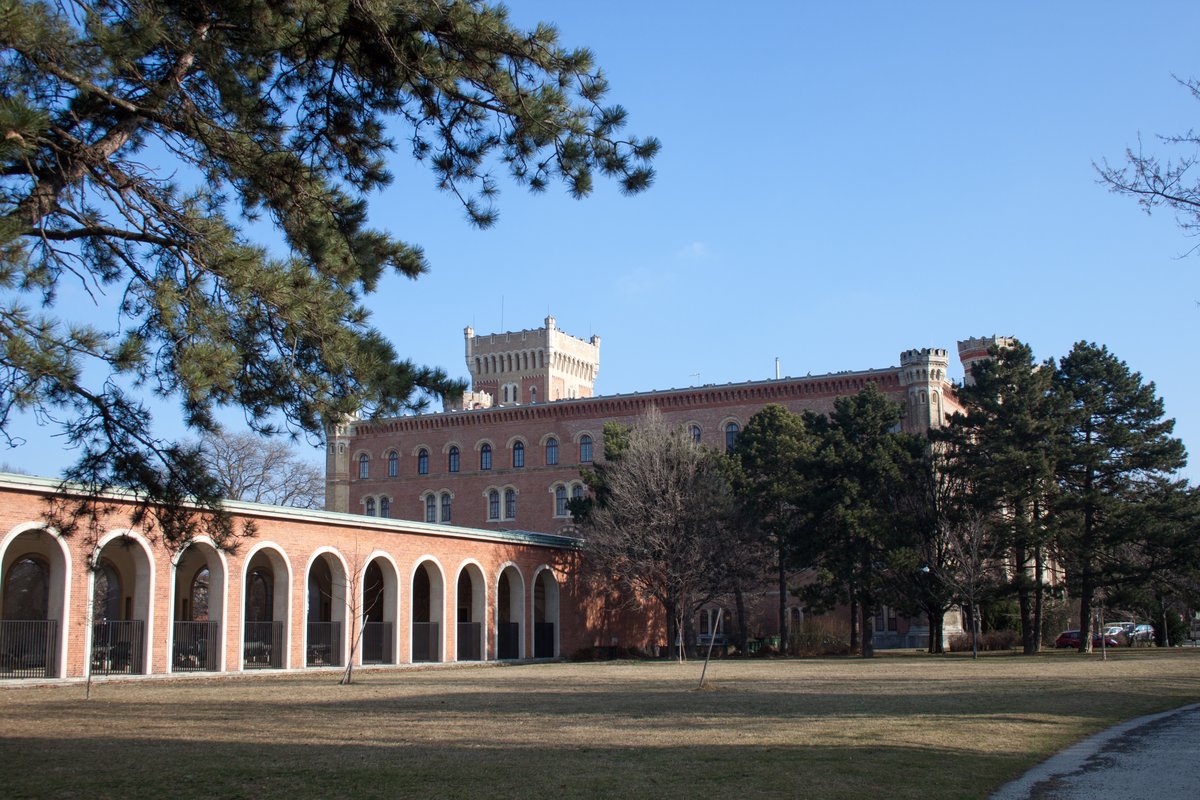
The historic Arsenal building in Vienna, Austria, showcased under a clear blue sky with its distinctive architectural style
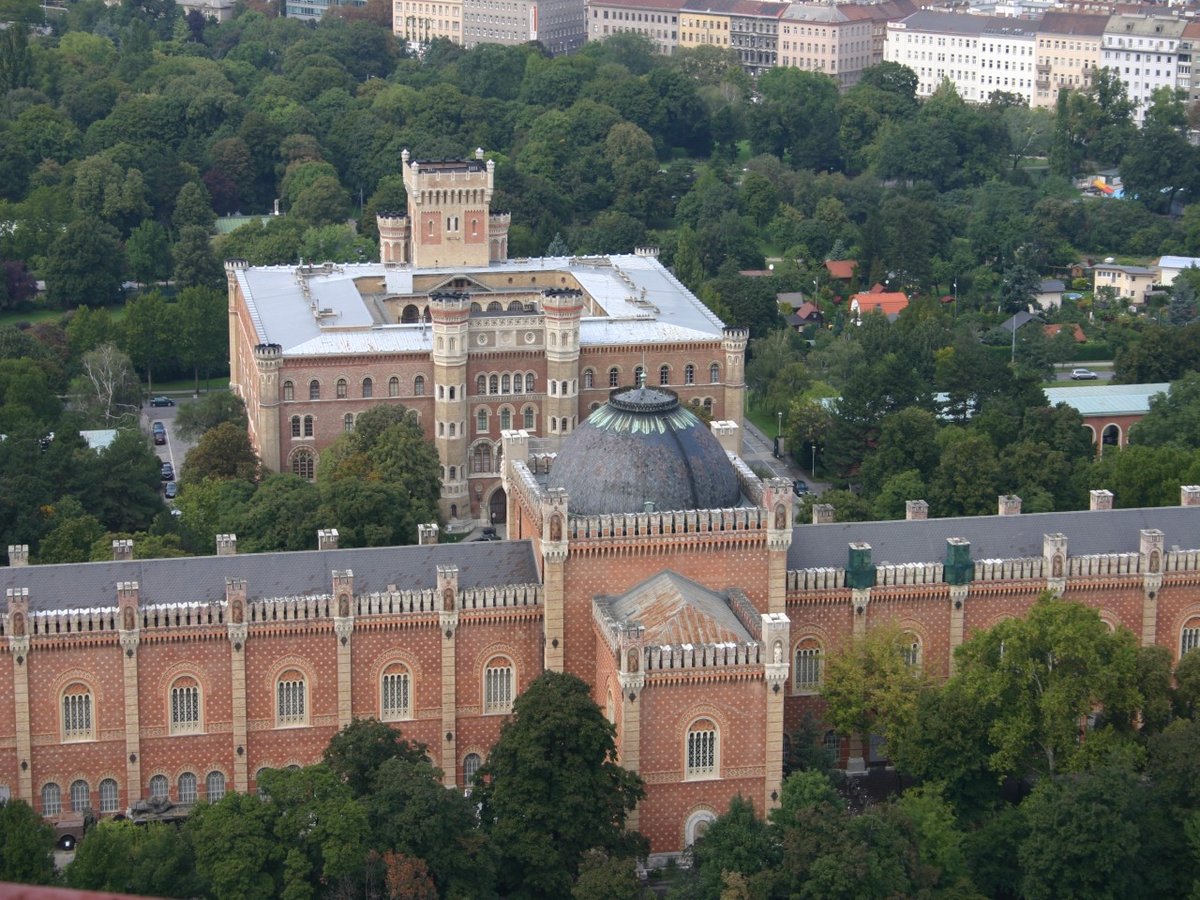
Photograph of Arsenal Wien, a protected historical monument in Austria, showcasing red brick architecture and distinctive design, taken by deneb in September 2005.
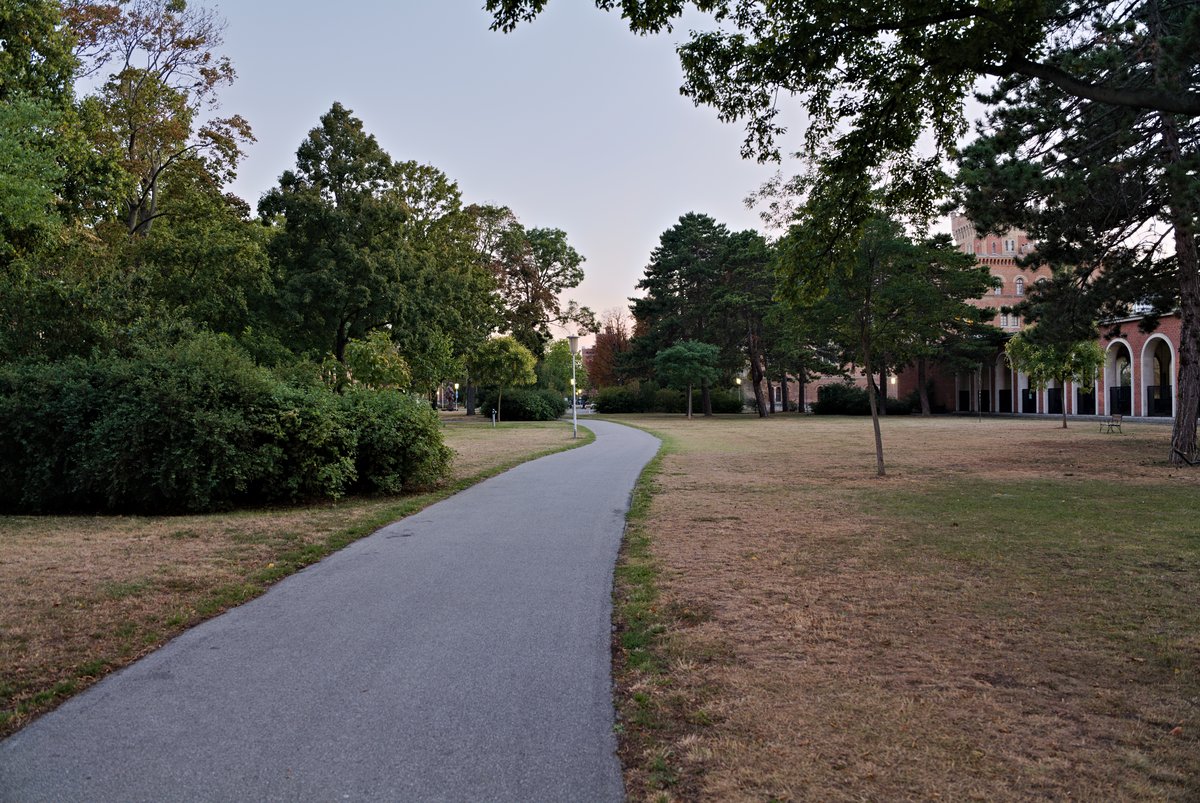
Scenic park in the Arsenal Vienna featuring lush greenery and walking paths, perfect for relaxation and outdoor activities.
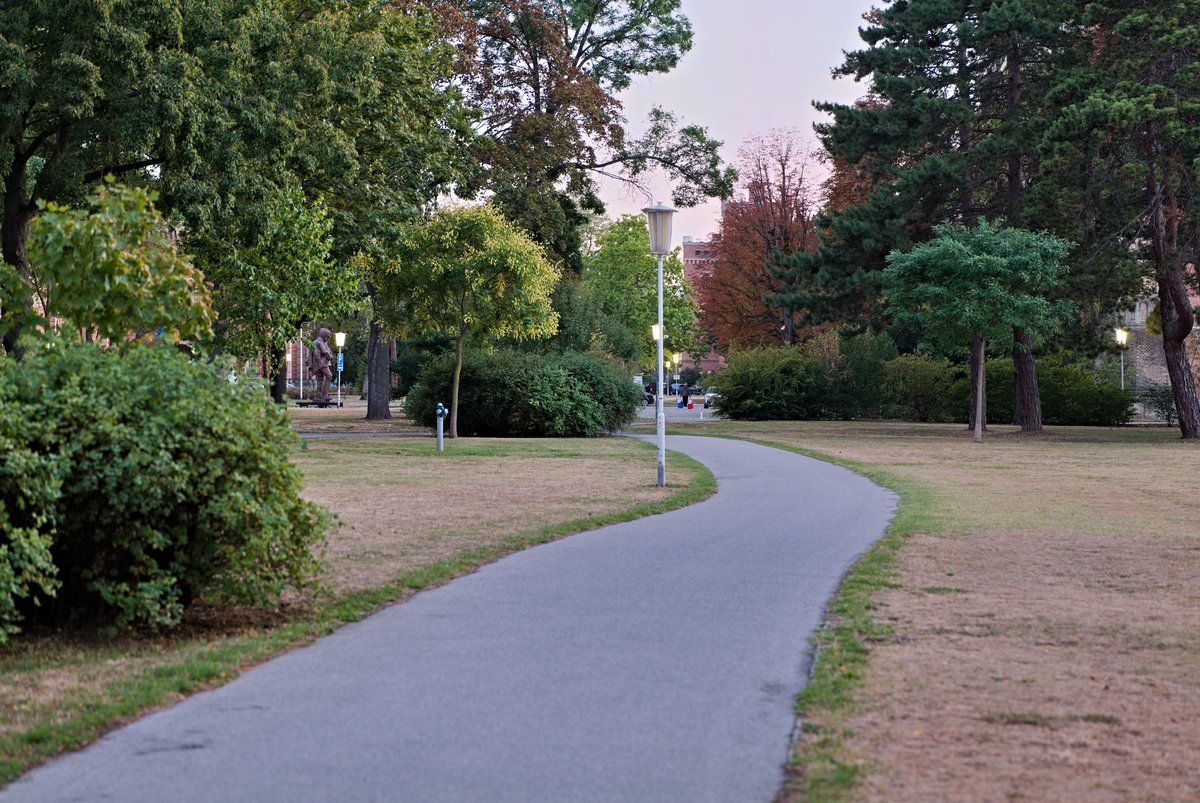
Beautiful park landscape with green lawns and flowering plants at Arsenal Vienna on a sunny day
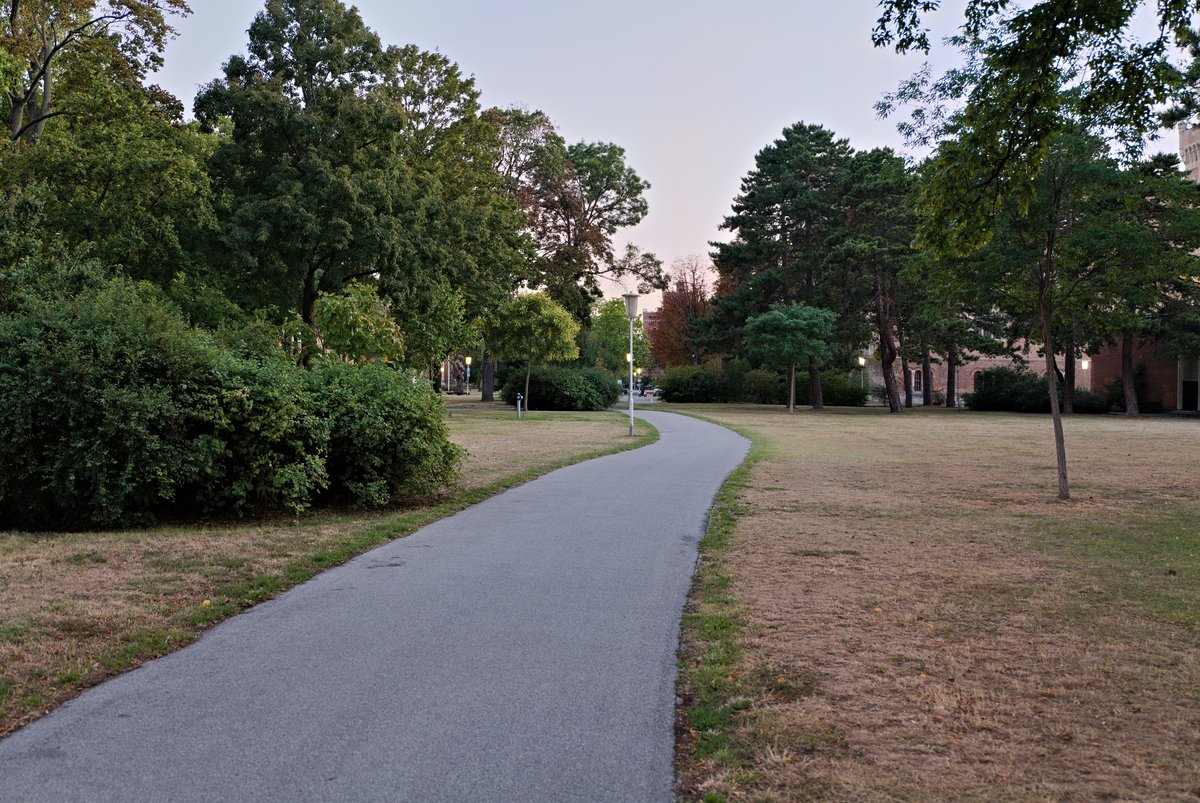
Scenic park in Arsenal Vienna featuring lush green trees, well-maintained walking paths, and a peaceful outdoor environment photographed in 2022
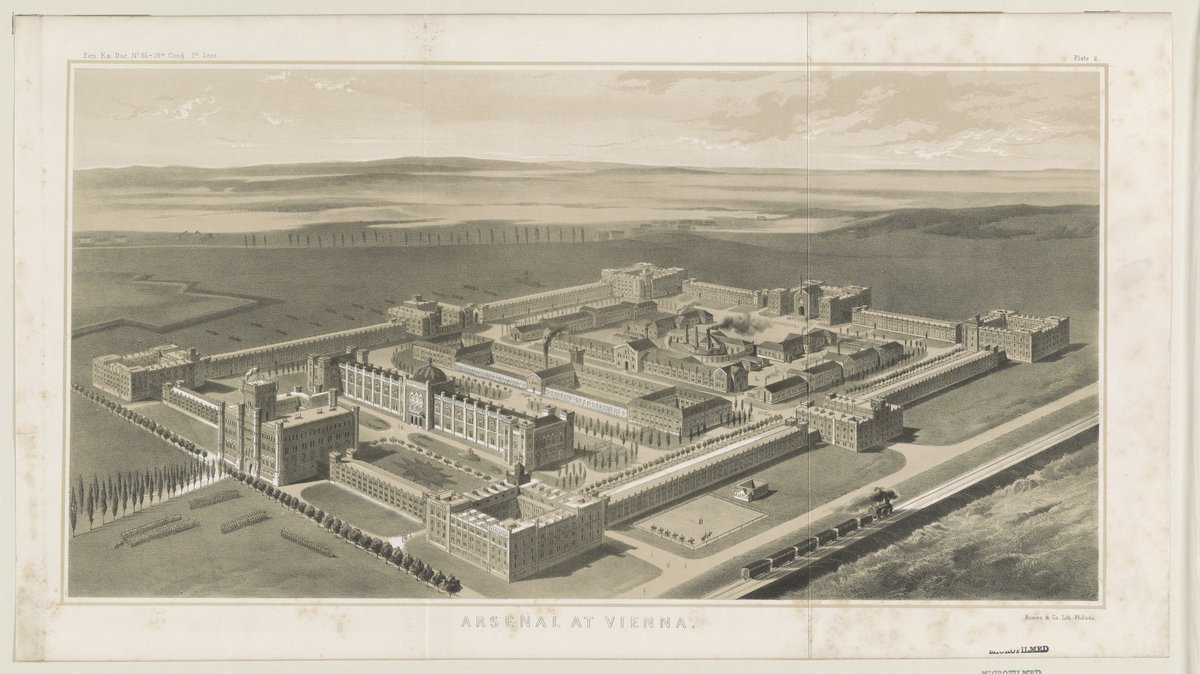
Black and white image depicting a historic arsenal in Vienna, featuring an extensive collection of weapons and artillery arranged in an organized display.
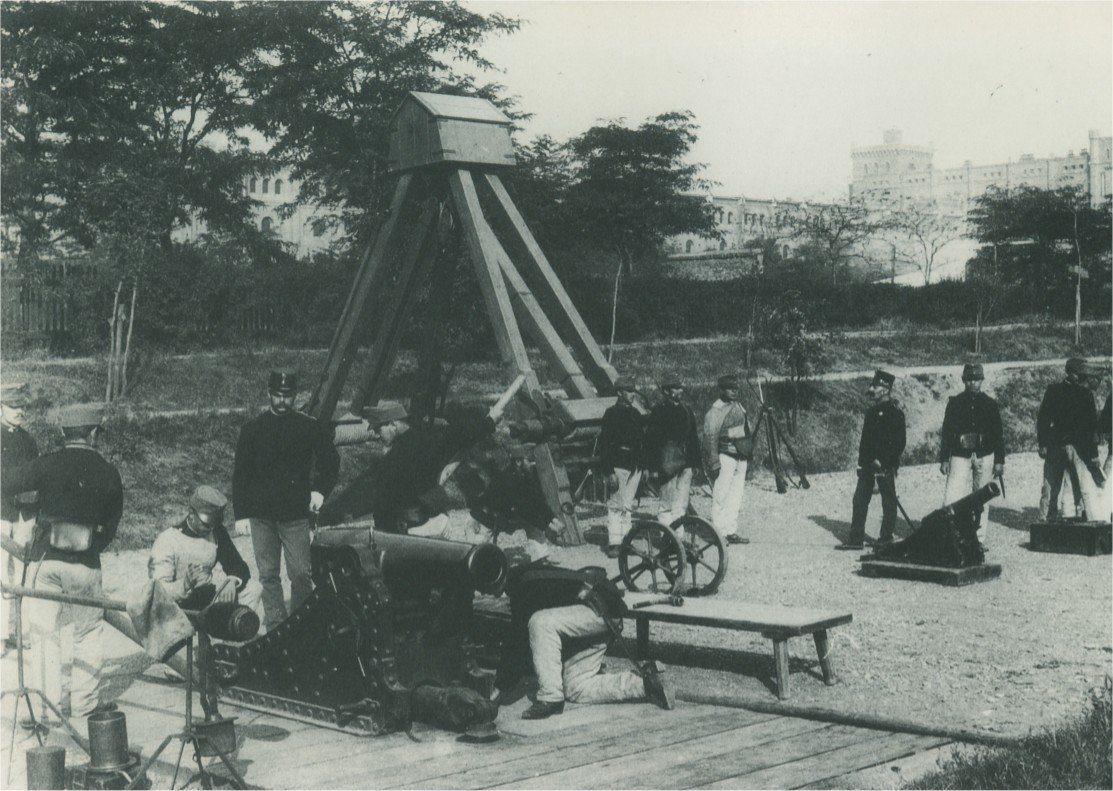
Historical image showcasing Austro-Hungarian artillery unit during exercises at the Viennese Arsenal in 1898.
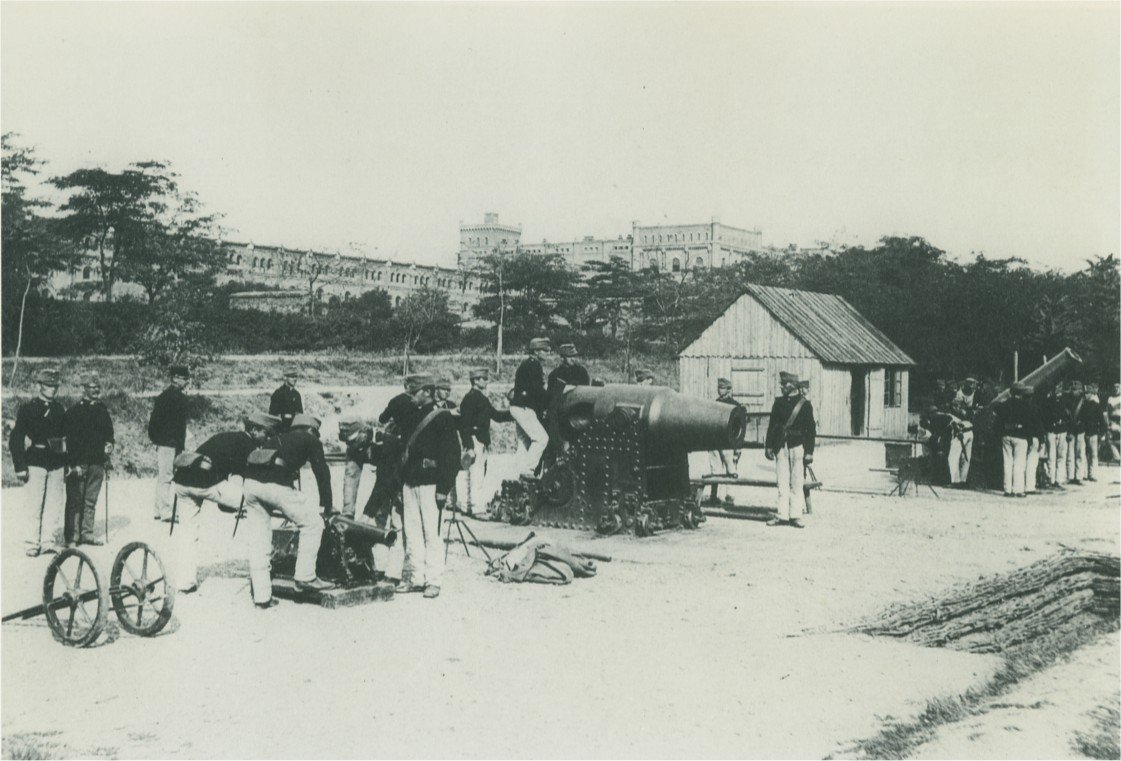
Historical photo of Austro-Hungarian artillery unit performing drills at the Viennese Arsenal in 1898. Vintage black and white military training image.
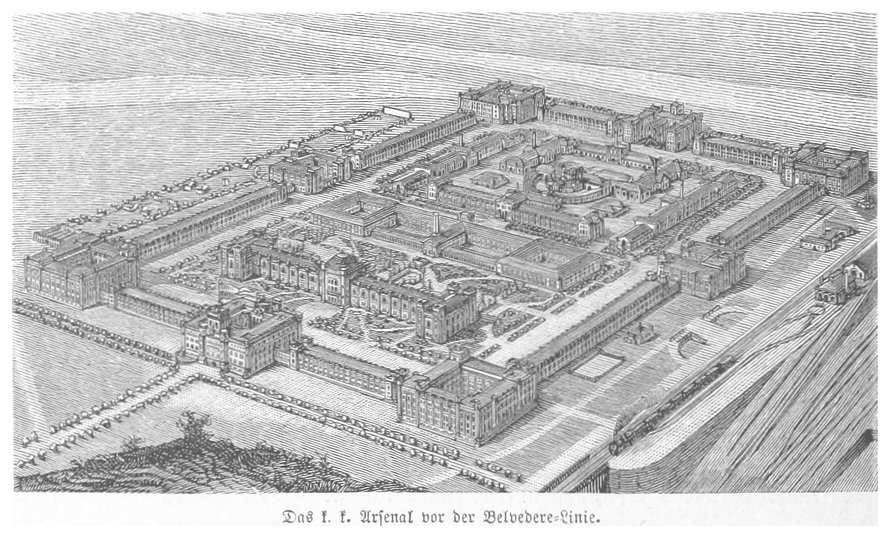
A black and white historical photograph from 1880 showing the military arsenal building enclosed by walls, located close to the Belvedere railway line.
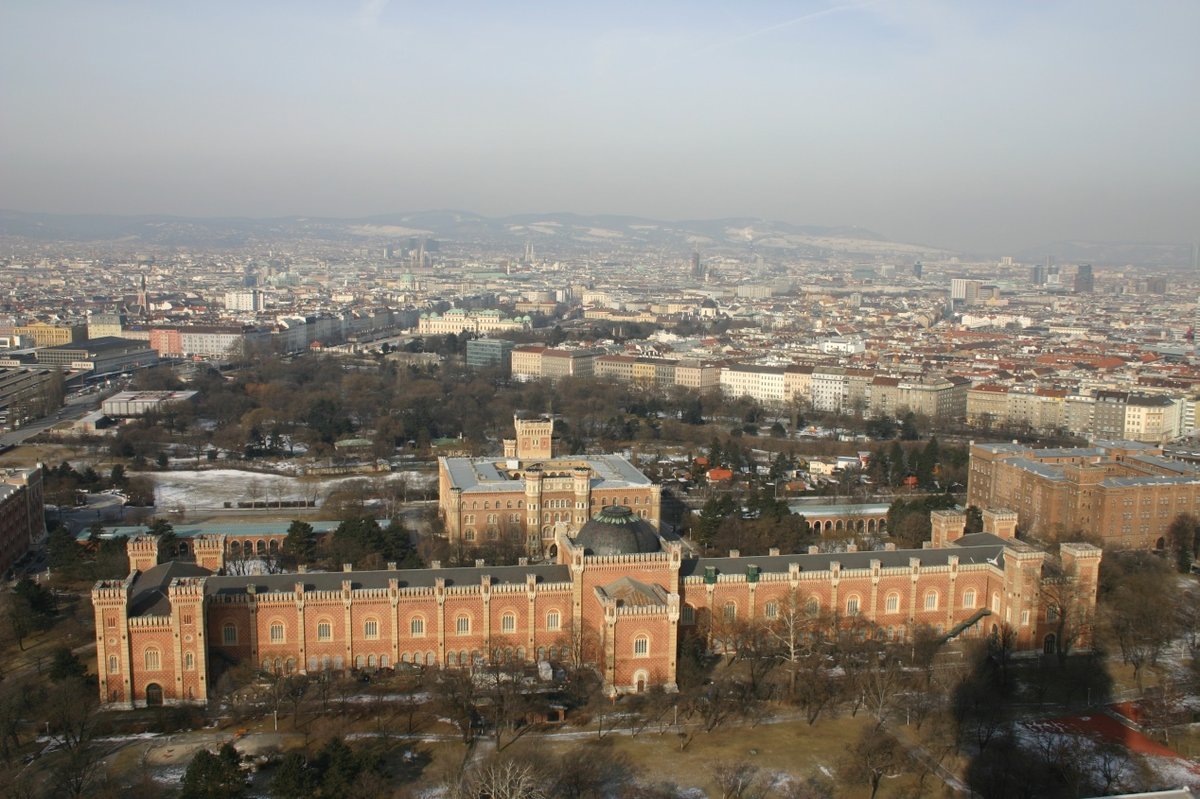
Facade of the Heeresgeschichtliches Museum (Museum of Military History) in Vienna, Austria, showcasing its historic architecture with Turkish flags displayed on the building.
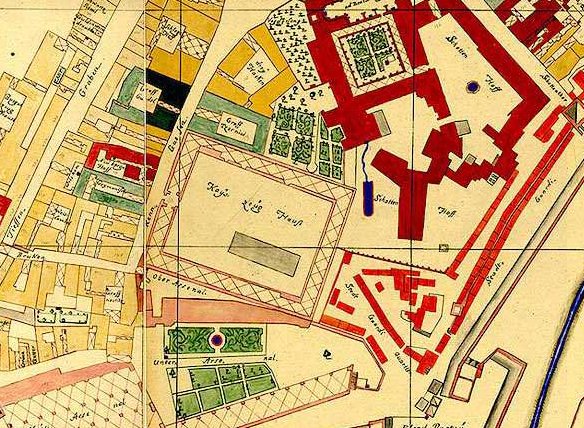
Reproduction of the 1710 historical map of Kaiserliches Zeughaus (Oberes Arsenal) in Vienna, created by Werner Arnold Steinhausen and reproduced by Gustav Adolph Schimmer in 1847.
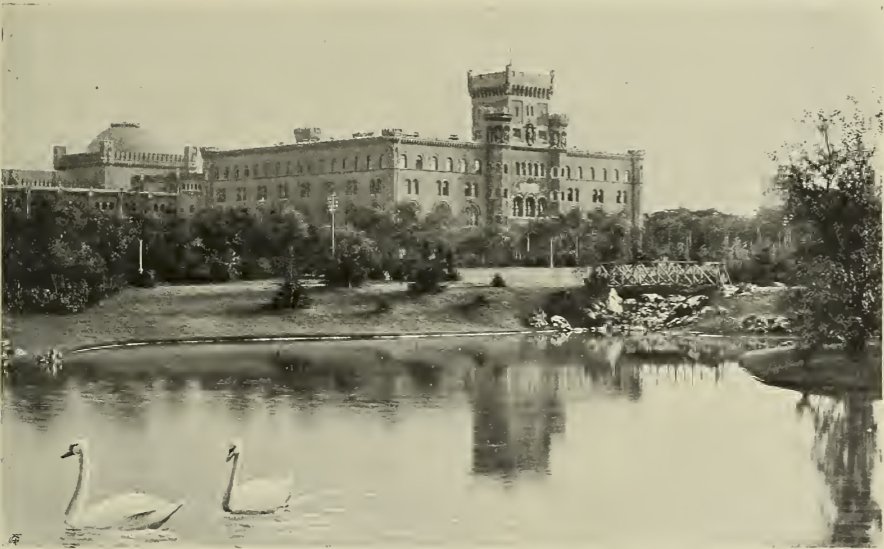
Beautiful view of Maria Josefa Park in Vienna featuring lush green trees and walking paths, showcasing the serene nature and gardening style of the city.
History and Development of the Vienna Arsenal
Origins and Construction
The Arsenal was conceived in response to the vulnerabilities revealed during Vienna’s 1848 revolution, particularly the storming of the Zeughaus (armoury). Emperor Franz Joseph I ordered the construction of a fortified military complex to centralize arms production and strengthen Vienna’s defenses (habsburger.net). Construction began in 1849 and was completed by 1856, making it one of the largest infrastructure projects of the era (wanderineurope.com). The Arsenal formed part of a strategic triangle with the Rossau and Franz Joseph Barracks.
Evolution through the 20th Century
Throughout both World Wars, the Arsenal remained a military production and logistics center but was heavily damaged during World War II. The Heeresgeschichtliches Museum, at the heart of the complex, was restored and reopened in 1955 (habsburger.net). In the postwar era, the Arsenal’s role diversified, with some buildings adapted for civilian, cultural, and residential use, and the imposing WWII Flak tower remains as a historical relic (tourmycountry.com).
Architectural Highlights and Significance
Romantic Historicism and Stylistic Features
The Arsenal represents one of Vienna’s finest examples of Romantic Historicism, blending Italian-medieval, Byzantine, and Moorish influences. Key features include:
- Red brick facades with decorative stonework
- Arched windows and arcades
- Ornamental towers and crenellations
The architectural ensemble is the work of distinguished figures, including Theophil von Hansen, Eduard van der Nüll, and August Sicard von Sicardsburg (BWM Designers & Architects). The complex’s design reflects both the grandeur of imperial ambition and innovative defensive planning.
Adaptive Reuse and Modern Interventions
In recent decades, the Arsenal has been transformed through sensitive adaptive reuse. Modern interventions—such as BWM Designers & Architects’ roof extension of Object 16—have introduced residential apartments and public spaces while preserving the historic silhouette and fabric (BWM Designers & Architects). Green courtyards and open areas now host community events and recreational activities, enhancing the Arsenal’s urban integration (Arsenal Living).
Museum of Military History: Key Exhibits & Experience
The Heeresgeschichtliches Museum is Austria’s oldest purpose-built museum and the centerpiece of the Arsenal. Its chronological galleries cover military history from the Thirty Years’ War through the World Wars and into the modern era (All About Vienna).
Notable Exhibits
- Hall of Fame (Feldherrenhalle): Marble statues of celebrated Austrian commanders
- 17th–18th Century Galleries: Artifacts from the Ottoman sieges, wars with France, and the Napoleonic era
- World War I & II Collection: The car in which Archduke Franz Ferdinand was assassinated, pivotal uniforms, and weaponry
- Artillery and Armored Vehicles: Tanks, cannons, and military vehicles from different eras
Visitor Facilities
- Guided tours in multiple languages (advance booking recommended)
- Audio guides available for self-paced exploration
- Gift shop, accessible restrooms, and cloakrooms
FOTO ARSENAL WIEN: Contemporary Lens-Based Arts
Newly reopened in March 2025, FOTO ARSENAL WIEN is Vienna’s center for photography and lens-based media, located in Objekt 19 of the Arsenal. The center features:
- Over 1,000 m² of exhibition space
- Up to 12 exhibitions annually, including solo and group shows
- Events, artist talks, and educational programs
Admission is €10 for adults, with free entry for visitors under 19. The center is fully accessible (Visiting Vienna).
Visitor Information: Hours, Tickets, and Accessibility
Visiting Hours
- Museum of Military History:
Tuesday–Sunday: 10:00 AM–6:00 PM; closed Mondays and select holidays
(Museum official site) - FOTO ARSENAL WIEN:
Tuesday–Sunday, late openings for events
Tickets
- Museum of Military History:
Adults: €12; Reduced (students/seniors): €8; Children under 19: Free; family and group rates available - FOTO ARSENAL WIEN:
Adults: €10; Under 19: Free
Tickets can be purchased on-site or online (HGM, Foto Arsenal Wien).
Accessibility
Both institutions are wheelchair accessible, with ramps, elevators, and accessible restrooms. Assistance can be arranged in advance.
Getting There
- Public Transport:
U-Bahn U1 (Hauptbahnhof), Tram D (Alfred-Adler-Straße), Bus 69A (Ghegastraße) - Walking:
Short walk from Belvedere Palace and Vienna Hauptbahnhof
Nearby Attractions and Travel Tips
- Belvedere Palace: World-class art and gardens, a short walk from the Arsenal
- Stadtpark: Famous for its golden Johann Strauss statue
- Vienna State Opera: A must-visit for music lovers
Travel Tips:
- Allocate 2–3 hours for the Museum of Military History; more if exploring FOTO ARSENAL WIEN or the grounds
- Photography is permitted (no flash/tripods in certain areas)
- Cafés and rest areas are available within the complex and nearby
- Check official sites for event schedules and temporary exhibitions
Frequently Asked Questions (FAQ)
Q1: What are the Vienna Arsenal’s opening hours?
A: The Museum of Military History and FOTO ARSENAL WIEN are generally open Tuesday–Sunday, 10:00 AM–6:00 PM. Always confirm times on the official websites.
Q2: How much do tickets cost?
A: Museum of Military History: €12 (adults), €8 (reduced), free for under 19s; FOTO ARSENAL WIEN: €10 (adults), free for under 19s.
Q3: Is the Arsenal accessible?
A: Yes, ramps and elevators provide full accessibility.
Q4: Are guided tours available?
A: Yes, in multiple languages; book ahead for availability.
Q5: How do I get there?
A: By U-Bahn, tram, bus, or on foot from the main train station or Belvedere Palace.
Summary and Final Thoughts
The Vienna Arsenal is a living monument to Austria’s military and architectural heritage, offering visitors an immersive experience at the intersection of history, art, and urban innovation. The complex’s blend of Romantic Historicism, engaging museums, and dynamic contemporary art spaces makes it a highlight of any Vienna itinerary. Plan your visit with knowledge of current hours, ticket options, and accessibility features. Combine your trip with nearby attractions for a comprehensive cultural experience.
For the latest updates on exhibitions and events, visit the Museum of Military History and FOTO ARSENAL WIEN official websites. Download the Audiala app for guided tours and insider tips. Make the most of your visit to this remarkable Viennese landmark.
Listen to the full story in the app
Your Personal Curator, in Your Pocket.
Audio guides for 1,100+ cities across 96 countries. History, stories, and local insight — offline ready.
Audiala App
Available on iOS & Android
Join 50k+ Curators
Sources
- verified
- verified
- verified
- verified
- verified
- verified
- verified
- verified
Last reviewed: