An introduction.
Researched by the Audiala editorial team from historical records, architectural archives, and local expertise.
YYou turn into Michlbach and the usual sightseeing script falls away: this tiny settlement in Hitzendorf, Austria, is all slope, silence, and stories hidden in plain view. Visit for the rare feeling of being in a place that is both part of a municipality and physically cut off from it, where farm lanes and devotional landmarks matter more than monuments. Michlbach is for travelers who prefer texture over spectacle.
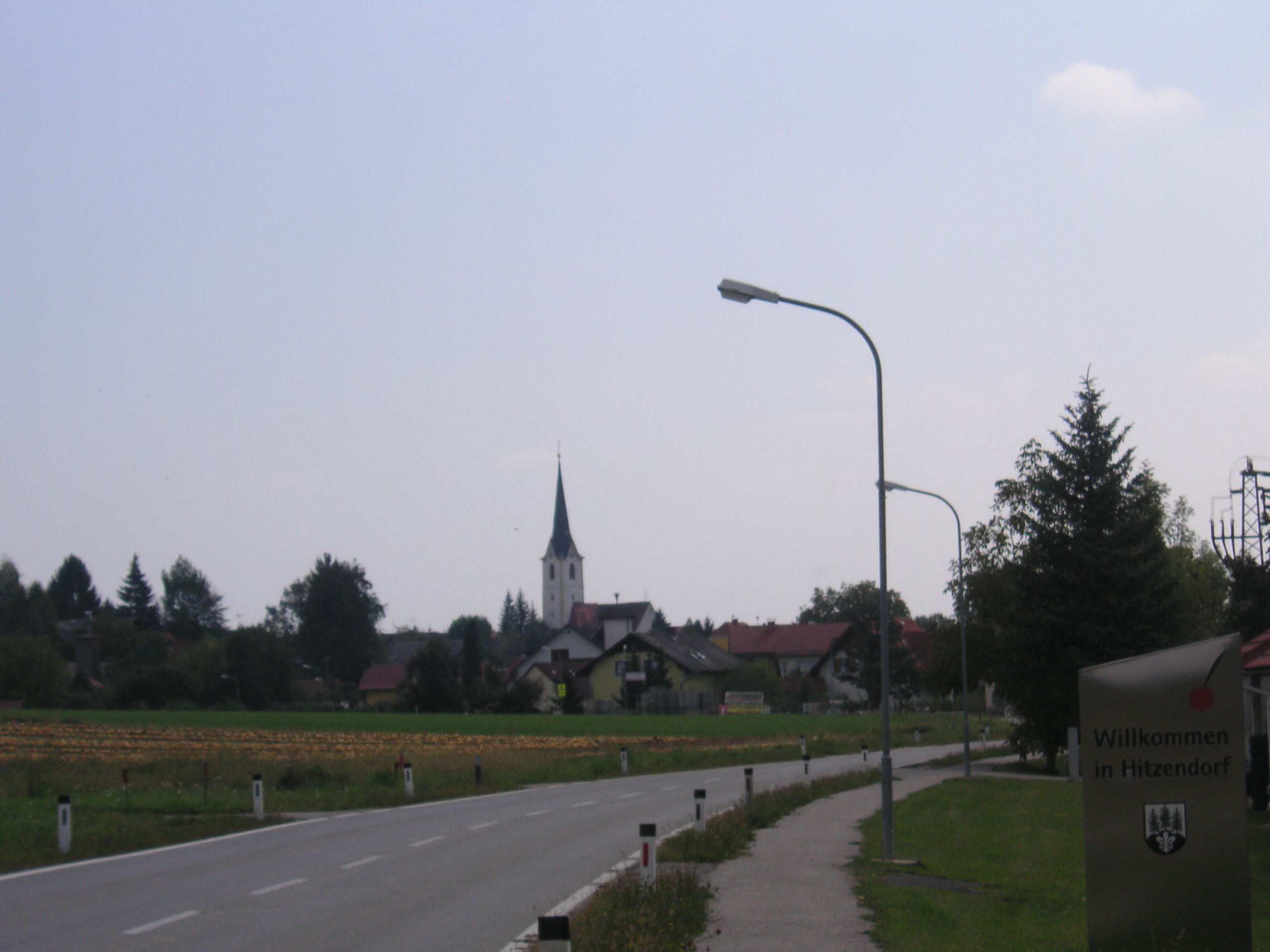
Michlbach is a Streusiedlung, a scattered rural settlement rather than a village with a square. You read it slowly: hedges, barns, old house numbers, and traditional farm names that cling to buildings like surnames. In clear weather, the ridge light opens toward the West Styrian hills, and the wind carries cut grass and woodsmoke instead of traffic.
Treat it as an open landscape, not a managed attraction. There is no ticket office, no formal visitor circuit, and much of what you see is private property, so the right way to visit is simple: stay on public roads, lower your voice near chapels and crosses, and let the place set the pace.
01 What to see.
The Ridge Roads and Farmstead Pattern
Nunnerkapelle and the Devotional Landscape
Read Michlbach as Part of a Wider Hitzendorf Day
Plan and listen to Michlbach with Audiala.
Audio guide in your pocket, itinerary in your browser. Built for the way you actually visit.
03 Visitor logistics.
The practical scaffolding for a good visit — kept short.
Getting There
As of 2026, reach Michlbach by car via the L315 Stübinggrabenstraße, then branch onto local farm lanes; no major road runs straight through the hamlet. Public transport is the on-demand flux system (Monday–Sunday, 05:00–21:00): book at buchung.flux.at or +43 50 616263, and verify the nearest stop on the booking map because stops are around, not inside, Michlbach. For trips between 05:00–08:00 and 18:00–21:00, reserve by 18:00 the previous day and plan a short final walk on rural roads.
Opening Hours
As of 2026, Michlbach has no formal tourist opening hours because it is a dispersed settlement landscape, not a staffed attraction. Public roads are effectively accessible year-round, with no ticket desk or visitor-center timetable. Devotional points such as the Nunnerkapelle and local blessing sites follow church/community rhythms rather than daily sightseeing hours.
Time Needed
Allow 45–60 minutes for a slow look at the ridge views and scattered farmsteads. Plan 2–3 hours if you want to walk lanes between sacred markers and pause for the landscape atmosphere. Use a half-day if you combine it with Hitzendorf or Schadendorfberg.
Accessibility
As of 2026, there are no published step-free circuits, adapted toilets, or staffed accessibility services specific to Michlbach. Terrain is rural and uneven, with sloped lanes and stretches without sidewalks, so wheelchair users and visitors with limited mobility may need assistance. The most practical approach is car or pre-booked flux to the closest stop, then the shortest possible public-road segment.
Cost/Tickets
As of 2026, visiting Michlbach itself is free: there is no entry fee and no ticketed attraction infrastructure in the hamlet. The main paid component is transport, with flux fares starting at €3. KlimaTicket/Top-Ticket holders get discounts, and both cash and card are accepted.
05 Tips for visitors.
Small things that change the day.
Respect Sacred Rhythm
At chapels and roadside crosses, keep voices low and give local worshippers priority, especially around Easter food blessing traditions (Speisensegnung/Fleischweihe). Treat these places as living devotional spaces, not scenic props.
Private Farms First
Michlbach’s beauty is mostly working private property. Stay on public roads and paths, and do not enter farmyards, driveways, or fields unless you have explicit permission.
Ask Before Shooting
The best photos come from public lanes where the hills unfold in layers like folded fabric. If your frame includes farmhouses, people at work, or chapel interiors, ask first; this is a lived-in settlement, not an open-air museum.
Use Flux Smart
Check stop placement before departure and book early/late slots in time: rides from 05:00–08:00 and 18:00–21:00 must be reserved by 18:00 the previous day. Starting at €3, flux can be a cheaper last-mile option than driving and parking repeatedly in rural lanes.
Chase Side Light
Go in early morning or late afternoon, when low sun carves long shadows across hedges and meadows and the ridge relief becomes readable. Midday light tends to flatten the view, especially in clear summer weather.
Build A Micro-Itinerary
Michlbach works best as one quiet chapter in a wider day: pair it with Hitzendorf and then continue to Schadendorfberg. The contrast between parish-center life and dispersed hill settlement tells the real local story.
04 A history of reinvention.
The Hamlet That Stayed Between Worlds
Michlbach appears in medieval-era name forms preserved in local scholarship, and its story is less about one grand event than about belonging: who it answered to, who helped whom in hard years, and why borders in the hills rarely feel as neat as they look on maps.
Today, the Hitzendorf section is an exclave enclosed by neighboring municipalities, which gives Michlbach its defining tension: administratively attached, geographically apart. That tension is the key to reading its past.
Hans Brandstetter and a Birthplace Remembered
On 23 January 1854, sculptor Hans Brandstetter was born in Michlbach, tying this quiet farm landscape to one of Styria’s notable artistic names. His career carried him far beyond these lanes, but local memory kept pulling the story home.
When Hitzendorf marked the 150th anniversary of his birth on 23 January 2004, the commemoration did more than honor an artist; it reaffirmed that even a dispersed hamlet can produce figures who reshape how a region sees itself. In Michlbach, history is not concentrated in a palace archive; it is stitched into birthplaces, plaques, and spoken remembrance.
From Michelpach to Michaelbach
Plague Legend, Local Loyalty
Listen to the full story in the app
The whole Michlbach,
told well.
Audio guides for 1,100+ cities across 96 countries. History, stories, and local insight — offline ready.

06 Frequently asked.
The questions travellers send us most about Michlbach.
Is Michlbach worth visiting?
Yes, if you like places that feel lived-in rather than staged. Michlbach is a quiet ridge hamlet of scattered farms, chapel traditions, and long valley views, not a museum-style attraction. You come for atmosphere and local texture, and you should stay on public roads because much of what you see is private property.
How long do you need at Michlbach?
You need about 1 to 2 hours at Michlbach. A simple walk-and-view stop takes around 45 to 60 minutes, about the length of a lunch break. If you add a slower loop to devotional points and photo pauses, plan closer to 90 minutes, about one feature film.
What is Michlbach in Hitzendorf, Austria?
Michlbach is a tiny dispersed settlement and cadastral area, not a single monument. One part belongs to Hitzendorf and another to neighboring Sankt Bartholoma, and the Hitzendorf section is an exclave enclosed by other municipalities. That odd map geometry is the place’s defining story.
Is Michlbach a UNESCO World Heritage Site?
No, Michlbach is not a UNESCO World Heritage Site. Research also found no listing for Michlbach or Nunnerkapelle in the Austrian Federal Monuments Authority’s 2025 monument list for Styria. Treat it as a local landscape-and-history stop, not a formal heritage complex.
Are there opening hours or tickets for Michlbach?
No, there are no official opening hours or tickets for Michlbach itself. It functions as an always-open rural settlement landscape rather than a staffed attraction. Access is effectively free, but farms and chapels are part of local community life, so quiet, respectful behavior matters.
How do you get to Michlbach by public transport?
Use the regional on-demand system flux rather than expecting a classic village bus line. Fares start at €3, about the price of a city-center espresso, and some early or late rides must be booked the previous day. Check the booking map to confirm the nearest active stop on your travel date.
What can you combine with Michlbach on a day trip?
Pair it with the historic core of Hitzendorf and keep the day slow. Michlbach works best as a micro-stop between church, castle, and hill-country viewpoints rather than as a stand-alone full day. If you want another rural ridge perspective, add Schadendorfberg.
Verified, and shown.
Researched and written by the Audiala editorial team from historical records, architectural archives, and local expertise.
Entity identification for Michlbach and basic place classification context.
Name-history forms, early mention claims, and references to district topography source chain.
Used for exclave description, settlement character, local traditions, and municipality context.
Used for 1850 municipality reform background and historical framing.
Confirmed Brandstetter birth context and official 150th anniversary commemoration details.
Biographical confirmation for sculptor Hans Brandstetter.
Checked for UNESCO status; no Michlbach/Hitzendorf entry found.
Checked for protected-monument listing; no Michlbach or Nunnerkapelle entry found in referenced list.
Used for current devotional practice references, including Michlbach-related blessing locations.
Used for local transport transition note from GUSTmobil to flux.
Service model, operating windows, booking rules, and fare baseline.
Practical booking and stop-map verification source for current travel planning.
Map-based context for road alignment, rural access character, and surrounding valley structure.
Last reviewed
Researched from Wikidata, Wikipedia & official sources · fact-checked · How we make our guides →