Introduction
The University of Sydney, founded in 1850 as Australia’s first university, is not only a leading academic institution but also a captivating historical and cultural destination. Situated in the lively Camperdown/Darlington precinct, it is renowned for its impressive Gothic Revival architecture, lush green spaces, and deep-rooted contributions to Australian education and social progress. Visitors can explore the university’s grand sandstone Quadrangle, world-class museums, vibrant art galleries, and participate in public lectures, festivals, and exhibitions. This comprehensive guide provides essential information on visiting hours, tickets, accessibility, must-see historical sites, and practical travel tips to help you make the most of your experience at the University of Sydney (University of Sydney: Our Story; THE Rankings; AIATSIS: 1965 Freedom Ride; University of Sydney – Campus Tours).
Photo Gallery
Explore University of Sydney in Pictures
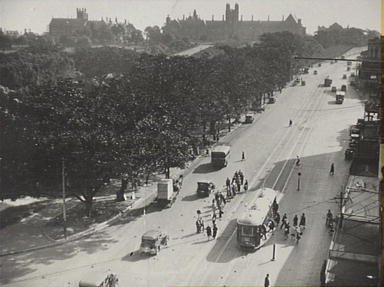
A historic black and white photograph showing trams operating on Broadway in Sydney, Australia in the year 1930, illustrating early 20th-century urban transport.
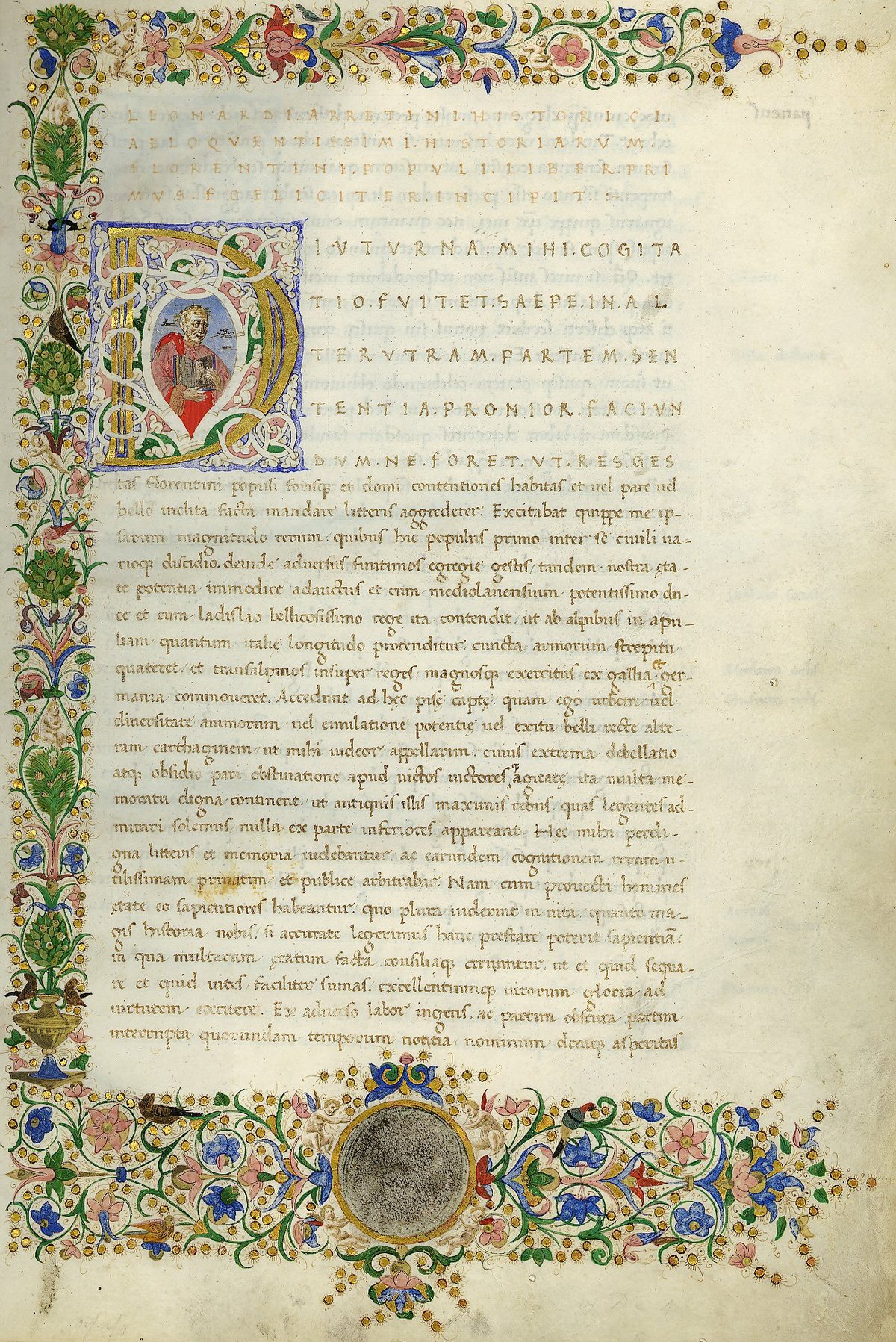
Portrait of Leonardo Bruni, notable Italian historian and humanist, author of the History of the Florentine People, Bologna, late 14th century, preserved at the University of Sydney Library
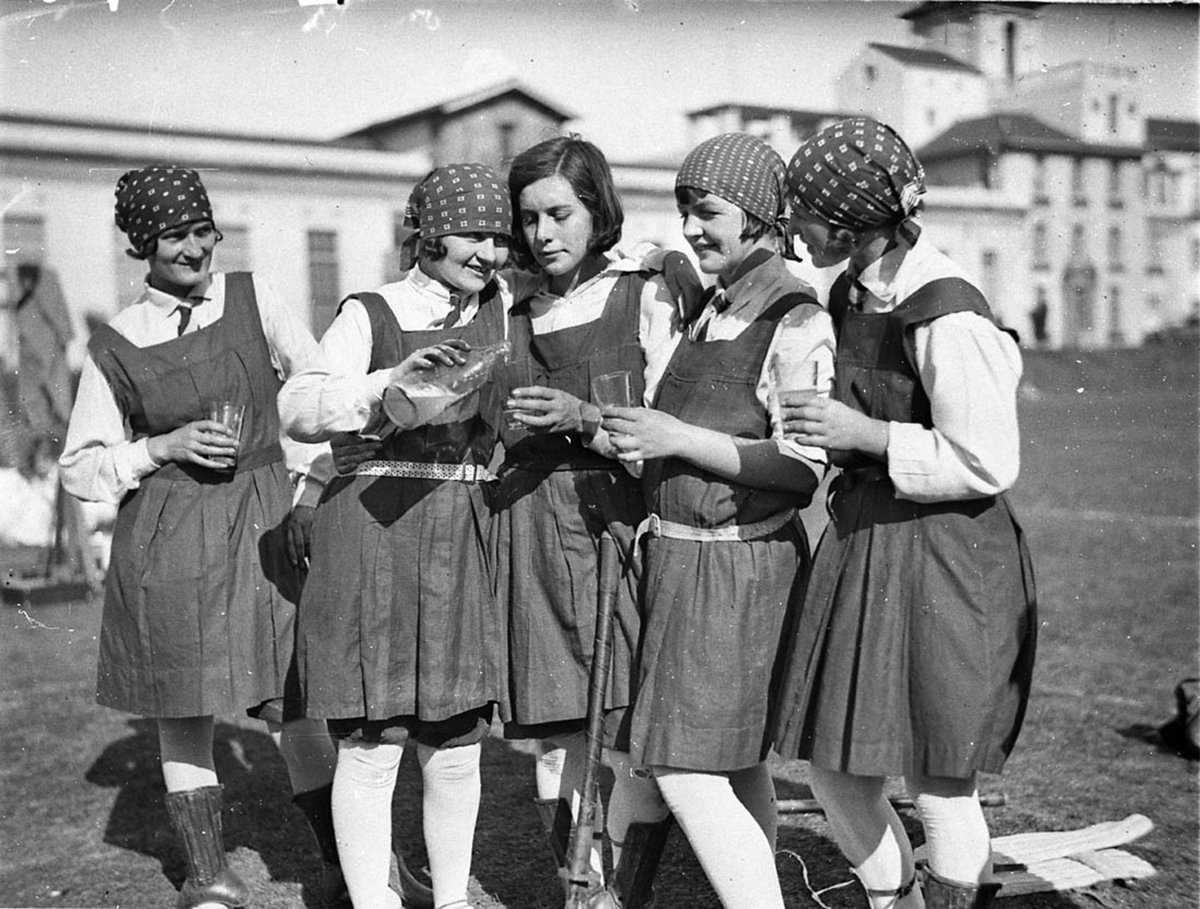
Historical black and white photo of five schoolgirl hockey players enjoying lemonade at Sydney University, part of the Hood Collection by photographer Sam Hood, State Library of New South Wales.
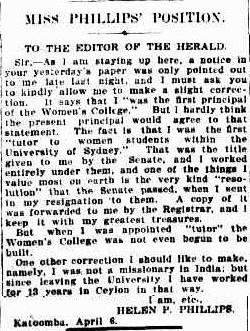
Helen Phillips' letter to the Sydney Morning Herald correcting an article mentioning her job title at the University of Sydney and the country where she was a missionary
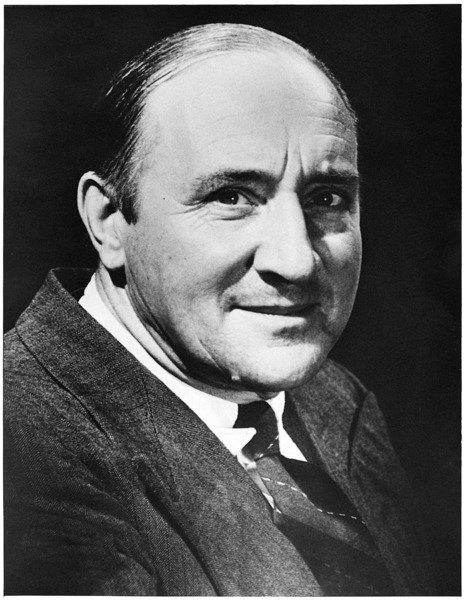
A formal portrait of Sir Edward Ford, showcasing his distinguished appearance in a suit and tie
Founding and Historical Development
Established in 1850, the University of Sydney pioneered higher education in Australia and quickly set itself apart with progressive values. Its admission policies, based on merit rather than religion or social status, allowed for broad accessibility. In 1881, the university became one of the first in the world to admit women on equal terms, underscoring its enduring commitment to inclusivity (University of Sydney: Our Story; Facts.net: 10 Mind-blowing Facts).
Throughout its history, the university has been a catalyst for social change, notably in the 1965 Freedom Ride led by Charles Perkins and the Student Action for Aborigines (SAFA) to advocate for Indigenous rights (AIATSIS: 1965 Freedom Ride).
Architectural and Cultural Landmarks
The main Camperdown campus is famed for its neo-Gothic Quadrangle, cloistered walkways, and rich sandstone facades reminiscent of Oxford and Cambridge, yet distinctly Australian in character. Highlights include:
- The Quadrangle and Great Hall: The university’s architectural icons, frequently photographed and the site of graduations and public events.
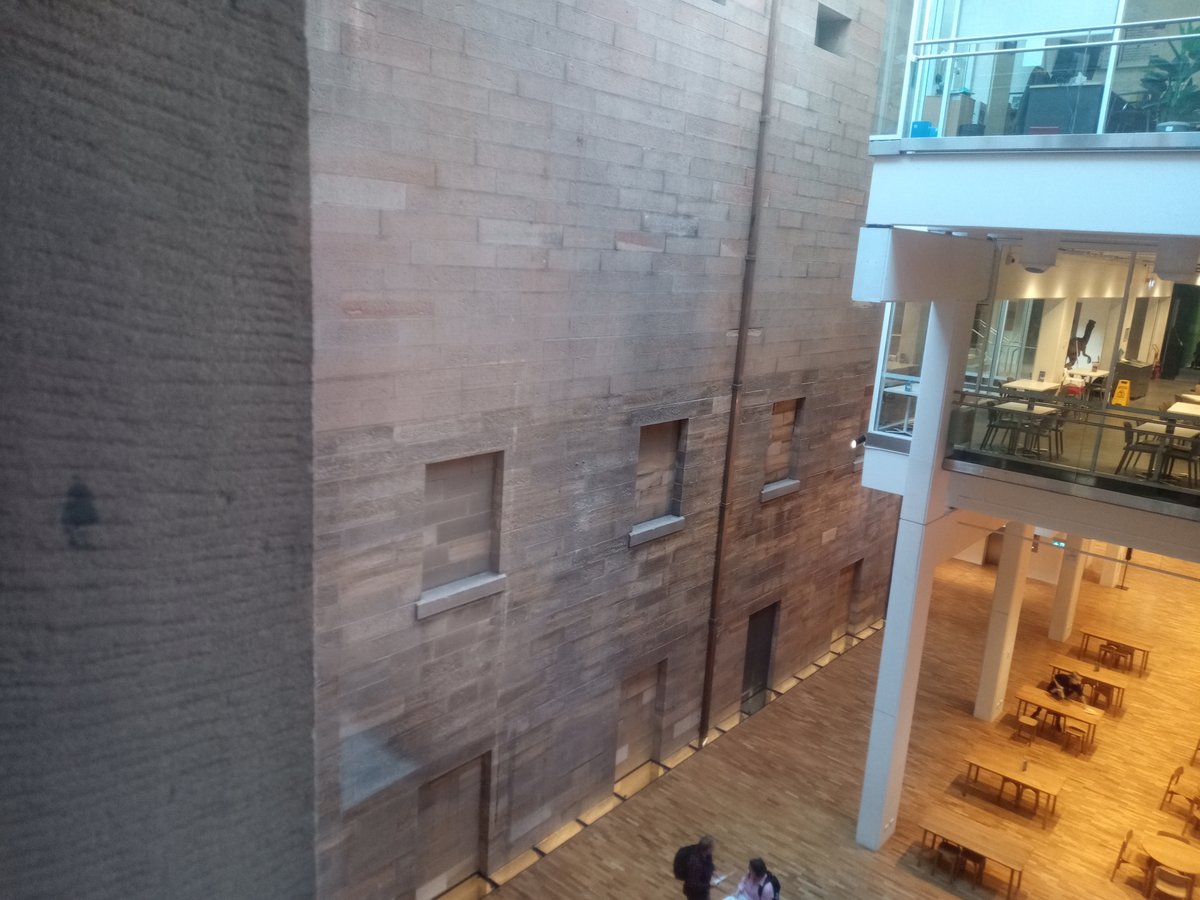
- Chau Chak Wing Museum: Home to over 700,000 artifacts, including archaeological, natural history, and Indigenous collections. Entry is free, with special exhibitions and guided tours available (Chau Chak Wing Museum).
- University Art Gallery: Features a diverse range of artworks, open weekdays and select Saturdays.
- Anderson Stuart Building & MacLaurin Hall: Exemplary heritage structures reflecting the university’s historical evolution.
- Fisher Library: The largest university library in the Southern Hemisphere, with public exhibitions and panoramic views.
- Green spaces: Such as Victoria Park and the Quadrangle lawns, particularly popular during jacaranda season.
- Seymour Centre: A premier performing arts venue with a varied program (Seymour Centre website).
Academic Standing and Alumni
The University of Sydney is consistently ranked among the world’s top universities, holding 61st place in the 2025 Times Higher Education World University Rankings (THE Rankings). With over 400 study areas and a global alumni network of more than 350,000, it is recognized for research excellence and societal impact. Notable alumni include former Prime Minister John Howard, Nobel laureates, and Indigenous activist Charles Perkins (Deadly Story: Charles Perkins).
Social Progress and Indigenous Heritage
The university’s commitment to social equity is evident through its active acknowledgment of the Gadigal people of the Eora Nation, on whose land the campus is built. It hosts Aboriginal-led tours, cultural festivals, and public events spotlighting Indigenous art and history. The legacy of student activism, especially the 1965 Freedom Ride, continues to shape its ethos of diversity, inclusion, and justice (AIATSIS: 1965 Freedom Ride).
Visitor Information
Visiting Hours and Entry
- Campus Grounds: Open daily, generally from 8:00 AM to 6:00 PM.
- Museums and Galleries: Most, like the Chau Chak Wing Museum and University Art Gallery, are open Monday to Friday, 10:00 AM to 4:30 PM, with some Saturday openings.
- Seymour Centre: Refer to the Seymour Centre website for performance schedules.
- Entry: Outdoor areas and many buildings are free to access. Some exhibitions and performances may require tickets—check venue websites for details.
Guided Tours
- Free Guided Campus Tours: Held monthly, led by student ambassadors, and require advance booking (University of Sydney – Campus Tours).
- Heritage and Group Tours: Explore the university’s history, architecture, and Indigenous heritage.
- Virtual Tours: Explore the campus online via the 360° virtual tour.
Accessibility
- Step-free access to major sites, with ramps, elevators, and wheelchair-accessible toilets.
- Public transport to the university is accessible, with low-floor buses and accessible train stations.
- NSW Companion Card: Carers of visitors with significant disabilities are granted free entry to events (NSW Companion Card).
- Sensory and quiet zones are available in many venues.
- Contact the university in advance for specific needs (University of Sydney – Contact).
Getting There and Transport
- Public Transport: The campus is less than 5km from Sydney’s CBD, accessible via numerous bus routes and a 20-minute walk or short bus ride from Central Station (Tour by Transit – Directions).
- Cycling: Bike-friendly paths and ample bike racks.
- Parking: Limited and metered; public transport recommended.
Nearby Attractions
- Royal Botanic Garden
- Sydney Opera House
- Darling Harbour
- Victoria Park (adjacent to campus)
- Newtown and Glebe: Trendy neighborhoods with dining, shopping, and cultural sites.
Practical Tips and FAQ
Practical Tips
- Book tours in advance, especially for free monthly tours and during peak periods.
- Check opening hours for museums, galleries, and performances before visiting.
- Consult the What’s On calendar for public events.
- Photography is permitted in most public areas; respect signage and privacy during events.
- Dining: Multiple cafés and food courts cater to diverse tastes.
- Souvenirs: The Chancellor’s Gift Shop in the Quadrangle offers unique university merchandise.
- Weather: Sydney’s climate is mild; dress accordingly.
- Accommodation: Options range from student residences to hotels (USYD International Guide).
- Safety: The campus is safe, with emergency help points available.
Frequently Asked Questions
Q: What are the University of Sydney’s visiting hours?
A: Most attractions are open Monday to Friday, 10:00 AM to 4:30 PM, with some venues open on Saturdays. Outdoor areas are generally accessible 8:00 AM to 6:00 PM.
Q: Is entry free, and do I need tickets?
A: General campus access is free. Some museums and events may require tickets.
Q: Are guided tours available?
A: Yes, free and paid tours are available. Advance booking is recommended.
Q: Is the campus accessible for people with disabilities?
A: Most areas are accessible. Carers may enter free via the NSW Companion Card program.
Q: How do I get there by public transport?
A: Numerous buses and trains serve the university. Redfern Station and Central Station are nearby.
Q: Where should I park?
A: On-campus parking is limited; use public transport if possible.
Q: Are there special events open to the public?
A: Yes, check the university’s events calendar for public lectures, exhibitions, and festivals.
Listen to the full story in the app
Your Personal Curator, in Your Pocket.
Audio guides for 1,100+ cities across 96 countries. History, stories, and local insight — offline ready.
Audiala App
Available on iOS & Android
Join 50k+ Curators
Sources
- verified
- verified
- verified
- verified
- verified
- verified
- verified
- verified
- verified
- verified
- verified
Last reviewed: