Plan and listen to Sydney Opera House with Audiala.
Audio guide in your pocket, itinerary in your browser. Built for the way you actually visit.
Introduction
The Sydney Opera House is not only an architectural marvel but also a vibrant center of culture and creativity, standing as one of Australia’s most recognized landmarks. This comprehensive guide provides all the essential information you need for your visit—covering history, significance, visiting hours, tickets, accessibility, and practical travel tips—to ensure you have a memorable experience at this world-famous Sydney historical site. For updates and official information, always refer to the Sydney Opera House website.

Historical Background
Vision and Origins
The vision for the Sydney Opera House was born in the late 1940s, championed by Sir Eugene Goossens and supported by NSW Premier Joseph Cahill, in response to Sydney’s need for a world-class performing arts venue (Sydney Opera House – Our Story). Bennelong Point—Tubowgule to the Gadigal people—was chosen for its prominent position on Sydney Harbour, blending historical resonance with visual impact.
Design Competition and Construction
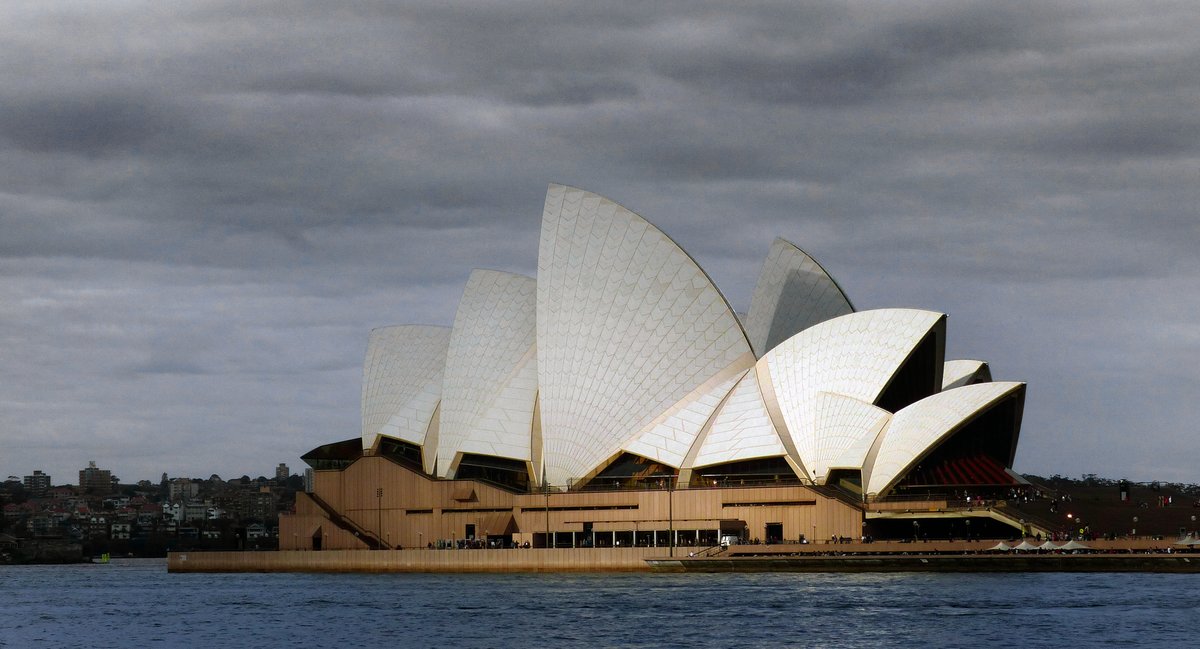
In 1956, an international design competition drew 233 submissions from 32 countries. Danish architect Jørn Utzon’s innovative, sail-like concept was selected, promising to transform Sydney’s skyline (Parametric Architecture). Construction began in 1959 and was marked by engineering challenges, significant cost overruns, and Utzon’s eventual resignation. The Opera House was officially opened by Queen Elizabeth II on October 20, 1973, and was recognized as a UNESCO World Heritage Site in 2007 (Sydney Opera House – Our Story).
Architectural and Cultural Significance
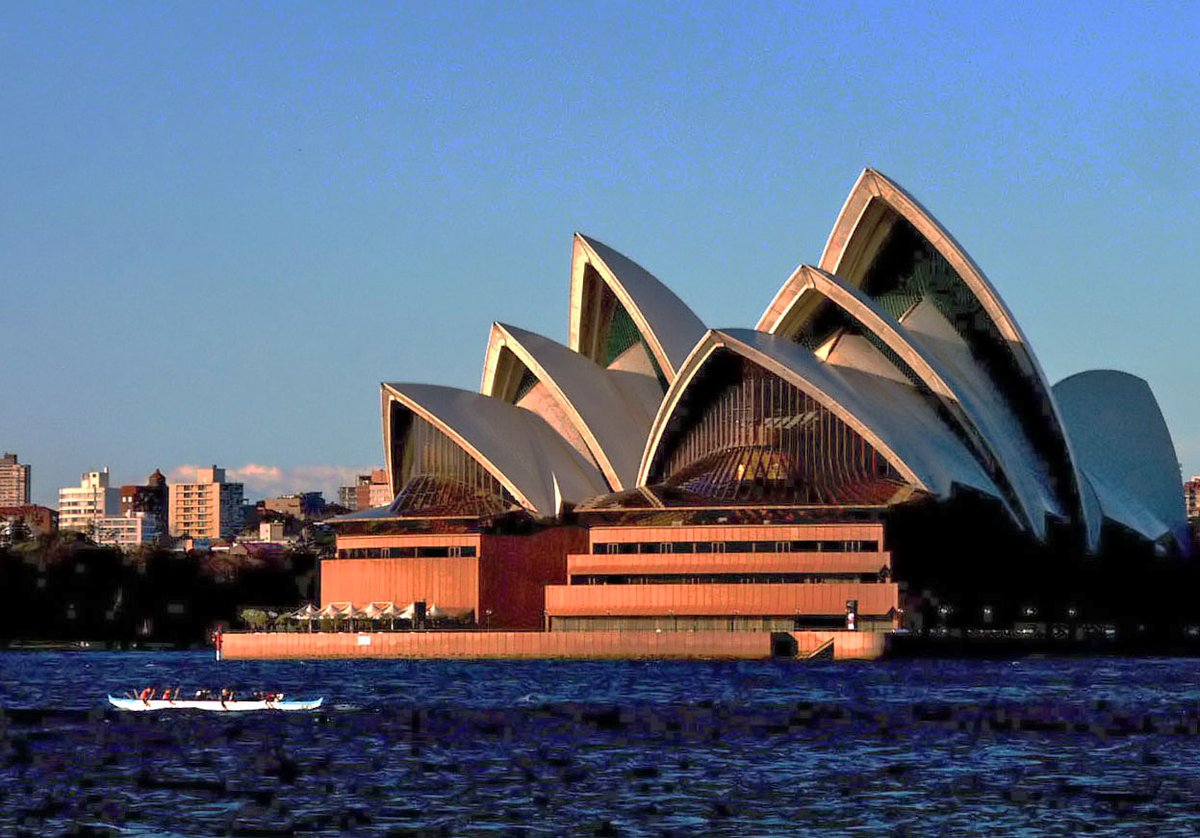
The Sydney Opera House’s design—its interlocking shells covered in more than a million Swedish tiles—redefined modern architecture and became a symbol of Australia’s forward-looking spirit (Ask Sydney). Its placement at Bennelong Point integrates the building with Sydney’s natural harbour and cityscape, enhancing both the urban and cultural landscape (Parametric Architecture).
Beyond its architectural brilliance, the Opera House is at the heart of Australia’s performing arts scene. Hosting over 3,000 events annually, it is a platform for opera, ballet, theatre, classical and modern music, and diverse cultural celebrations (Day in Hist).
Visiting the Sydney Opera House
Visiting Hours
- Public Precinct Access: Daily, 9:00 AM – 5:00 PM. Foyers and outdoor spaces are open for exploration.
- Guided Tours: Operate from 9:00 AM to 5:00 PM; last entry typically at 4:00 PM. Tour and performance schedules may vary—always check the official website for updates.
Ticketing and Tours
- Guided Tours: Standard tours start from around AUD $43 for adults, with discounts for children and families. Architectural and Backstage Tours are also available on select days (Klook).
- Performance Tickets: Prices vary by event; bookings can be made online or at the box office. Early reservations are recommended, especially during peak seasons (Sydney Opera House website).
- Multilingual Tours: Tours in French, German, Spanish, Japanese, Korean, and Mandarin are available. Auslan (Australian Sign Language) support is offered for select tours.
Accessibility
- Mobility: Wheelchair access, ramps, lifts, and accessible toilets are provided. Mobility Access Tours are available upon request (Sydney Opera House Experiences).
- Hearing Assistance: Induction loops and captioning devices are available for select performances.
- Family Access: Pram access is limited; baby carriers are recommended for tours.
Location and Getting There
The Opera House is located on Bennelong Point, a 6–7 minute walk from Circular Quay, which connects to trains, ferries, and buses (VisitSydney.com). Parking is available at the Wilson Parking Sydney Opera House Car Park; booking online is advised for better rates. Rideshare and taxi drop-off points are nearby.
Facilities and Amenities
- Restrooms: Available throughout the complex.
- Gift Shop: Sells souvenirs, books, and Opera House-themed merchandise.
- Wi-Fi: Complimentary Wi-Fi is available in public areas.
- Cloakroom and Bag Policy: Large bags, prams, and suitcases are not allowed on tours or inside venues; storage is available at Circular Quay.
Dining and Refreshments
- Bennelong Restaurant: Offers fine dining and modern Australian cuisine with harbour views (VisitSydney.com).
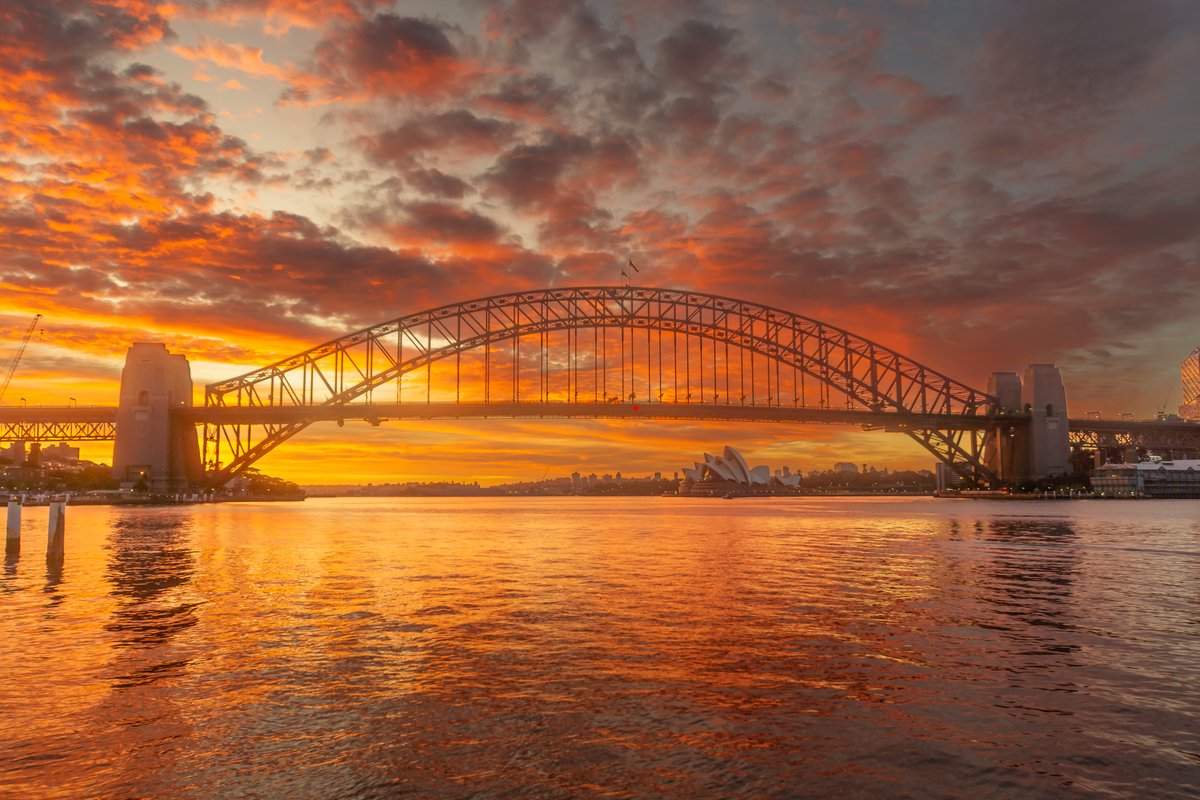
- Opera Bar: Casual dining and cocktails, with iconic views of the Harbour Bridge (Klook).
- Other Options: Several cafes and dining venues within the precinct cater to a range of tastes and budgets.
Special Experiences and Events
- Badu Gili: Healing Spirit: Nightly projections of First Nations art on the Bennelong sails, viewable for free from the Monumental Steps (A Nomad’s Passport).
- Vivid Sydney Festival: Annual light festival in May–June featuring spectacular projections and performances (Sydney Opera House Experiences).
- Open-Air Events: The Forecourt hosts concerts and festivals throughout the year.
Exploring Performance Venues
- Concert Hall: Largest venue (2,679 seats), home to the Sydney Symphony Orchestra and grand organ (Klook).
- Joan Sutherland Theatre: Main venue for opera and ballet (1,507 seats).
- Drama Theatre, Playhouse, and Utzon Room: Host smaller productions, talks, and chamber music (Time Out Sydney).
- Outdoor Forecourt: Popular for open-air concerts and public events.
Travel Tips
- Best Time to Visit: Weekdays, early mornings, and shoulder seasons (September–November, March–May) are less crowded (A Nomad’s Passport).
- Weather: Bring sun protection in summer, a jacket for cool evenings, and water for outdoor exploration.
- Photography: Allowed in most public areas and during tours (except inside performance spaces). Best photo spots are the Monumental Steps, Botanic Garden, and Circular Quay.
- Wildlife: Occasionally, New Zealand fur seals can be spotted on the northern steps (A Nomad’s Passport).
Nearby Attractions
- Royal Botanic Garden: Adjacent to the Opera House, ideal for scenic strolls.
- Sydney Harbour Bridge: 15-minute walk; offers bridge climbs and panoramic views.
- Circular Quay: Main transport hub, bustling with restaurants, shops, and ferry services (Klook).
Cultural Acknowledgement
The Sydney Opera House stands on the land of the Gadigal people of the Eora Nation. The Opera House honors this heritage through ongoing Indigenous programming, art, and public recognition (Sydney Opera House Experiences).
Frequently Asked Questions (FAQ)
Q: What are the Sydney Opera House visiting hours?
A: Public areas are usually open 9:00 AM–5:00 PM. Tour and performance times vary—check the official website.
Q: How do I purchase tickets?
A: Book online via the Sydney Opera House website, at the box office, or through authorized vendors.
Q: Is the Opera House accessible?
A: Yes. Wheelchair access, mobility tours, hearing assistance, and multilingual support are available.
Q: Can I take photos?
A: Yes, in most public areas and on tours, except inside performance venues.
Q: What’s the best way to get there?
A: Public transport via Circular Quay is easiest. Parking and rideshare options are also available.
Summary and Recommendations
The Sydney Opera House is a testament to human creativity and ambition, offering visitors much more than an iconic exterior. Explore its storied history, take part in guided tours, enjoy world-class performances, and immerse yourself in the surrounding cultural precinct.
Plan ahead by checking visiting hours, booking tickets in advance, and taking advantage of tours and special events.
For up-to-date details and planning resources, use the Sydney Opera House website and supplementary travel guides (Ask Sydney, VisitSydney.com).
Discover More
Ready to explore the Sydney Opera House? Download the Audiala app for streamlined ticket booking, guided tour options, and exclusive tips. Follow us on social media for the latest updates and explore our related articles on Sydney’s historical and cultural attractions to enhance your trip.
Tickets & tours.
These are guided options from our partners — same price as booking direct.
Prices are indicative — final pricing and availability are confirmed at checkout. Audiala may earn a commission from bookings made through these links.
Listen to the full story in the app
The whole Sydney Opera House,
told well.
Audio guides for 1,100+ cities across 96 countries. History, stories, and local insight — offline ready.
Verified, and shown.
Researched and written by the Audiala editorial team from historical records, architectural archives, and local expertise.
Researched from Wikidata, Wikipedia & official sources · fact-checked · How we make our guides →