Plan and listen to Jubilee Oval with Audiala.
Audio guide in your pocket, itinerary in your browser. Built for the way you actually visit.
Introduction
Jubilee Oval is a collective name for several notable sites across Sydney, each with its own distinctive blend of history, community, and sporting significance. Whether exploring the lush parklands and architectural heritage of Glebe’s Jubilee Oval, experiencing the electrifying atmosphere of Netstrata Jubilee Stadium in Carlton, or enjoying the fan-friendly precinct of Jubilee Stadium in Kogarah, visitors are treated to a rich tapestry of Sydney’s cultural and sporting life. This guide provides comprehensive, up-to-date information on visiting hours, ticketing, accessibility, transport, local attractions, and the unique history behind each Jubilee Oval location.

Jubilee Oval (Glebe) Guide
Introduction and Visitor Expectation
Set within Sydney’s Inner West, Glebe’s Jubilee Oval is a tranquil public space renowned for its lush parklands, striking viaducts, and deep-rooted community heritage. Visitors can expect a peaceful retreat perfect for walks, picnics, and photography, with layers of urban, architectural, and Indigenous history to explore (City of Sydney Jubilee Park Information; ArchitectureAU).
Visiting Hours and Ticket Information
- Hours: Open daily, 6:00 AM – 10:00 PM
- Entry: Free for general access; occasional ticketed events or heritage tours may be offered (City of Sydney Jubilee Park Information)
Directions and Accessibility
- Public Transport: Buses on Glebe Point Road and Parramatta Road; light rail to Glebe stop (10-minute walk)
- Parking: Limited street parking; public transport recommended
- Bicycle: Bike racks at park entrances
- Accessibility: Wheelchair-accessible paths, accessible toilets, and inclusive playgrounds
Guided Tours and Experiences
Heritage walks and community-led tours are occasionally organized by the City of Sydney and local historical groups. These offer in-depth exploration of the park's architecture, landscape, and Indigenous significance (City of Sydney Trees).
Best Photography Spots
- The iconic white picket fence of the oval
- Jubilee Pavilion’s timber and glass architecture
- Glebe Viaduct’s dramatic brick arches
- Avenue of Canary Island Date Palms, especially at sunset
- Rozelle Bay vistas from elevated parkland
Nearby Attractions
- Glebe Foreshore Walk: Picturesque waterfront trails
- Annandale Heritage Walk: Historic homes and streetscapes
- Glebe Tramsheds: Dining and shopping precinct
- Rozelle Bay & Blackwattle Bay Park: For relaxation and birdwatching
History and Heritage
Indigenous and Early History
Jubilee Park occupies land of the Gadigal people of the Eora Nation, with a strong tradition of Indigenous custodianship and community (Sydney.com; Glebe Society PDF).
Land Reclamation and Park Creation
Reclaimed in the late 19th century from marshland around Johnston’s Creek, the area was transformed into parkland following a public push for green space, officially opening as Federal Park in 1899 and renamed Jubilee Park in 1909 to commemorate Glebe’s municipal jubilee (City of Sydney Trees).
Architectural and Landscape Features
- Jubilee Pavilion: Blends historic weatherboard and brick with modern design, restored to preserve heritage while updating amenities (ArchitectureAU).
- Glebe Viaducts: Major brick engineering works built for the railway between 1892–1922, now landmarks of industrial heritage (The Ghost in My Machine).
- Civic Plantings: Notable Canary Island Date Palms (planted 1935), Moreton Bay and Port Jackson figs—rare and significant in Sydney’s park history (City of Sydney Trees).
Community and Cultural Life
The park has hosted sports, music, and civic gatherings for over a century. The 1923 rotunda and the oval’s ongoing use for local cricket and community events reflect this vibrant tradition (Glebe Society PDF).
Folklore and Conservation
Local legends such as the haunted “Street With No Name” add character to the site, while ongoing conservation efforts address challenges like the loss of heritage palm plantings (The Ghost in My Machine).
Jubilee Stadium (Kogarah/Netstrata)
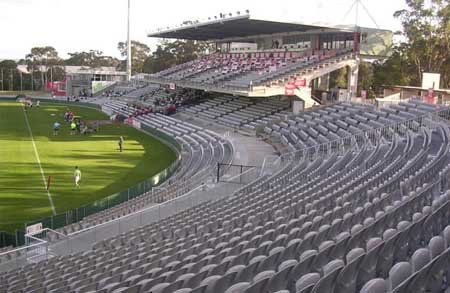
Jubilee Stadium (Kogarah Oval) is a premier Sydney sports destination, seating up to 20,500 spectators. It features:
- Western Grandstand: Sheltered, multi-level seating
- Northern Stand: Open-air
- The Hill: Grassed, family-friendly informal seating
- Corporate Suites: Premium hospitality for events (Austadiums; Sydney.com)
Visiting Hours, Tickets, and Facilities
- Event Hours: Gates open 1–2 hours before events; check listings for specifics
- Tickets: Purchase via Ticketek or at the gate; advance booking recommended for major events (Sydney FC A-Z Guide)
- Guided Tours: Available for special occasions
Transport and Parking
- Train: Carlton Station (10 min walk), Kogarah Station (20 min walk) (Kruzey)
- Bus: Sydney Buses 422 line
- Parking: Limited, especially for accessible spaces (pre-booking required); paid parking nearby
- Cycling: Limited facilities
Accessibility and Amenities
- Accessible seating, toilets, and drop-off zones
- Family zones, alcohol-free areas, and companion seating
- Wi-Fi in select areas
- First aid and lost property services
- Non-smoking venue
Food, Beverage, and Merchandise
- Classic stadium fare; specialty items for events (Visiting.com.au)
- Merchandise outlets for team gear and memorabilia
Local Attractions and Photo Opportunities
- Kogarah Historical Society Museum
- St George Botanic Gardens
- St George Leagues Club
- Legends Walk of Fame for match-day photos (Sydney Point)
Jubilee Oval (Carlton) Guide
Historical Significance and Community Spirit
Founded in 1924, Jubilee Oval (Netstrata Jubilee Stadium) is a central hub for Sydney’s rugby league and soccer communities. It is celebrated as the home ground of the St. George Illawarra Dragons and for its multicultural, inclusive atmosphere.
Getting There
- Train: Carlton Station (T4 Line; 5 mins walk)
- Bus: Services along Princes Highway and Jubilee Avenue
- Car: Limited parking; consider public transport or parking in surrounding suburbs
- Accessibility: Step-free access from station to stadium; accessible seating available (Sydney Trains Timetable)
Ticketing, Entry, and Event Experience
- Tickets: Buy online or at the box office; arrive 45+ minutes early for smooth entry (Jubilee Stadium Events & Tickets)
- Security: Bag checks, prohibited items list enforced
- Seating: Covered/uncovered options, family zones, accessible areas (Seating Map)
- Event Types: NRL, A-League, concerts, community festivals
Practical Tips and Safety
- Weather: Bring sun protection or rain gear as needed
- Essentials: Digital/printed tickets, photo ID, small bag, empty reusable bottle
- Payments: Mostly cashless; cards/mobile preferred
- Departure: Expect post-event crowds at stations and bus stops
Dining, Accommodation, and Recreation
- Local Eats: Thai, Lebanese, Italian, pubs, St. George Leagues Club
- Accommodation: Options in Kogarah, Hurstville, and Sydney CBD
- Parks: Jubilee Park for pre-game relaxation or family outings
Frequently Asked Questions (FAQ)
Q: What are the opening hours for Jubilee Oval and Jubilee Stadium?
A: Public park (Glebe): 6:00 AM – 10:00 PM. Stadiums: Gates open 1–2 hours before events.
Q: Is entry free?
A: Glebe park is free. Stadium events require tickets.
Q: Are guided tours available?
A: Occasional heritage or behind-the-scenes tours are offered; check official or community sites.
Q: Are venues wheelchair accessible?
A: Yes, with accessible seating, toilets, and companion services.
Q: How do I get there by public transport?
A: Light rail/bus for Glebe; train/bus for Carlton and Kogarah.
Q: Can I bring my own food?
A: Generally not at stadiums; allowed in public parks.
Q: What nearby attractions can I visit?
A: Glebe Foreshore Walk, Tramsheds, Rozelle Bay, Kogarah Museum, St. George Botanic Gardens.
Discover More
Maximize your Jubilee Oval experience by checking official event pages and travel advisories for up-to-date information. Enhance your visit with the Audiala app for real-time updates, curated walking tours, and exclusive content. Explore Sydney’s parks, sporting venues, and heritage precincts, and join community events to immerse yourself in the city’s vibrant spirit.
Stay connected through social media and local heritage groups for announcements, guided tours, and conservation projects.
Listen to the full story in the app
The whole Jubilee Oval,
told well.
Listen to sourced travel stories with local history and practical context — ready offline.
Verified, and shown.
Researched and written by the Audiala editorial team from historical records, architectural archives, and local expertise.
Built from cited sources · see the method · How we make our guides →