Plan and listen to Bass & Flinders Point with Audiala.
Audio guide in your pocket, itinerary in your browser. Built for the way you actually visit.
Introduction
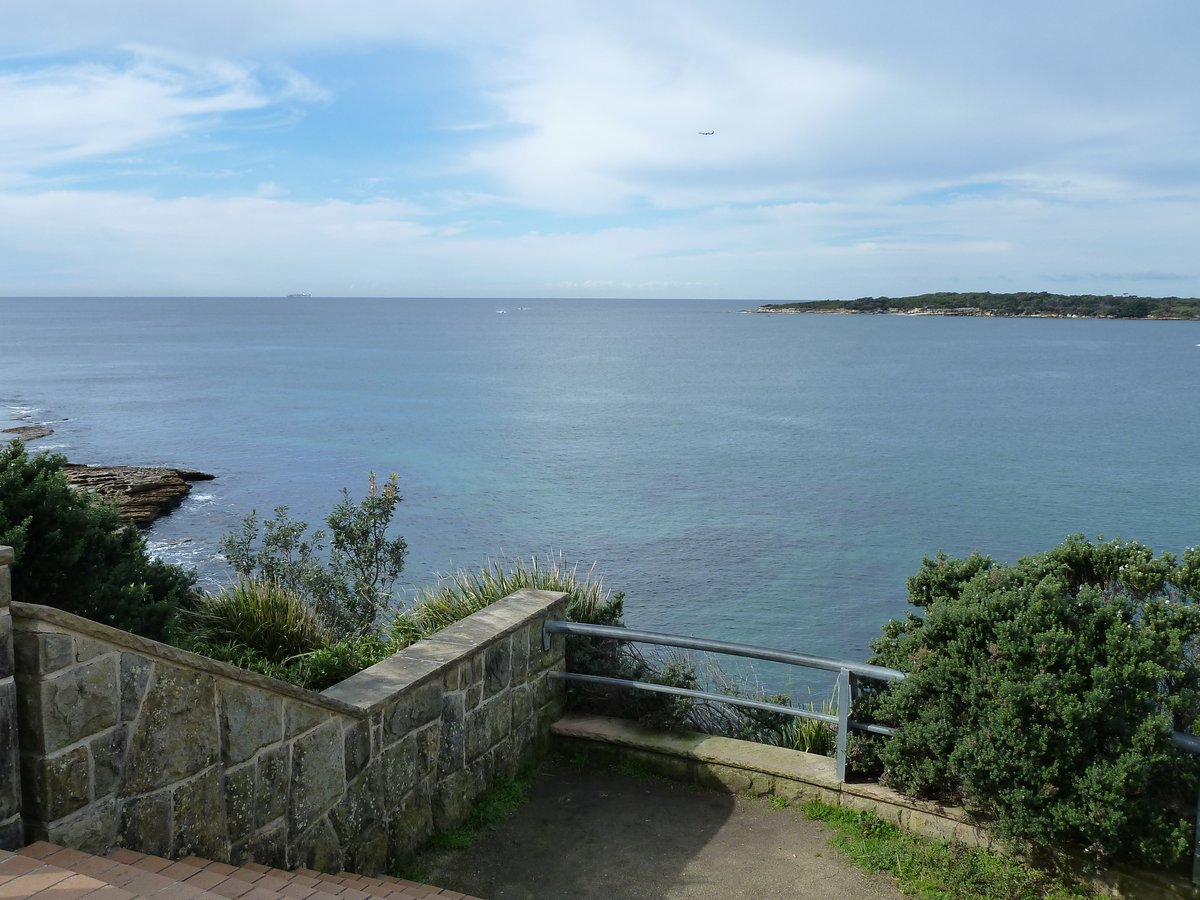
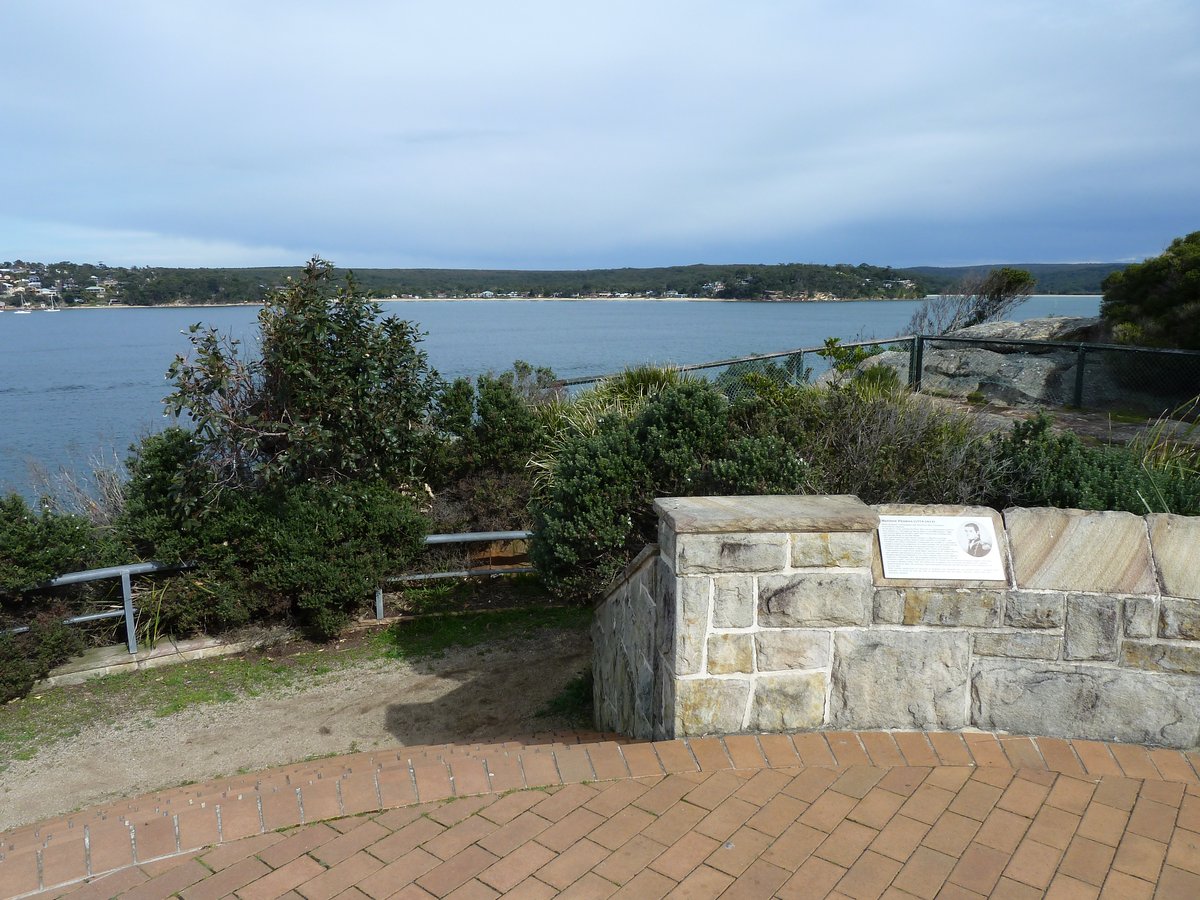
At the southernmost tip of the Cronulla Peninsula lies Bass & Flinders Point, a site of immense historical, cultural, and natural importance in Sydney. This guide provides everything you need to plan your visit: from the story of the explorers Matthew Flinders and George Bass to practical details about getting there, accessibility, facilities, and what to bring. Whether you are a history buff, nature lover, or simply seeking a memorable day out, Bass & Flinders Point offers a rich and varied experience.

Historical Background
Early European Exploration & Naming
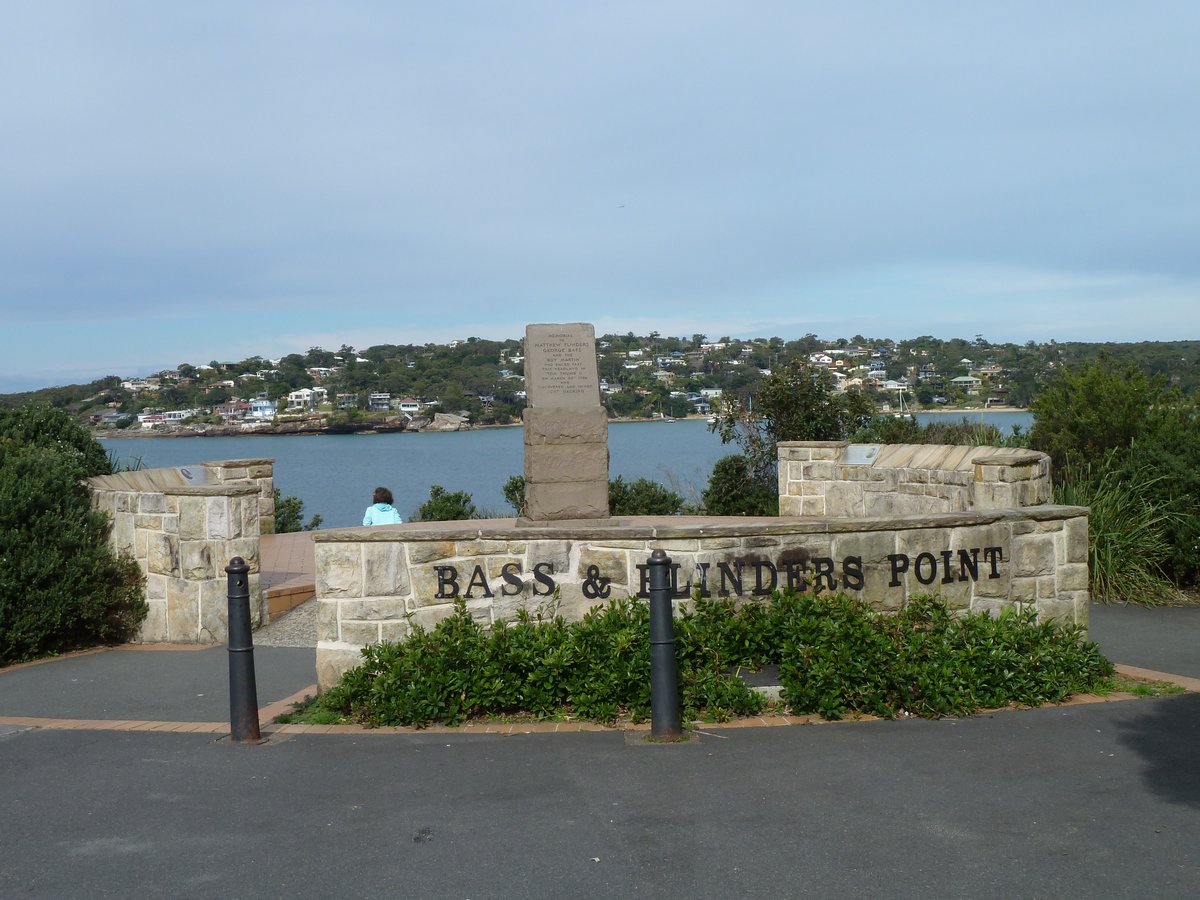
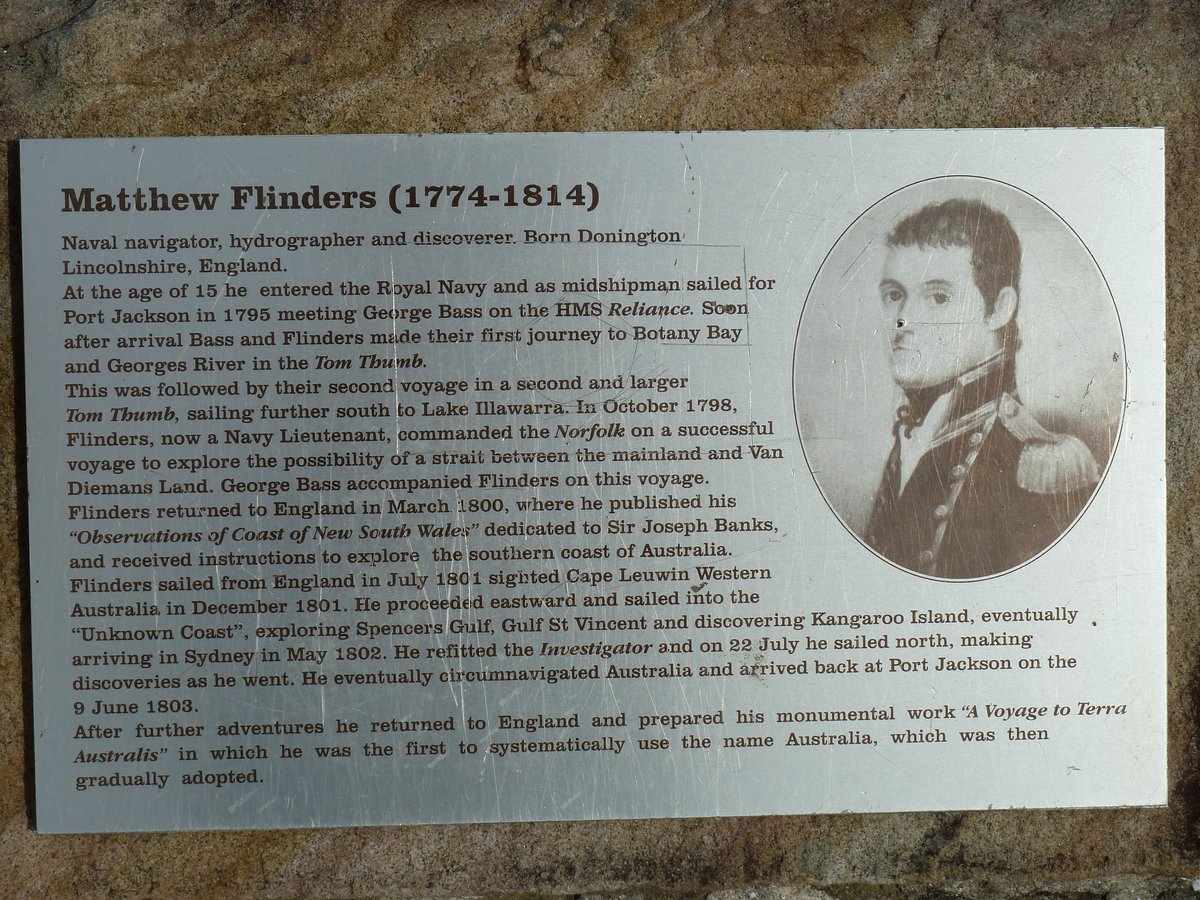
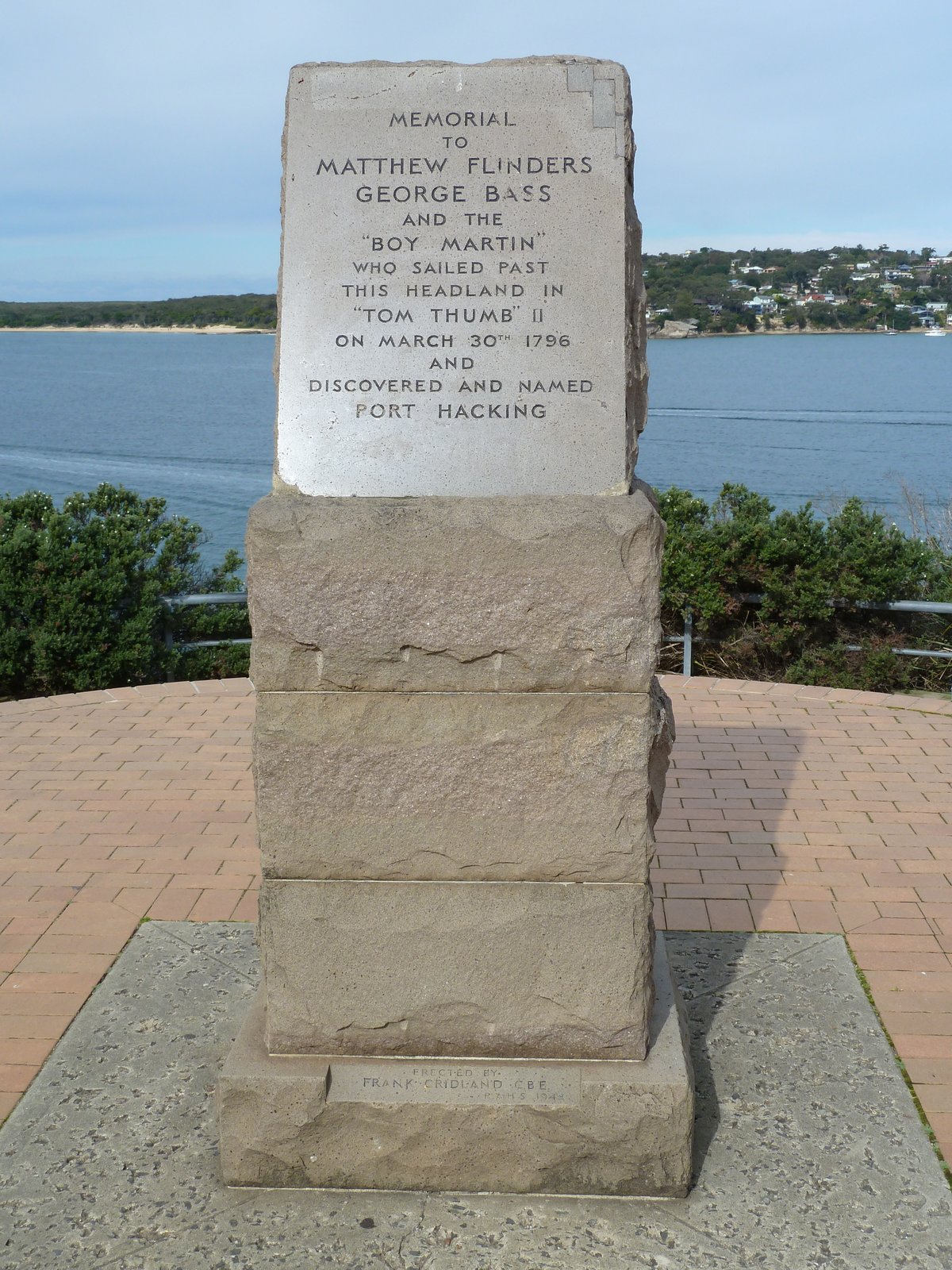
Bass & Flinders Point commemorates two of Australia's most influential explorers, Matthew Flinders and George Bass. In the late 18th century, their coastal surveys were pivotal in mapping New South Wales and expanding European understanding of the continent (Neighbourhood Media).
The Tom Thumb Expeditions
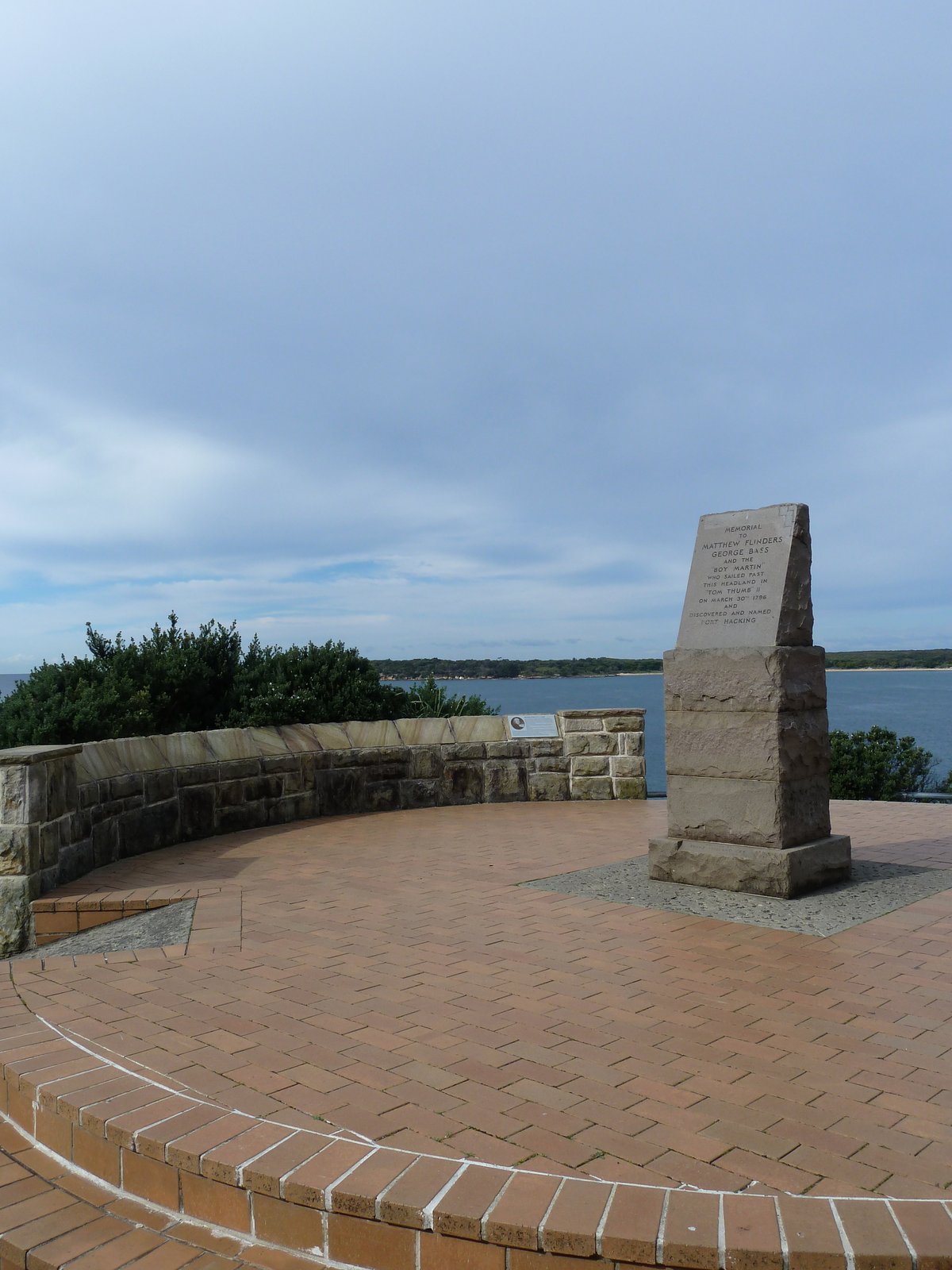
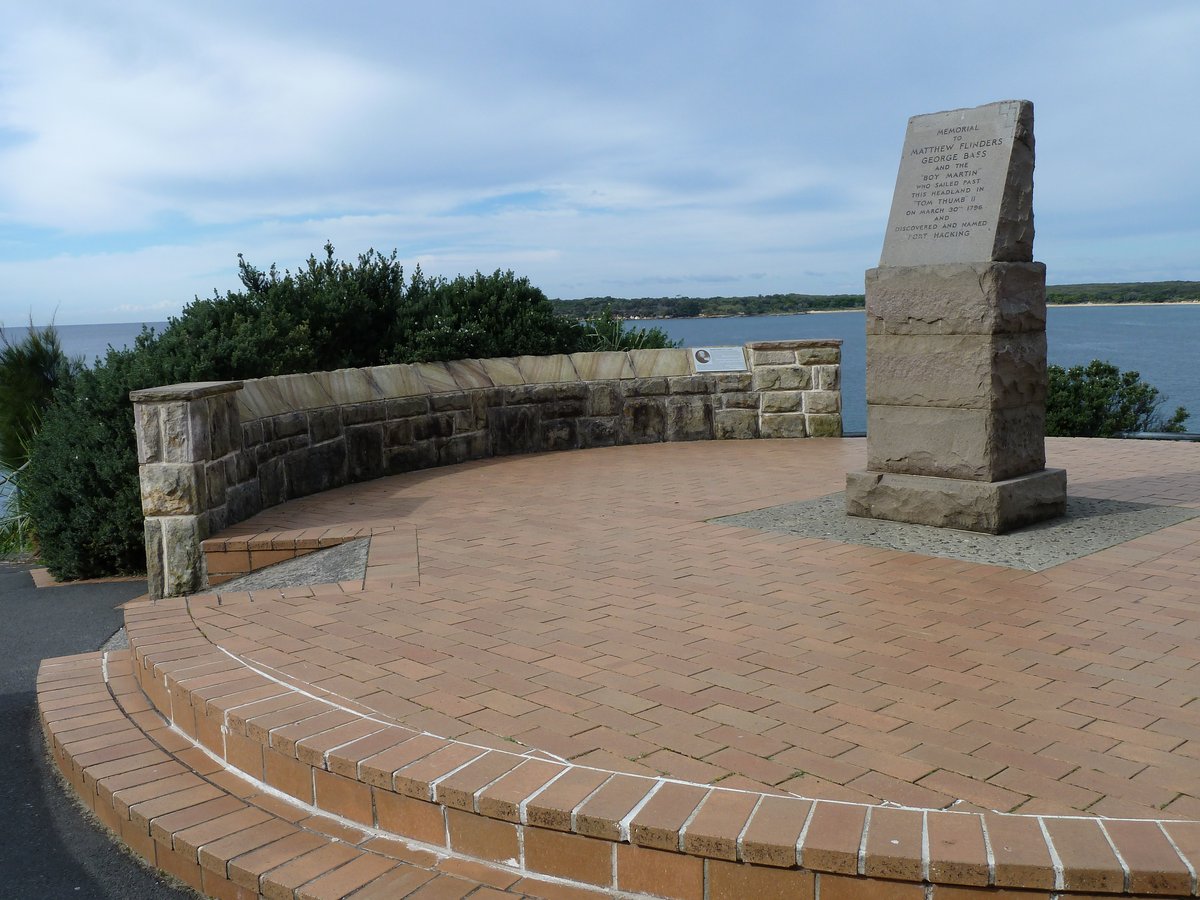
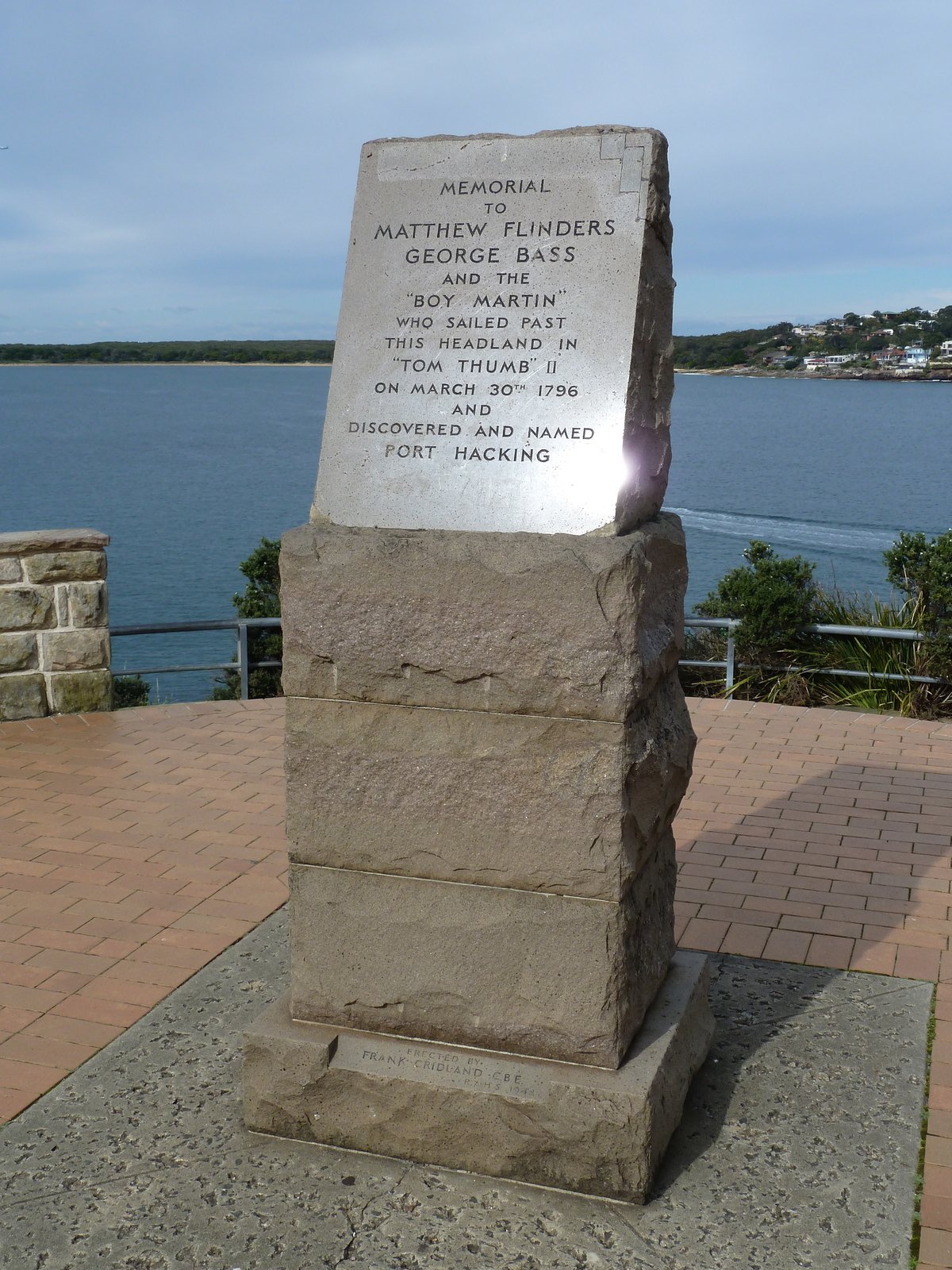
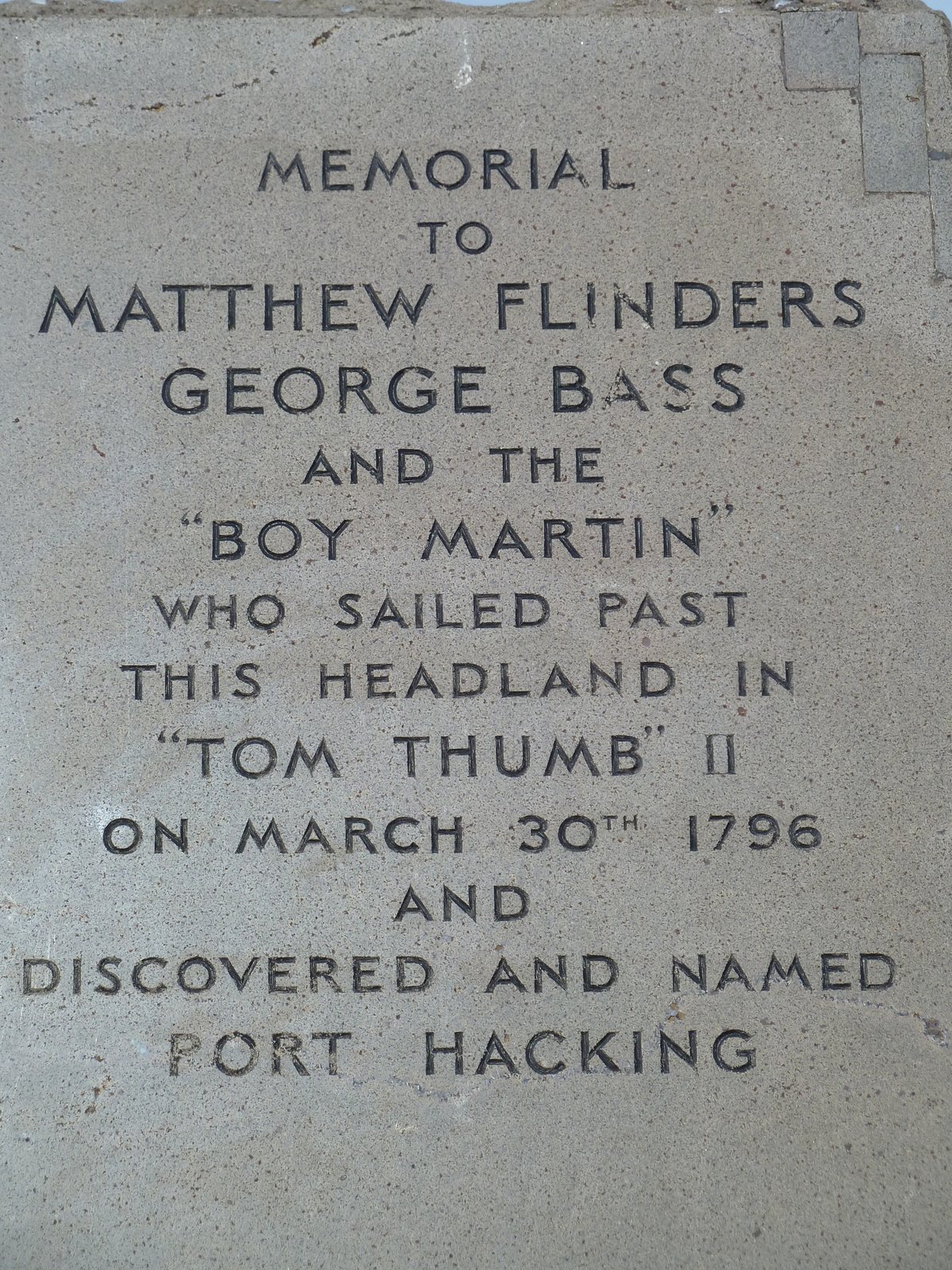
Flinders, Bass, and the young William Martin undertook two daring journeys in an open boat, the Tom Thumb and later Tom Thumb II, exploring the Georges River and searching for new inlets along the coastline in 1795 and 1796. Their exploration led to the discovery and mapping of Port Hacking (Heritage History; Neighbourhood Media).
Discovery and Naming of Port Hacking
Guided by Wodi Wodi Aboriginal men after their boat was beached near Wollongong, the explorers identified a tidal lagoon now known as Port Hacking, named after Henry Hacking, a notable pilot and early settler (Neighbourhood Media).
Indigenous Heritage
The area is part of Dharawal Country, with thousands of years of Aboriginal occupation preceding European arrival. Interpretive signage at the site acknowledges the first peoples and their enduring connection to the land and waters (visitsutherlandshire.com.au).
The Memorial
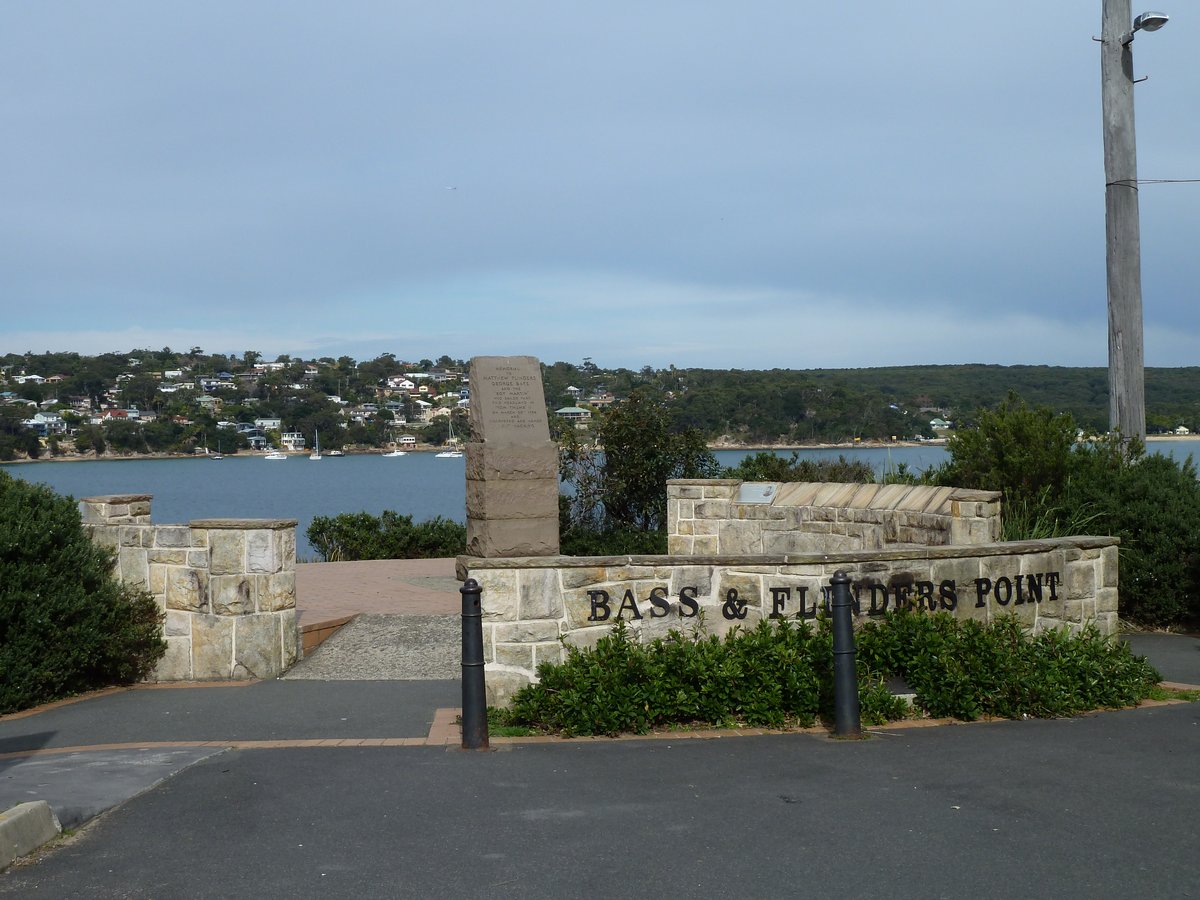
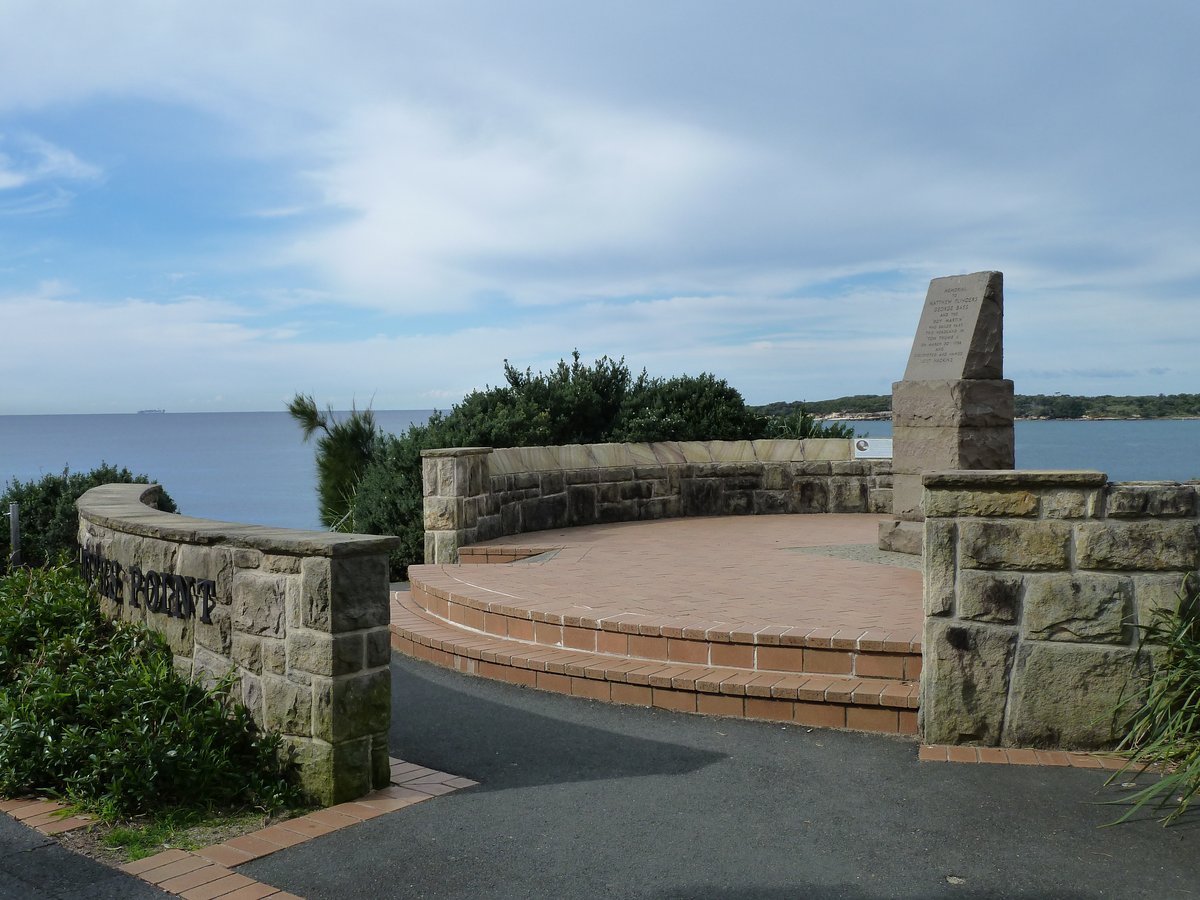
Erected by Frank Cridland, C.B.E., the monument at Bass & Flinders Point features bronze statues, plaques, and landscaped gardens, commemorating the explorers’ achievements and providing a focal point for education and reflection (Monument Australia).
Visiting Information
Visiting Hours
Bass & Flinders Point is an open public space:
- Hours: Open daily, year-round, from sunrise to sunset. Some sources indicate the area is accessible 24/7; however, visiting during daylight hours is recommended for safety and to enjoy full amenities.
Ticketing & Entry
- Entry: Free. No tickets or bookings required.
- Guided Tours: Occasional tours and educational events are run by local historical groups and the Sutherland Shire Council. Check visitsutherlandshire.com.au or local visitor centers for schedules.
Accessibility
- Pathways: The Esplanade Walk and monument areas are wheelchair and pram accessible, with mostly flat, paved paths and alternative routes to avoid steps (Sydney Expert).
- Toilets: Public and accessible toilets available at Oak Park and Salmon Haul Reserve; some require an MLAK key (Sydney.com Accessibility).
- Parking: Limited street parking nearby. Accessible parking is available closer to Cronulla Station.
Getting There
- By Train: T4 Eastern Suburbs & Illawarra Line to Cronulla Station, then a 15–20 minute (1.5 km) walk along the Esplanade (Sydney Expert).
- By Car: Parking near Ewos Parade, Gowrie Street, and Oak Park. Arrive early, especially on weekends.
- By Ferry: Ferries operate from Cronulla Wharf to Bundeena, providing scenic river views and access to the Royal National Park (Incidentally Sydney).
Facilities & Amenities
- Monument & Lookouts: Central sandstone monument, plaques, and panoramic lookouts.
- Gardens: Native plant landscaping and grassy spaces for picnics and relaxation.
- Seats & Shelters: Benches and shaded areas throughout.
- Playgrounds: Pirate ship fort at Salmon Haul Reserve for children (Sydney Expert).
- BBQs & Picnic Tables: At Oak Park and Salmon Haul.
- Showers/Change Rooms: Oak Park and Shelly Beach.
- Cafes & Kiosks: Along the Esplanade and near Cronulla Station.
Activities & Experiences
Walking & Exploring
- Cronulla Esplanade Walk: A 4 km accessible coastal trail linking five ocean pools, playgrounds, and viewpoints (Sydney Expert).
- Rock Pool Scrambling: Explore at low tide, but use caution on slippery rocks (Incidentally Sydney).
Swimming & Snorkeling
- Salmon Haul Reserve & Oak Park Rock Pool: Safe, family-friendly swimming and snorkeling. Lifeguard-patrolled during peak times (Sydney Uncovered).
Picnics & Relaxation
- Picnic Areas: Grassy lawns, tables, and BBQs available nearby.
- Photography: Capture stunning panoramas, especially at sunrise and sunset.
Family-Friendly Features
- Playgrounds & Flat Paths: Ideal for young families and those with prams or wheelchairs.
Events & Community
Bass & Flinders Point is a popular site for:
- Community historical events and educational tours.
- Small weddings and ceremonies (permits required for events) (Sutherland Shire Council).
- Group picnics and outdoor gatherings.
Environmental & Heritage Significance
- Conservation: Native vegetation and marine life are actively preserved by local authorities.
- Cultural Respect: Stay on marked paths and respect both European and Aboriginal heritage (Dreaming of Down Under).
Frequently Asked Questions (FAQ)
Q: What are the visiting hours of Bass & Flinders Point?
A: Open daily, sunrise to sunset (some sources indicate 24/7 access).
Q: Is there an entry fee or ticket required?
A: No, the site is free to visit.
Q: Are guided tours available?
A: Occasional tours are offered; check with local visitor centers or historical societies for schedules.
Q: Is the site wheelchair accessible?
A: Yes, with paved paths and alternate routes to avoid steps.
Q: Are public toilets available?
A: Yes, at Oak Park and Salmon Haul Reserve; accessible toilets may require an MLAK key.
Q: Can I swim or snorkel at the Point?
A: While the Point itself is rocky, nearby Salmon Haul Reserve and Oak Park Rock Pool are perfect for swimming and snorkeling.
Q: How do I get there by public transport?
A: Train to Cronulla Station, then a 15–20 minute walk along the Esplanade.
Visitor Tips
- Best Time to Visit: Spring and autumn for mild weather; early mornings or weekdays for fewer crowds.
- What to Bring: Comfortable shoes, water, sun protection, camera, swimwear, picnic supplies.
- Safety: Supervise children, use caution on rocks, swim in patrolled areas only.
- Etiquette: Respect the environment and cultural heritage; dispose of rubbish responsibly.
- Events: For ceremonies or large group events, secure permits via Sutherland Shire Council.
Listen to the full story in the app
The whole Bass & Flinders Point,
told well.
Listen to sourced travel stories with local history and practical context — ready offline.
Verified, and shown.
Researched and written by the Audiala editorial team from historical records, architectural archives, and local expertise.
Built from cited sources · see the method · How we make our guides →