Plan and listen to University Of Melbourne with Audiala.
Audio guide in your pocket, itinerary in your browser. Built for the way you actually visit.
Introduction
Nestled in the heart of Melbourne, Australia, the University of Melbourne stands as a testament to over 170 years of academic achievement, cultural significance, and architectural beauty. Established in 1853, it is Australia’s second oldest university and a proud member of the Group of Eight, renowned for its research, teaching excellence, and contribution to society (University of Melbourne Master Planning). The Parkville campus is a blend of historic Victorian Gothic architecture, lush gardens, and innovative research hubs, all located near Melbourne’s iconic landmarks such as the Royal Exhibition Building and Carlton Gardens (City of Melbourne Heritage).
This comprehensive guide details everything you need to know for a memorable visit—including campus access, tour options, accessibility, nearby attractions, and more. Whether you’re a prospective student, history buff, or traveler, discover how to make the most of your University of Melbourne experience.

Historical and Cultural Significance
Foundation and Heritage
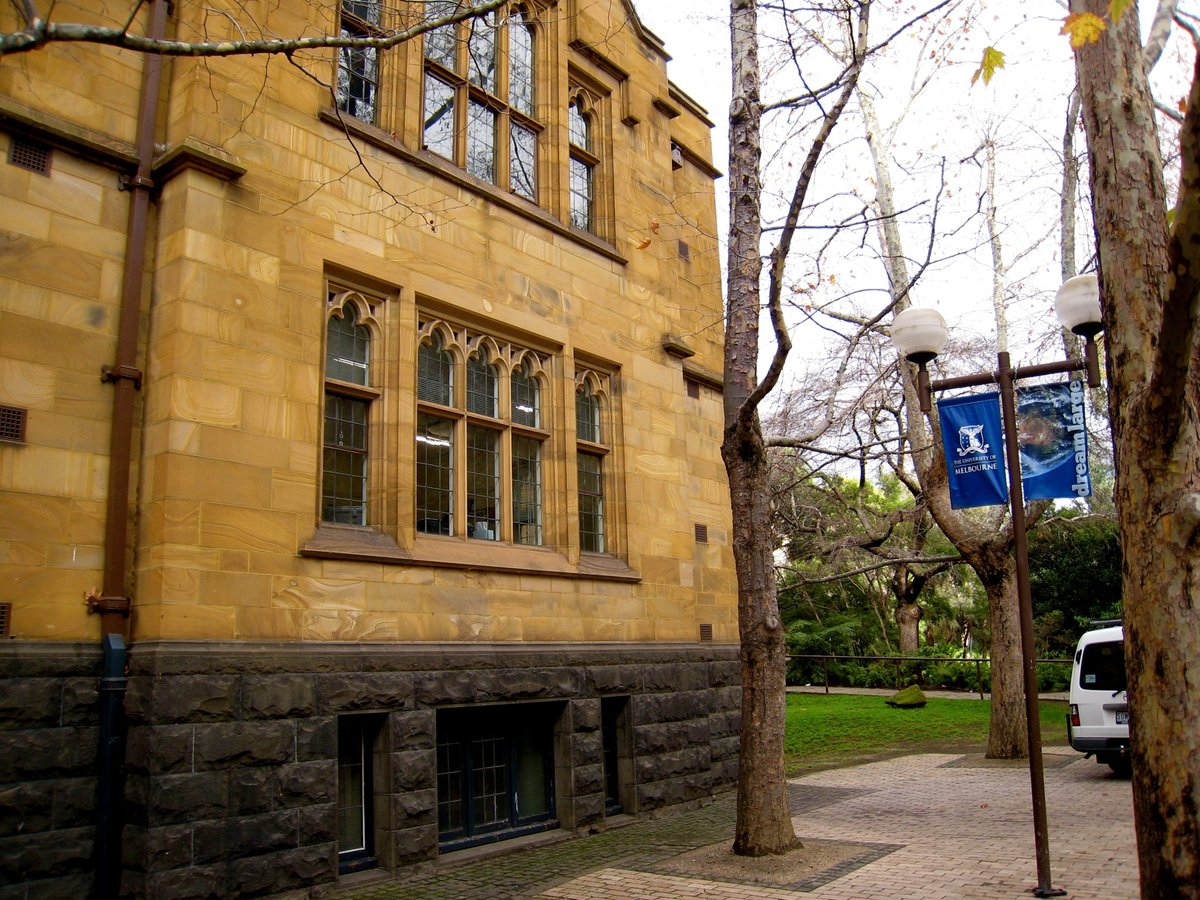
Founded in 1853, the University of Melbourne is one of Australia’s oldest and most distinguished universities. The Parkville campus is located on the traditional lands of the Wurundjeri Woi Wurrung and Bunurong peoples of the Kulin Nation, reflecting a deep acknowledgment of Indigenous heritage (University of Melbourne Master Planning). The campus features heritage-listed buildings such as the Old Quadrangle, which dates to 1854, and showcases a seamless integration of historical and modern architecture (City of Melbourne Heritage).
Role in Shaping Melbourne and Australia
The university has played a pivotal role in Melbourne’s growth as a multicultural knowledge city, contributing to scientific, medical, and artistic advancements over the decades (University of Melbourne Master Planning). Its influence extends nationally and internationally, supporting vital cultural institutions and fostering a vibrant, diverse community.
Academic and Research Impact
Excellence in Research and Teaching
Consistently ranked among the world’s top universities, the University of Melbourne excels in research and teaching across a broad range of disciplines (University of Melbourne Newsroom). The university’s approach integrates interdisciplinary collaboration, world-class biomedical precincts, and strategic partnerships (MelbUni Research Vision).
Global Engagement and International Education
The university is a leader in international education, attracting students from across the globe and promoting cultural exchange (University of Melbourne Global). This diversity enriches both campus life and the city of Melbourne (ERIC International Student Report).
Societal and Environmental Contributions
Community Engagement and Social Inclusion
The University of Melbourne is committed to community engagement and social responsibility, actively supporting reconciliation with Indigenous Australians and integrating Indigenous knowledge across its programs (University of Melbourne Master Planning).
Sustainability and Environmental Leadership
The campus is a living laboratory for sustainability, with green initiatives, biodiversity projects, and energy-efficient infrastructure (University of Melbourne Global News).
Economic and Innovation Impact
Innovation and Economic Development
The university is a key driver of innovation and economic growth, supporting startups, industry partnerships, and research commercialization, particularly within Melbourne’s biomedical and creative precincts (University of Melbourne Master Planning, University of Melbourne Research).
Visitor Information
Visiting Hours and Entry
- General Access: The Parkville campus is open to the public daily from 7:00 AM to 10:00 PM. Most outdoor spaces and gardens are freely accessible during these hours.
- Building Access: Museums, galleries, and specific buildings typically open from 10:00 AM to 5:00 PM. Entry is free, though some exhibitions or events may require tickets (University of Melbourne Campus Tours).
Tours and Tickets
- Guided Tours: Free, student-led walking tours run regularly, lasting about 60 minutes. Advance booking is recommended (Eventbrite Parkville Campus Tour).
- Self-Guided Tours: Downloadable maps and audio guides are available online (Self-Guided Tour PDF).
- Virtual Tours: Explore the campus remotely (University of Melbourne Virtual Tours).
Accessibility
- The campus offers comprehensive wheelchair access, with ramps, lifts, accessible restrooms, and step-free routes. Service animals are welcome, and visitor centers provide assistance for those with additional needs (Campus Map).
Special Events and Photographic Spots
- Photographic Highlights: Iconic locations include Wilson Hall, the Old Quadrangle, South Lawn, and the System Garden.
- Events: Public lectures, art exhibitions, and festivals are held throughout the year (University Events).
Travel Tips and Nearby Attractions
- Transport: Easily accessible via tram routes (particularly on Swanston Street), nearby train stations (Melbourne Central, Parliament), and bus lines. The soon-to-open Parkville Metro Station will further improve access.
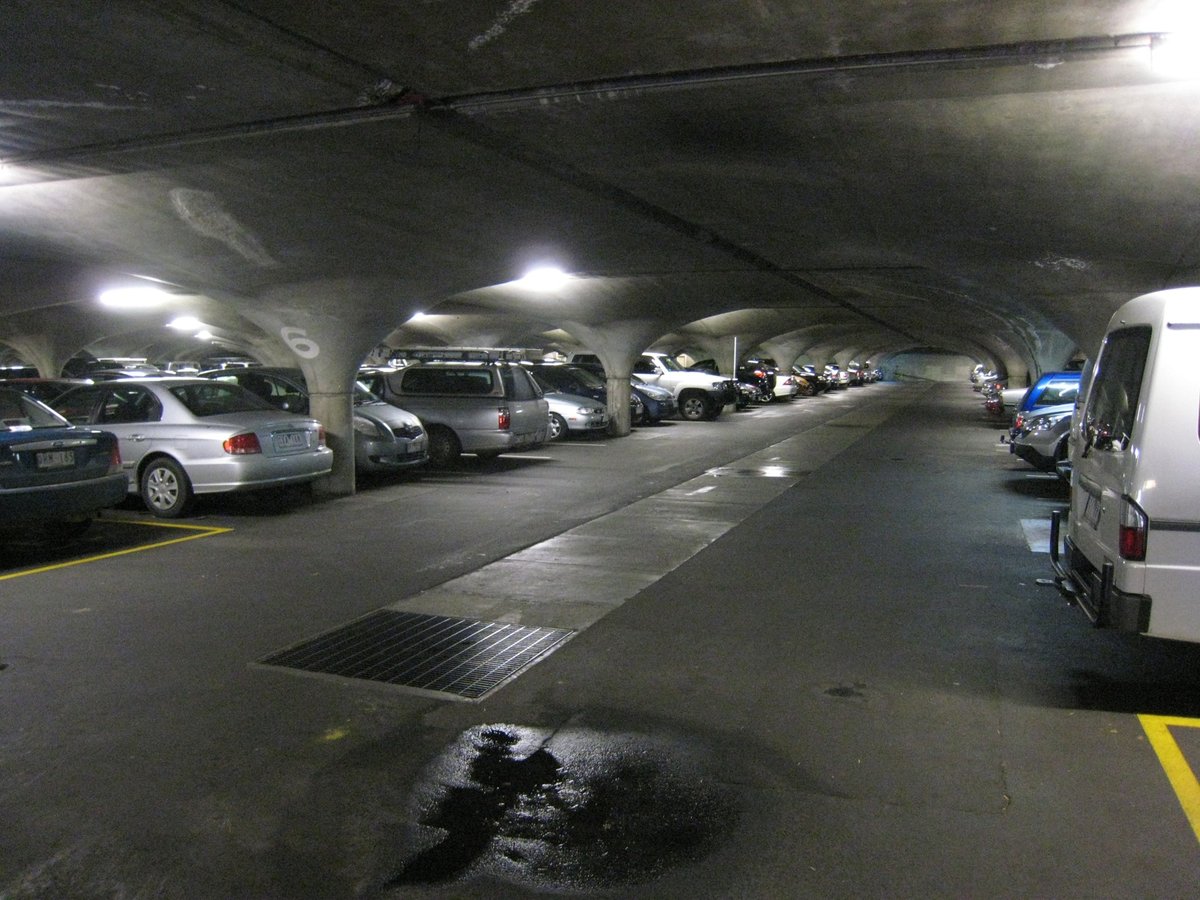
- Parking: Limited on-campus parking; public transport is recommended.
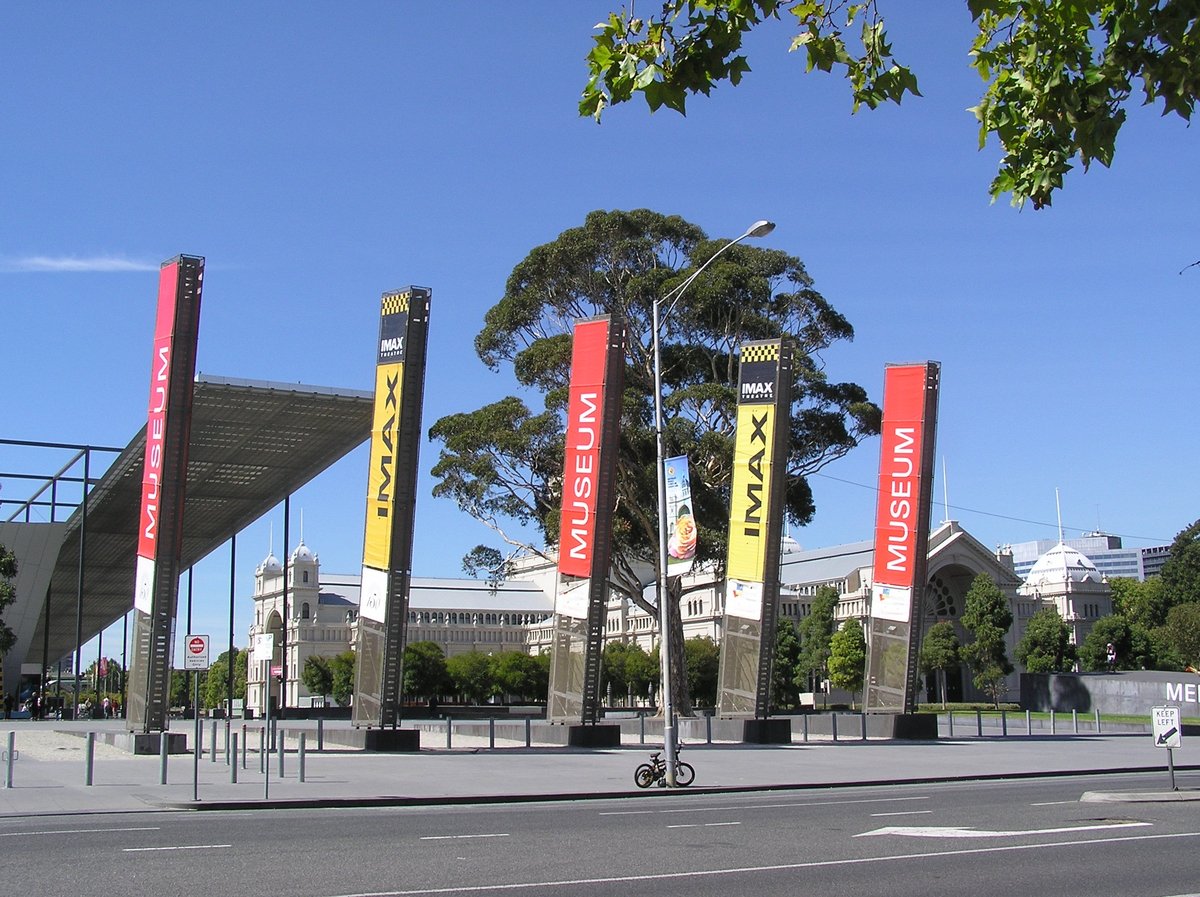
- Nearby Attractions: Royal Exhibition Building, Carlton Gardens, Melbourne Zoo, Queen Victoria Market, and Melbourne Museum are all within walking distance (Melbourne Zoo, Queen Victoria Market, Royal Exhibition Building).
Visitor Facilities and Amenities
- Information Centres: Located at Gate 3, Swanston Street, for maps, assistance, and brochures.
- Food and Drink: Over 25 cafés and food outlets across campus.
- Restrooms and Connectivity: Public and accessible restrooms, drinking fountains, and free Wi-Fi in most public spaces (City of Melbourne Visitor Information).
Key Historical Sites and Attractions
- Old Quadrangle: The university’s oldest building, dating to 1857, featuring Victorian Gothic architecture (Self-Guided Tour PDF).
- Baillieu Library: Largest library on campus, home to extensive collections.
- Ian Potter Museum of Art: Showcases contemporary and Indigenous art (Ian Potter Museum of Art).
- Science Gallery Melbourne: Innovative exhibitions on science and art (University Museums and Galleries).
- System Garden: A living museum of plant diversity.
Gardens and Cultural Venues
Enjoy the South Lawn for relaxation and picnics, or visit the nearby Southbank campus for performing arts and music at the Victorian College of the Arts and the Melbourne Conservatorium of Music (Self-Guided Tour PDF).
Events and Special Experiences
- Open Day: Held every August, featuring campus tours, info sessions, and performances (Open Day).
- Public Lectures and Exhibitions: Frequent events open to all—check the events calendar.
Accommodation and Nearby Stays
Residential colleges offer accommodation primarily to enrolled students, but some provide tours for prospective applicants (Accommodation Tours). For general visitors, nearby hotels and serviced apartments in Carlton and the CBD are recommended.
Safety and Emergency Information
The campus is safe and regularly patrolled. Emergency contact details and security call points are available on campus maps (Self-Guided Tour PDF).
Frequently Asked Questions (FAQ)
Q: Are there entry fees or ticket requirements?
A: General campus access is free. Some guided tours and exhibitions may require advance booking or a small fee.
Q: What are the visiting hours?
A: Open daily from 7:00 AM to 10:00 PM; individual venues may vary.
Q: Is the campus accessible for people with disabilities?
A: Yes, accessibility features and support are available campus-wide.
Q: Can I take photographs?
A: Yes, photography is welcomed in public spaces.
Q: How do I book a guided tour?
A: Book via the university’s tour webpage or Eventbrite Parkville Campus Tour.
Tips for a Memorable Visit
- Check tour and event schedules ahead of time (University Events).
- Wear comfortable shoes and be prepared for Melbourne’s variable weather.
- Utilize public transport for easy access.
- Download interactive maps and tour apps for self-guided exploration (University of Melbourne Virtual Tours).
- Explore beyond the campus with visits to nearby cultural landmarks (Best Places to Visit in Melbourne).
Discover More
The University of Melbourne’s Parkville campus is a highlight of Melbourne’s cultural, historical, and educational landscape. With free public access, diverse tour options, and a calendar full of engaging events, it offers an enriching experience for every visitor. Plan your visit today using official resources, interactive maps, and the Audiala app for curated guides. Stay updated via the university’s website and social media channels to make the most of your campus exploration (University of Melbourne Visitor Information).
Listen to the full story in the app
The whole University Of Melbourne,
told well.
Audio guides for 1,100+ cities across 96 countries. History, stories, and local insight — offline ready.
Verified, and shown.
Researched and written by the Audiala editorial team from historical records, architectural archives, and local expertise.
Researched from Wikidata, Wikipedia & official sources · fact-checked · How we make our guides →