Plan and listen to Statue Of William John Clarke with Audiala.
Audio guide in your pocket, itinerary in your browser. Built for the way you actually visit.
Introduction
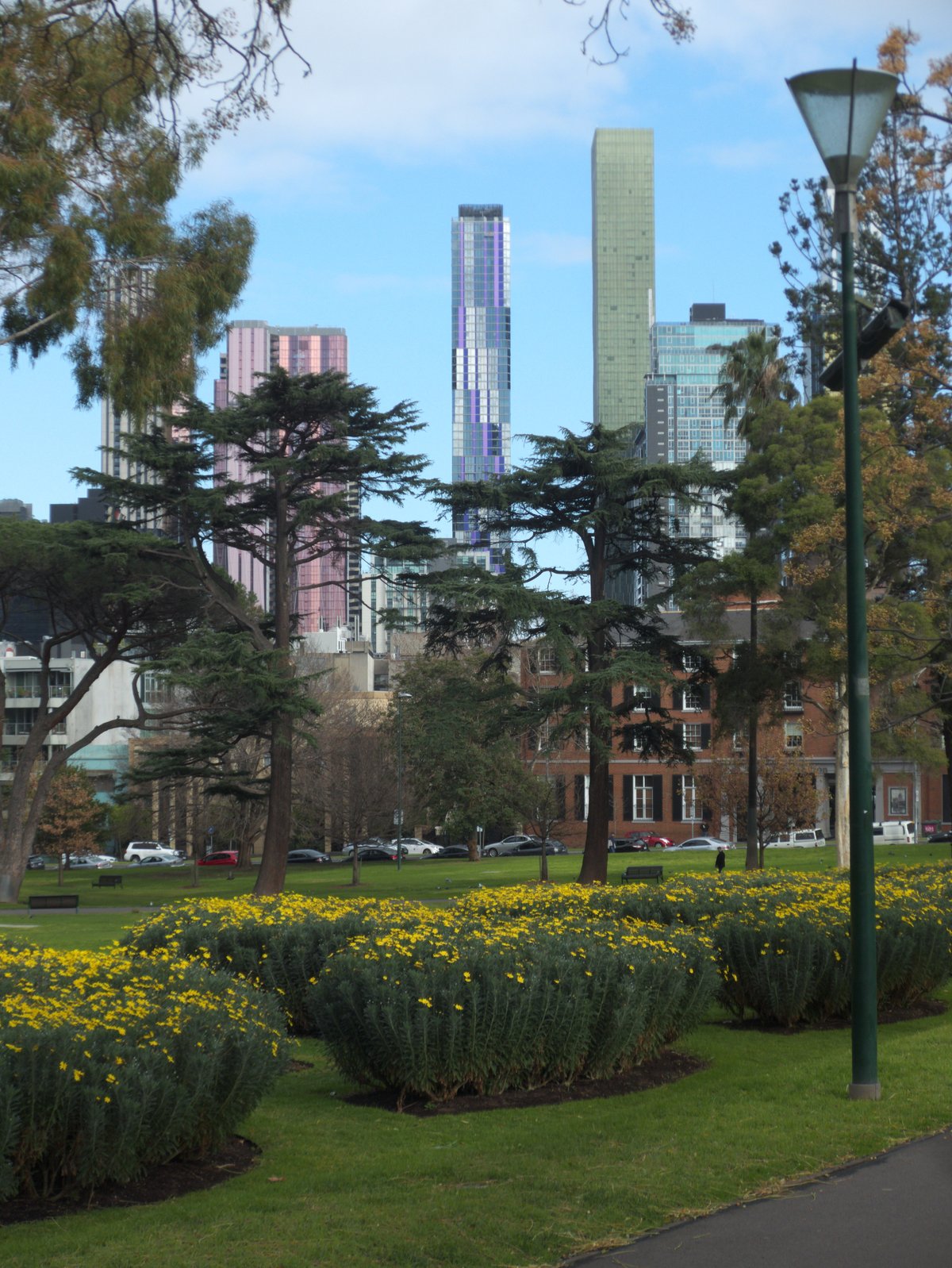
The Statue of Sir William John Clarke, set within the lush Treasury Gardens of Melbourne, is a prominent landmark celebrating one of colonial Victoria’s most influential figures. Sir William John Clarke (1831–1897) was a pastoralist, philanthropist, and civic leader whose legacy shaped Melbourne’s cultural, agricultural, and educational landscape. This monument, crafted by renowned sculptor Sir Edgar Bertram Mackennal and unveiled in 1902, stands as a testament to Clarke’s enduring contributions and Melbourne’s civic pride during a period of rapid transformation.
This comprehensive guide provides everything you need to know about visiting the statue, including hours, tickets, accessibility, guided tours, historical context, artistic features, and its ongoing cultural significance. Whether you are a resident, history enthusiast, or tourist, this resource will help you fully appreciate the importance of this heritage-listed monument.
Origins and Commissioning of the Statue
Following Sir William John Clarke’s death in 1897, Melbourne’s citizens sought to honor his remarkable impact through a public memorial. A fundraising campaign was quickly supported by the community, reflecting the respect Clarke commanded throughout Victoria. The commission was awarded to Sir Edgar Bertram Mackennal, a celebrated sculptor, who collaborated closely with Clarke’s family to design a monument that would be grand, yet reflective of Clarke’s modest character (Monument Australia; Public Art Around the World).
The statue was completed in London and shipped to Melbourne, where it was unveiled in the Treasury Gardens on July 22, 1902, in a ceremony attended by dignitaries, Clarke’s family, and the public.
Sir William John Clarke: Life and Legacy
Sir William John Clarke was born in Tasmania and inherited extensive pastoral holdings in Victoria and Tasmania, eventually managing over 250,000 acres (Australian Dictionary of Biography). Beyond his agricultural achievements, Clarke was renowned for his philanthropy, donating substantial sums to institutions such as St Paul’s Cathedral, Trinity College, hospitals, and relief funds. He also played a key role in the development of Freemasonry in Victoria as its first Grand Master and served as President of the Melbourne International Exhibition of 1880–1881 (Museums Victoria).
Clarke was knighted as the first Australian-born baronet in 1882, a recognition of his extensive public service and generosity. His sudden death in 1897 was widely mourned, and the statue commemorates his lasting legacy in Melbourne’s civic life.
Artistic Design and Symbolism
The Statue of Sir William John Clarke is a marble monument in the Grecian style, standing 461 cm high. The bust of Clarke, rendered with dignified realism, sits atop a substantial pedestal. Two allegorical figures adorn the monument:
- A woman holding a wreath: Symbolizing Victoria and the community’s gratitude.
- A young man holding a scroll: Representing education and Clarke’s support for learning and youth.
The inscription reads:
“To the Hon. Sir William John Clarke, Bart., L.L.D., M.L.C., Victoria’s Tribute.”
The use of marble and classical motifs was intended to convey permanence and virtue, aligning with public art trends of the era (City Collection Melbourne).
Unveiling and Public Reception
The statue was unveiled on July 22, 1902, by the Governor of Victoria, Sir George Sydenham Clarke, despite inclement weather (Monument Australia). The event attracted widespread attention and was featured prominently in the media. The public response was overwhelmingly positive, reflecting Clarke’s high standing in Victorian society.
Historical Context: Melbourne in the Late 19th Century
The late 19th and early 20th centuries saw Melbourne emerge as a major city of the British Empire, fueled by the gold rush and rapid urban development. This era saw the erection of numerous monuments commemorating civic leaders, philanthropists, and pioneers, with the Clarke statue fitting into this broader tradition of public commemoration (Museums Victoria; eMelbourne).
Preservation and Heritage Status
The statue is listed on the Victorian Heritage Register, which ensures its ongoing preservation. Conservation measures, including cleaning and restoration, are overseen by the City of Melbourne, safeguarding the monument for future generations (Victorian Heritage Database). The Treasury Gardens themselves are recognized for their heritage value and form part of a landscape rich in public art and monuments.
Visiting Hours, Tickets, and Tours
- Hours: Treasury Gardens are open daily from dawn until dusk.
- Tickets: Entry is free; there are no ticket requirements.
- Guided Tours: Several local operators, including Melbourne Walks, offer guided walking tours that feature the Clarke statue and other Melbourne historical sites. Check with providers for schedules and booking information.
Accessibility and Visitor Experience
The statue is easily reachable on foot, by bicycle, or via public transport (tram routes 48 or 75, or a short walk from Flinders Street Station). The gardens offer paved pathways, gentle slopes, and seating areas, making the site accessible for visitors with mobility needs. The tranquil setting is ideal for reflection, photography, and learning about Melbourne’s history.
Nearby amenities include restrooms, cafes, picnic areas, and interpretive signage. The gardens are also a venue for community events, rallies, and weddings, with the statue often serving as a historic backdrop (What’s On Melbourne).
Nearby Attractions
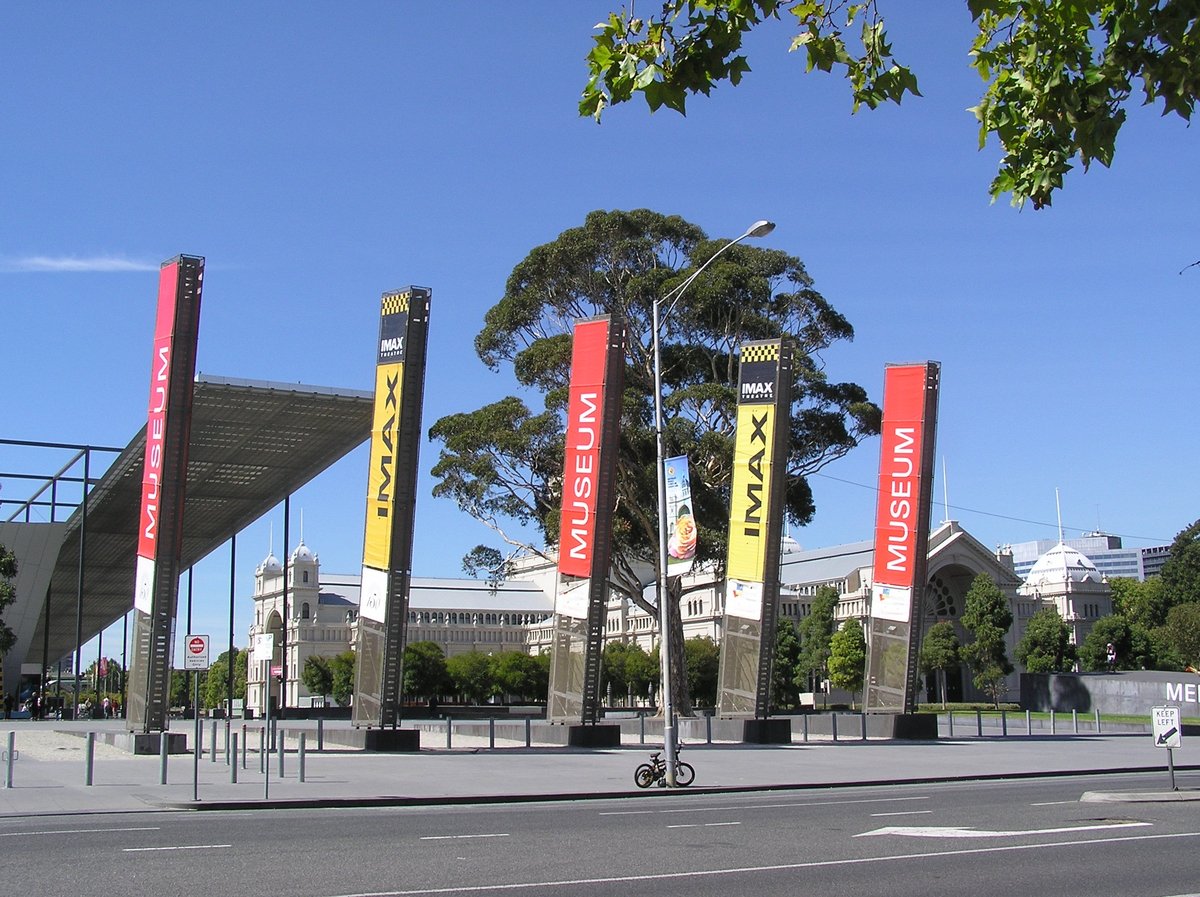
Enhance your visit by exploring the Parliament House, Fitzroy Gardens, the Robert Burns Memorial, and the John F. Kennedy Memorial, all located within walking distance. The Melbourne Museum and State Library of Victoria also offer exhibitions and resources on the city’s colonial history.
Notable Events and Anniversaries
The statue has been the site of various commemorative events, including anniversaries of Clarke’s birth and death. Its centenary in 2002 was marked by a special ceremony, reaffirming its role as a symbol of community pride and historical continuity (Royal Historical Society of Victoria).
Frequently Asked Questions (FAQs)
Q: What are the visiting hours for the Statue of William John Clarke?
A: Treasury Gardens are open daily from dawn to dusk.
Q: Is there an entry fee or ticket required?
A: No, the statue and gardens are free to access.
Q: Are guided tours available?
A: Yes, several local tour operators offer guided walks that include the Clarke statue.
Q: Is the site accessible for visitors with disabilities?
A: Yes, paved paths and gentle gradients accommodate visitors with mobility needs.
Q: Can I take photographs?
A: Yes, photography is permitted and encouraged.
Q: What public transport options are available?
A: Tram routes 48 and 75 run along Flinders Street, and Parliament Station is nearby.
Summary and Travel Recommendations
The Statue of William John Clarke stands as a distinguished emblem of Melbourne’s heritage, celebrating a leader whose influence reached across agriculture, philanthropy, and public service. Its classical design and picturesque setting in Treasury Gardens make it both an artistic treasure and a focal point for public reflection. Visitors will find the monument easily accessible, well maintained, and surrounded by other notable landmarks.
For a deeper exploration, consider joining a guided walking tour through Melbourne Walks or using digital tools like the Audiala app for interactive experiences. Local institutions such as the Melbourne Museum and State Library of Victoria provide further insights into the era and figures commemorated by the city’s monuments.
Listen to the full story in the app
The whole Statue Of William John Clarke,
told well.
Audio guides for 1,100+ cities across 96 countries. History, stories, and local insight — offline ready.

Verified, and shown.
Researched and written by the Audiala editorial team from historical records, architectural archives, and local expertise.
Researched from Wikidata, Wikipedia & official sources · fact-checked · How we make our guides →