Plan and listen to Royal Exhibition Building with Audiala.
Audio guide in your pocket, itinerary in your browser. Built for the way you actually visit.
Introduction
The Royal Exhibition Building in Melbourne is a globally significant architectural and cultural landmark, recognized as Australia’s first UNESCO World Heritage-listed building. Designed for the international exhibition movement of the 19th century, it now serves as a vibrant venue for public events, guided tours, and educational experiences. This comprehensive guide covers the building’s storied history, architectural highlights, cultural importance, visiting hours, ticketing, accessibility, travel tips, and nearby attractions—helping you plan a rewarding visit to one of Melbourne’s most treasured sites (Museums Victoria; UNESCO; Go West Tours).


Historical Background
Origins and Construction
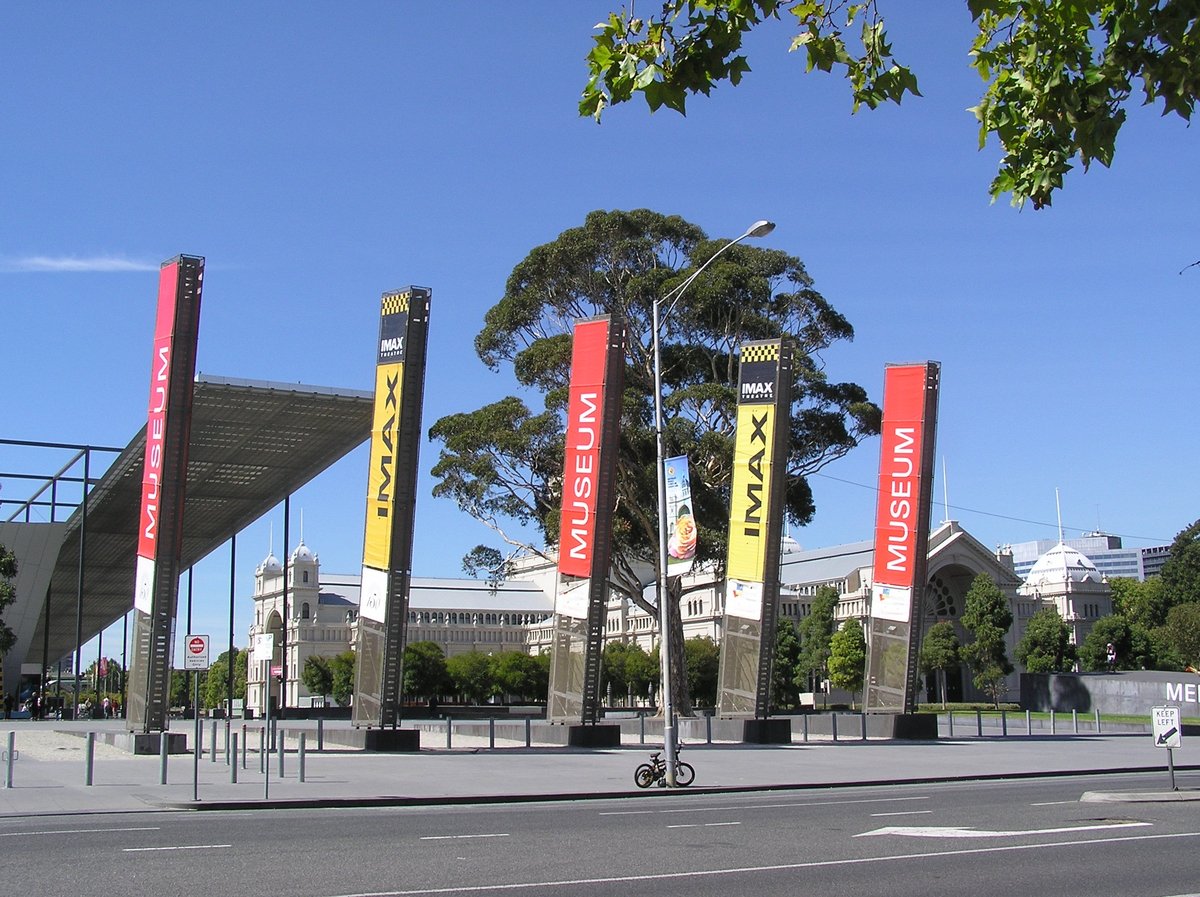
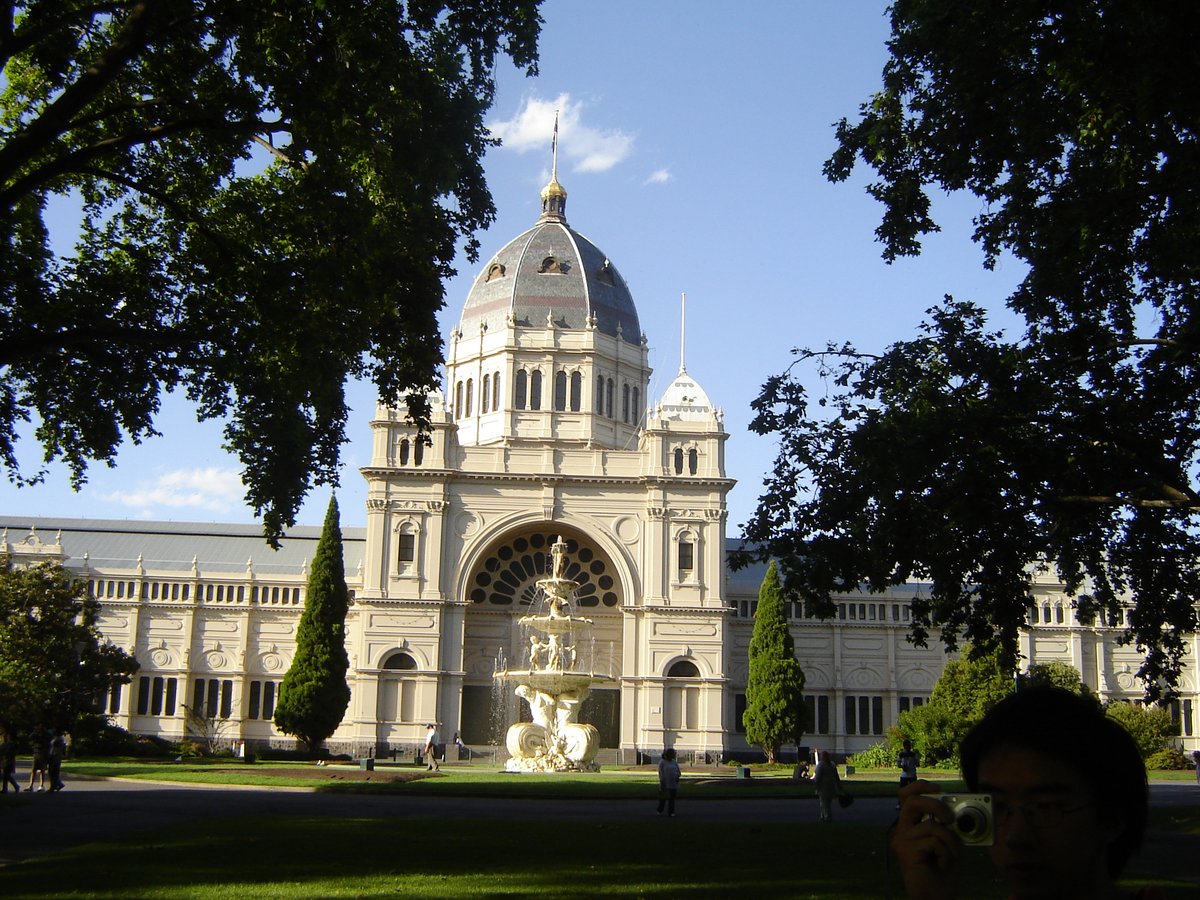
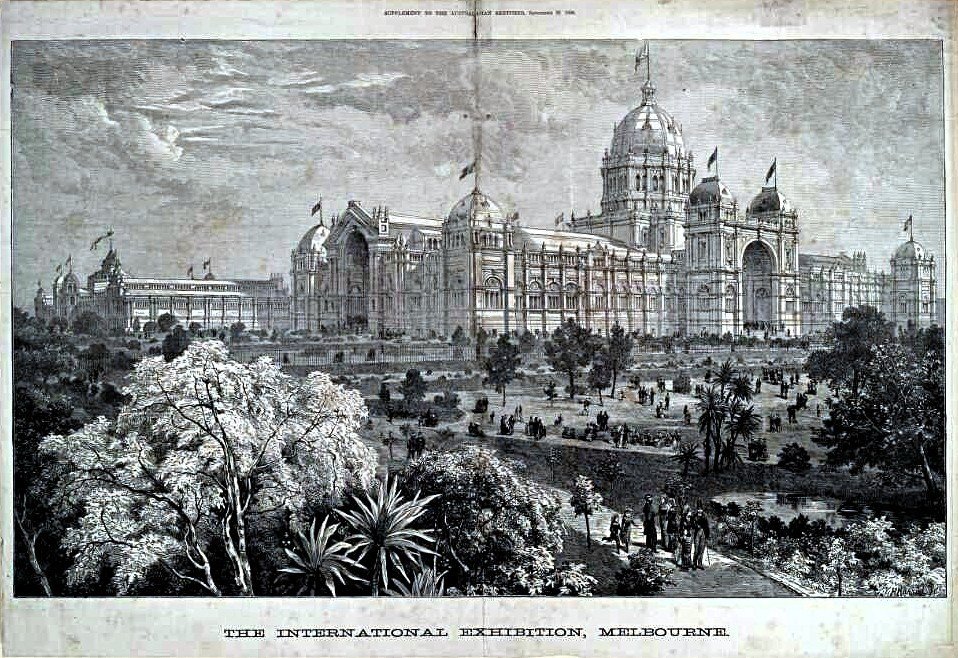
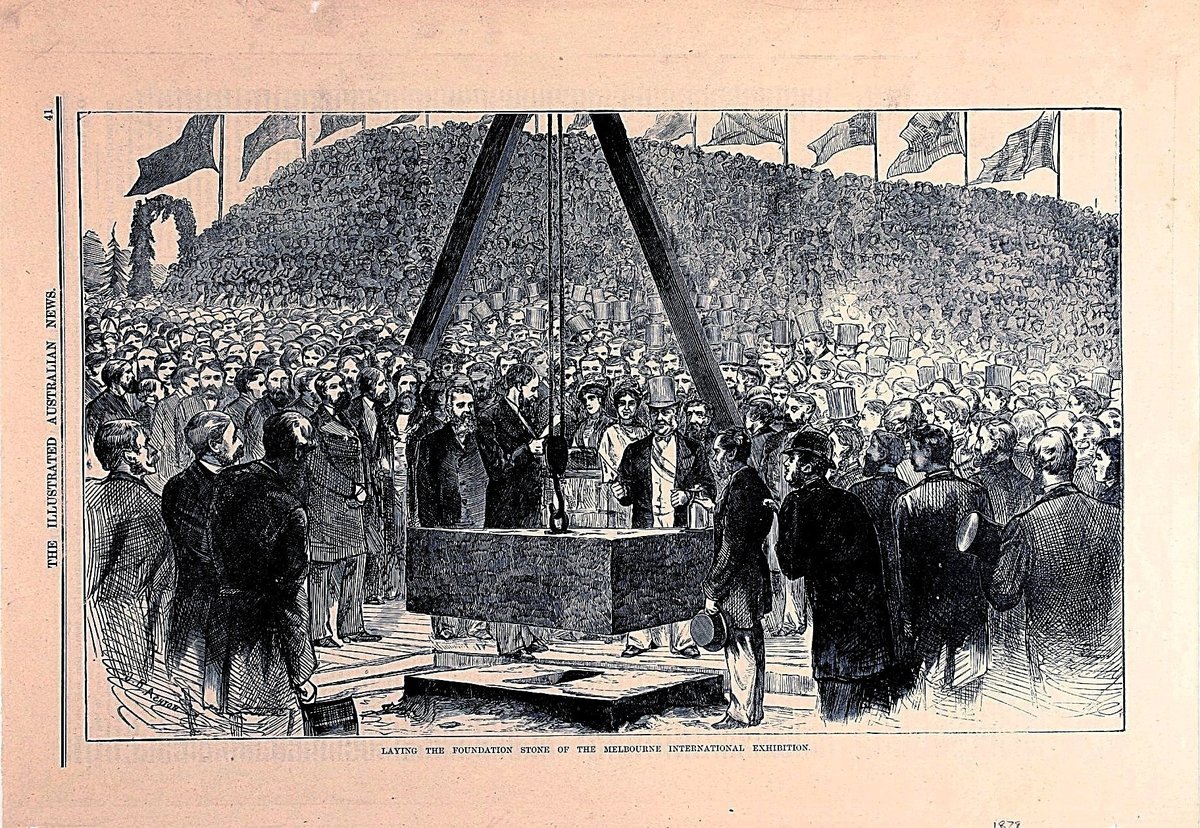
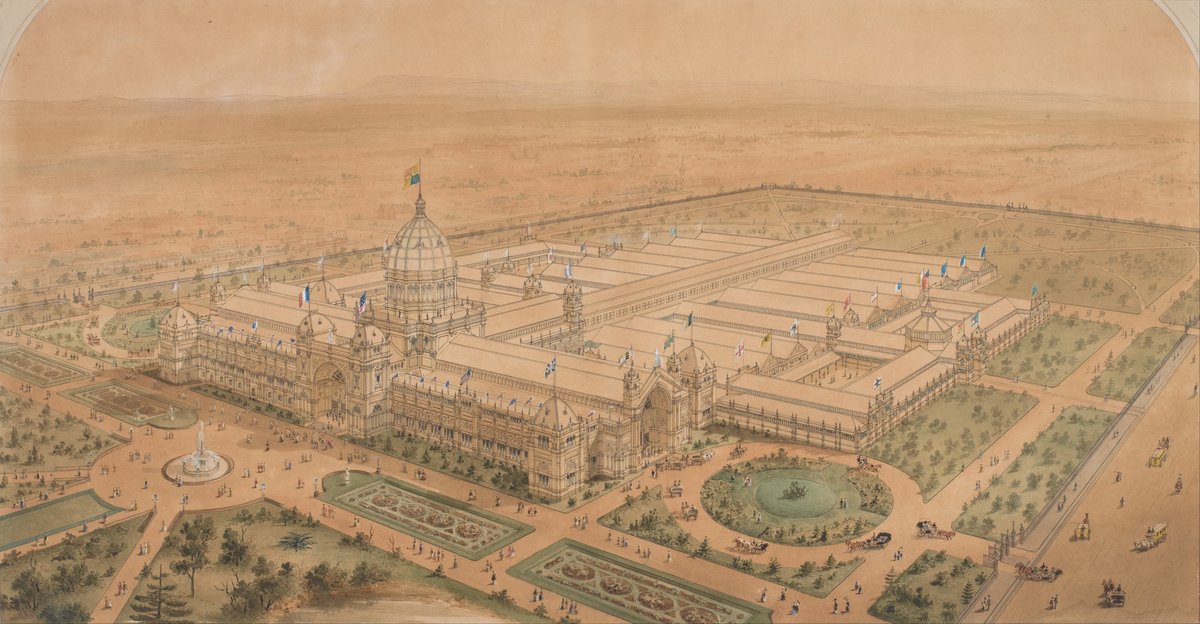
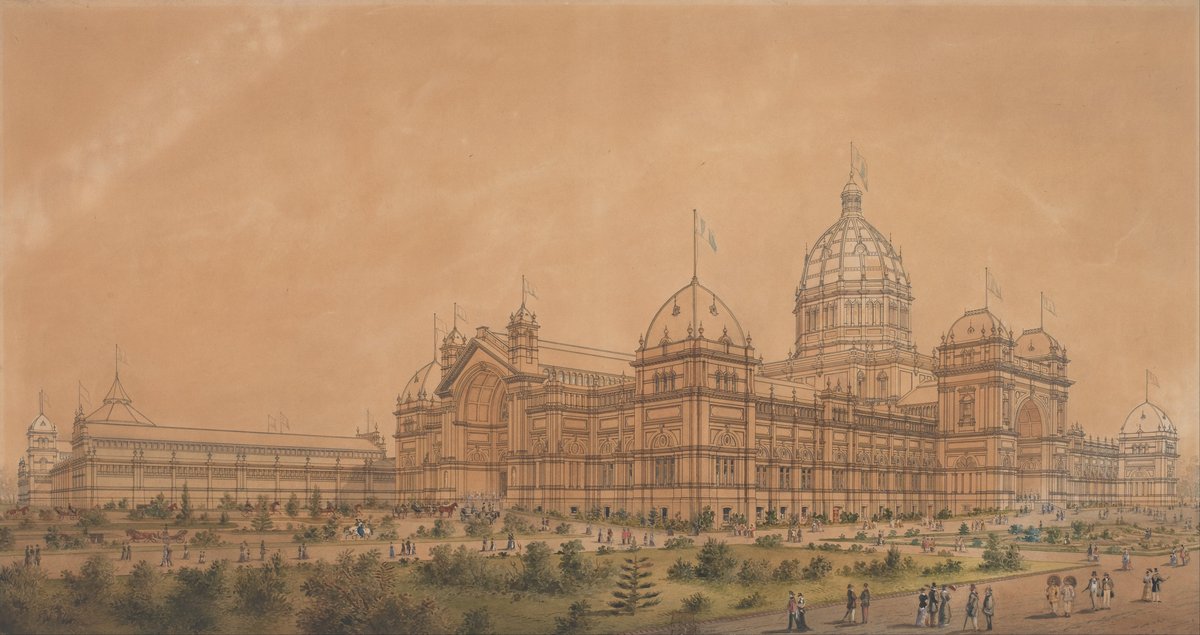
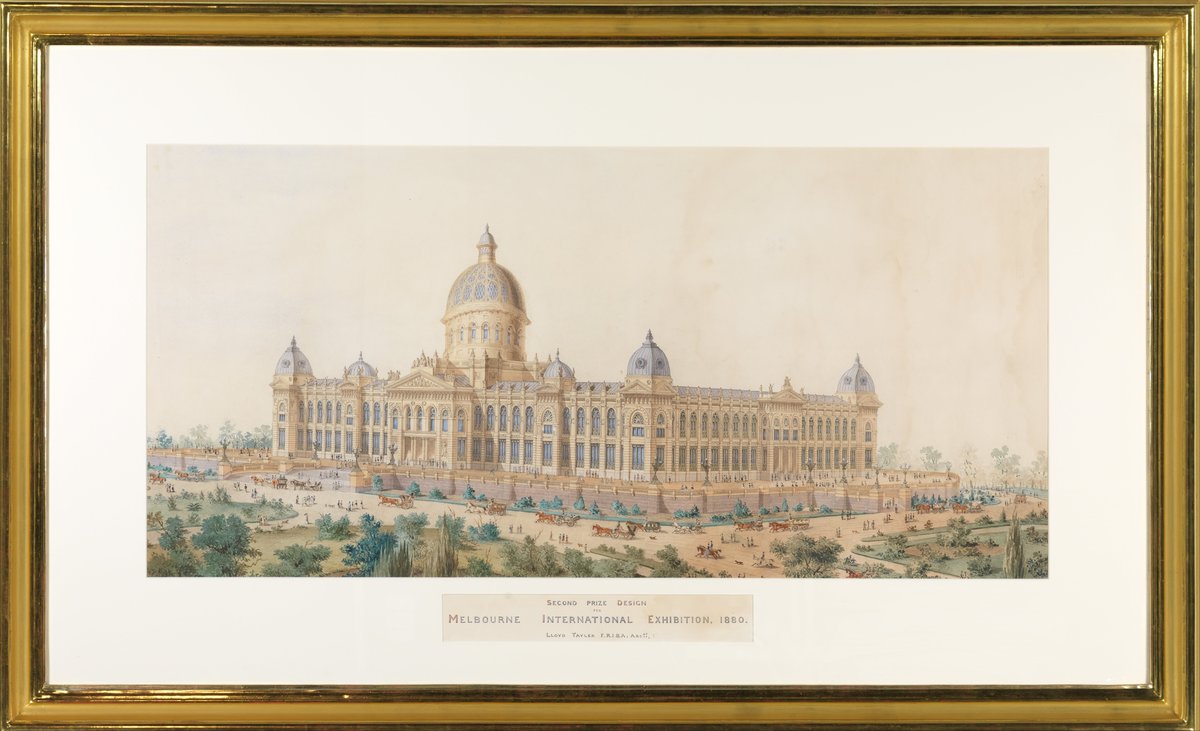
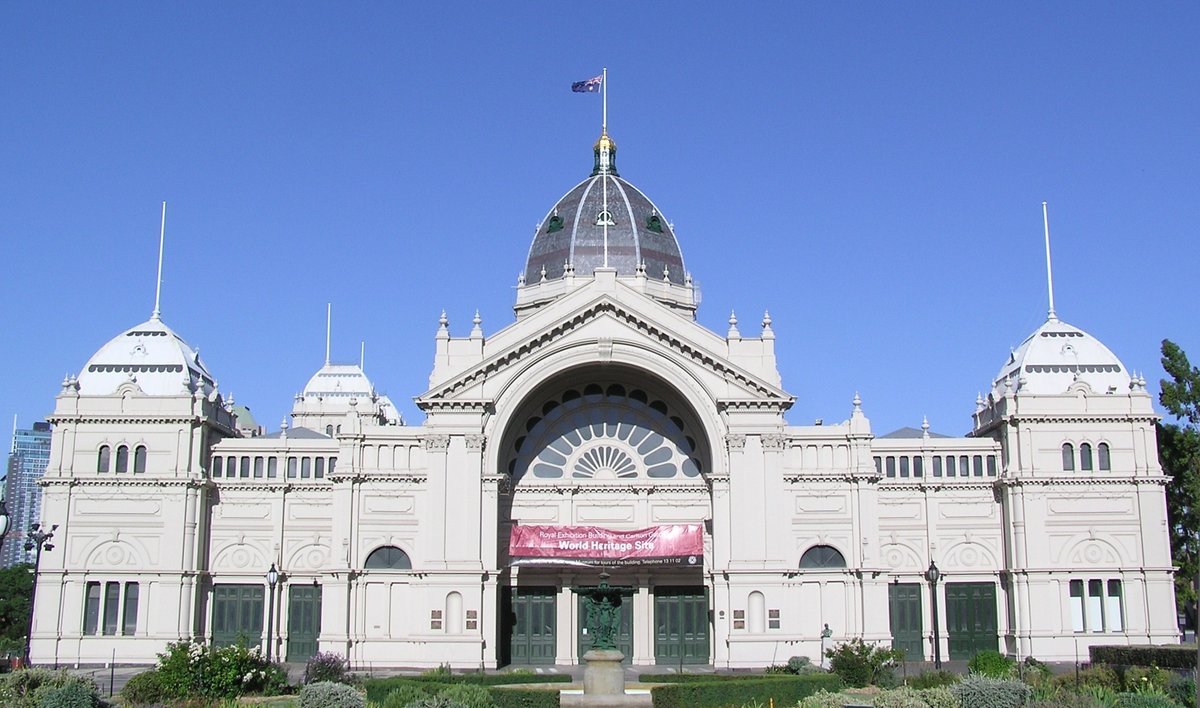
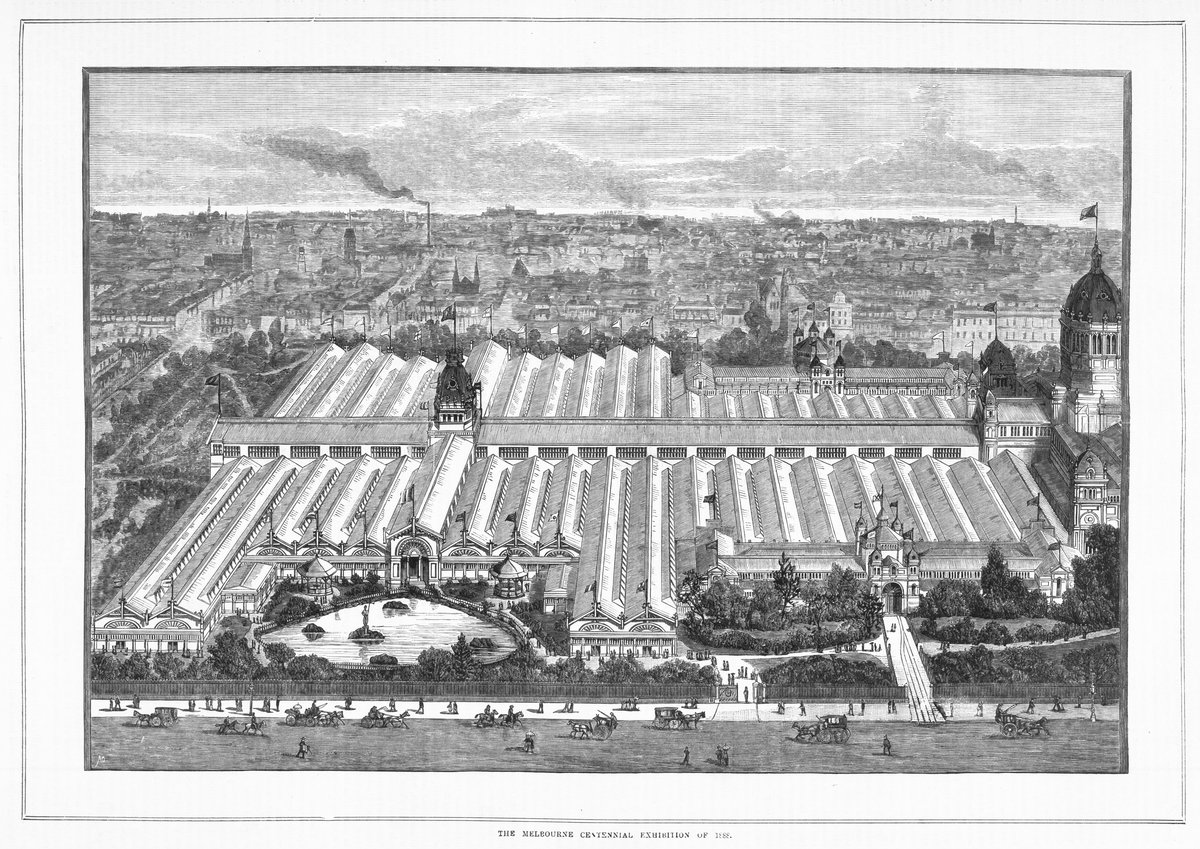
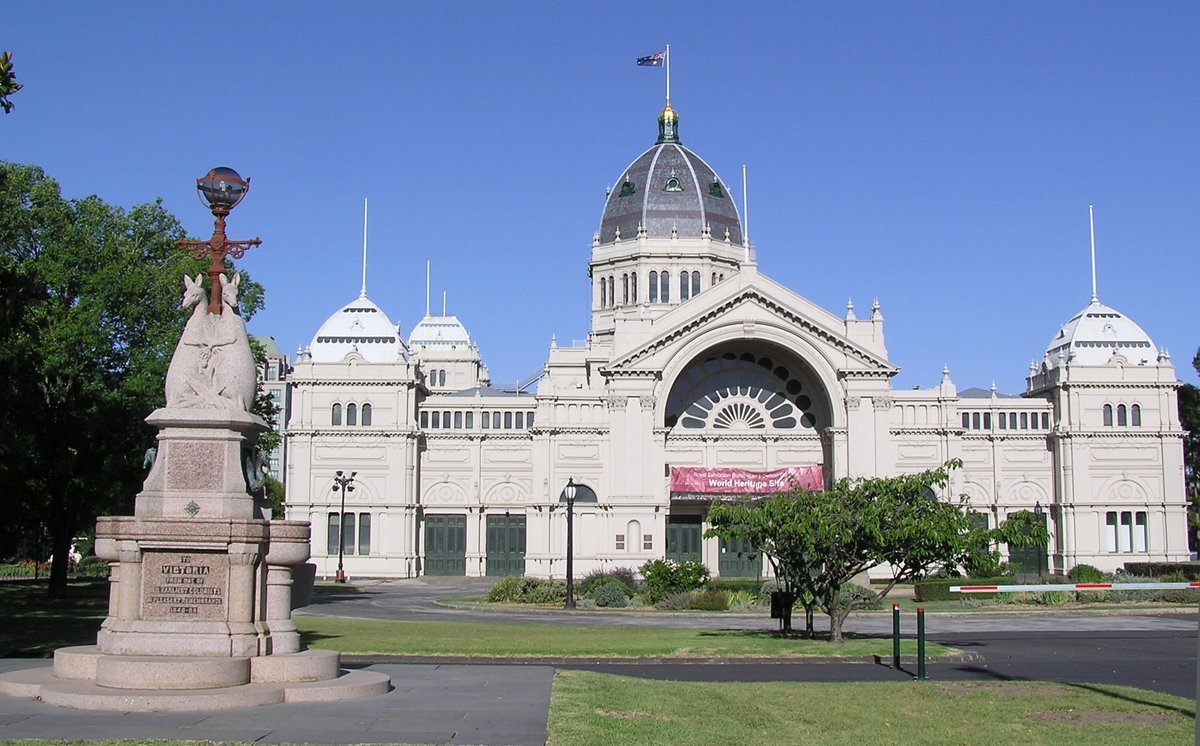
Commissioned to host the 1880 Melbourne International Exhibition, the Royal Exhibition Building reflects the ambitions of a city prospering from the Victorian gold rush. Designed by Joseph Reed of Reed & Barnes, its construction was completed in just 18 months and the building opened in October 1880. The architectural style is an opulent blend of Byzantine, Romanesque, Lombardic, and Italian Renaissance elements, crowned by a soaring dome inspired by Florence Cathedral. The Great Hall, at the heart of the building, was designed to accommodate vast international displays and crowds (Go West Tours; Time Travel Turtle).
International Exhibitions
The building’s primary function was to host international exhibitions that brought together the latest advancements in industry, science, and the arts. The 1880 and 1888 Melbourne exhibitions attracted millions of visitors, establishing Melbourne as a cosmopolitan center and fostering global exchange (Museums Victoria; Heritage Council Victoria).
National Significance
On 9 May 1901, the Royal Exhibition Building hosted the opening of Australia's first Federal Parliament, marking a pivotal moment in the nation’s history. Over the next century, the building adapted to various civic roles, including as a hospital during the 1919 influenza epidemic, a RAAF barracks in WWII, and a migrant reception center post-WWII (Museums Victoria).
Architectural Significance
Exterior Features
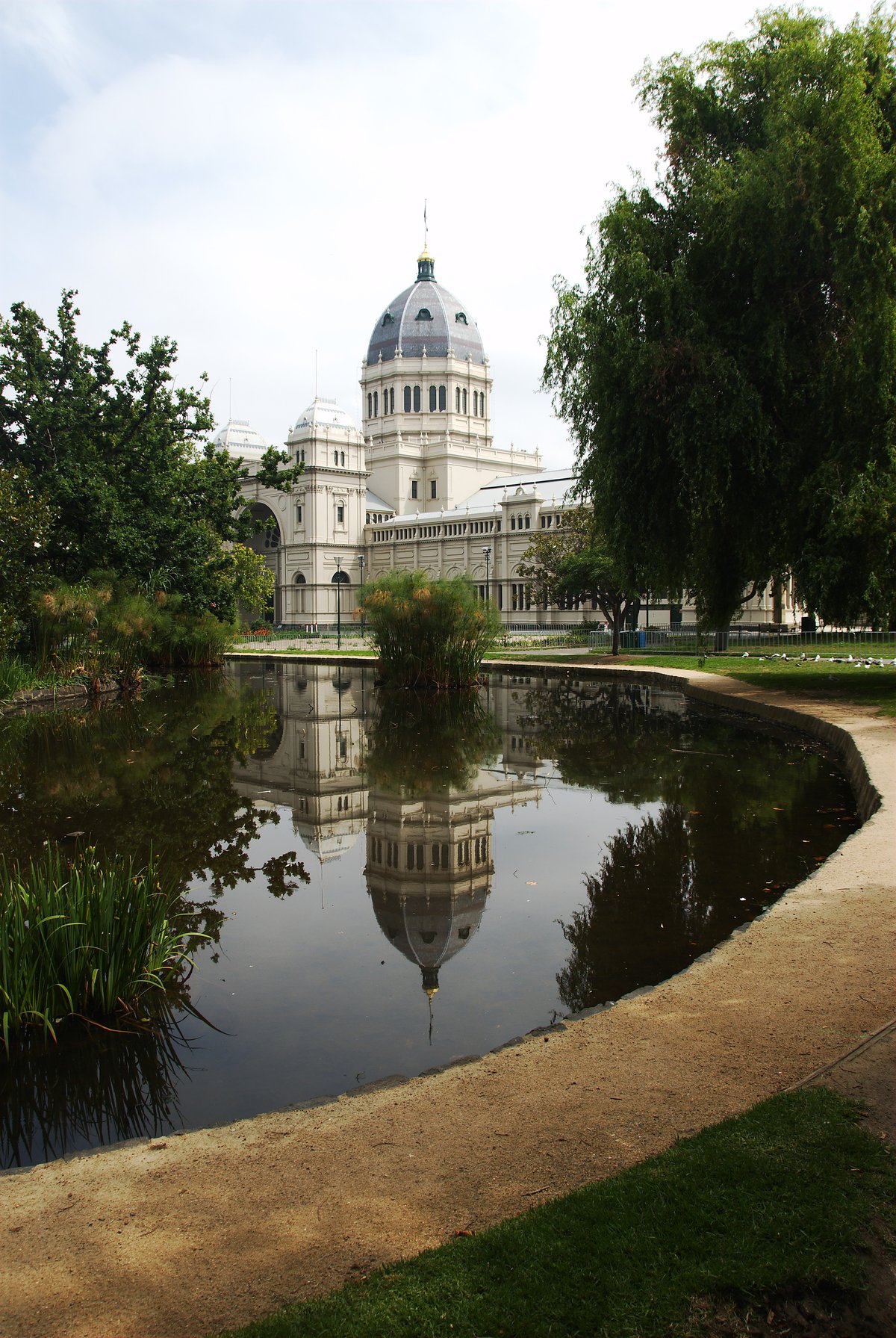
- The Dome: Rising 67 meters, the dome dominates the city skyline. Its double-shell design allows for natural illumination and panoramic views from the Dome Promenade (Explore Melbourne).
- Facade: The symmetrical portico is adorned with Corinthian columns, intricate friezes, and sculptural details, using a mix of brick, timber, steel, and slate (UNESCO; Finishing Touch Mouldings).
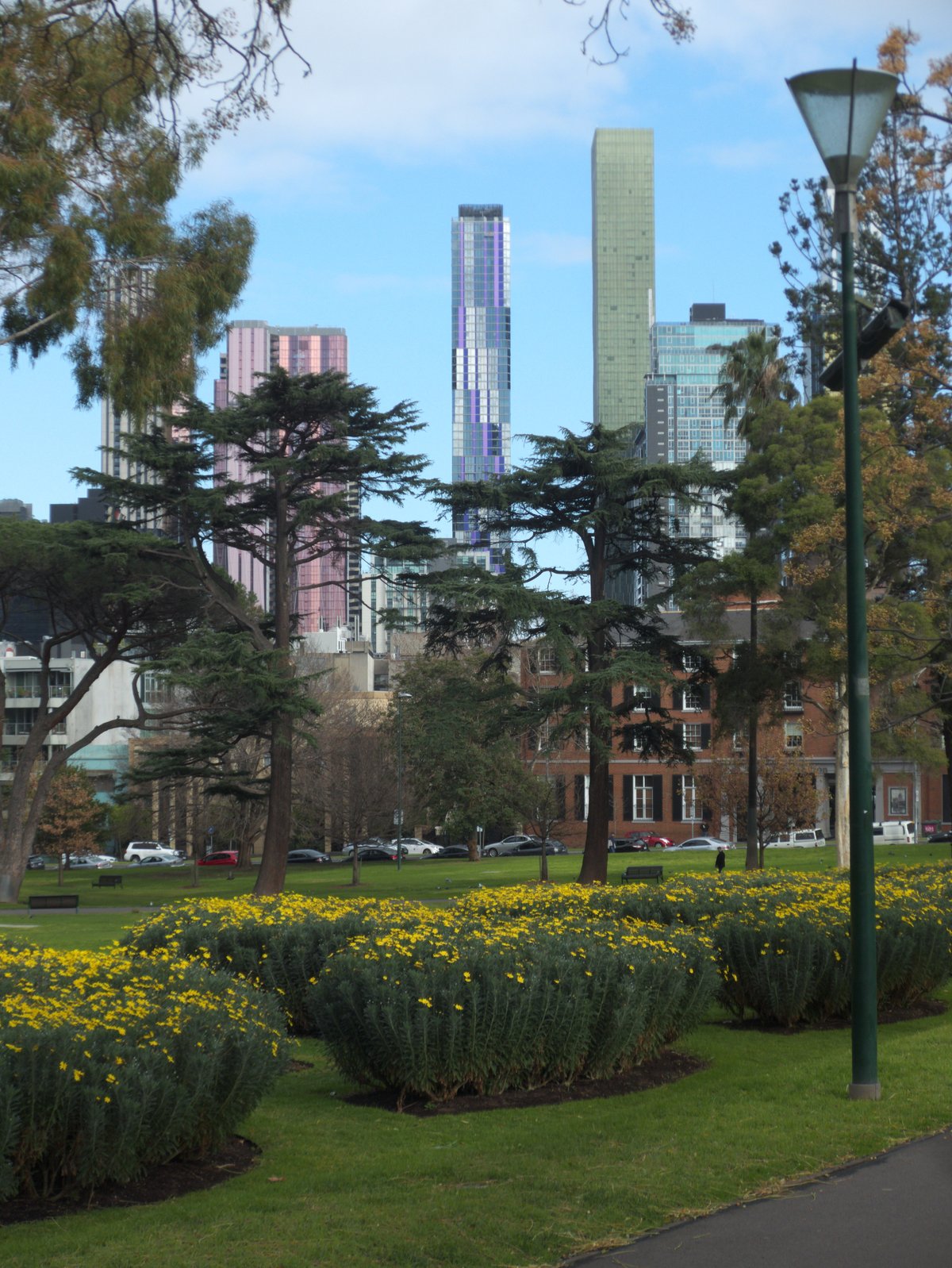
- Carlton Gardens: Surrounding the building, the 26-hectare gardens feature fountains, parterre beds, and mature trees, contributing to the site’s World Heritage value (Museums Victoria).
Interior Features
- Great Hall: The vast central hall is illuminated by clerestory windows and adorned with murals, cornices, and ornate plasterwork. It remains a premier venue for major events and ceremonies (Sightseeing Tours Australia).
- Decorative Elements: Visitors can admire period frescoes, stained glass windows, and elaborate mouldings.
- Structural Innovations: The use of brick load-bearing walls, timber trusses, and steel reinforcements allowed for unprecedented internal space (UTAS).
World Heritage and Conservation
UNESCO World Heritage Listing
In July 2004, the Royal Exhibition Building and Carlton Gardens became the first built site in Australia to be inscribed on the UNESCO World Heritage List. The listing recognizes the building as one of the world’s most complete surviving examples from the international exhibition movement (UNESCO). The site is also protected under the National Heritage List, the Victorian Heritage Register, and by the National Trust (Heritage Victoria PDF).
Conservation and Management
A major restoration in the early 2000s preserved the building’s original features and ensured its ongoing use for public events. The site is managed collaboratively by Museums Victoria and the City of Melbourne, with oversight from a World Heritage Steering Committee (Heritage Victoria).
Indigenous Acknowledgement
The Royal Exhibition Building stands on the traditional lands of the Wurundjeri Woi Wurrung and Boon Wurrung Bunurong peoples of the Eastern Kulin Nation. Museums Victoria recognizes and supports the inclusion of First Peoples’ histories and cultures at the core of the site’s interpretation (Museums Victoria).
Visiting Hours, Tickets, and Tours
General Visiting Hours
- Exterior and Gardens: Open daily, typically from 9:00 AM to 5:00 PM.
- Building Interior: General access varies based on events; guided tours required for entry to the Dome Promenade and certain exhibitions.
- Dome Promenade Tours: Weekdays at 10 AM and 2 PM; weekends at 10 AM, 11 AM, 1 PM, and 2 PM (Seniors in Melbourne).
Tickets and Booking
- General Access: Free for the exterior and gardens.
- Guided Dome Promenade Tours:
- Adults: $29
- Seniors Card holders: $23
- Museum Members: $13
- Booking: Advance booking is essential due to limited capacity. Book online via the Melbourne Museum website or Seniors in Melbourne Dome Tour page.
Accessibility
- Most areas, including the Dome Promenade, are accessible via lifts, though the final 20 steps require stair climbing.
- Accessible restrooms and facilities are available at the Melbourne Museum.
- Wheelchair users may have limited views from the promenade due to railing height.
Travel Tips and Nearby Attractions
Getting There
- Location: 9 Nicholson Street, Carlton, Victoria.
- Public Transport: Close to Parliament Station (train), tram routes 86/96, and the Free City Circle Tram.
- Parking: Available under the Melbourne Museum (entry via Rathdowne or Nicholson Streets).
Nearby Attractions
- Melbourne Museum: Features natural history, cultural exhibits, and the Bunjilaka Aboriginal Cultural Centre.
- Carlton Gardens: Perfect for picnics and leisurely walks.
- Lygon Street: Melbourne’s “Little Italy” for dining.
- Royal Botanic Gardens and University of Melbourne: A short distance away.
Special Events and Experiences
The Royal Exhibition Building hosts major public events throughout the year, including the Melbourne International Flower and Garden Show, design markets, art fairs, and food festivals. During these times, access to certain interior spaces may be limited to event attendees (All Events in Melbourne).
Preservation and Community Significance
The building remains a living symbol of Melbourne’s evolution and community spirit. Its continued use for exhibitions, public gatherings, and educational tours underlines its importance as a civic and cultural hub (Heritage Council Victoria). Recent investments in restoration and interpretation ensure that future generations will continue to connect with this remarkable site.
Frequently Asked Questions (FAQ)
Q: What are the Royal Exhibition Building’s visiting hours?
A: Exterior and gardens are open daily from 9:00 AM to 5:00 PM. Dome Promenade tours are scheduled as listed above; check for updates during public events.
Q: How can I buy tickets for tours?
A: Book online via the Melbourne Museum website or at the venue, subject to availability.
Q: Is the building wheelchair accessible?
A: Most areas are accessible via lifts; the final steps to the Dome Promenade require stair climbing.
Q: Are guided tours available?
A: Yes. Guided Dome Promenade tours run several times daily and offer unique historical and architectural insights.
Q: What are some nearby attractions?
A: Melbourne Museum, Carlton Gardens, Lygon Street dining precinct, and the Royal Botanic Gardens.
Key Facts and Figures
- Year Opened: 1880
- Architect: Joseph Reed (Reed & Barnes)
- Builder: David Mitchell
- Dome Height: 67 meters
- World Heritage Listing: 2004 (first built site in Australia)
- Annual Visitors: 1.3 million attended the 1880 exhibition—five times Melbourne’s population at the time (Seniors in Melbourne)
- Current Uses: Exhibitions, guided tours, major events, and as a historical and architectural landmark
Plan Your Visit
To fully experience the Royal Exhibition Building, consider booking a Dome Promenade tour for panoramic views and historical insights, and explore the adjacent Melbourne Museum and Carlton Gardens for a complete day of cultural enrichment. Download the Audiala app for guided audio tours and exclusive content, and follow us for updates on special events and visitor tips.
Tickets & tours.
These are guided options from our partners — same price as booking direct.
Prices are indicative — final pricing and availability are confirmed at checkout. Audiala may earn a commission from bookings made through these links.
Listen to the full story in the app
The whole Royal Exhibition Building,
told well.
Audio guides for 1,100+ cities across 96 countries. History, stories, and local insight — offline ready.
Verified, and shown.
Researched and written by the Audiala editorial team from historical records, architectural archives, and local expertise.
Researched from Wikidata, Wikipedia & official sources · fact-checked · How we make our guides →