Plan and listen to Hm Prison Pentridge with Audiala.
Audio guide in your pocket, itinerary in your browser. Built for the way you actually visit.
Introduction
HM Prison Pentridge, located in Coburg, Victoria, stands as one of Melbourne’s most iconic historical sites. Established in 1850 to alleviate overcrowding at Melbourne Gaol during the Victorian gold rush, Pentridge grew into Victoria’s largest prison complex and a symbol of the era’s penal philosophies. With its imposing bluestone architecture, infamous divisions such as “H Division,” and storied inmates like Ned Kelly and Ronald Ryan, Pentridge offers visitors an immersive journey through Australia’s justice history. Today, the precinct has been reimagined as a vibrant heritage destination, featuring guided tours, exhibitions, overnight stays, and community events—all while honoring the Wurundjeri people, the traditional owners of the land (State Library Victoria, National Trust, Visit Melbourne).
This guide provides a comprehensive overview of Pentridge’s history, architectural features, visiting hours, ticketing options, accessibility, tour experiences, and tips for making the most of your visit to this remarkable Melbourne landmark.

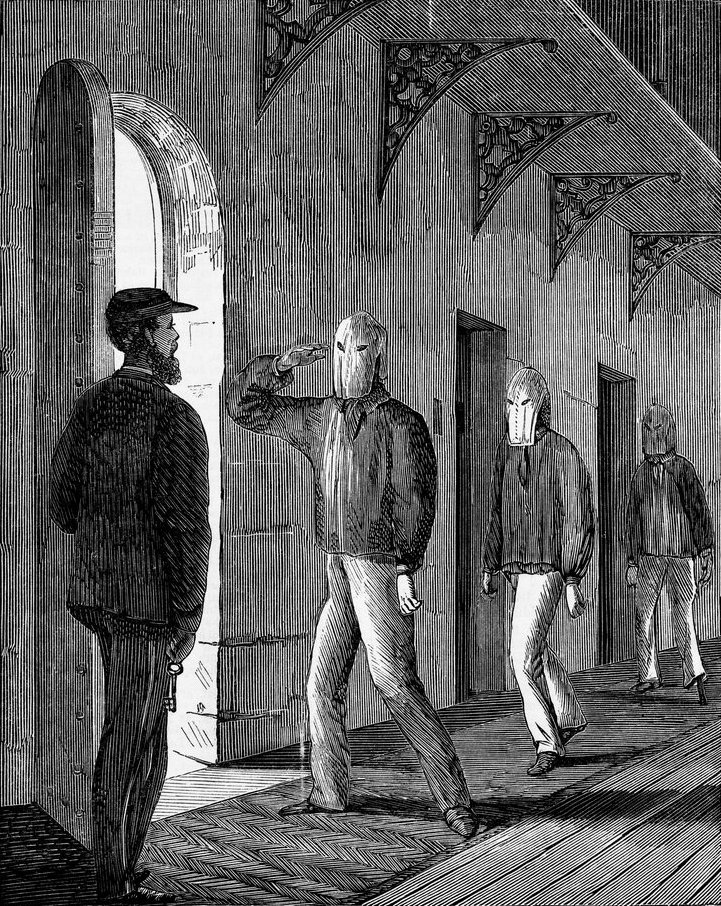
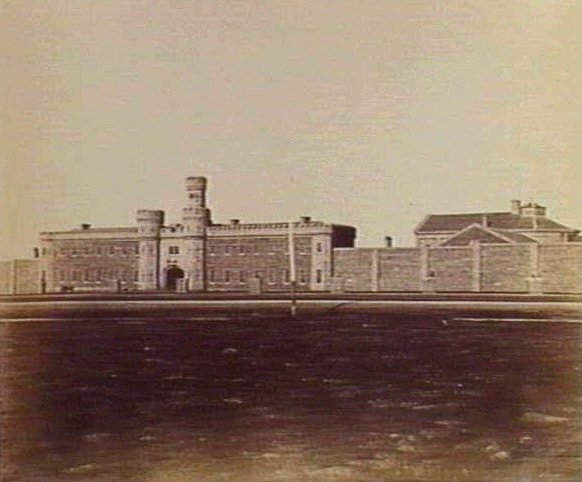
Pentridge’s Historical Foundations and Construction
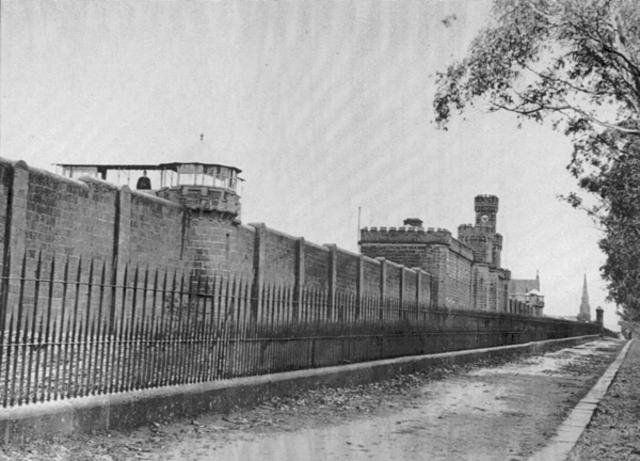
Founded in 1850 in response to a burgeoning population and severe overcrowding at Melbourne Gaol, Pentridge Prison began as a timber stockade just north of Bell Street in Coburg (State Library Victoria). Early escapes and public concern led to major expansions by 1855, with prisoners themselves quarrying local basalt to construct the formidable bluestone walls and buildings. The 130-acre complex, eventually completed under William Champ, became a defining feature of the area, reflecting both the ambitions and anxieties of 19th-century colonial justice.
Architectural Features and Penal Philosophy
Pentridge’s imposing bluestone structures, many built between 1858 and 1864, exemplify the “separate system” of penal design—an approach emphasizing isolation, order, and reform. The main entrance, constructed from on-site ashlar bluestone, resembles a medieval fortress and sets the tone for the entire complex (National Trust). The prison’s self-sufficiency was notable, with workshops for bootmaking, tailoring, woolen manufacturing, and more—operated almost entirely by inmate labor (State Library Victoria).
Role in Victoria’s Penal System
From the 1860s until its closure in 1997, Pentridge was Victoria’s central penal institution (Heritage Council Victoria). It housed men, women, and children, and evolved with changing attitudes toward crime, punishment, and rehabilitation (Trust Advocate Heritage Statement). The prison included multiple divisions—most famously H Division, known for its harsh regime (Secret Melbourne)—and played a significant role in the state’s criminal justice history.
The site also contributed to child welfare history, notably housing the Jika Reformatory for Protestant Girls (1875–1893) in G Division, a rare example of a purpose-built reformatory (Heritage Council Victoria).
Notorious Inmates and Events
Pentridge’s walls have contained some of Australia’s most infamous figures:
- Ned Kelly: The legendary bushranger was imprisoned at Pentridge before his execution.
- Mark “Chopper” Read: Underworld figure whose time at Pentridge added to its menacing reputation.
- Ronald Ryan: The last man executed in Australia, hanged at Pentridge in 1967—an event that profoundly influenced the nation’s stance on capital punishment.
- Julian Knight: Perpetrator of the Hoddle Street Massacre.
- Gregory David Roberts: Author of “Shantaram” and noted escapee (Secret Melbourne).
Impact on the Local Community
Originally named after the prison, the suburb’s association led to social stigma and a successful petition to rename it Coburg in 1870 (State Library Victoria). Despite this, the area grew into a vibrant community, with spaces like Coburg Lake Reserve offering a counterpoint to the prison’s grim legacy.
Daily Life and Prison Labor
Strict routines, hard labor, and a focus on self-sufficiency defined daily life at Pentridge. Inmates worked in prison-run workshops and the quarry, producing goods for both the prison and wider Victoria. Archival photographs and personal accounts reveal a regime marked by discipline, hardship, and the ever-present hope of reform (State Library Victoria).
Visiting Pentridge Prison: Practical Information
Location & Getting There
- Address: 1 Champ Street, Coburg VIC 3058
- Public Transport: Tram Route 19 (alight at Stop 34 or 36), Upfield Line train (Coburg or Batman stations), and bus routes 526, 530, 534.
- By Car: Complimentary three-hour parking in the underground Pentridge Shopping Centre car park (Whatmore Drive), with accessible and electric vehicle bays.
Opening Hours
- Day Tours: Thursday & Friday, 10:00am–3:00pm; Saturday & Sunday, 10:00am–4:00pm
- Night Tours: Thursday–Saturday, sessions at 6:30pm & 8:30pm
- School Holidays: Open daily (check website for updates)
- Closed: Good Friday & Christmas Day
Ticket Options & Booking
- H Division Tour: 90 minutes, $28–$38
- Night Tours: 90 minutes, $40–$45 (ages 16+)
- Family Tour (Prison Break Explorers): from $20, all ages
- B Division Tour: 90 minutes, $35 (adult), $30 (concession), $25 (child)
- General Admission: $25 (adult), $18 (concession/senior), free for children under 16; National Trust members receive free general admission (excludes night tours)
- Booking: Highly recommended, especially for night tours and weekends. Book online or at the Warders’ Residence (Pentridge Prison Tours).
Guided Tours, Overnight Stays & Unique Experiences
Guided Tours
National Trust-guided tours explore divisions A, B, and H, delving into history, architecture, and the lives of inmates. Specialty tours explore themes such as escapes, executions, and reform, with options for families and adult audiences (Reddit AMA). Tours utilize immersive audio technology, with firsthand stories from former prisoners and staff.
Overnight Accommodation
Boutique overnight stays in Division B, managed by Adina Hotels, offer a blend of original prison elements and modern comforts. Packages include guided night tours and exclusive access to historic areas (Secret Melbourne).
Events & Exhibitions
Regular events include heritage talks, ghost tours, educational programs, and rotating exhibitions featuring artifacts, archival photos, and personal accounts. The former chapel is available for weddings and corporate functions.
Accessibility, Facilities & Visitor Etiquette
- Accessibility: The Warders’ Residence and much of H Division are wheelchair accessible; some historic sections have uneven surfaces or stairs. Confirm specific needs when booking.
- Facilities: Ticketing, restrooms, café, gift shop, secure lockers, and a playground are available within the precinct and adjacent shopping centre.
- Visitor Etiquette: Respect is encouraged, especially in areas linked to traumatic histories. Photography is permitted for personal use; professional sessions require prior approval. Children under 16 must be accompanied by an adult for H and B Division tours; night tours are 16+.
Nearby Attractions & Further Exploration
Enhance your visit by exploring:
- Coburg Lake Reserve: A community recreation hub nearby.
- Old Melbourne Gaol
- La Trobe’s Cottage
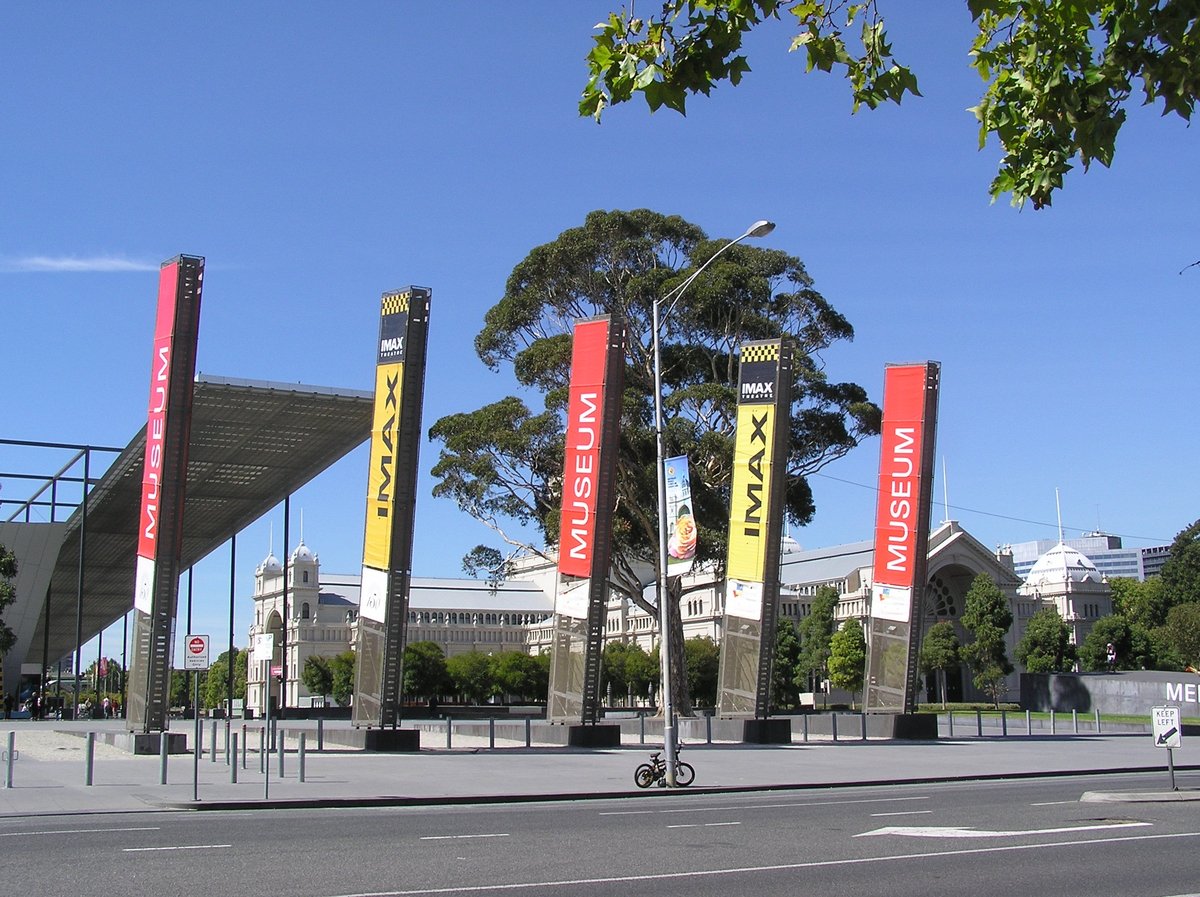
- Melbourne Museum
These sites offer broader context for Melbourne’s rich history (Secret Melbourne).
Frequently Asked Questions (FAQ)
Q: Where can I buy tickets?
A: Online via Pentridge Prison Tours or at the Warders’ Residence.
Q: Are tours suitable for children?
A: Family tours are appropriate for all ages; H and B Division tours require children under 16 to be accompanied by an adult. Night tours are for ages 16+.
Q: Is the site wheelchair accessible?
A: Many areas are accessible; some historic sections have stairs or uneven terrain. Please confirm when booking.
Q: Can I take photographs?
A: Yes, for personal use in most areas. Professional photography requires prior permission.
Q: What are the best times to visit?
A: Weekdays and school holidays offer more availability. Night tours are popular and should be booked in advance.
Tickets & tours.
These are guided options from our partners — same price as booking direct.
Prices are indicative — final pricing and availability are confirmed at checkout. Audiala may earn a commission from bookings made through these links.
Listen to the full story in the app
The whole Hm Prison Pentridge,
told well.
Audio guides for 1,100+ cities across 96 countries. History, stories, and local insight — offline ready.
Verified, and shown.
Researched and written by the Audiala editorial team from historical records, architectural archives, and local expertise.
Researched from Wikidata, Wikipedia & official sources · fact-checked · How we make our guides →