Plan and listen to Cable Tram Engine House with Audiala.
Audio guide in your pocket, itinerary in your browser. Built for the way you actually visit.
Introduction
Melbourne’s cable tram engine houses are enduring icons of the city’s transport and industrial heritage. In the late 19th and early 20th centuries, Melbourne operated the world’s largest single-owner cable tram network—a transformative feat that shaped the city’s growth, architecture, and daily life. These engine houses, with their distinctive architectural features and powerful steam-driven machinery, powered a tram system that revolutionized urban mobility, connecting neighborhoods and fueling Melbourne’s expansion.
For visitors today, the surviving engine houses—such as the Fitzroy Cable Tram Engine House—along with the Melbourne Tram Museum, offer a fascinating journey into this rich legacy. This comprehensive guide details the historical background, technical achievements, and practical visitor information you need to explore Melbourne’s cable tram heritage sites, including opening hours, ticketing, accessibility, and travel tips.

Origins and Development of Melbourne’s Cable Tramway System
The genesis of Melbourne’s cable tram system was driven by rapid urban growth and the vision of Francis Boardman Clapp, founder of the Melbourne Tramway & Omnibus Company (MTOC) in 1877. After legislative hurdles and public debate, the Melbourne Tramway & Omnibus Company Act 1883 authorized the construction of a cutting-edge cable tram network (Wikipedia). A unique arrangement between the MTOC and the Melbourne Tramways Trust (MTT)—a coalition of twelve municipalities—saw the MTT build the infrastructure while the MTOC operated the system under a long-term lease. This partnership laid the foundation for what would become a globally significant public transport network.
Technical Achievements and Expansion
Melbourne’s cable tramway officially launched on November 11, 1885, with the opening of the Richmond Line (RailTram). Over the next six years, the network expanded rapidly, covering 75 kilometers (47 miles) of double track and operating 17 routes. At its peak, the system ran 1,200 gripcars and trailers, carrying tens of millions of passengers and establishing itself as a model of efficiency and scale (Wikipedia).
The technical innovation lay in the continuous steel cables running beneath the streets, powered by massive steam engines housed in strategically located engine houses. Skilled gripmen operated trams by engaging or releasing the moving cable—a feat requiring expertise and coordination (RailTram).
Key Lines and Engine Houses
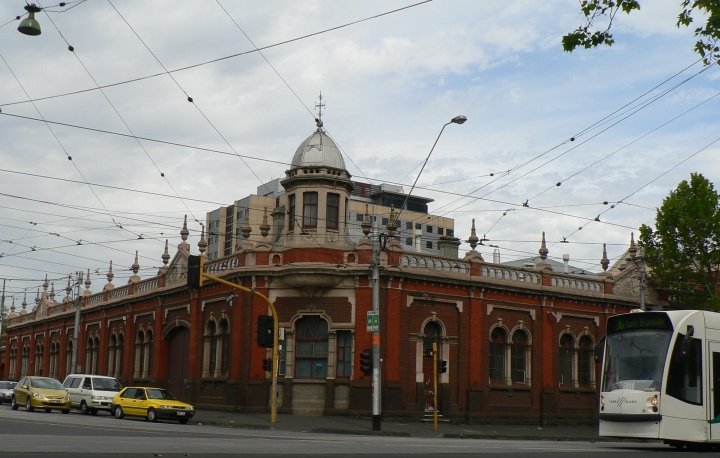
Major lines included the Richmond, North Fitzroy, Victoria Bridge, Clifton Hill, Nicholson Street, and Brunswick lines, each supported by its own engine house. These engine houses were not just functional—they were architectural statements, featuring polychrome brickwork and a blend of Romanesque, Italianate, and Flemish design elements (Storey of Melbourne). The Fitzroy Cable Tram Engine House, designed by Alexander Davidson and built in 1887, stands out for its ornate façade and prominent corner oriel.
Social and Urban Impact
The cable tramway system reshaped Melbourne’s urban and social fabric. Reliable and affordable transport enabled suburban expansion, facilitated commuting, and contributed to the city’s reputation as a modern metropolis (Visit Melbourne). The sight and sound of cable trams became a defining feature of Melbourne life, symbolizing progress and civic pride (RailTram).
Transition to Electric Traction
By the early 20th century, emerging electric tram technology began to outpace cable systems. Following the recommendations of a 1911 Royal Commission, Melbourne gradually converted its cable lines to electric operation between 1925 and 1937. The last cable tram ran on October 26, 1940 (Wikipedia), marking the end of an era. Today, Melbourne’s tram network—now fully electric—remains the largest in the world (Visit Melbourne).
Surviving Heritage and Engine Houses
Although much of the original infrastructure has vanished, several cable tram engine houses endure as heritage landmarks. The Fitzroy Cable Tram Engine House (Nicholson and Gertrude Streets) is a prime example, boasting original architectural features and historical significance (Storey of Melbourne). The Northcote Engine House and Car Shed—unique for combining both functions—survives as another important relic (Victorian Heritage Database).
Visitor Information: Heritage Sites, Hours, Tickets & Accessibility
Fitzroy Cable Tram Engine House
- Opening Hours: Tuesday–Sunday, 10:00 AM–4:00 PM
- Admission: Free; guided tours available for ticket purchase on-site or online
- Accessibility: Wheelchair accessible, with ramps and accessible restrooms
- Travel: Easily accessed by tram (No. 86) or bus; located in vibrant Fitzroy near cafes and the Royal Exhibition Buildings (Storey of Melbourne, Heritage Victoria)
Tramway Heritage Centre (Bylands)
- Hours: Sundays, 11:00 AM–4:00 PM
- Admission: Usually free; donations encouraged (Victorian Collections)
Melbourne Tram Museum (Hawthorn Depot)
- Open: Second and fourth Saturdays monthly (except December: second Saturday only); selected Wednesdays
- Hours: 11:00 AM–4:00 PM
- Admission: Gold coin donation
- Accessibility: Main areas wheelchair accessible; accessible toilet available; service animals welcome
- Travel: Tram routes 70 and 75 (Stop 29), 10-minute walk from Hawthorn train station, parking at Wallen Road Reserve (Melbourne Tram Museum)
Exploring Cable Tram Engine Houses: History, Purpose & Features
Purpose and Operation
Engine houses generated the mechanical power for the cable trams, with steam engines driving steel cables in underground races. Each house was strategically located to optimize network coverage and minimize the number of buildings required (Victorian Heritage Database). Inside, deep brick-lined pits and cable tunnels accommodated the moving cables and winding drums, while the tall chimneys vented smoke away from busy streets (Melbourne Tram Museum).
Maintenance and Workforce
A skilled workforce, including engineers, gripmen, and maintenance crews, ensured smooth operations. Regular inspections, cable lubrication, and prompt repairs were critical to prevent breakdowns (Old Treasury Building).
Architectural and Archaeological Significance
Many engine houses feature robust masonry, ornamental brickwork, and unique design elements such as signal boxes and parapet urns. Even after repurposing, underground features like cable races and pits often remain, providing valuable archaeological insights (Victorian Heritage Database).
Visiting the Cable Tram Engine House, Fitzroy: Hours, Tickets & Experience
Visiting Hours & Admission
- Open: Tuesday–Sunday, 10:00 AM–4:00 PM
- Admission: Free; guided tours available for a fee
- Accessibility: Fully wheelchair accessible
- Events: Special workshops and events held periodically—see the official website for updates
Architectural Highlights
The Fitzroy Cable Tram Engine House, designed by Alexander Davidson, is an outstanding example of Victorian industrial architecture, featuring bi-chrome brickwork, ornamental cement, and a distinctive signal box (Heritage Victoria, Fitzroy Research).
What to See and Do
- Admire the ornate façade and Victorian industrial design
- View interpretive displays and historical machinery
- Join a guided tour for in-depth stories
- Explore nearby attractions: Royal Exhibition Buildings, Gertrude Street cafes, and Fitzroy’s shopping precinct
FAQs
Q: Are there entrance fees?
A: General admission is free; guided tours require tickets.
Q: Is the site accessible?
A: Yes, with ramps, accessible restrooms, and family-friendly facilities.
Q: Are there guided tours?
A: Yes, bookable online or at the entrance.
Melbourne Tram Museum: Visiting Guide
Location & Hours
- Address: 8 Wallen Road, Hawthorn
- Open: Second and fourth Saturdays, 11:00 AM–4:00 PM (check official site for selected Wednesdays and December schedule)
- Admission: Gold coin donation
Collection & Experience
- 20+ restored trams from cable to electric eras
- Interpretive exhibits, historical photos, and interactive displays
- Volunteer-led guided tours with insights into tramway operations and history
- Accessible facilities and friendly, knowledgeable staff
- Gift shop and parking available
Accessibility & Travel Tips
- Main areas and facilities are wheelchair accessible
- Service animals welcome
- Tram routes 70 and 75, Stop 29; Hawthorn station nearby
- Contact ahead for group visits and specific needs
FAQs
Q: How much does it cost?
A: By gold coin donation.
Q: Are tours available?
A: Yes, with prior notice for groups.
Q: Is the museum accessible?
A: Most key areas are accessible, but some historic areas may require assistance.
Listen to the full story in the app
The whole Cable Tram Engine House,
told well.
Audio guides for 1,100+ cities across 96 countries. History, stories, and local insight — offline ready.
Verified, and shown.
Researched and written by the Audiala editorial team from historical records, architectural archives, and local expertise.
Researched from Wikidata, Wikipedia & official sources · fact-checked · How we make our guides →