
Place
Australia Updated Apr 2026
The capital of Australia smells like eucalyptus and espresso at 7 a.m., when kangaroos hop across the dewy fairways of Commonwealth Golf Course and public-service clerks queue for sourdough that could shame most Paris bakeries. Canberra was drawn on a blueprint in 1913, then dropped between sheep paddocks 150 km from the nearest surf beach—an inland conspiracy that keeps the coast crowd away and the truffle prices sane.
 Photo: Daniel Morton-Jones / Pexels
Built from cited sources · see the method · How we make our guides →
Walter Burley Griffin’s symmetrical city plan forces every road, lake edge and vista to bow toward Parliament House, a grass-roofed bunker humming with live democracy. You can walk its roof in thongs, watch Question Time heckles at noon, and still be sipping a single-origin flat white on the lake fifteen minutes later.
Canberra’s real currency is insider knowledge: which suburban club serves flaming saganaki on Thursdays, which trail reveals a 165-million-year-old petrified tree, and why locals carry loyalty cards for both Brodburger and Grease Monkey as if sectarian war might break out. Learn the code and the city quits pretending to be just a government town and starts showing you its other life—cool-climate vineyards, hidden galleries, and night skies so dark the Milky Way feels like city lighting.
Not every monument, just the ones we'd walk you past ourselves.
Where to wander, by quarter — each with its own rhythm.
Before you go
From Ngunnawal meeting ground to bush capital to modern seat of power
Stone tools and hearths at Birrigai Rock Shelter pre-date the last Ice Age. Ngunnawal, Ngarigo and Walgalu peoples hunt kangaroo on the limestone plains, trade ochre from the Brindabellas, and call this place Ngaanbiri — the meeting place. Their footprints remain in rock shelters at Tidbinbilla and Yankee Hat.
Charles Throsby Smith scrambles up the basalt spine of what locals already call Black Mountain, searching for the Murrumbidgee. He sketches the Molonglo's wide bend in pencil, names it 'Yeal-am-bid-gie' after the word he mishears. The limestone plains will never be unmapped again.
Convict stockmen nail together a slab hut on Acton Peninsula for absentee squatter Joshua John Moore. They mispronounce 'Ngaanbiri' as 'Canberry'. The hut stands alone — one room, a dirt floor, smoke drifting through wall cracks. Canberra's first European dwelling costs £12 in materials and two floggings for theft.
James Ainslie, Waterloo veteran turned grazier, arrives with 700 merino ewes for Robert Campbell. He builds Limestone Cottage at the foot of the hill that will bear his name. The sheep thrive; the Ngunnawal teach him which grasses burn slow and sweet.
Bishop William Broughton rides from Yass through frost to consecrate the tiny stone church beside the Molonglo. Local settlers crowd the nave; the organ wheezes. The churchyard becomes Canberra's first cemetery — graves aligned to catch the morning sun over Mount Ainslie.
Andrew Wotherspoon, schoolmaster and part-time apiarist, hands out letters beneath a candle-box nailed to a gum tree. The first postmark reads 'Canberra, NSW'. Queanbeyan merchants grumble that the name sounds like a brand of jam.
Elizabeth McKeahnie, 78, cuts the ribbon on the district's first river crossing. The iron-lattice bridge spans the Murrumbidgee at Tharwa, ending twenty years of rope-pulled punts. Sheep, wheat and gossip now flow both ways.
After seven ballots and enough whisky to float the HMAS Sydney, the House votes 39-33 for 'Yass-Canberra' over bombastic Dalgety. Sydney and Melbourne MPs exchange threats. The Limestone Plains win by one switched vote — Senator McColl defects after a sleepless night reading John Gale's pamphlet.
Chicago architect Walter Burley Griffin and his wife Marion Mahony submit Entry 29 — a geometric city cradling an artificial lake. Marion's luminous perspective drawings dazzle the judges. Their plan hides in plain sight: a parliamentary triangle anchored by mountains, roads that follow watercourses, a capital meant to be walked.
Ten thousand spectators bake in the paddock that will become Capital Hill. Lady Denman, voice cracking, declares 'I name the capital of Australia Canberra'. The crowd cheers; the band plays 'Advance Australia Fair'; foundation stones are laid. The city exists on paper only — sheep graze where avenues are drawn.
The Melbourne express disgorges senators in top hats and dust. Duke of York opens the provisional Parliament House — a modest brick building dwarfed by sheep camps. Canberra's population: 7,000. The first question time echoes across empty paddocks; kangaroos watch from Parliament's future lawn.
While bombs fall on London, Canberra dedicates a sandstone shrine to the fallen. The Last Post echoes down Anzac Parade aligned perfectly with Parliament's front door. Charles Bean's vision — a museum that hurts — becomes Australia's most visited place. The Roll of Honour grows weekly; carving continues through the war.
Post-war Canberra acquires brains. The Australian National University's first temporary huts rise on Acton Peninsula, attracting refugee physicists and economists. Mark Oliphant builds accelerators in sheds; students cycle between lectures and sheep paddocks. The bush capital becomes a quiet magnet for world-class minds.
The Molonglo River backs up behind Scrivener Dam. Water creeps across paddocks, swallowing rabbit warrens and the old Acton racecourse. Griffin's missing heart finally beats — sailboats appear where surveyors once triangulated. Canberra discovers weekends.
Governor-General John Kerr signs the dismissal letter in his Canberra residence, Yarralumla. Parliament's steps become a stage for outrage; crowds chant 'Kerr's a pig'. The constitutional crisis cements Canberra as place where governments fall, not just meet.
Queen Elizabeth II cuts a ribbon of eucalyptus smoke. The $1.1 billion building burrows into Capital Hill like a bunker faced in marble. Members walk up the grassy slope — citizens literally walk over their representatives. The old house becomes a museum overnight; possums inherit the press gallery.
Canberra stops being a federal outpost and becomes a city with a mayor. The first ACT Legislative Assembly meets in a temporary shed near the lake. Residents cheer the end of bureaucratic rule from Melbourne, then realize they now pay rates.
Nick Kyrgios, age 10, smashes forehands against the garage door of his Daramalan College home. Neighbors complain; mother promises he'll play for Australia. The courts at Lyneham become his second bedroom — a kid from Canberra's north who'll wind up facing Federer on Wimbledon's Centre Court.
Walls of flame leap the Murrumbidgee, racing 20 km in two hours. Four people die; 500 homes burn in Duffy and Chapman. Mount Stromlo Observatory — Canberra's astronomical eye — collapses into twisted domes. The city smells like eucalyptus smoke for weeks; insurance companies learn the word 'bush capital'.
The city that began as a mispronounced paddock celebrates with hot-air balloons spelling '100' across dawn sky. Ngunnawal elders welcome the crowd back to Ngaanbiri. The birthday cake — a fondant Parliament House — feeds 12,000. No one mispronounces the name anymore.
Sam Mostyn, Canberra-born public servant and AFL commissioner, steps into Yarralumla as the King's representative. She walks the same corridors where Kerr once paced. The appointment closes a circle: a city that imported power now exports it.
Actor · born 1989
Born here
She learned to study faces in Canberra’s north-side suburbs before Tim Burton cast her as Alice. Return to the city and you’ll spot the same quiet observation in her portrait hanging in the National Gallery.
Tennis player · born 1995
Born here
He smashed forehands on the courts of Daramalan College; the city still debates whether his raw talent or his refusal to behave is the more honest mirror of Canberra’s own contradictions.
Poet · 1915–2000
Died here
She moved to Canberra in the 1970s and let the bush capital sharpen her final lines about land and loss. Read her poems under the eucalypts of the Botanic Gardens and the words feel planted, not printed.
NBA champion · born 1988
Born here
The first Indigenous Australian to win an NBA ring still returns to run clinics at the AIS. Kids in Marist College jerseys chase his autograph across the same floorboards where he learned to sprint.
Agronomist · 1845–1906
Lived here 1886–1906
He cross-bred wheat at Lambrigg on the Murrumbidgee, saving colonial farmers from rust and famine. His experimental plots are buried under suburbs now, but the scent of grain still drifts across the river in late summer.
Where locals actually book dinner — not the tourist menus.
Small things that change how the city treats you.
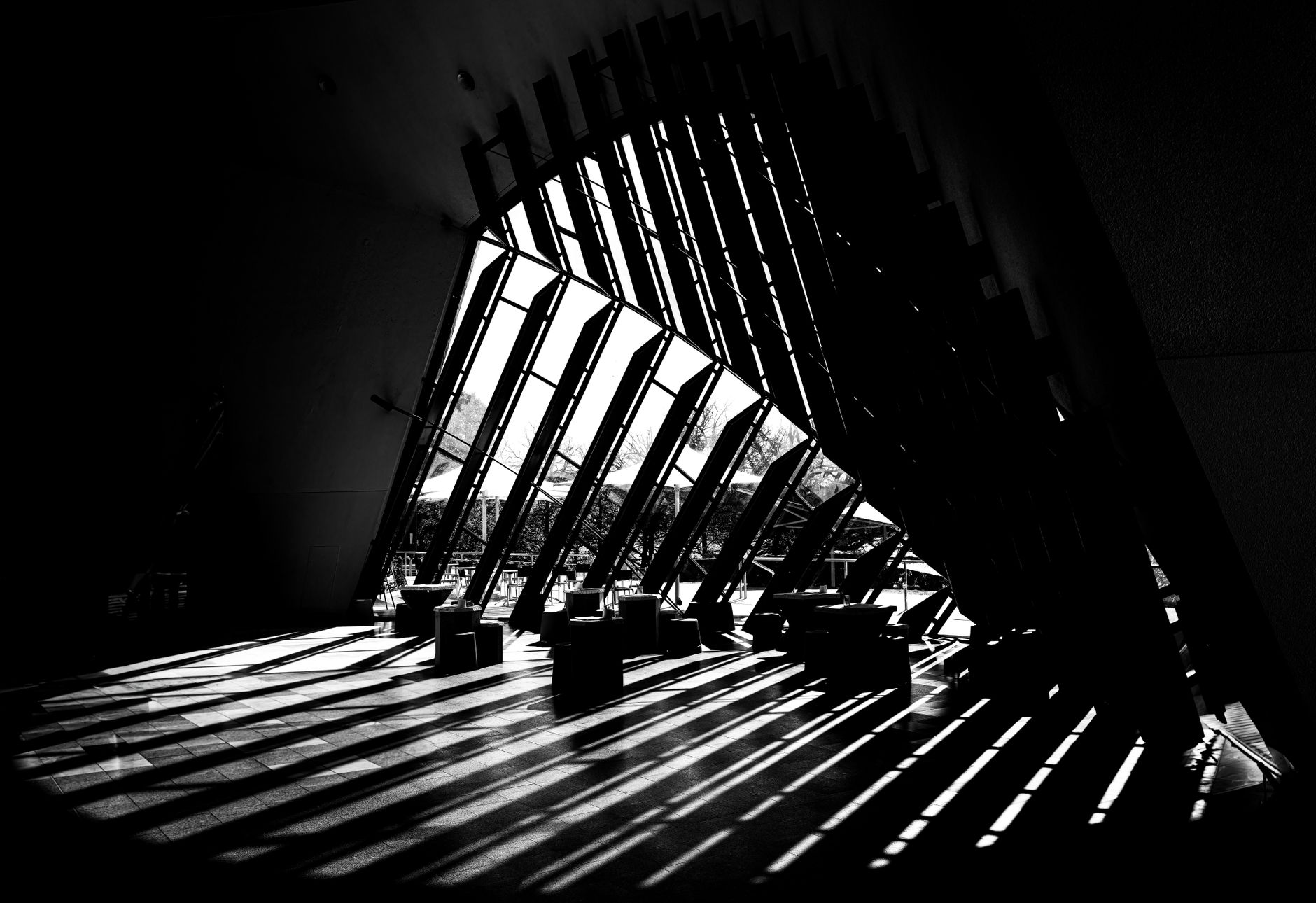
The city, as it actually looks.



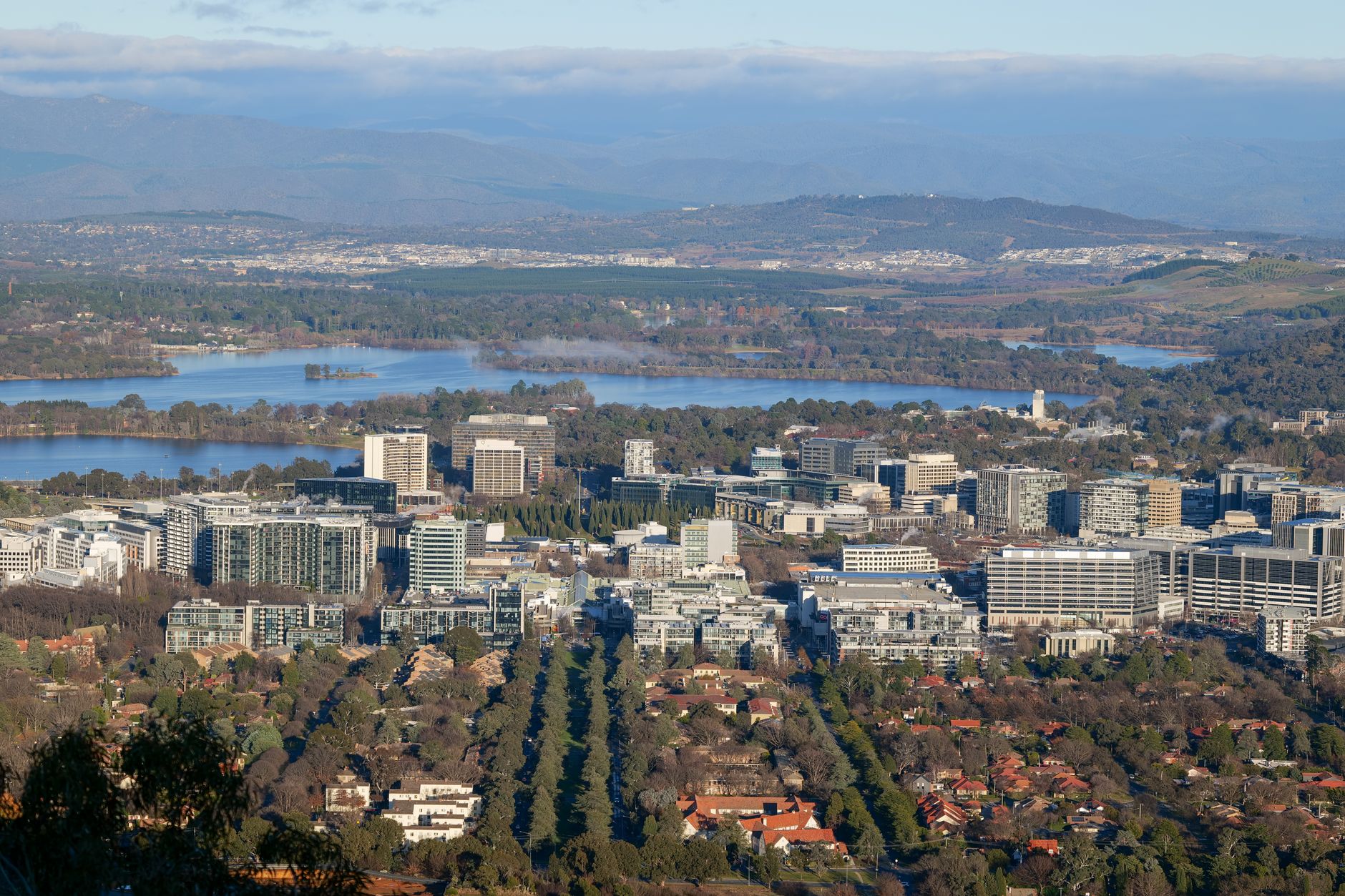


Yes—Canberra’s national museums are free, the lake loop is gorgeous, and you can watch parliament from a rooftop garden. Three days gives you war history, modern art, and close-up kangaroos without Sydney prices.
Three full days cover the War Memorial, Parliament House, National Gallery, and a nature reserve. Add a fourth if you want wineries or the Snowy Mountains.
Absolutely—tap your contactless card on the Rapid 3 bus; it’s a 15-minute ride and the daily cap is applied automatically.
Very. The parliamentary triangle and lake paths stay busy after dark; normal urban caution is plenty.
March–May for golden deciduous foliage and the Enlighten light festival; September–October for Floriade blooms and mild spring weather.
The big four—War Memorial, Parliament House, National Gallery, and National Museum—charge nothing for permanent collections; special exhibitions may ticket.
Saved and recently read places — kept on this device only.
Photos may have been resized or cropped.