Plan and listen to National War Memorial with Audiala.
Audio guide in your pocket, itinerary in your browser. Built for the way you actually visit.
Introduction
The National War Memorial in Adelaide, South Australia, stands as a profound tribute to the bravery, sacrifice, and service of South Australians during World War I and subsequent conflicts. Prominently located at the corner of North Terrace and Kintore Avenue, it is not only a central element of Adelaide’s cultural precinct—adjacent to the Art Gallery of South Australia and the State Library—but also a symbol of collective remembrance and state identity. Since its unveiling on Anzac Day, 25 April 1931, the memorial has honored over 5,500 South Australians who lost their lives in the Great War, and it continues to serve as a focal point for major commemorative events, drawing thousands of visitors annually.
The memorial’s design, chosen through a national competition, features symbolic sculptures such as the "Spirit of Duty" and the "Spirit of Compassion," created by Rayner Hoff. These artworks evoke themes of sacrifice, hope, and community. The site is fully accessible, with ramps and smooth pathways, and is open daily with free admission. Self-guided resources and interpretive signage ensure that visitors have access to rich educational content year-round. Whether approached as a solemn site of remembrance, a cultural landmark, or an educational resource, the National War Memorial offers a meaningful experience for all.
For detailed information on visiting hours, historical context, and upcoming events, refer to official resources: the Australian War Memorial, South Australian History Hub, and Experience Adelaide.
- Introduction
- Historical Background
- Visitor Information
- Memorial Features and Layout
- Ceremonies and Special Events
- Nearby Attractions
- Visitor Etiquette
- FAQ
- Conclusion and Call to Action
- References


Historical Background
Origins and Purpose
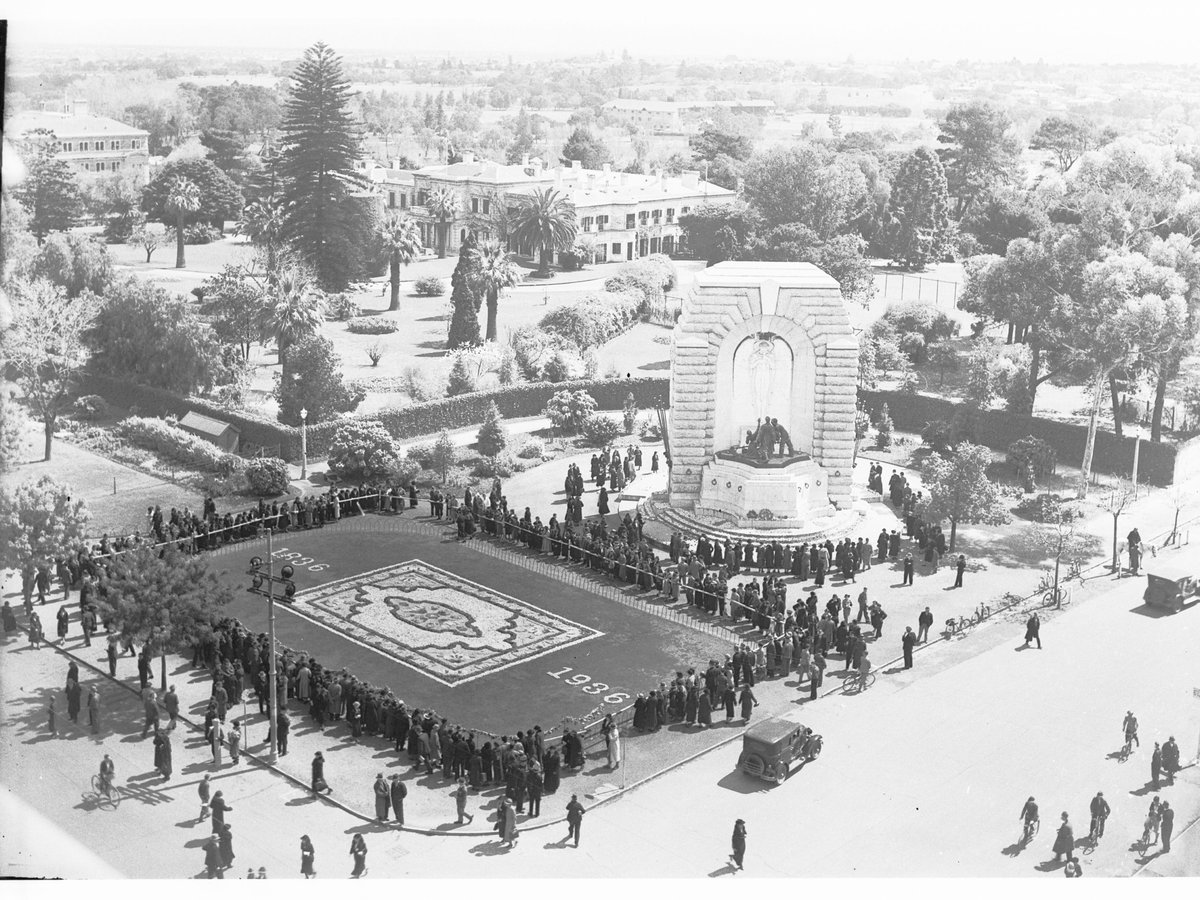
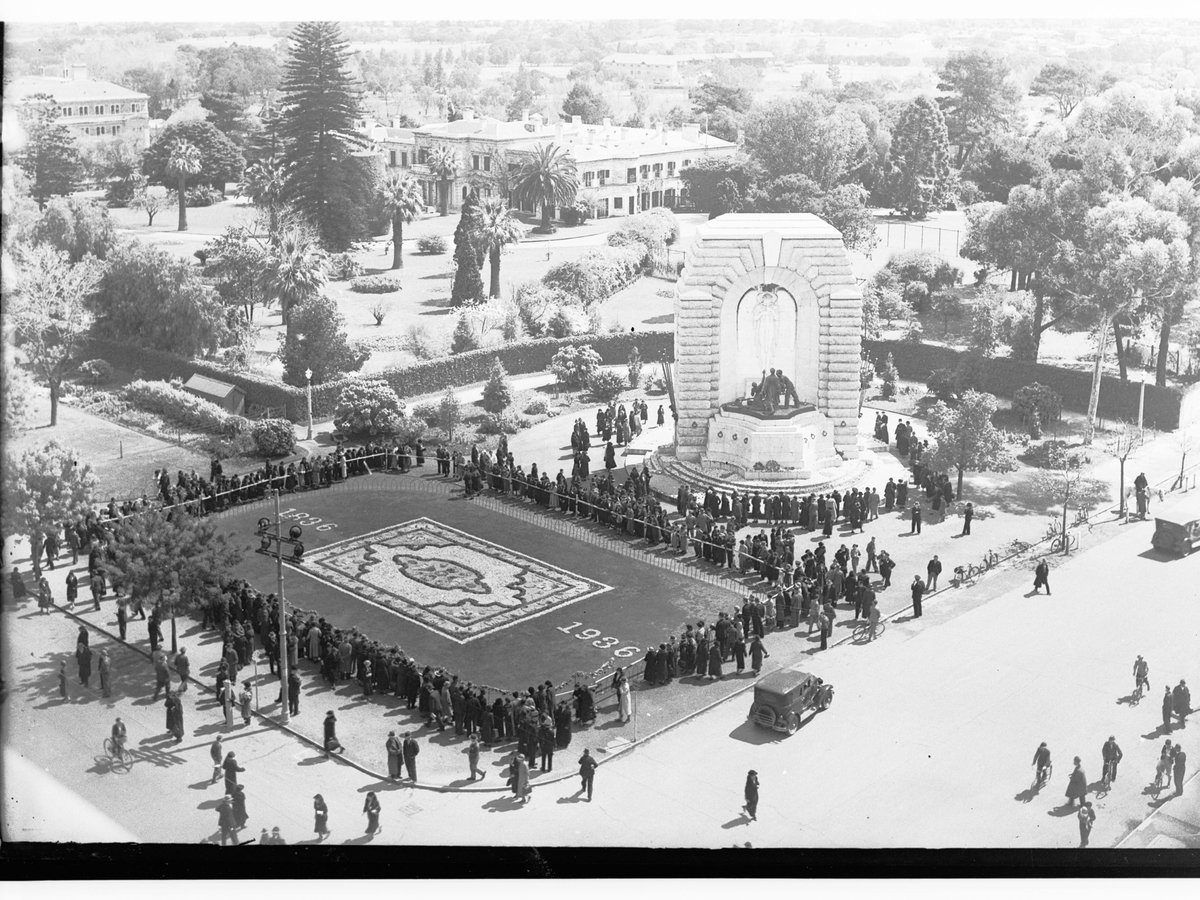
Conceived in the aftermath of WWI, the National War Memorial was commissioned to honor the more than 5,500 South Australians who died in the conflict, and to provide a space for public grief, reflection, and unity. The South Australian government, together with community committees, led the initiative. The unveiling on Anzac Day 1931 by Governor Sir Alexander Hore-Ruthven marked both the importance of Gallipoli in Australian military history and the enduring role of the memorial as a site for remembrance (Australian War Memorial).
Design and Architecture
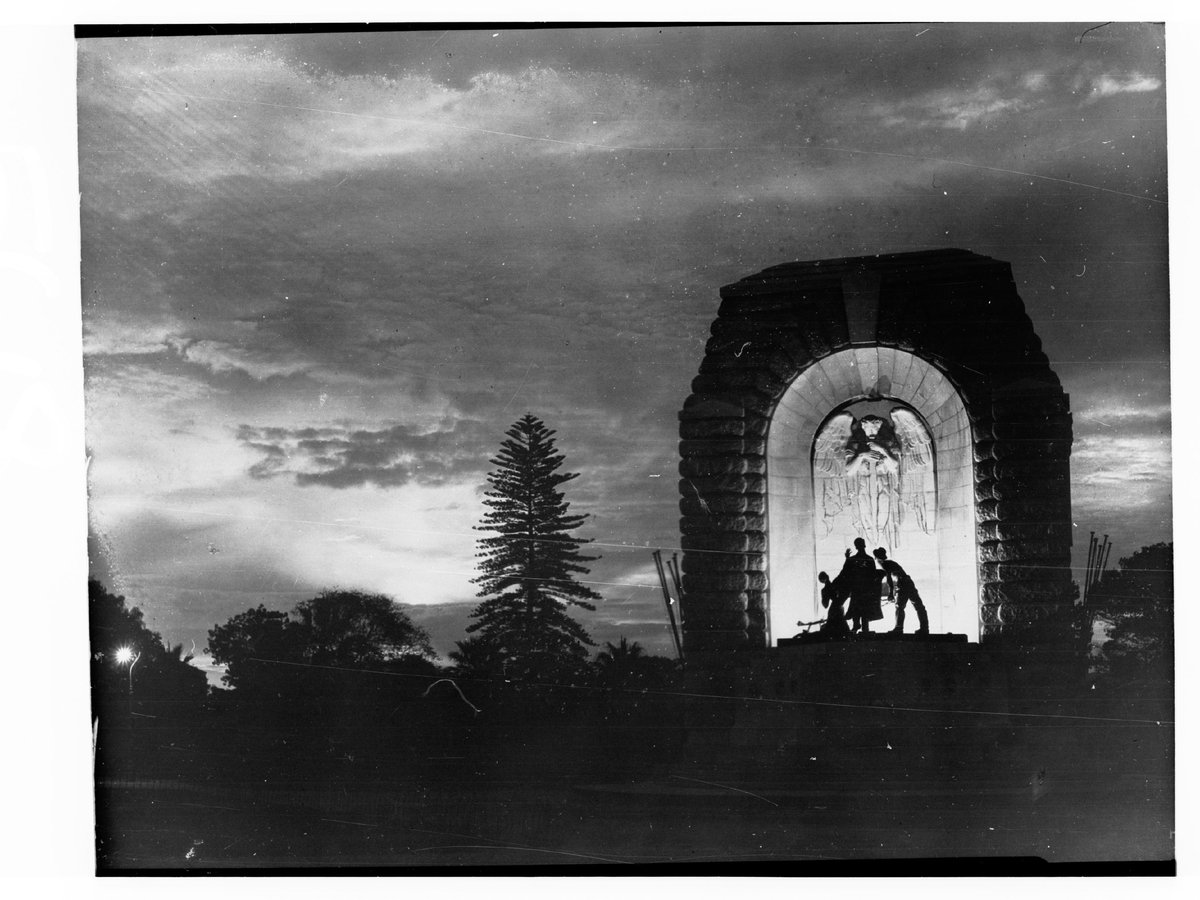
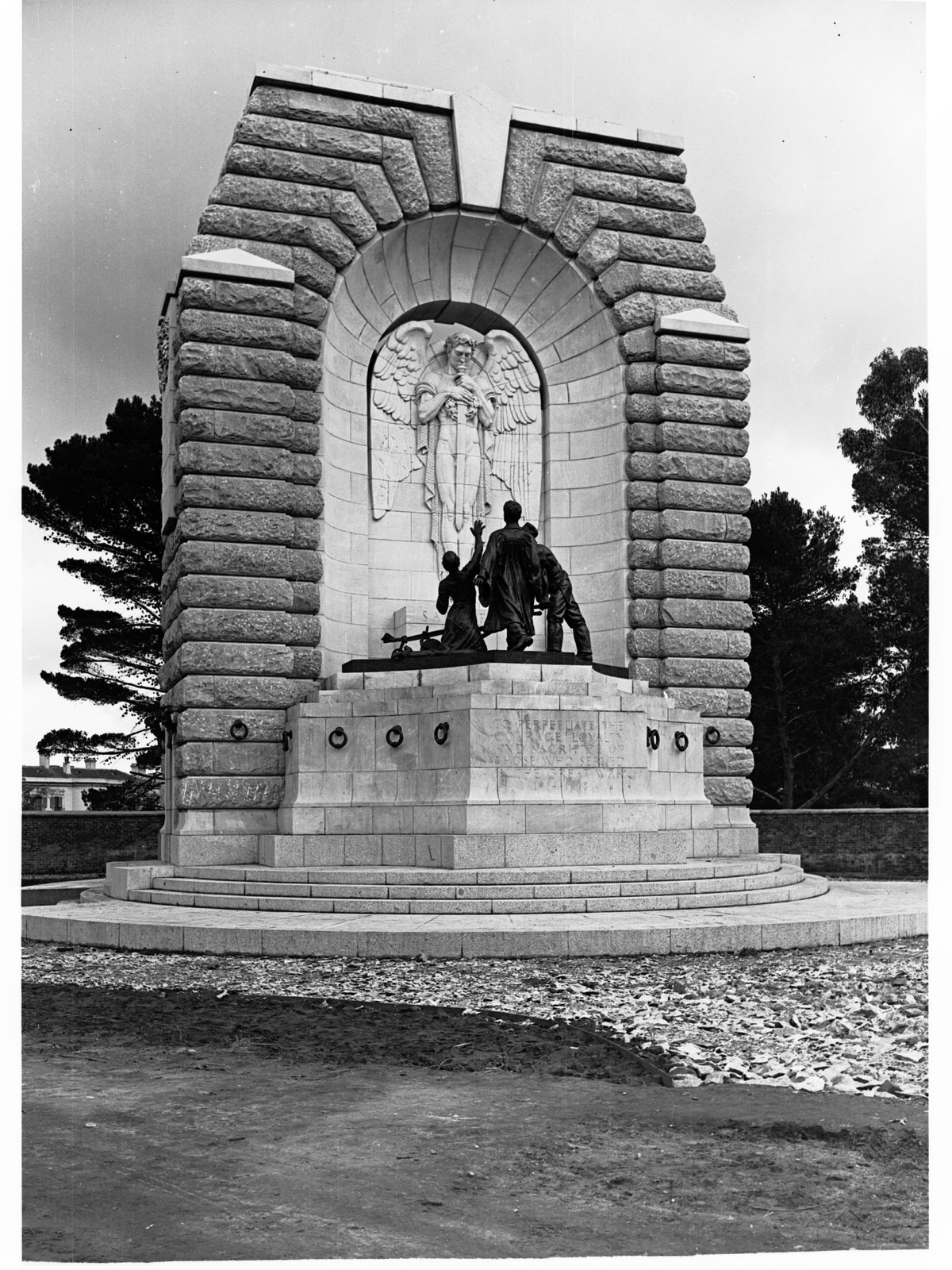
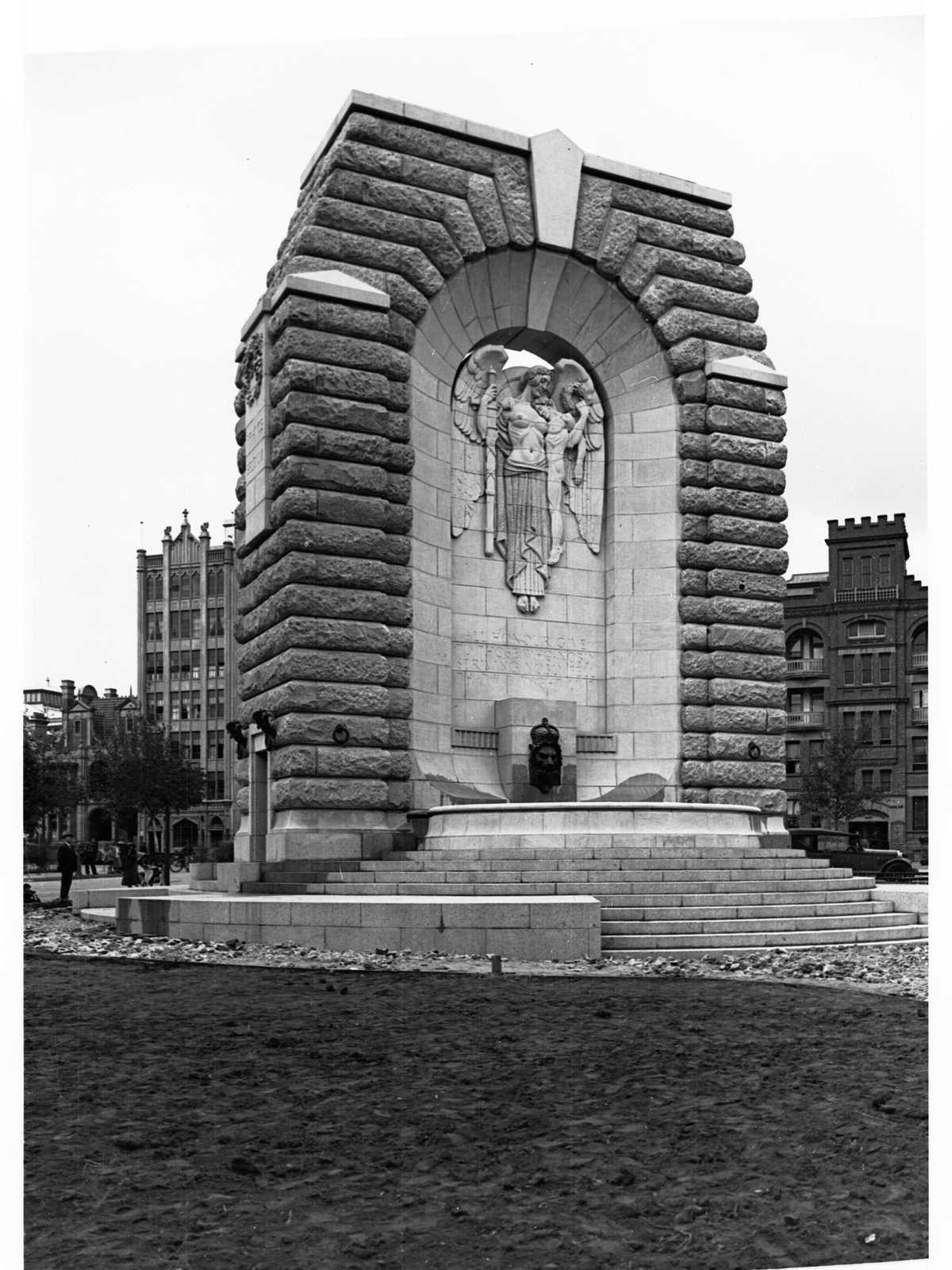
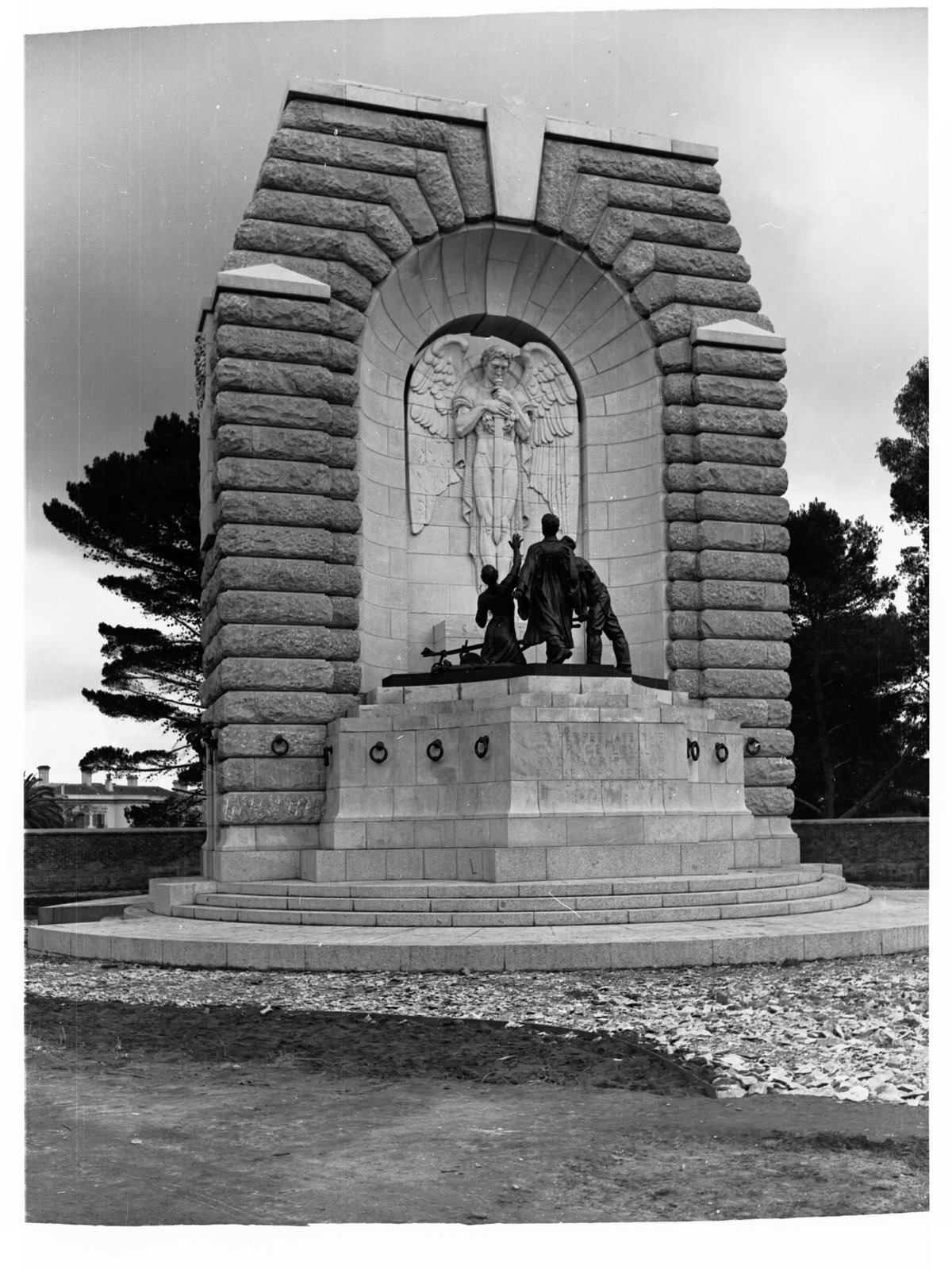
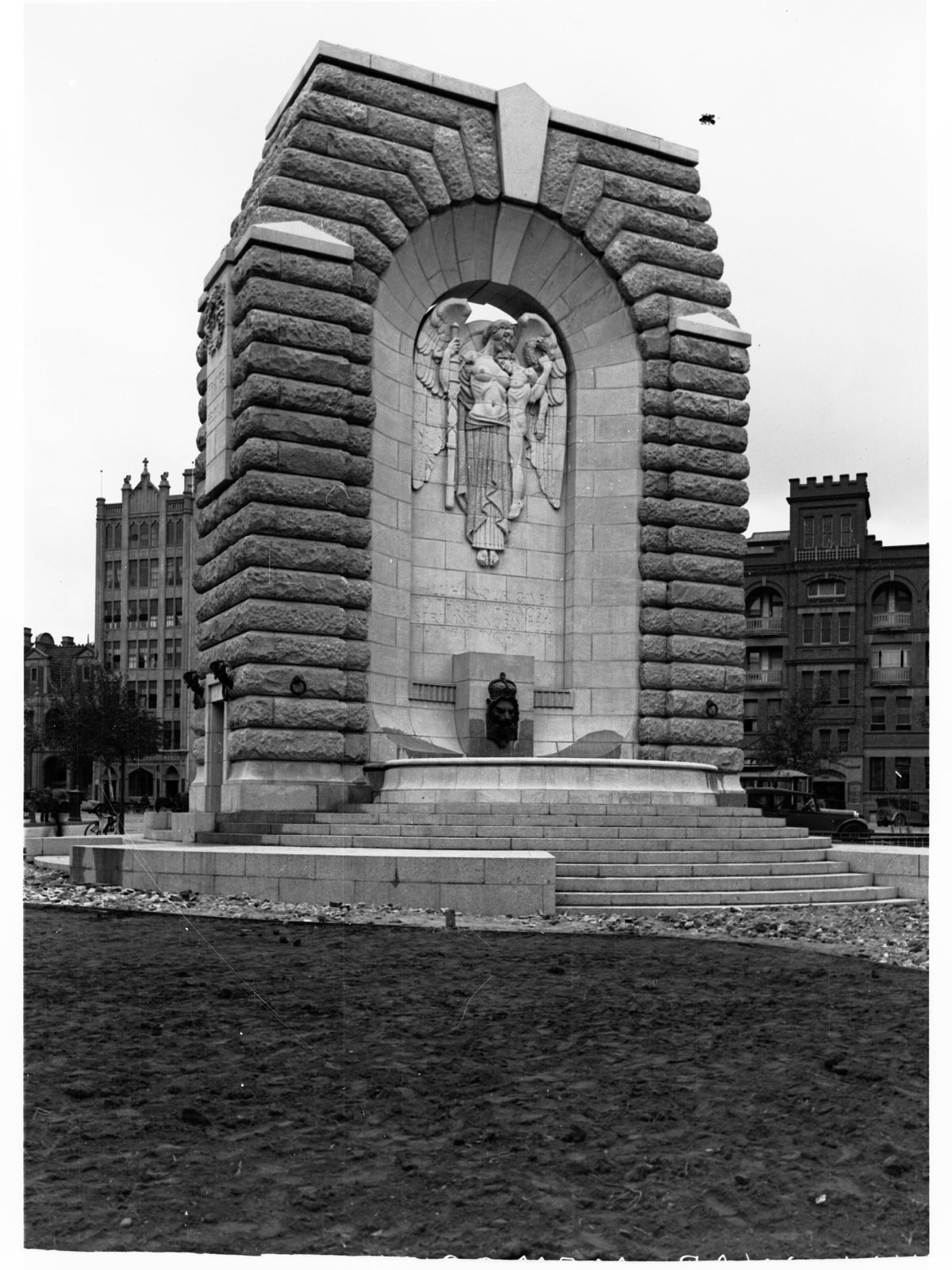
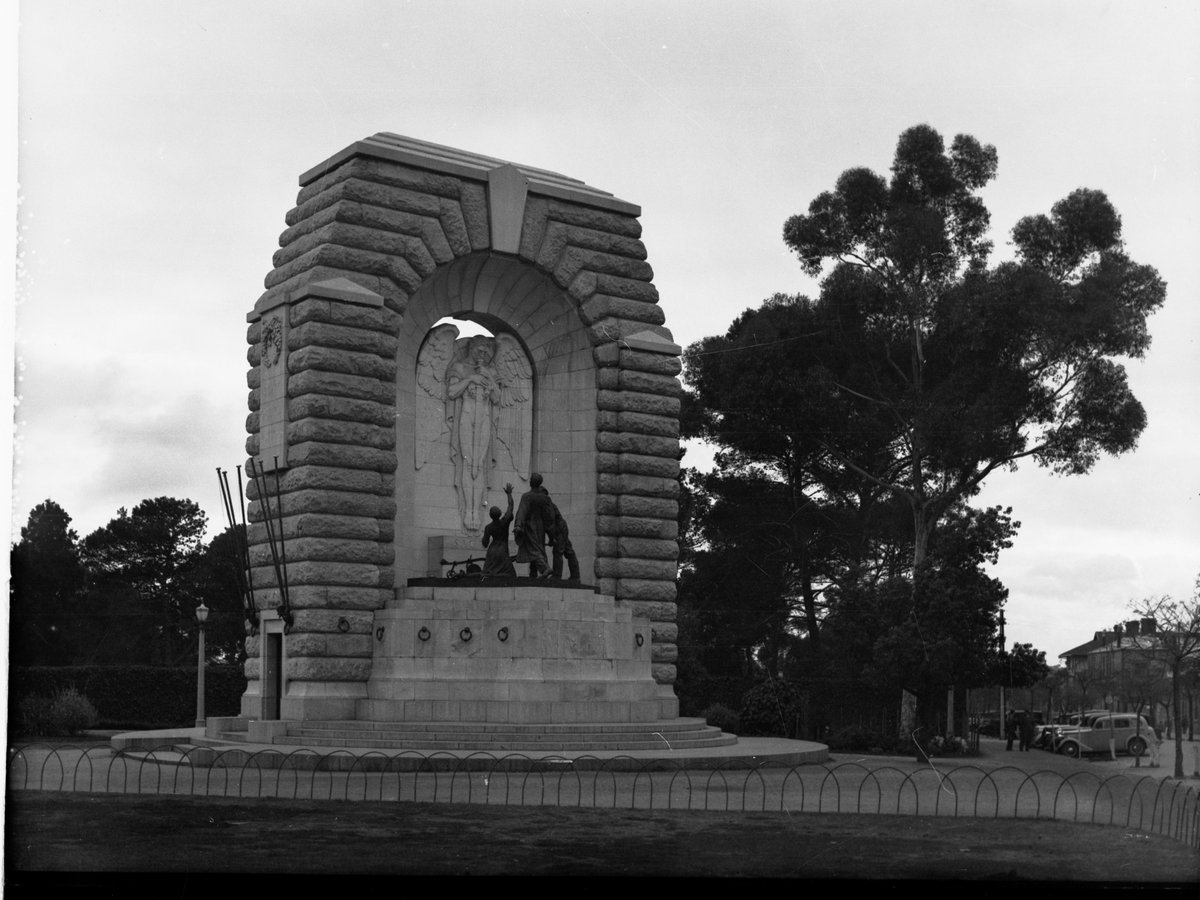
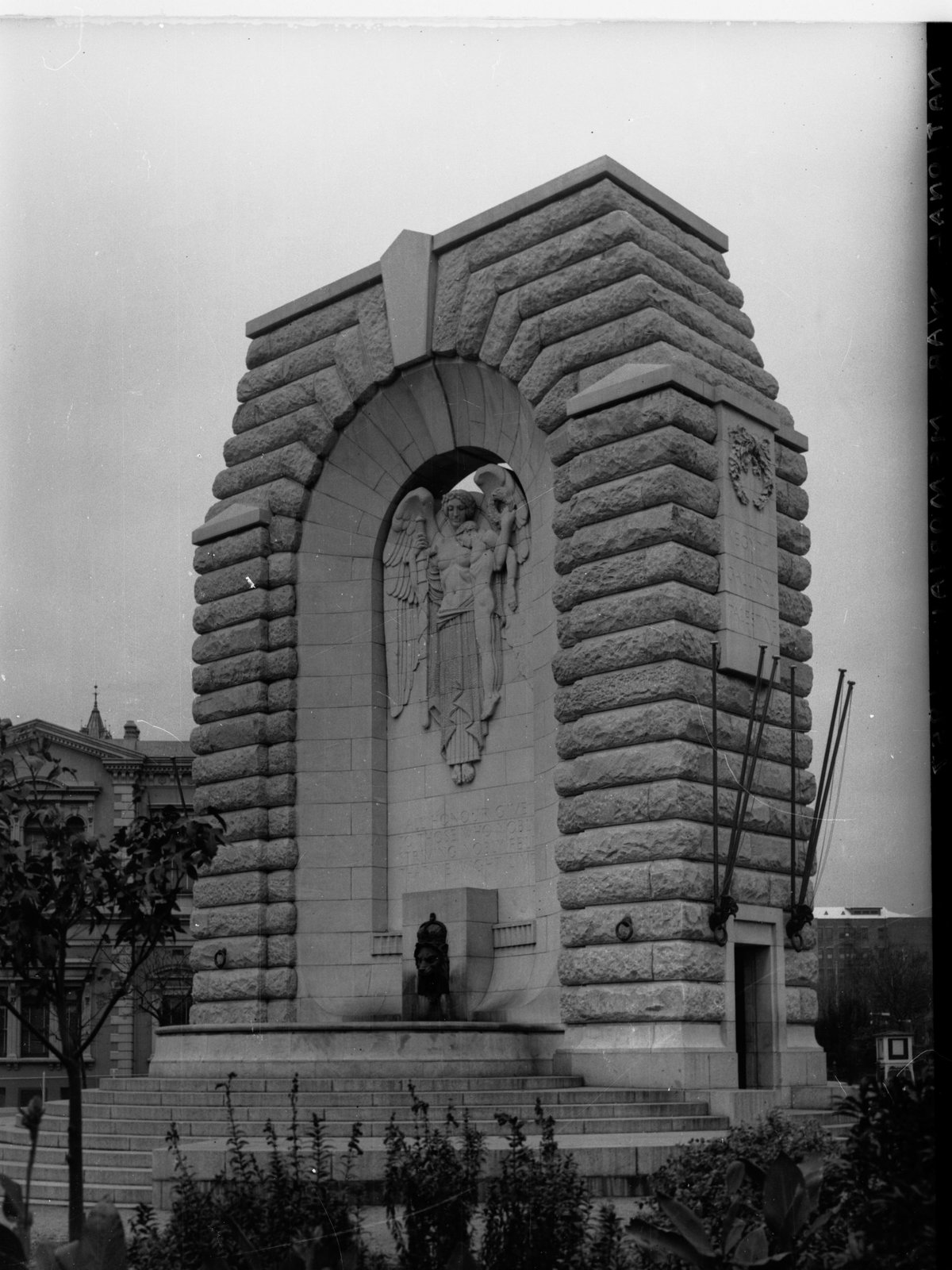
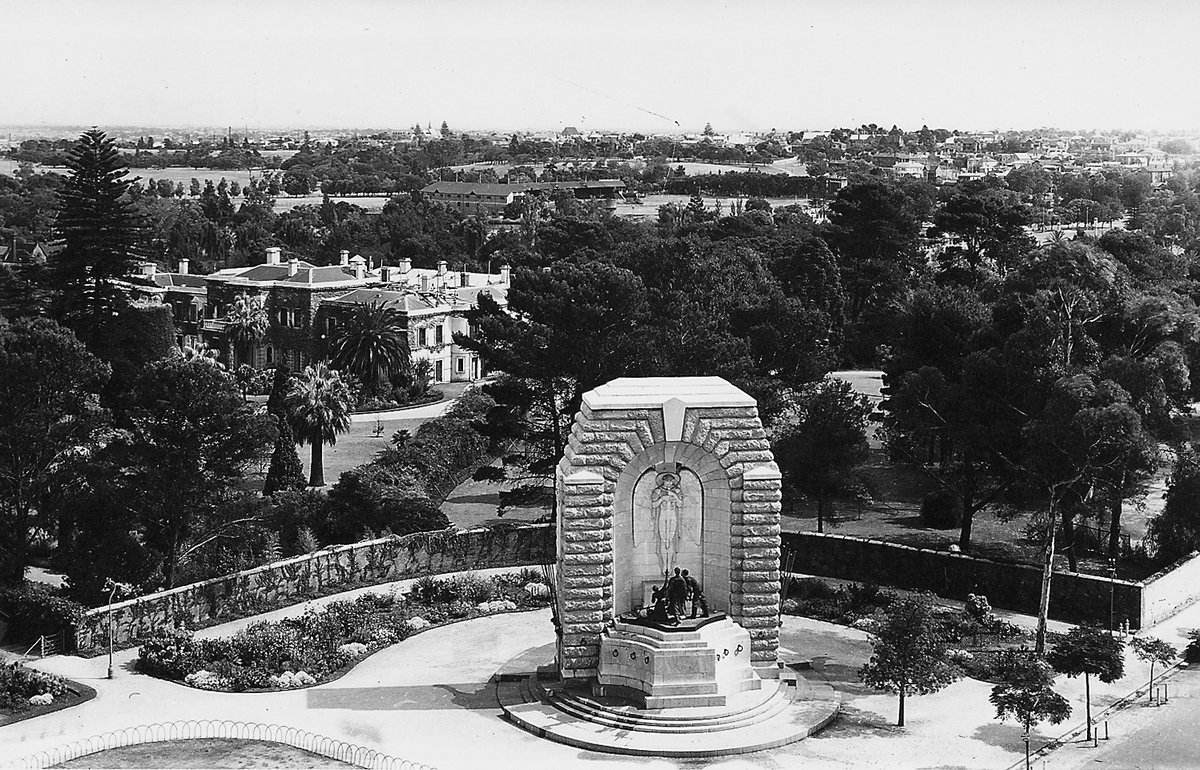
A national competition in 1924 resulted in the selection of Woods, Bagot, Jory & Laybourne-Smith’s design from 48 entries. Constructed from South Australian marble and granite, the memorial’s form is dignified and symbolic. The eastern façade, facing North Terrace, is dominated by Rayner Hoff’s bronze "Spirit of Duty" sculpture, while the western side features the "Spirit of Compassion." The interior contains a bronze plaque inscribed with the names of the fallen, surrounded by tranquil gardens for contemplation (Monuments Australia).
Construction and Heritage
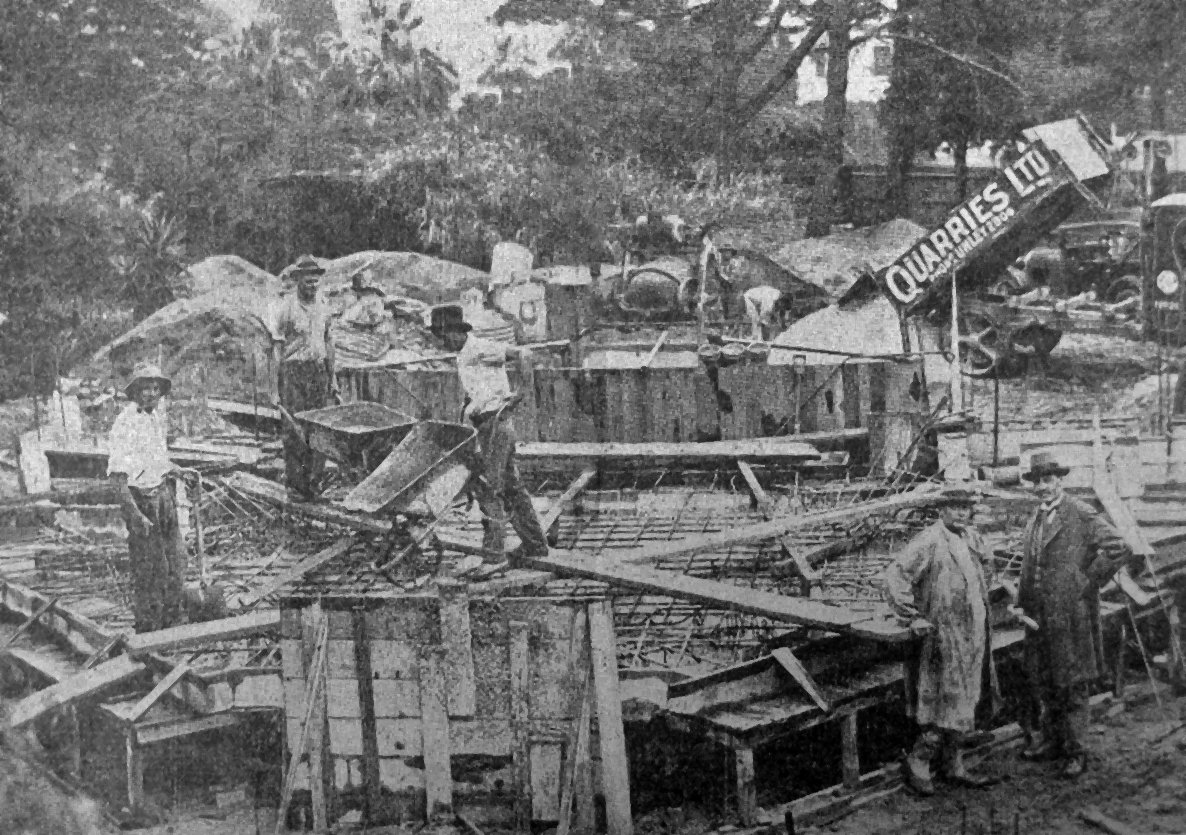
The decision to construct the memorial was made in 1919, with public fundraising and government contributions raising the required £30,000. Construction commenced in 1928 and was completed in 1931, with the site chosen for its central and prominent location. The memorial is listed as a South Australian Heritage Place, ensuring its preservation (SA History Hub).
Commemorative Role and Evolving Significance
Originally dedicated to World War I’s fallen, the memorial’s role has expanded to honor all South Australians who have served in subsequent conflicts. It serves as the focal point for Anzac Day and Remembrance Day services and is recognized as a living monument of collective memory (Flinders University Thesis).
Social Impact and Inclusion
The memorial is integral to Adelaide’s cultural precinct and supports public reflection, education, and mourning. Over time, its relevance has been maintained by broadening its commemorative scope and adapting to evolving social contexts, including increasing recognition of diverse service backgrounds (Flinders University Thesis, p. 238).
Preservation
Heritage listing mandates regular maintenance and preservation efforts. The site remains a dignified and accessible space, with ongoing restoration overseen by heritage authorities and local government (Flinders University Thesis, p. 238).
Broader Commemorative Landscape
The memorial is part of a network of historical monuments in Adelaide, including the Boer War Memorial and Aboriginal Cultural Markers. While it is the principal state memorial for World War I, there is increasing recognition of the need for a more inclusive commemorative landscape (Flinders University Thesis, pp. 238, 255).
Visitor Information
Location and Getting There
- Address: Corner of North Terrace & Kintore Avenue, Adelaide
- Transport: Easily accessible by bus, tram, and train (Adelaide Railway Station ~10 min walk). Paid parking is available nearby.
- Nearby Landmarks: Art Gallery of South Australia, State Library, Government House, Rundle Mall (Rundle Mall).
Visiting Hours & Tickets
- Open: 24/7 as an outdoor site with no entry barriers (Holidify).
- Admission: Free; no tickets required.
- Best Times: Early mornings or evenings for solitude; daylight hours for guided activities and events.
Accessibility
- Wheelchair Access: Ramps and smooth pathways throughout.
- Assistance: Guide dogs are welcome.
- Amenities: Public toilets available at Rundle Mall and nearby galleries.
Travel Tips
- Wear comfortable walking shoes.
- Bring water, especially in summer.
- Dress modestly during ceremonies.
- Combine your visit with nearby cultural attractions.
Memorial Features and Layout
- Main Structure: Granite and marble with a domed inner shrine ("Record Room") containing bronze panels with the names of the fallen (Holidify).
- Sculptures: "Spirit of Duty" (winged figure with sword/cross), three bronze community figures, "Spirit of Compassion," and a bronze lion symbolizing ties to Britain (Experience Adelaide).
- Additional Memorials: Plaques and monuments for later conflicts (WWII, Vietnam, Korea, etc.) (Places of Pride).
- Surroundings: Landscaped gardens and pathways for quiet reflection.
Ceremonies and Special Events
- ANZAC Day (25 April): Dawn service, wreath-laying, and community gathering.
- Remembrance Day (11 November): Minute’s silence at 11 am and formal ceremonies.
- Other Events: Occasional educational and memorial activities (City of Adelaide).
Arrive early for major events due to large crowds and possible road closures.
Nearby Attractions
- Art Gallery of South Australia
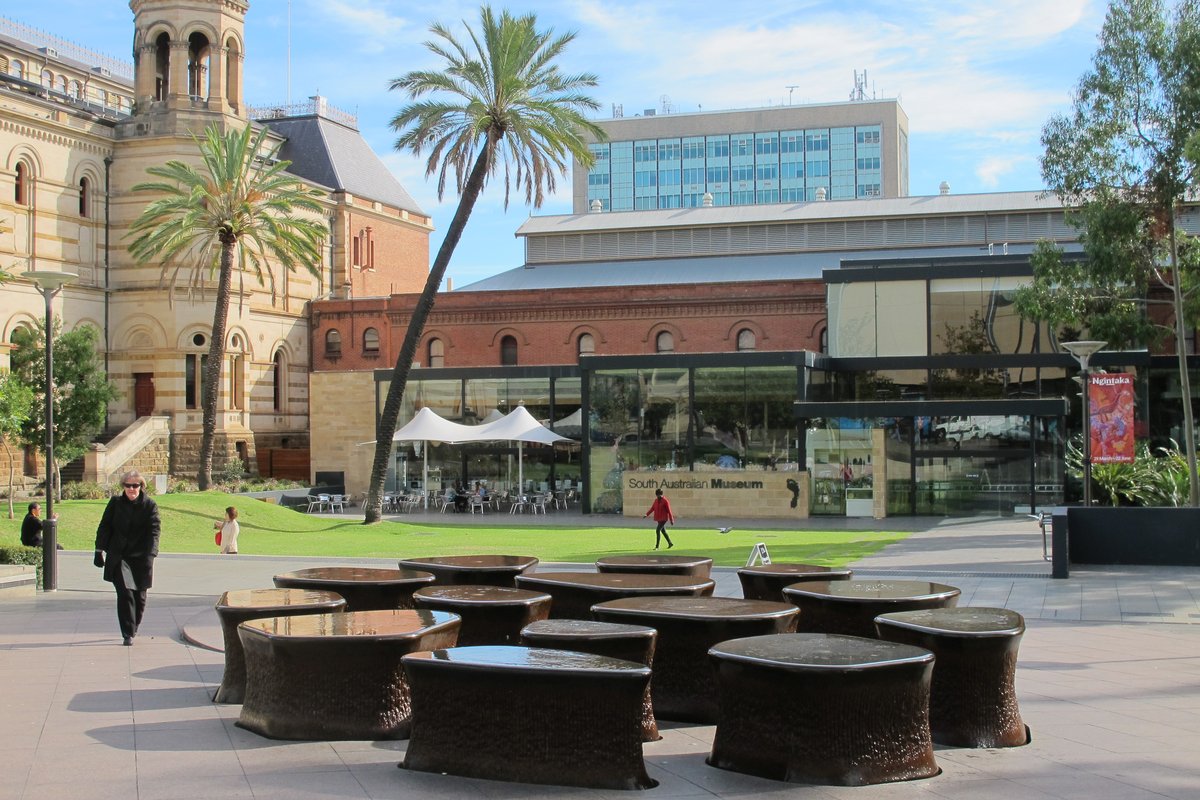
- South Australian Museum
- State Library of South Australia
- Rundle Mall (shopping and dining)
- Migration Museum (for broader historical context)
Visitor Etiquette
- Maintain a respectful demeanor and observe silence, especially within the inner shrine and during ceremonies.
- Photography is permitted for personal use; discretion is advised during events.
- Commercial photography requires prior approval from the City of Adelaide.
Frequently Asked Questions (FAQ)
Q: What are the National War Memorial visiting hours?
A: The memorial is open 24/7, as it is an outdoor site.
Q: Is there an entry fee or tickets required?
A: No, entry is free for everyone.
Q: Are guided tours available?
A: Occasionally, especially on commemorative dates or by arrangement.
Q: Is the memorial wheelchair accessible?
A: Yes, with ramps and smooth pathways.
Q: Can I take photographs?
A: Yes, for personal use; be respectful during ceremonies.
Q: What nearby attractions can I visit?
A: Art Gallery of South Australia, State Library, South Australian Museum, Rundle Mall.
Discover More
The National War Memorial Adelaide is a living testament to the courage, sacrifice, and unity of South Australians. Its evocative design, central location, and accessibility make it an essential destination for understanding the state’s military history and participating in public remembrance. Plan your visit to coincide with significant commemorative events for the full emotional impact, and enrich your experience by exploring nearby cultural sites.
Download the Audiala app for guided tours, historical content, and real-time updates. Stay connected via social media for news on ceremonies and educational programs, and continue your journey through Adelaide’s rich heritage.
Listen to the full story in the app
The whole National War Memorial,
told well.
Audio guides for 1,100+ cities across 96 countries. History, stories, and local insight — offline ready.
Verified, and shown.
Researched and written by the Audiala editorial team from historical records, architectural archives, and local expertise.
Researched from Wikidata, Wikipedia & official sources · fact-checked · How we make our guides →