Plan and listen to Ayers House with Audiala.
Audio guide in your pocket, itinerary in your browser. Built for the way you actually visit.
Introduction
Ayers House, located at 288 North Terrace in Adelaide, South Australia, is a remarkable symbol of the region’s colonial heritage, architectural distinction, and evolving cultural role. Originally established in the early years of the colony, Ayers House has transformed from a modest brick cottage into a grand Regency and Victorian mansion. Today, it stands as a living museum and vibrant event venue—offering visitors a unique window into South Australia’s past, complemented by contemporary cultural programming and accessible visitor amenities (Ayers House official; SA History Hub; National Trust of South Australia; WhichMuseum).
This comprehensive guide details Ayers House’s historical evolution, architectural features, social significance, practical visitor information—including opening hours and ticketing—and highlights major events and exhibitions. Whether you’re a history enthusiast, architecture lover, or planning a cultural day out in Adelaide, this resource provides all you need to plan a memorable visit.


Early History and Ownership
The site of Ayers House, known as Town Acre No. 30, was purchased by William Paxton, a chemist and mining director, in 1837, just three years after South Australia’s founding (Ayers House official; SA History Hub). Paxton’s four-room brick cottage, constructed in 1846, formed the core of the future mansion. In 1855, Sir Henry Ayers, then Secretary of the South Australian Mining Association and later a five-time Premier, leased and eventually purchased the property in 1871, commencing its transformation into one of Adelaide’s most prestigious residences.
Architectural Evolution
Initial Construction and Expansion
Under Sir Henry Ayers, the house underwent extensive expansion guided by the prominent colonial architect Sir George Strickland Kingston. Drawing on Robert Kerr’s The English Gentleman’s House, Kingston executed successive additions that established the mansion’s Regency symmetry and Victorian grandeur (SA History Hub).
Key developments included:
- 1857: Rear additions to expand service and family areas.
- 1859: Construction of the eastern ballroom for grand social events.
- 1870–1871: Addition of the western bay window and further façade enhancements.
- 1874–1876: Construction of a two-storey rear extension, resulting in a mansion with 17 rooms at its height (SA History Hub).
Bluestone, arched porches, and ornate verandahs define the mansion’s exterior, with the western dining room recognized as a standout Victorian interior (SA History Hub).
Notable Interior Features
Ayers House is celebrated for its decorative arts:
- Hand-painted ceilings and stencilled woodwork by Lyon, Cottier Ltd., and Charles Gow (Experience Adelaide).
- Ballroom: Gilded ceiling, cedar floors, and chandeliers, once washed with milk to enhance dancing (Gracie).
- State Dining Room and Drawing Room: Period furnishings, silverware, and memorabilia.
- Basement Summer Sitting Room: Innovative adaptation for Adelaide’s climate.
Rooms are furnished with original and replica pieces, and display cases present costumes and artifacts from the National Trust collection (Triphobo).
Social and Political Significance
For over three decades, Ayers House was a central venue for Adelaide’s elite. Sir Henry Ayers hosted elaborate balls, cabinet meetings, and receptions, with guests enjoying fine wines and lavish décor (Ayers House official). The mansion was integral to shaping the colony’s social and political life.
20th Century Transformation and Restoration
After Sir Henry Ayers’ death in 1897, the mansion underwent adaptive reuse:
- 1914: Became the Palais de Danse, an open-air theatre and dance hall (SA History Hub).
- 1918–1922: Served as a club for WWI soldiers.
- 1926–1969: Functioned as a nurses’ residence for the Royal Adelaide Hospital.
The National Trust of South Australia spearheaded restoration in the 1970s, including conservation of painted ceilings by Jo and Werner Ott. The house was listed on the South Australian Heritage Register in 1980 (WhichMuseum; Wikipedia).
Visitor Information: Hours, Tickets, and Facilities
Location and Accessibility
- Address: 288 North Terrace, Adelaide, SA.
- Situated among Adelaide’s cultural institutions, with easy access by tram, bus, and nearby parking (WhichMuseum; National Trust).
- Some heritage areas have limited accessibility; contact ahead for assistance.
Visiting Hours and Ticketing
- General Opening: Usually Tuesday to Sunday, 10:00 AM to 4:00 PM. Closed Mondays and public holidays. Hours may vary for special events—always check the official website before visiting.
- Ticket Prices:
- Adults: $15
- Concession/Seniors: $12
- Children (under 16): Free
- Family Pass: $40
- Guided Tours: Offered daily at 11:00 AM and 2:00 PM; book online or at the door (official Ayers House Museum website).
- Event and Private Tour Bookings: Available via the National Trust or directly through Ayers House (Ayers House Events).
Facilities and Visitor Experience
- Event spaces for weddings, corporate functions, and community events.
- Henry’s Bar, on-site café, and catering during select events.
- Gift shop with books and local crafts.
- Modern restroom facilities and complimentary Wi-Fi during events.
- Gardens and period settings ideal for photography (subject to policy).
Special Events and Programs
- House of History Program: Annual history festival with expert talks, social events, and access to the National Trust collection (National Trust of South Australia).
- SALA Festival, High Tea, and Seasonal Events: Art exhibitions, gourmet dining, and themed evenings.
- Educational Programs: Guided tours and workshops for schools and families.
Nearby Attractions
Ayers House is within walking distance of:
- Art Gallery of South Australia
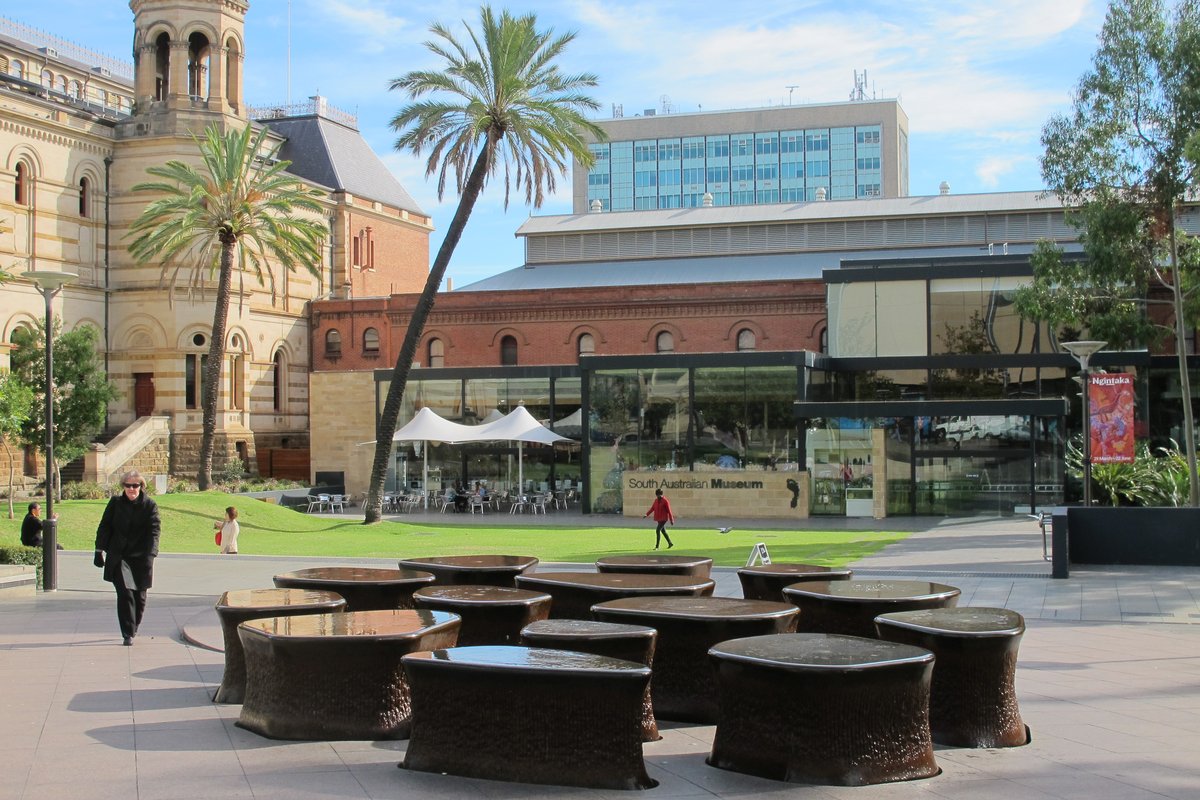
- South Australian Museum
- Adelaide Botanic Garden
- University of Adelaide and State Library (PlanetWare)
Frequently Asked Questions (FAQs)
Q: What are Ayers House’s standard visiting hours?
A: Generally open Tuesday–Sunday, 10:00 AM–4:00 PM; check the official website for updates.
Q: How do I buy tickets?
A: Book online via the official website or purchase at the door, subject to availability.
Q: Is the site wheelchair accessible?
A: Main areas are accessible, but some heritage spaces may be restricted—contact ahead for details.
Q: Are guided tours available?
A: Yes, daily at 11:00 AM and 2:00 PM, and by appointment for groups.
Q: Can I host private events?
A: Yes, Ayers House is a popular venue for weddings and corporate functions.
Q: Are photos allowed?
A: Usually permitted, but confirm restrictions with staff.
Q: Is parking available?
A: Limited street parking nearby; public transport is recommended during busy events.
Related Articles and Internal Links
- Art Gallery of South Australia
- South Australian Museum
- Adelaide Botanic Garden
- History of South Australian Mining
- Migration Museum and Tandanya National Aboriginal Cultural Institute (see Adelaide cultural guides)
Discover More
Ayers House stands as a testament to Adelaide’s Victorian era, offering immersive experiences in heritage, art, and culture. With its blend of grand architecture, decorative arts, and lively modern programming, it is a must-visit destination for locals and tourists alike.
For the latest opening hours, ticketing, and event details, visit the official Ayers House website and the National Trust of South Australia. Enhance your visit by downloading the Audiala app for digital tours and event updates, and follow Ayers House on social media.
Plan your visit today—explore South Australia’s living history at Ayers House.
Listen to the full story in the app
The whole Ayers House,
told well.
Audio guides for 1,100+ cities across 96 countries. History, stories, and local insight — offline ready.
Verified, and shown.
Researched and written by the Audiala editorial team from historical records, architectural archives, and local expertise.
Researched from Wikidata, Wikipedia & official sources · fact-checked · How we make our guides →