Plan and listen to Yervand Kochar Museum with Audiala.
Audio guide in your pocket, itinerary in your browser. Built for the way you actually visit.
Introduction
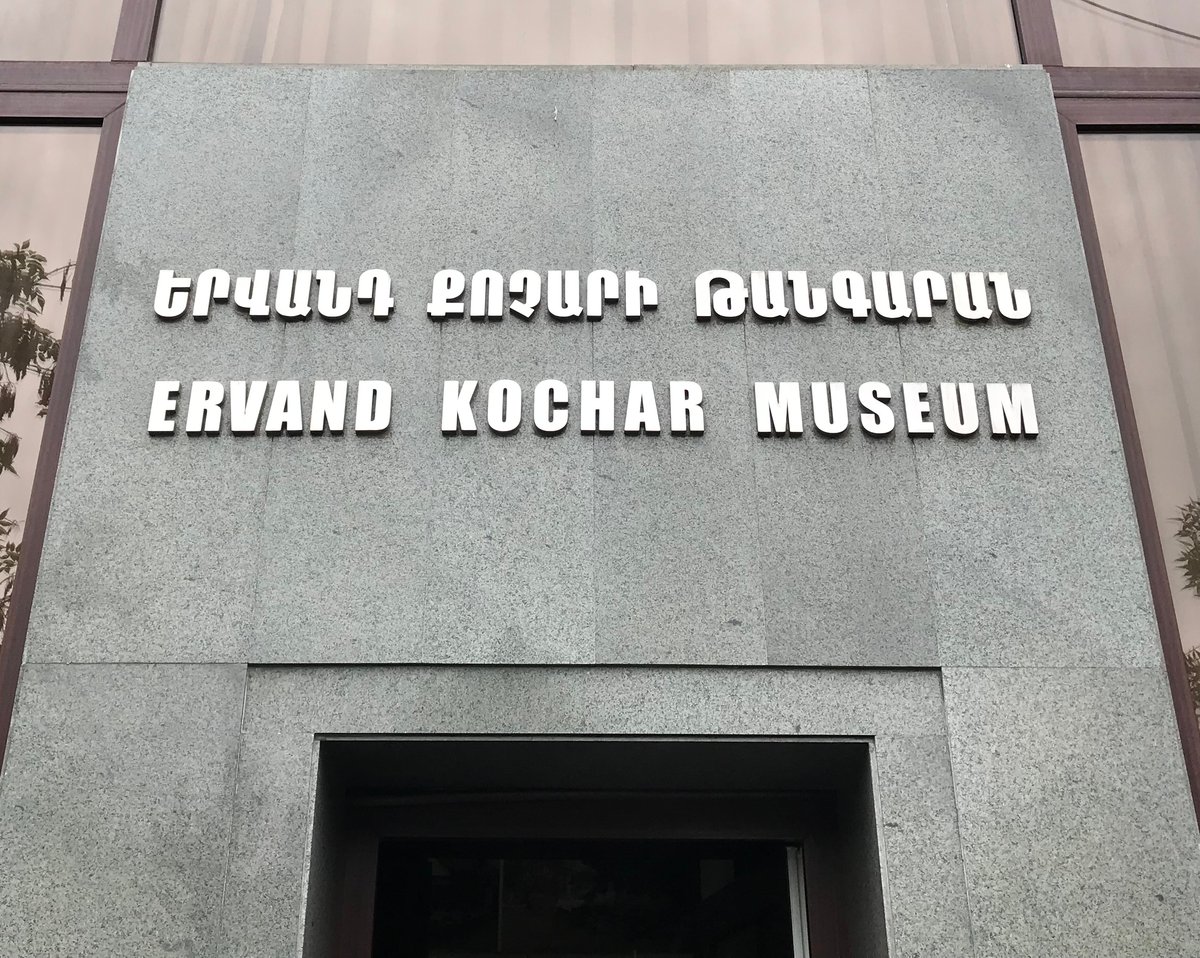
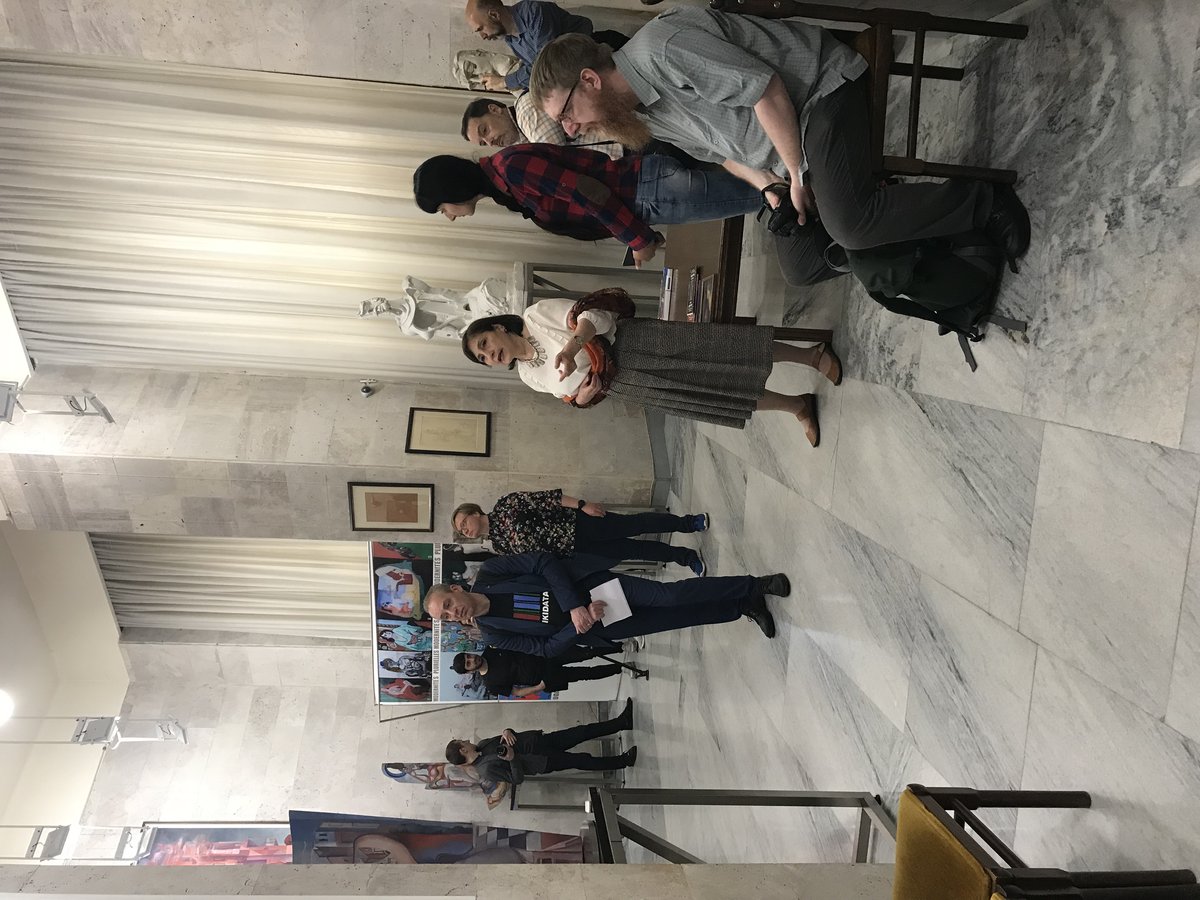
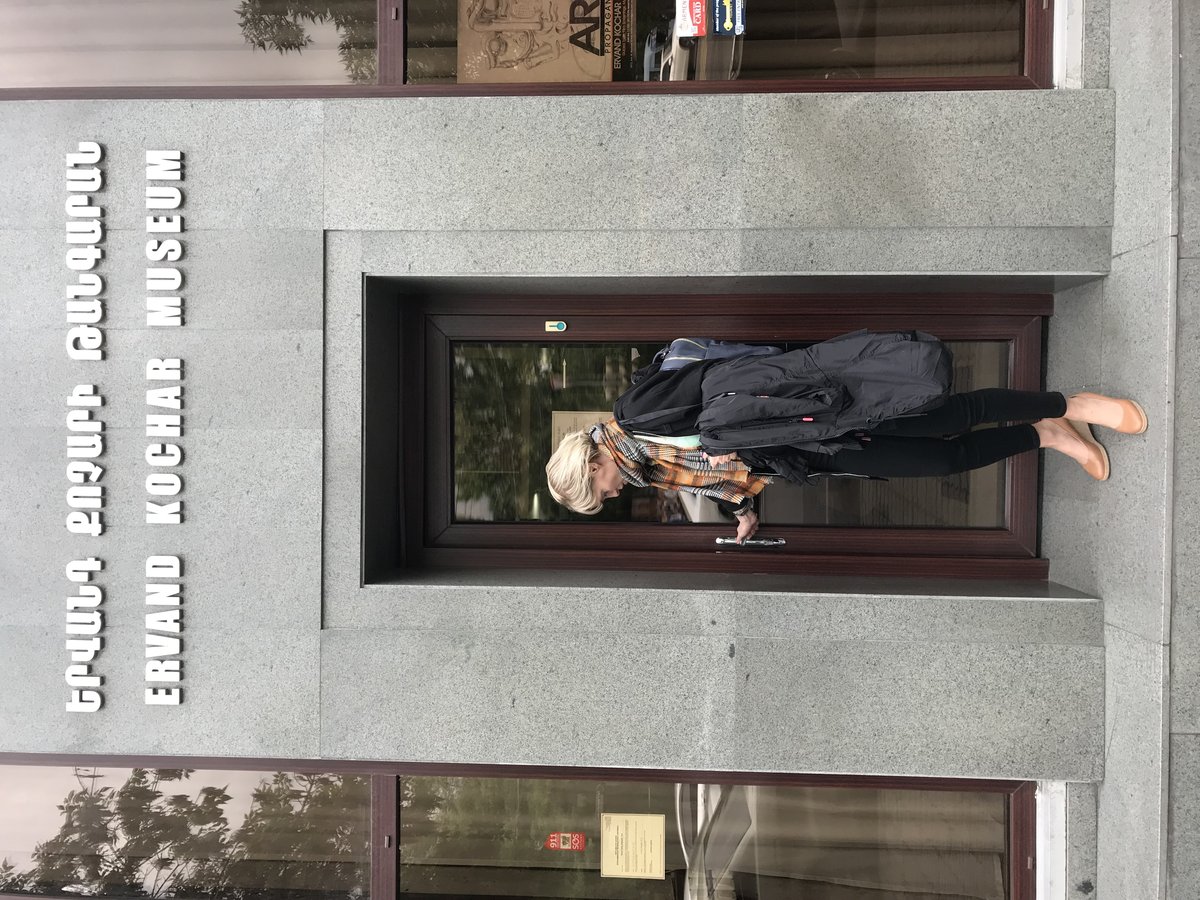
Centrally located in Yerevan, the Yervand Kochar Museum is a distinguished cultural landmark celebrating one of Armenia’s most innovative modern artists. As the founder of the “Painting in Space” movement, Yervand Kochar (1899–1979) left a profound mark on Armenian and international art. This comprehensive guide provides essential details on visiting hours, ticketing, accessibility, permanent and temporary exhibitions, educational programs, and practical tips to help you make the most of your visit to this must-see Yerevan historical site.
For up-to-date information, consult the official museum website and trusted travel resources (Ecokayan, Lonely Planet).

Yervand Kochar: Life and Artistic Journey
Yervand Kochar was born in Tiflis (present-day Tbilisi, Georgia) in 1899. His multicultural upbringing and formal education in Tiflis, Moscow, and Paris shaped his visionary approach to art. Kochar’s trajectory traversed three pivotal cities: Tiflis, Paris, and Yerevan. In Paris, he engaged with the European avant-garde, collaborating and exchanging ideas with luminaries such as Picasso, Braque, Brâncuși, and Miró. His groundbreaking “Painting in Space” concept emerged during this period, blending sculpture and painting into multidimensional compositions (Yerevan Museums).
Kochar’s impact extended beyond Armenia. In 1936, he co-signed the “Dimensionist Manifesto” with Duchamp and Miró, advocating for the integration of time and space in visual art.
Artistic Innovations and Legacy
The “Painting in Space” Movement
Kochar pioneered the “Painting in Space” movement, merging painting and three-dimensional sculpture to create dynamic, kinetic art. These works invite viewers to engage with art in new, multidimensional ways and are exhibited in only a handful of institutions worldwide, including the Yervand Kochar Museum and the Centre Pompidou in Paris (visityerevan.am).
Monumental Public Art
On returning to Yerevan in 1936, Kochar created monumental public works that have become cultural icons, such as the “David of Sassoun” (1959) and “Vardan Mamikonyan” (1975) statues. These sculptures are central symbols of Armenian resilience and national identity (Ecokayan; araratour.com).
Paintings and Drawings
The museum’s collection includes oil paintings, cold wax pieces, and graphic works from Kochar’s early Tiflis years through his Parisian avant-garde period and later Yerevan creations. Many pieces reflect his innovative spirit and experimentation with abstraction (araratour.com).
Visiting the Yervand Kochar Museum
Location and Accessibility
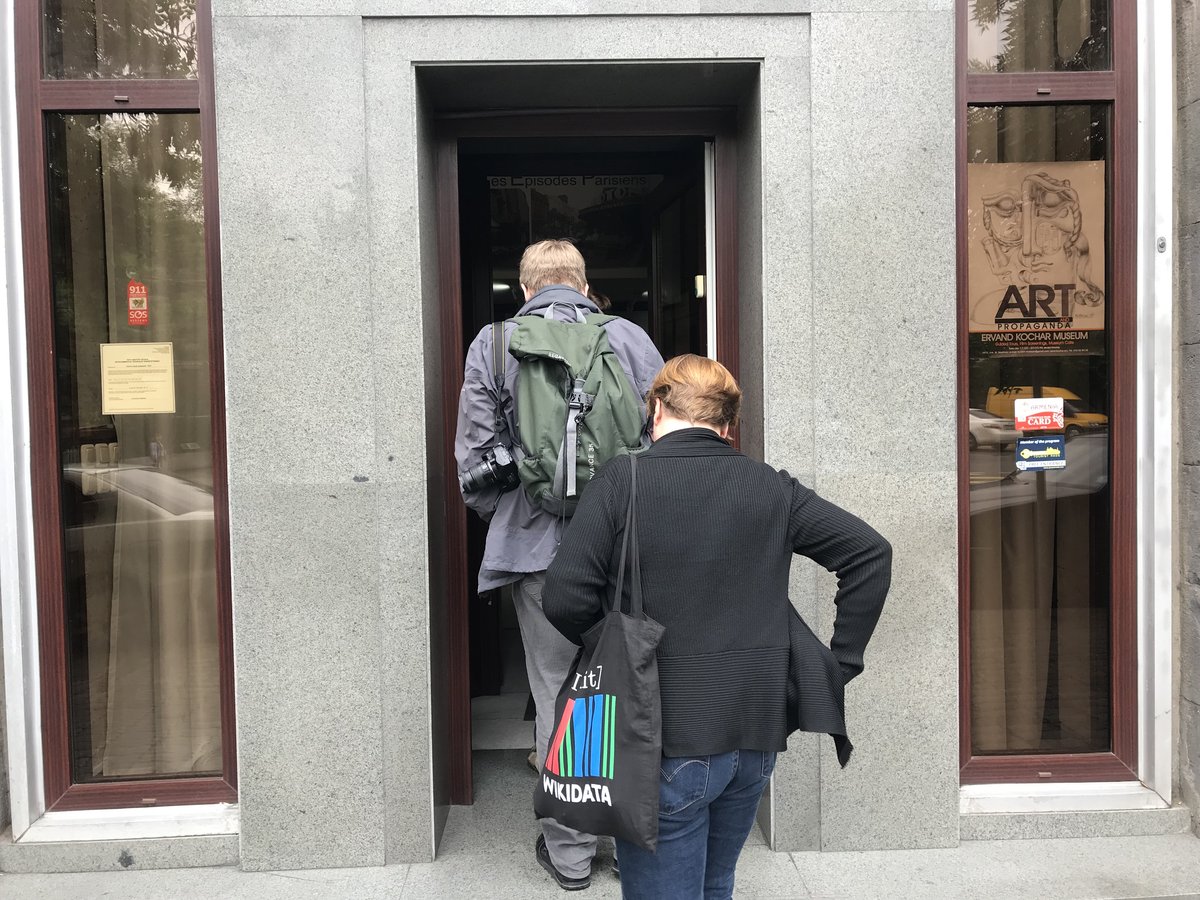
- Address: 39/12 Mashtots Avenue, Yerevan, Armenia
- Proximity: A short walk from the Yerevan Cascade, Cafesjian Center for the Arts, and other major cultural attractions (Hyur Service).
Public transport, taxis, and ride-hailing apps like GG and Yandex Go provide easy access. Limited street parking is available, but public transport is often more convenient. The museum is partially accessible; contact staff for assistance if you have special mobility needs.
Visiting Hours
- Tuesday to Saturday: 11:00 AM – 5:00 PM
- Sunday: 11:00 AM – 4:00 PM
- Closed: Mondays and select public holidays
Check the official website for seasonal updates or special event closures.
Tickets and Guided Tours
- Standard Admission: 1,500–1,600 AMD (approx. $4.25 USD)
- Discounted Tickets: 800 AMD for students, children, and pensioners
- Guided Tours: 4,000 AMD (Armenian), 5,000 AMD (foreign languages: English, Russian, French)
- Free Entry: Last Saturday of every month
Tickets are typically purchased at the entrance; cash is recommended, though some cards or mobile payments may be accepted (Hyur Service).
Museum Highlights
Permanent Collections
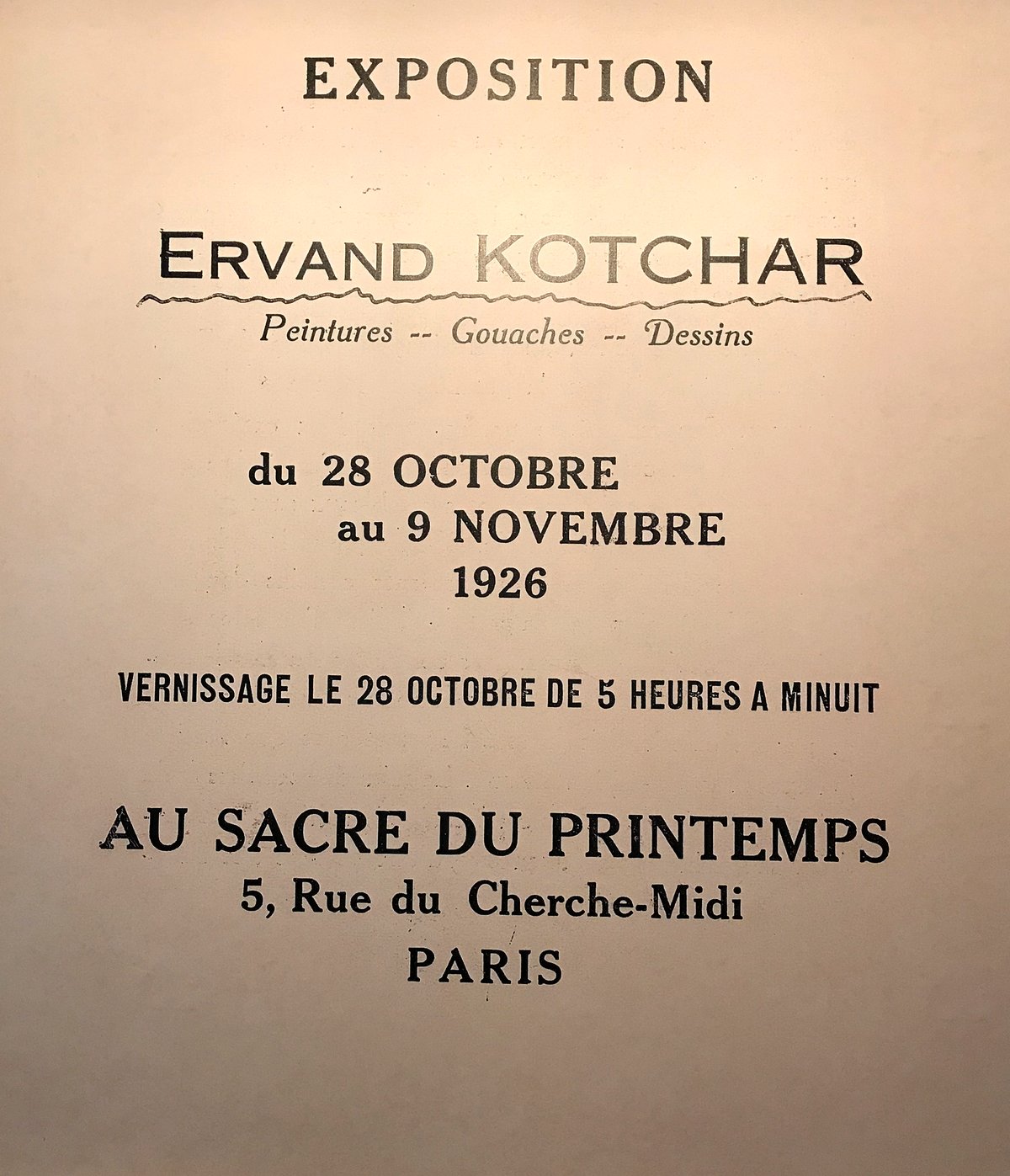
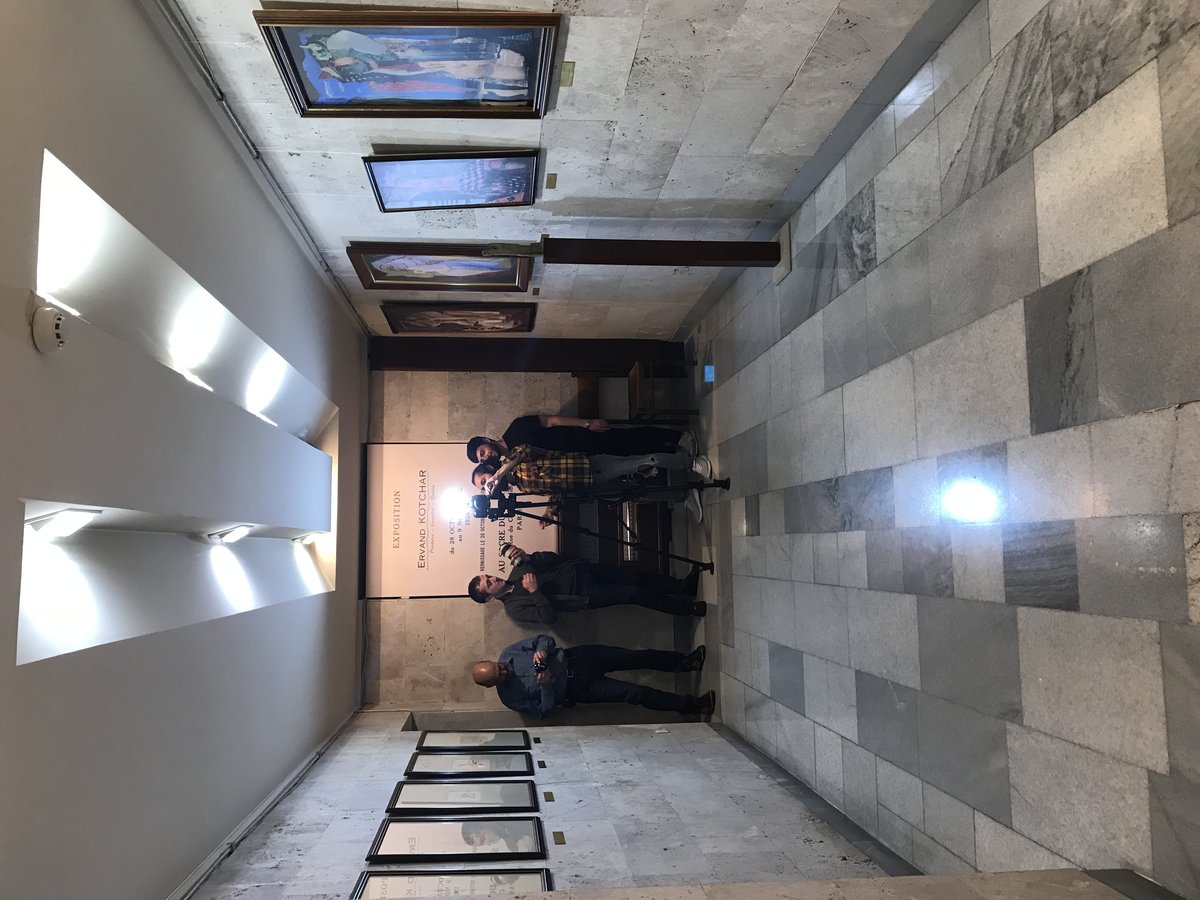
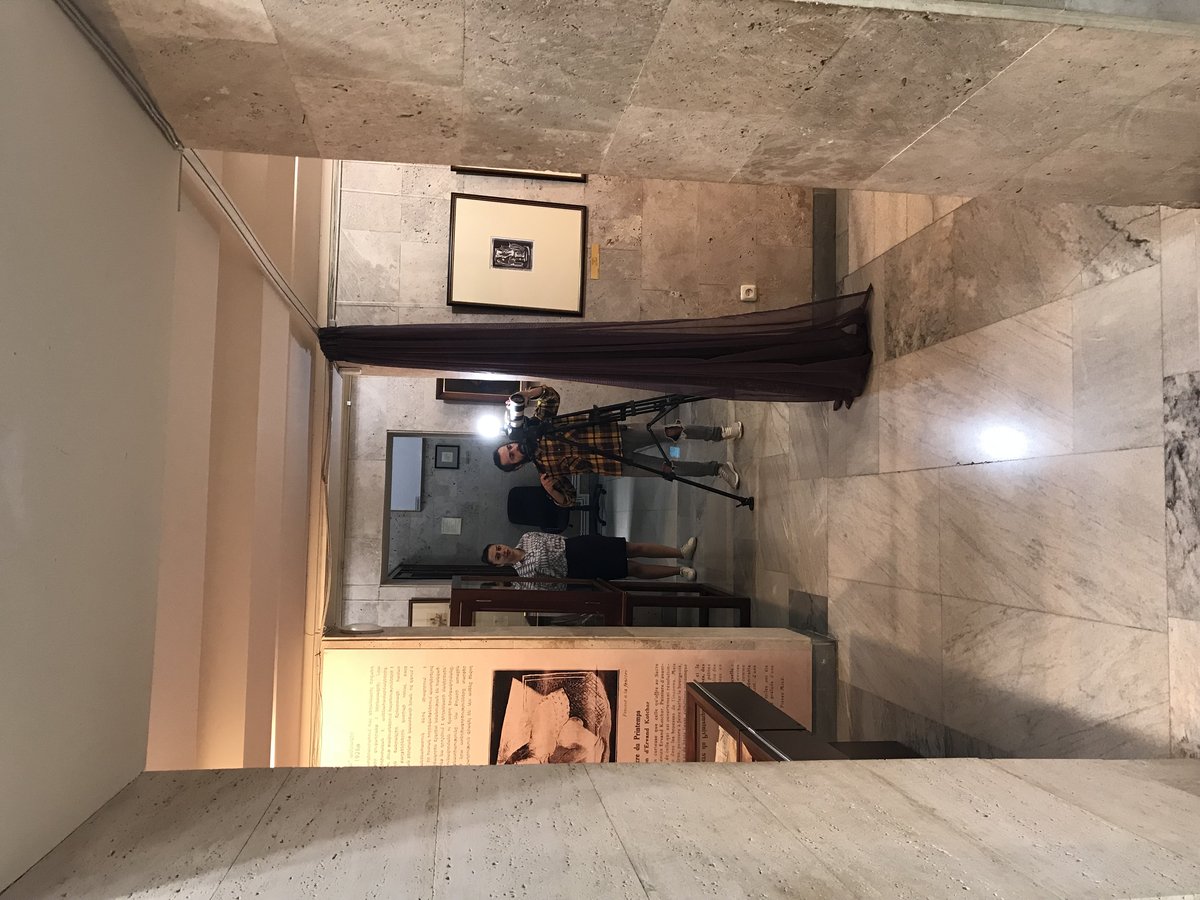
The museum’s permanent collection is the most comprehensive assembly of Kochar’s works, spanning his Tiflis, Paris, and Yerevan periods (kochar.am). Key features include:
- Paintings and Graphics: Early and mature works, cold wax paintings, and graphic art reflecting avant-garde trends.
- Sculptures: Models and miniatures of iconic monuments, such as “David of Sassoun” and “Komitas.”
- “Painting in Space” Masterpieces: Rare kinetic works blending painting and sculpture.
- Personal Artifacts: Photographs, correspondence, and documents illustrating Kochar’s life and artistic network.
Temporary Exhibitions and Special Projects
The museum regularly hosts temporary exhibitions, anniversary events, and collaborative projects. Notable recent events include the “KOCHAR 360°” multimedia exhibition, which used music, choreography, and AI to reinterpret Kochar’s legacy (style.news.am). International outreach and partnerships promote Kochar’s significance worldwide (armenpress.am).
Multimedia and Interactive Displays
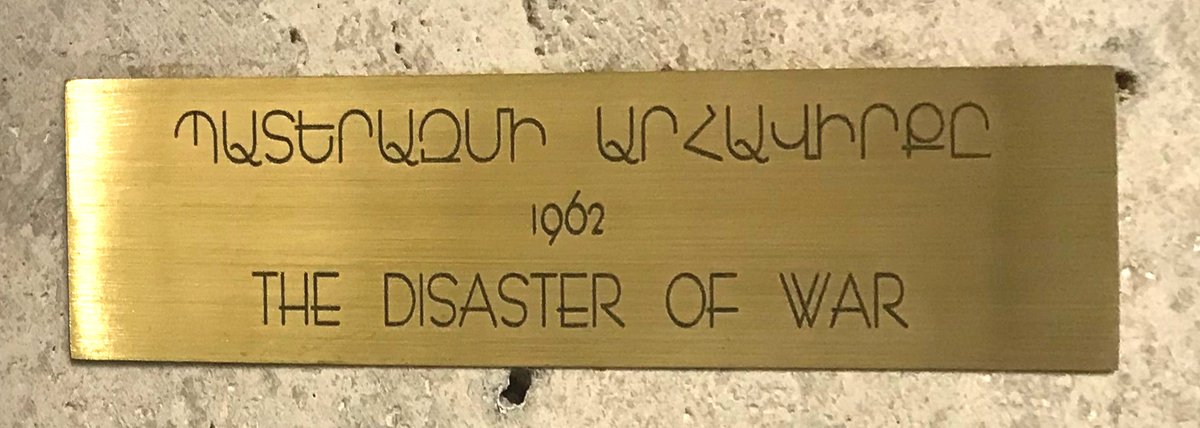
Visitors can experience interactive video installations, short documentary films (such as on the “Disaster of War”), and virtual tours to gain deeper insight into Kochar’s creative process and historical context (Lonely Planet).
Educational Programs and Cultural Events
The museum is an educational hub, offering:
- Guided Tours: In Armenian, Russian, English, and French (advance booking required).
- Audio Guides: Available in multiple languages for flexible, self-paced visits (visityerevan.am).
- Lectures and Workshops: Regular programs on modern art, Kochar’s influence, and avant-garde movements.
- School and University Programs: Discounted, interactive workshops and tailored tours for students and young visitors.
The museum also serves as a research center for the historical avant-garde, with access to archival materials and opportunities for scholarly engagement (kochar.am).
Practical Visitor Information and Tips
- Language: Multilingual staff and exhibit labels; some may require translation support or guide assistance.
- Facilities: Clean restrooms, gift shop with books and souvenirs, and information desks.
- Accessibility: Partial; contact staff for specific needs.
- Photography: Non-flash photography is generally permitted for personal use, but restrictions may apply—ask staff or follow signage.
- Time Allocation: Plan for at least 1–1.5 hours, especially if joining a guided tour.
- Nearby Dining: Numerous cafes and restaurants are available along Mashtots Avenue and near the Cascade.
- Security: Bags may be inspected; large items may need to be stored at the entrance.
Frequently Asked Questions (FAQ)
Q: What are the Yervand Kochar Museum visiting hours?
A: Tuesday to Saturday, 11:00 AM–5:00 PM; Sunday, 11:00 AM–4:00 PM; closed Mondays.
Q: How much are tickets?
A: 1,500–1,600 AMD for adults, with discounts for students, children, and pensioners.
Q: Are guided tours available?
A: Yes, in Armenian, Russian, English, and French. Book in advance.
Q: Is the museum accessible?
A: Partially; some areas may have steps or narrow passages. Contact staff for assistance.
Q: Can I take photos?
A: Non-flash photography is usually allowed; always confirm with staff.
Q: Are there free entry days?
A: Yes, on the last Saturday of every month.
Nearby Yerevan Historical Sites
Enhance your cultural tour by visiting nearby attractions:
- Yerevan Cascade & Cafesjian Center for the Arts
- National Gallery of Armenia
- House-Museum of Martiros Saryan
- Komitas Museum-Institute
- Armenian Museum of Modern Art
Combine your museum visit with these landmarks for a comprehensive cultural experience (Armenia Travel).
Listen to the full story in the app
The whole Yervand Kochar Museum,
told well.
Audio guides for 1,100+ cities across 96 countries. History, stories, and local insight — offline ready.
Verified, and shown.
Researched and written by the Audiala editorial team from historical records, architectural archives, and local expertise.
Researched from Wikidata, Wikipedia & official sources · fact-checked · How we make our guides →