Plan and listen to Yerevan Opera Theater with Audiala.
Audio guide in your pocket, itinerary in your browser. Built for the way you actually visit.
Introduction: The Cultural Heart of Yerevan
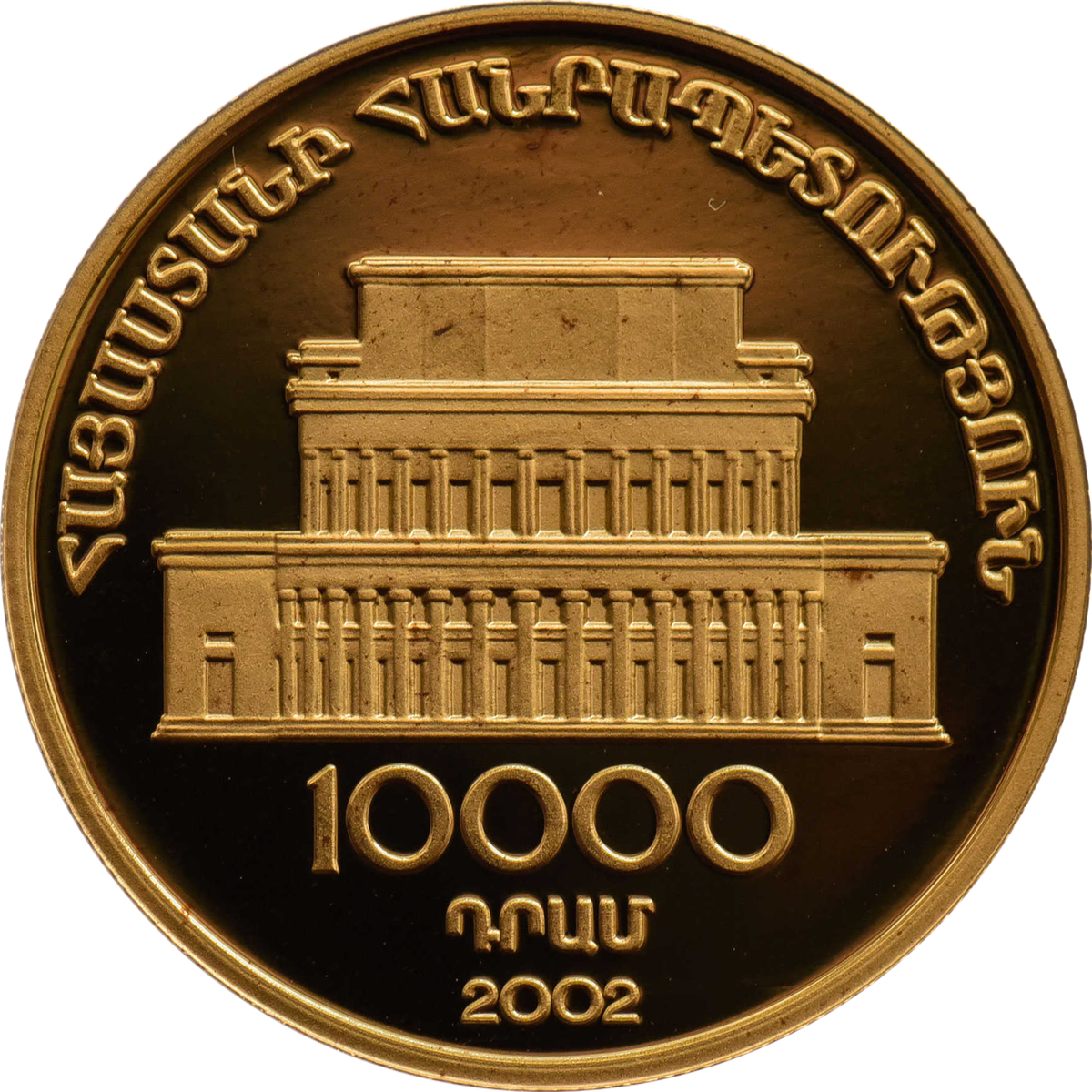
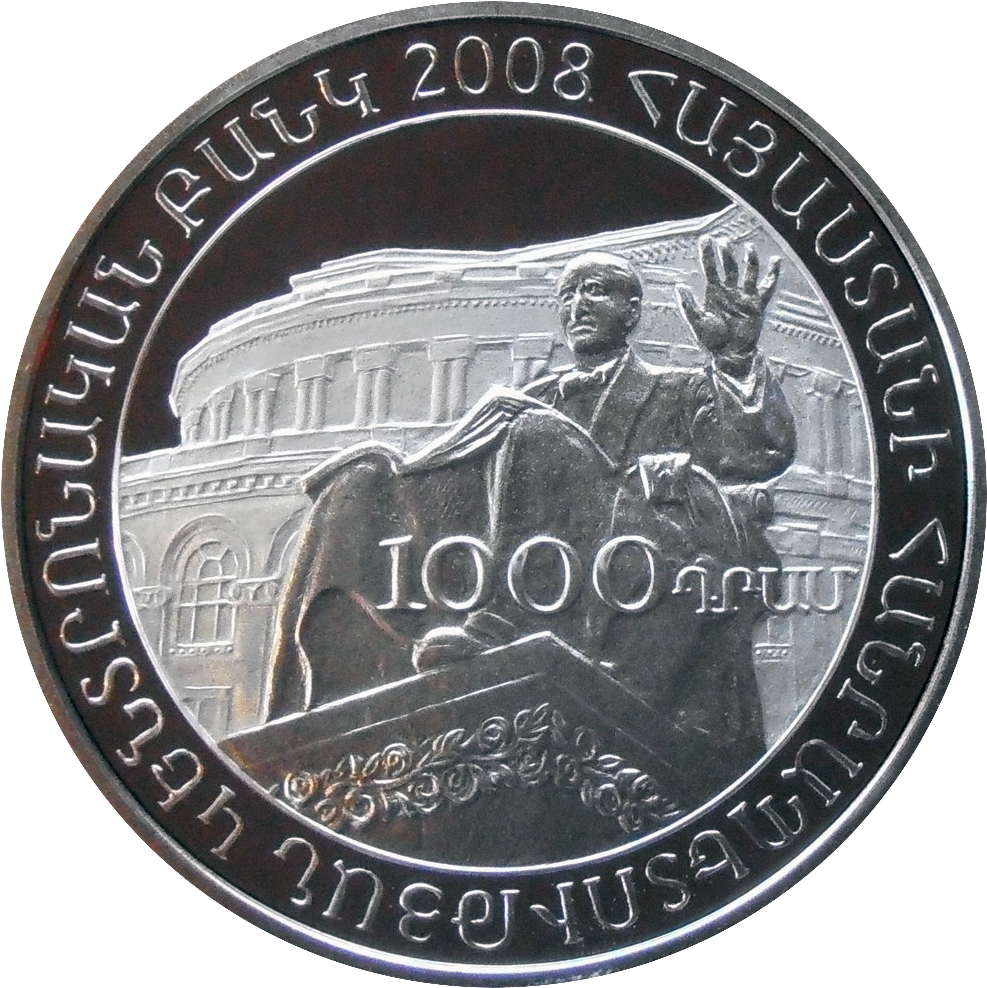
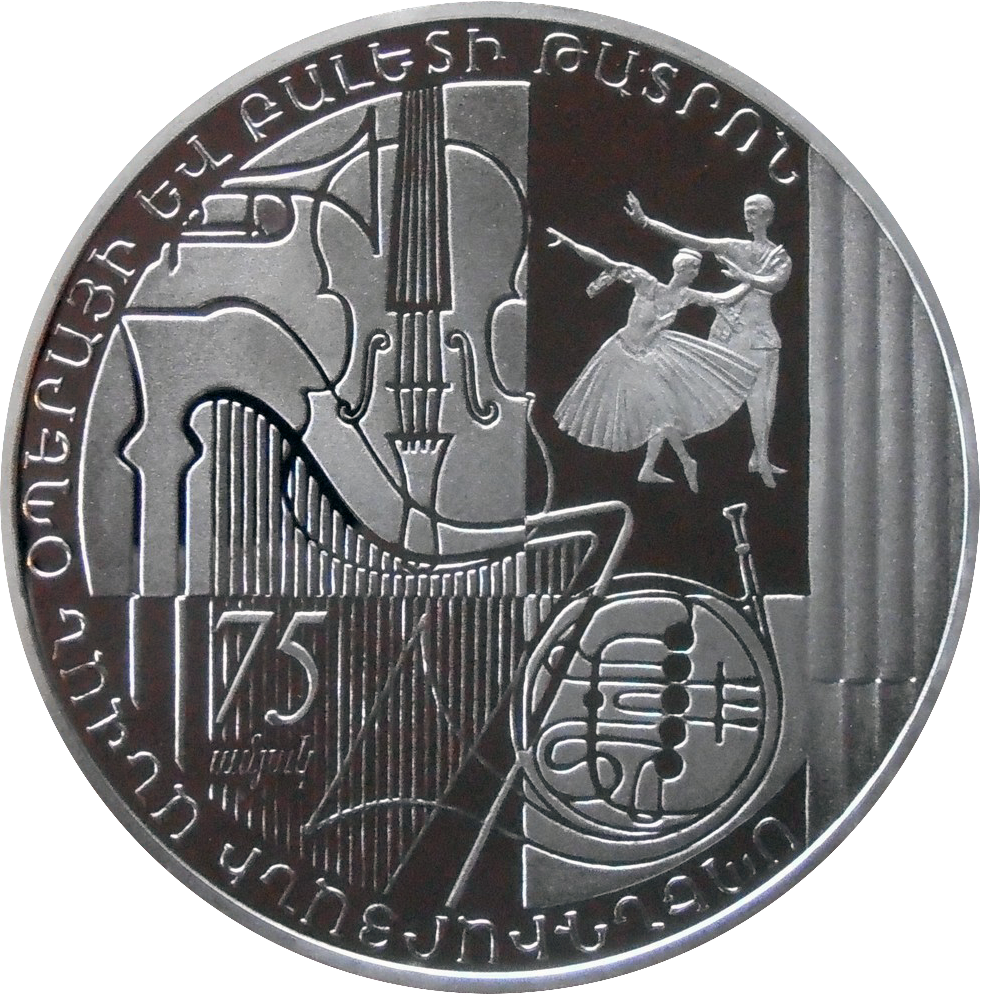
The Yerevan Opera Theater, officially named the Alexander Spendiaryan National Academic Opera and Ballet Theatre, stands as a beacon of Armenian cultural heritage and a must-see destination for travelers to Yerevan. Designed by the visionary architect Alexander Tamanyan, this landmark is celebrated for its harmonious blend of neoclassical grandeur and Armenian architectural motifs, carved from local basalt and tuff stone. Since its grand opening in 1933, the Opera Theater has been central to Armenia’s artistic evolution, hosting world-class performances and nurturing the country’s operatic and ballet traditions.
Conveniently located between Republic and Freedom Squares, the theater is nestled in the city’s vibrant cultural district, surrounded by lush parks, museums, and bustling markets. Whether you’re attending a performance, joining a guided tour, or simply exploring its historic halls, the Yerevan Opera Theater promises an immersive encounter with Armenia’s artistic soul.
For the latest updates, schedules, and visitor information, consult the Yerevan Opera Theater official website and architectural analyses on ArchDaily.

1. Origins and Architectural Vision
The Yerevan Opera Theater was conceived as a central feature of Tamanyan’s master plan to reshape Yerevan’s urban landscape in the 20th century. Commissioned in 1926, Tamanyan’s design placed the opera house at the heart of Yerevan, adjacent to a park and an artificial lake—integrating public space with cultural grandeur (museumstudiesabroad.org; archdaily.com).
The theater’s groundbreaking occurred on November 28, 1930, marking a decade of Soviet Armenia (en.wikipedia.org). Tamanyan’s architectural vision, praised for its fusion of Armenian tradition and modernism, earned international recognition, including the top prize at the 1937 World Architecture Exhibition in Paris (opera.am). The amphitheater-inspired layout and stone construction were engineered for superior acoustics, a hallmark of the venue (archdaily.com).
2. Construction History and Milestones
Building the Opera Theater was a complex, multi-decade effort. The initial phase culminated in its opening on January 20, 1933, with Spendiaryan’s "Almast" (en.wikipedia.org; yerevan.am), though the structure was not fully complete. After Tamanyan’s death in 1936, his son Gevorg Tamanyan oversaw the completion of the main hall in 1939, with the entire building finalized in 1953.
Today, the complex includes the Aram Khachaturian Concert Hall (1,400 seats) and the Alexander Spendiaryan Opera and Ballet National Theatre (1,200 seats) (en.wikipedia.org). Ongoing renovations, especially in the 1970s and early 2000s, have preserved its architectural integrity and technical excellence (museumstudiesabroad.org).
3. Artistic Achievements and National Identity
From its inception, the Yerevan Opera Theater was more than an architectural marvel; it was a crucible for Armenian national arts. The theater’s foundation in 1932 drew upon local talent, and by 1935, it had staged landmark works like Tigranian’s "Anush" and Tchaikovsky’s "Swan Lake." Armenian ballet also entered the spotlight with Khachaturian’s "Happiness," later adapted into the globally renowned "Gayane" (en.wikipedia.org; museumstudiesabroad.org).
International acclaim followed, notably with the company’s celebrated performance at Moscow’s Bolshoi Theatre in 1939 (yerevan.am). The theater has since premiered over 200 operas and ballets by Armenian, Russian, and Western composers (archdaily.com).
4. Soviet Era and Modernization
The Soviet era shaped the theater’s repertoire and infrastructure. Notably, in 1936, the Opera Theater received a gold medal at the Paris International Exhibition for its architectural design. In 1956, it was elevated to National Academic status, cementing its role at the heart of Armenian performing arts (en.wikipedia.org).
Major renovations in 1978-1983 introduced Armenian woodwork, marble, and technical upgrades, while further updates in 1999 and 2002 maintained its state-of-the-art facilities (museumstudiesabroad.org). Throughout these changes, the theater has continued to foster talent, launching the careers of artists like Gohar Gasparyan and hosting international stars such as Charles Aznavour.
5. Visiting Hours and Ticket Information
Visiting Hours:
- Box Office: 10:00 AM – 7:00 PM (Extended on performance days)
- Guided Tours: Typically 10:00 AM – 6:00 PM; check ahead for availability
- Performance Times: Evenings, usually from 7:00 PM; matinees on weekends
Ticket Prices:
- Performances: 2,000 – 15,000 AMD (varies by event and seat)
- Guided Tours: Around 1,500–3,000 AMD per person; group bookings available
Purchase Options:
- Official website
- Ticketon.am
- Tomsarkgh.am
- At the box office
Tip: Advance booking is recommended, especially for major productions and festivals.
6. Accessibility and Visitor Services
The theater is wheelchair accessible, equipped with ramps, elevators, and accessible seating. Multilingual guided tours and audio guides are available, with tours offered in Armenian, English, and Russian. Brochures and information materials enhance the visitor experience. For special needs or large groups, advance arrangements are advised.
Photography is permitted in public spaces but not during performances.
7. Nearby Attractions and Travel Tips
Location:
Centrally situated on Tumanyan Street, near Freedom and Republic Squares.
Getting There:
- Public Transport: Bus number 5 (Kilikia–Opera), Yerevan Metro nearby (mywanderlust.pl)
- Taxi/Ride-hailing: Yandex Taxi and other apps are available
Nearby Attractions:
- Freedom Square: Statues of Hovhannes Tumanyan and Alexander Spendiaryan
- Cascade Complex: Art galleries and panoramic city views
- Swan Lake: Seasonal skating and leisure
- Vernissage Market: Souvenirs and local crafts
- Dining: Cafés and restaurants in Opera Square, including Anteb, Tun Lahmajo, and the 24/7 Caucasus Tavern (mywanderlust.pl)
Travel Tips:
- Dress code is smart-casual; formal wear is common for gala events
- English subtitles are provided for major performances
- Advance ticket booking and early arrival are recommended
8. Special Events and Performances
The theater hosts year-round performances, including opera, ballet, concerts, and international festivals like the Yerevan Opera Fest (operabase.com). Special events, such as the 2025 Jordi Savall concert, attract global audiences (Armenia Travel).
For up-to-date schedules and special events, consult the official website.
9. Frequently Asked Questions (FAQ)
What are the Yerevan Opera Theater visiting hours?
Box office: 10:00 AM – 7:00 PM; tours and performances vary—check online for details.
How do I purchase tickets?
Buy online via the official website, at the box office, or through authorized platforms.
Is the theater accessible for visitors with disabilities?
Yes, with ramps, elevators, and accessible seating. Contact ahead for specific needs.
Are English subtitles available?
Yes, for most major productions.
Can I take photos?
Photography is allowed in public spaces but prohibited during performances.
Are guided tours available?
Yes, with advance booking; tours are offered in multiple languages.
Summary and Visitor Recommendations
The Yerevan Opera Theater embodies Armenia’s rich artistic tradition and architectural excellence. Its central location, accessible facilities, multilingual services, and affordable ticketing make it an essential stop for cultural travelers. With its storied history, vibrant programming, and proximity to Yerevan’s top attractions, the theater offers a rewarding experience for every visitor. Plan ahead by booking tickets online, exploring special events, and leveraging digital resources for an unforgettable visit.
For comprehensive schedules, tickets, and updates, consult the Opera Theater website and reputable travel resources such as Armenia Travel and museumstudiesabroad.org.
Listen to the full story in the app
The whole Yerevan Opera Theater,
told well.
Audio guides for 1,100+ cities across 96 countries. History, stories, and local insight — offline ready.
Verified, and shown.
Researched and written by the Audiala editorial team from historical records, architectural archives, and local expertise.
Researched from Wikidata, Wikipedia & official sources · fact-checked · How we make our guides →