Plan and listen to Yeghishe Charents with Audiala.
Audio guide in your pocket, itinerary in your browser. Built for the way you actually visit.
Introduction
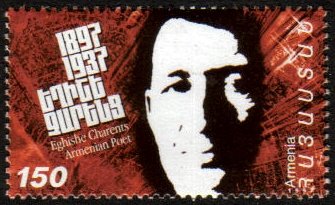
Yeghishe Charents stands as one of the most influential figures in Armenian literature and culture. His poetry and prose are deeply intertwined with Armenia’s national identity, reflecting the country’s tumultuous history and resilient spirit. Despite facing political persecution and personal tragedy, Charents’ literary achievements have left an indelible mark on Armenian society, and his legacy continues to inspire generations.
For visitors to Yerevan, exploring sites dedicated to Charents—such as the Yeghishe Charents House-Museum, the monumental statue in Circular Park, and the evocative Charents Arch near Garni—offers not only insight into his life and work, but also a deeper connection to Armenia’s cultural endurance. This comprehensive guide presents detailed information on the history, cultural significance, and practical visitor details for these key sites, including visiting hours, ticket prices, guided tours, accessibility, and nearby attractions.
Official resources for planning your visit include the Yeghishe Charents House-Museum official page, the Yerevan Tourism site, Armenian Explorer, and Advantour.
- Early Life and Background
- Literary Development and Influences
- Political Engagement and Revolutionary Activity
- Literary Achievements and Style
- Personal Struggles and Tragic End
- Rehabilitation and Enduring Legacy
- Visiting Yeghishe Charents Sites in Yerevan
- Cultural Significance and Charents in World Literature
- Practical Insights and Travel Tips
- Frequently Asked Questions (FAQs)
- Contact Information and Useful Resources
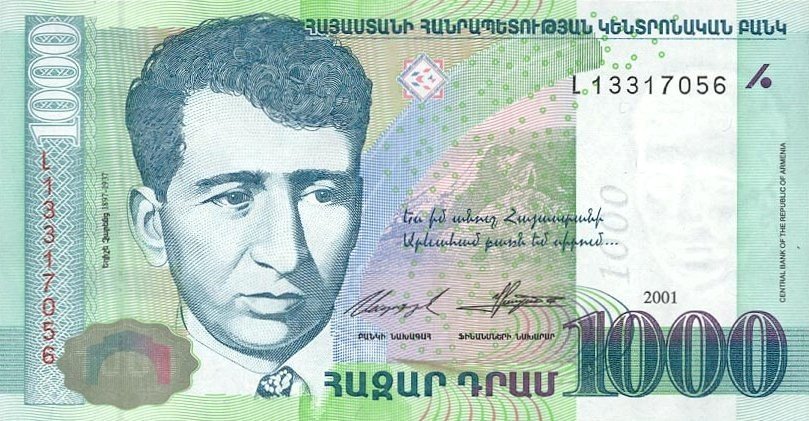

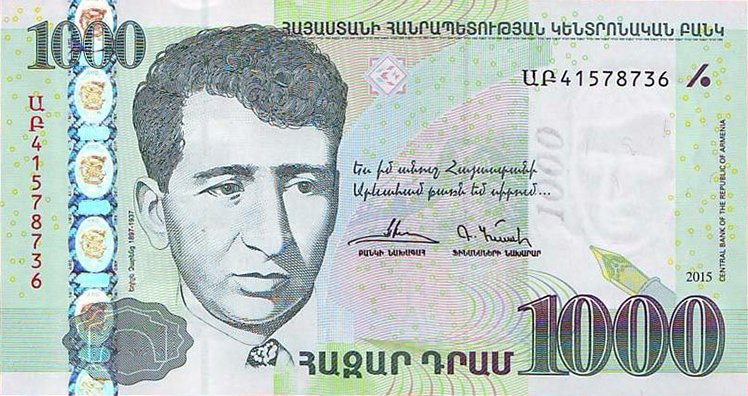
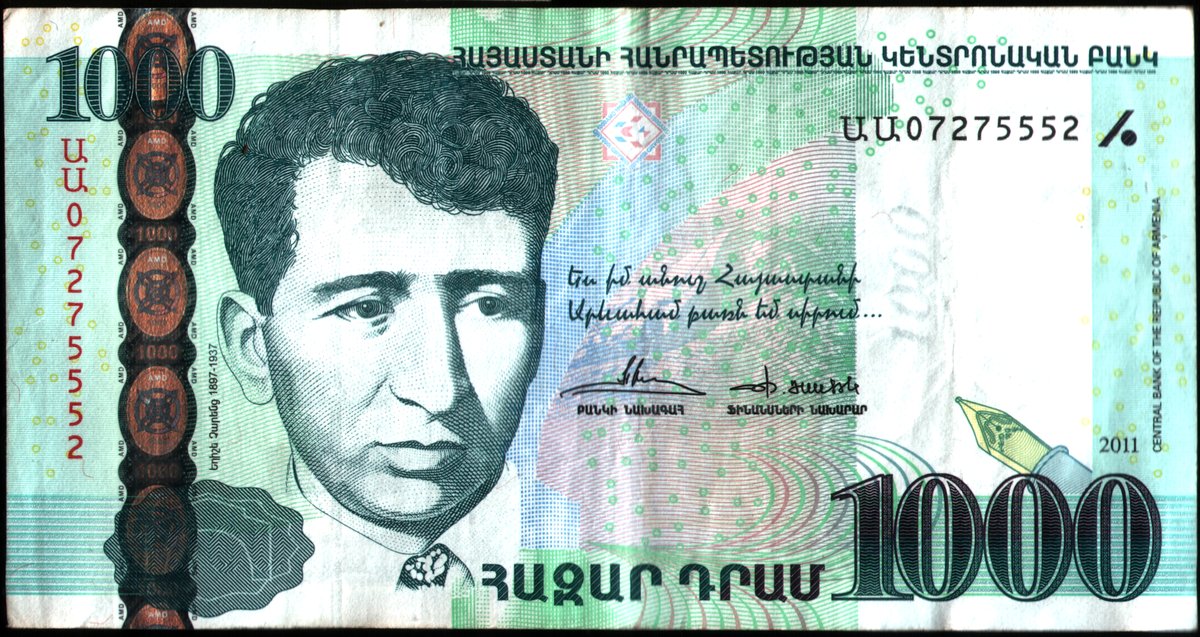
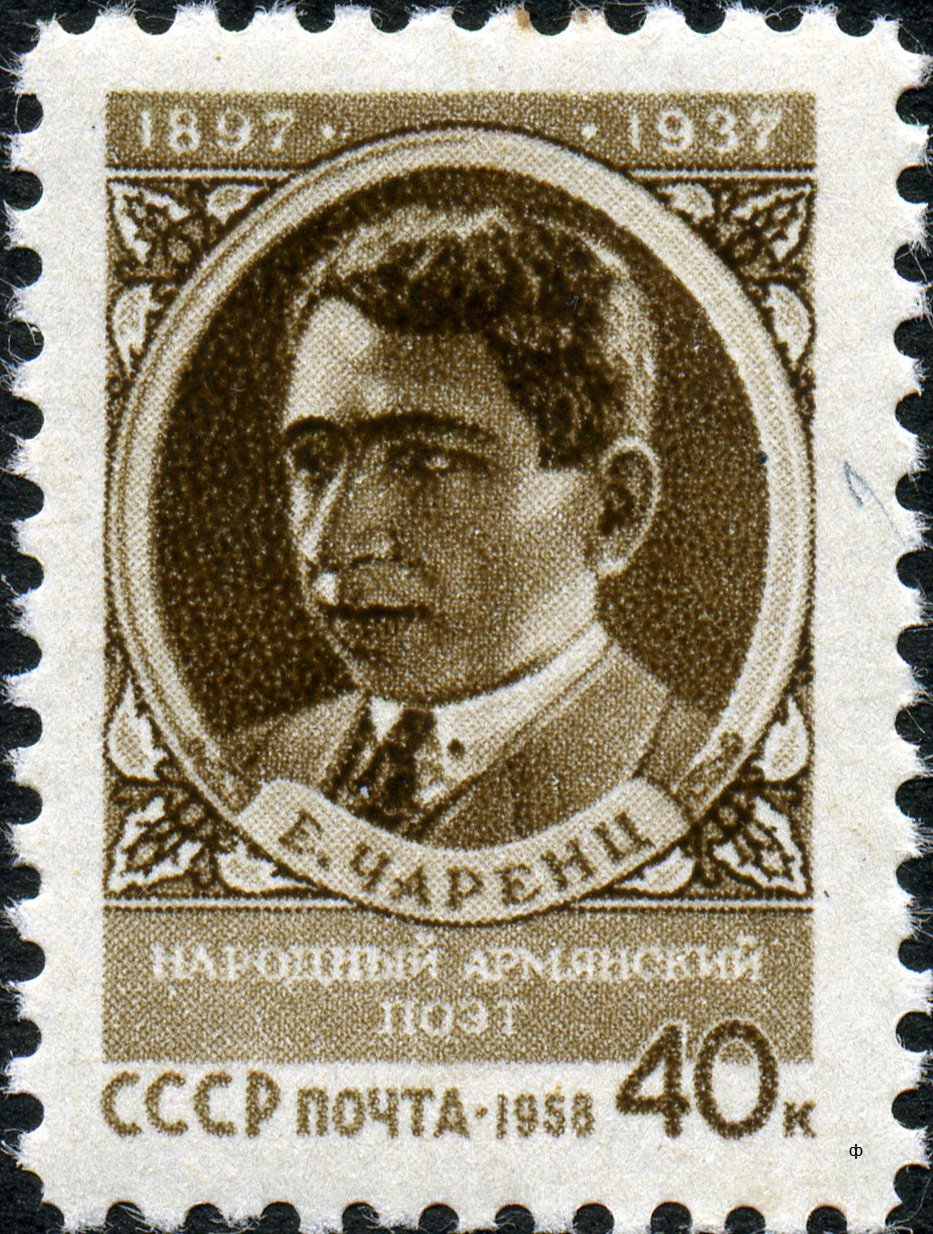
Early Life and Background
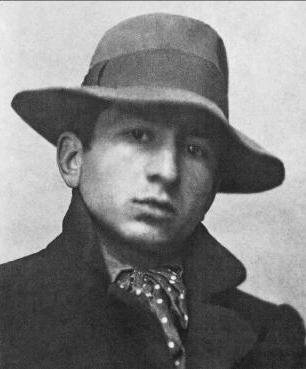
Yeghishe Charents (Armenian: Եղիշե Չարենց), born Yeghishe Abgari Soghomonyan in 1897 in Kars, then part of the Russian Empire, hailed from a family with roots in the Armenian community of Maku, Persian Armenia (Wikipedia). His early education began at an Armenian elementary school before attending a Russian technical school in Kars between 1908 and 1912. Charents’ passion for literature manifested early, with his first poem published at the age of 15 in the Armenian periodical Patani in Tiflis, marking the beginning of a prolific literary journey.
Literary Development and Influences
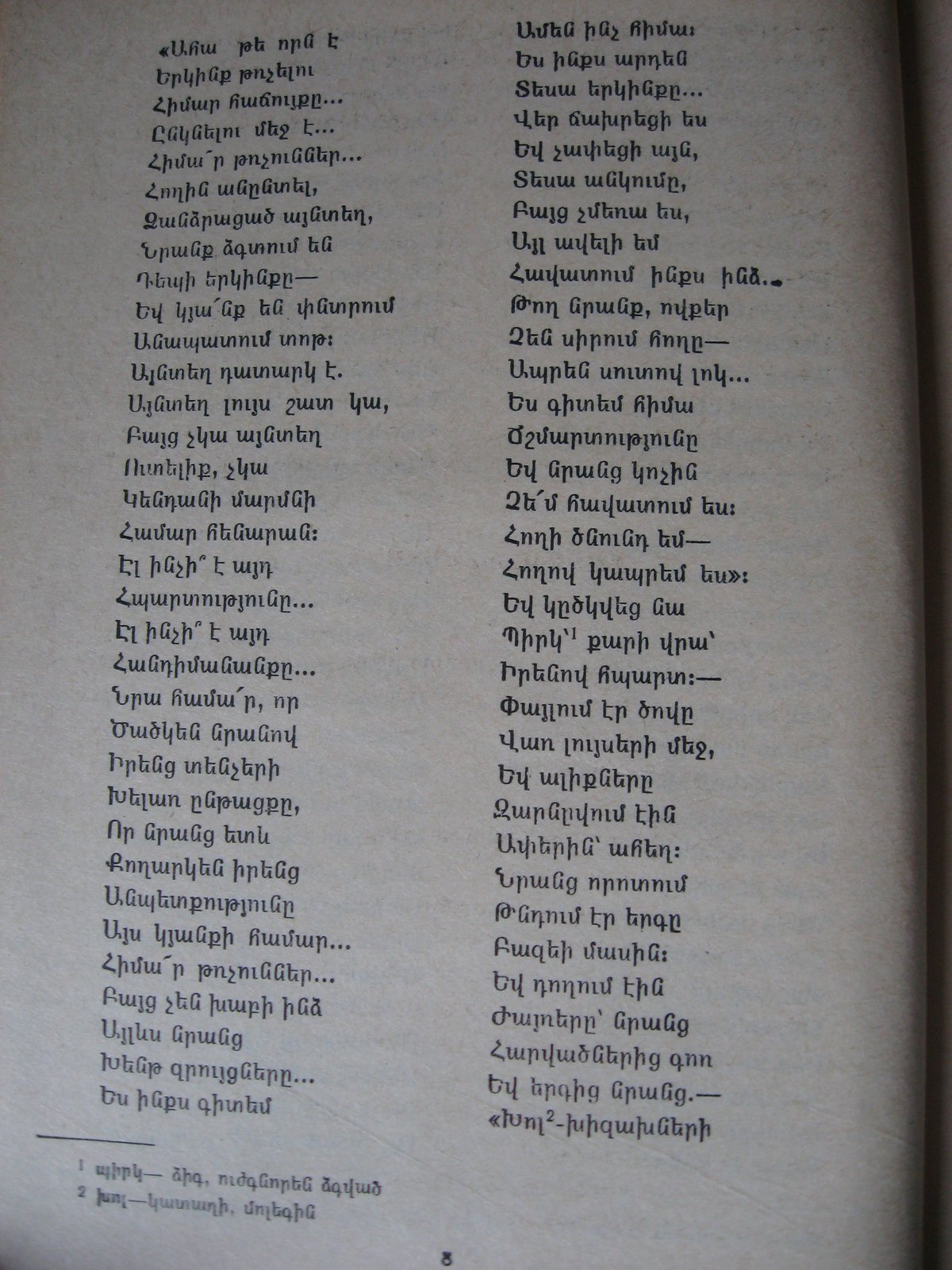
Charents’ formative years coincided with the outbreak of World War I and the Armenian Genocide, events that profoundly influenced his worldview. Volunteering on the Caucasian Front, he witnessed the suffering of the Armenian people, experiences that became central themes in his poetry—most notably in Danteakan araspel (“Dantesque Legend,” 1916), which explores death and destruction alongside hope (Wikipedia). Later, his studies at Shanyavski People’s University in Moscow exposed him to new literary and political ideas, reinforcing his commitment to revolutionary ideals.
Political Engagement and Revolutionary Activity
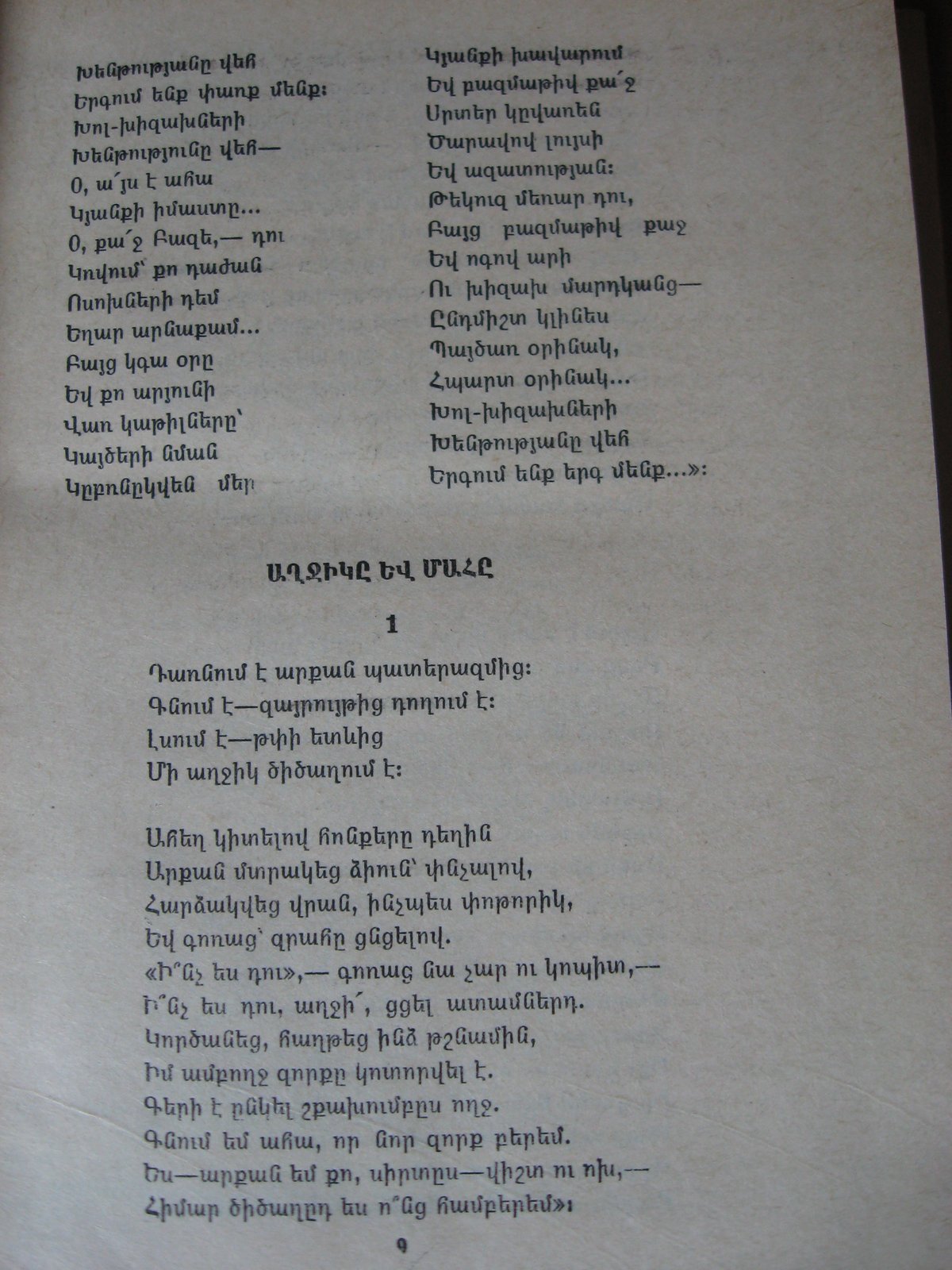
Charents’ return to Armenia in 1919 saw him actively involved in revolutionary causes, including participation in the 1921 anti-Soviet rebellion. He worked at the Ministry of Education, leading the Art Department, and advocated for both Armenian national identity and wider proletarian internationalism (Wikipedia). His poetry from this period, such as the iconic “Yes im anush Hayastani arevaham barn em sirum” (“I love the sun-flavored fruit of my sweet Armenia”), remains one of Armenia’s most beloved works.
Literary Achievements and Style
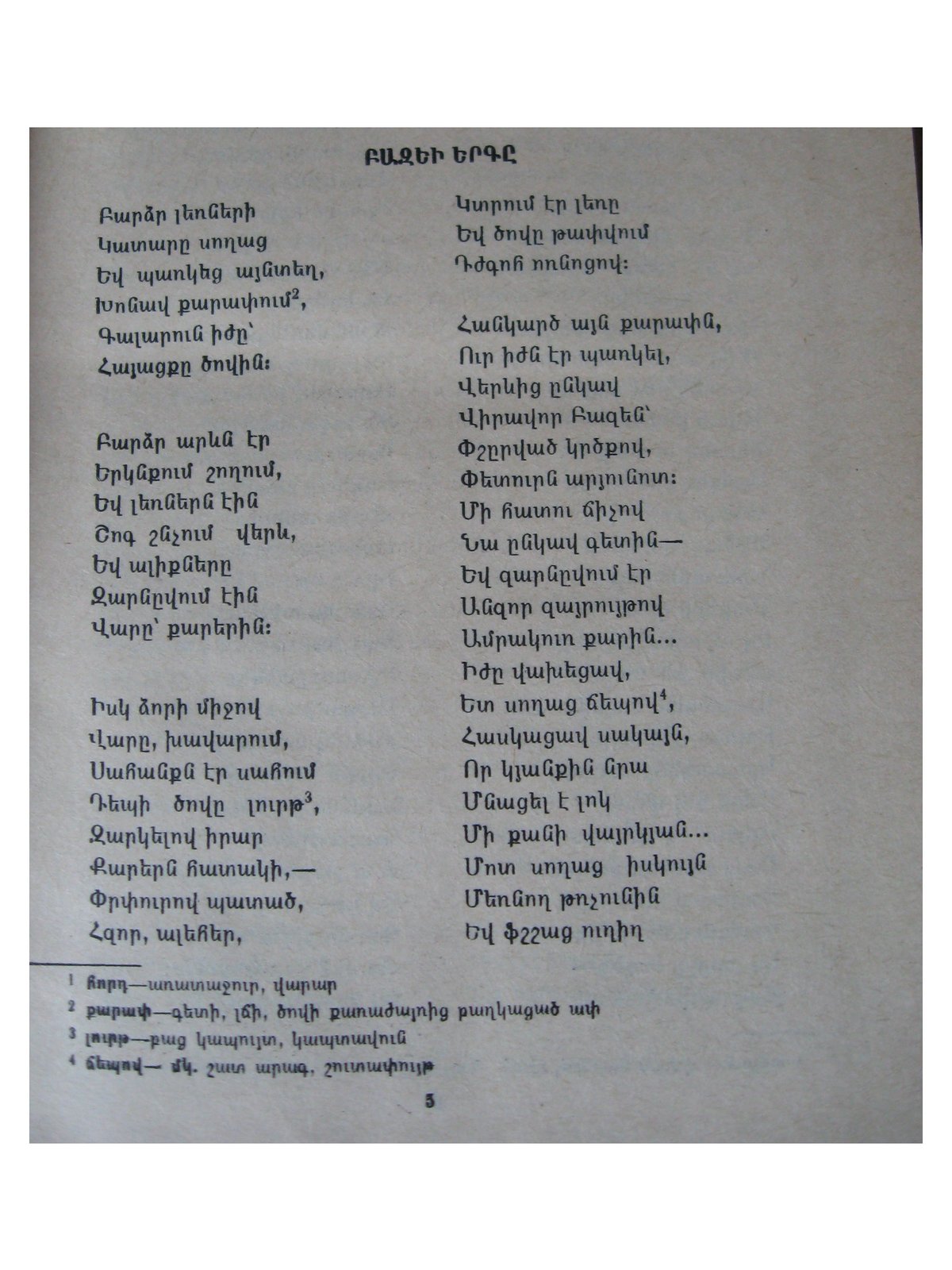
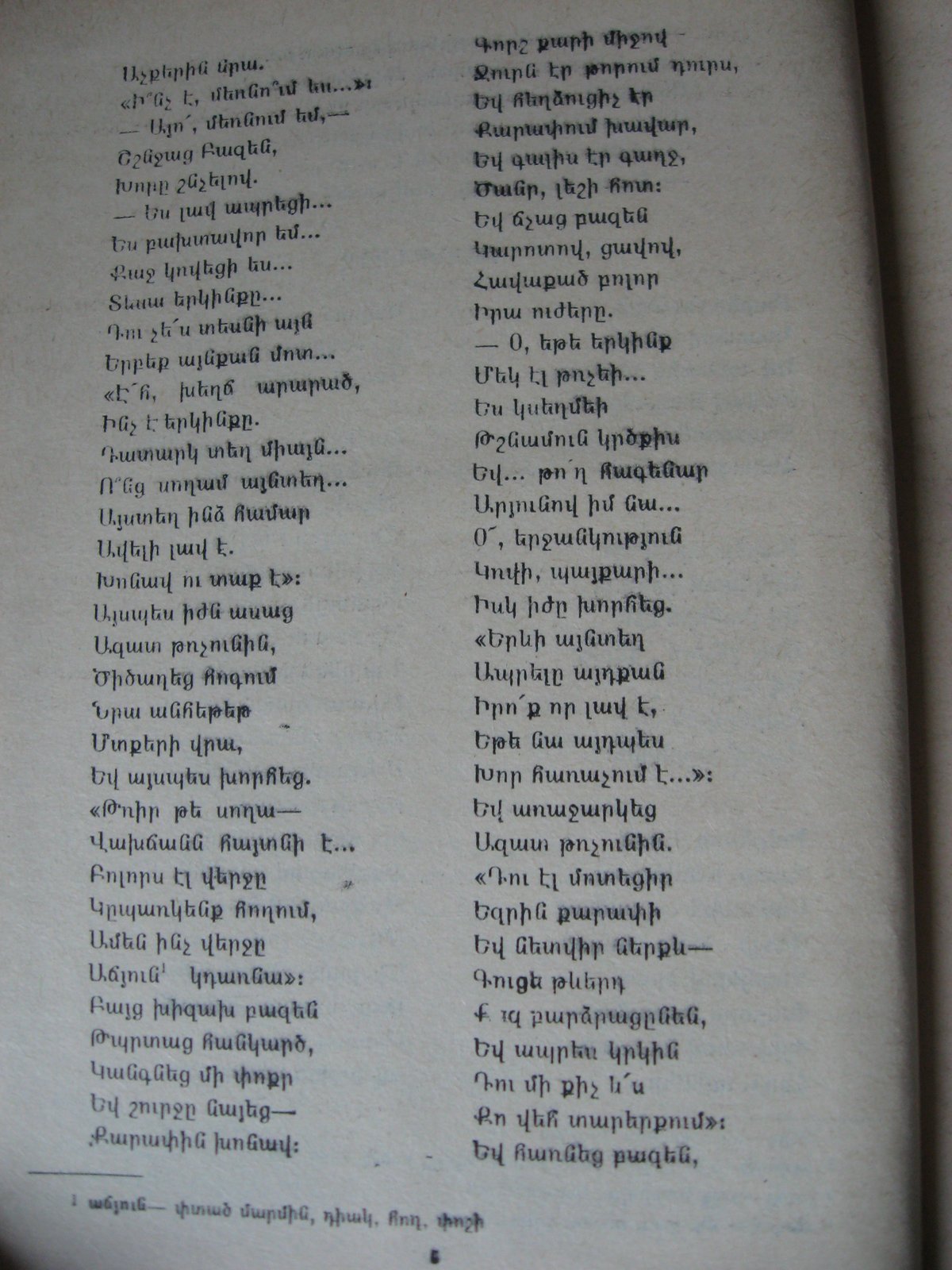
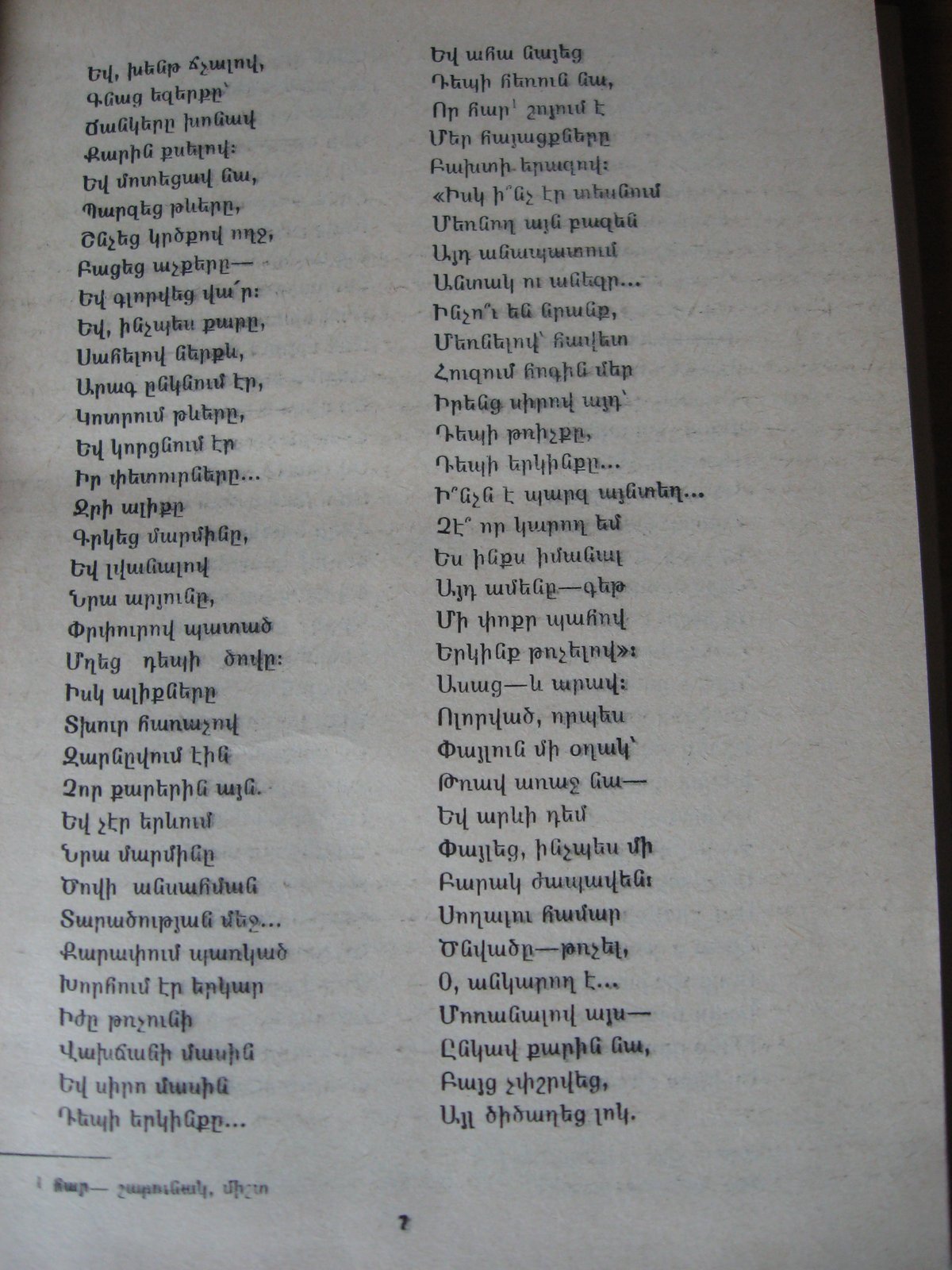
Often regarded as “the main poet of the 20th century” in Armenia, Charents played a pivotal role in shaping modern Armenian literature (Wikipedia). His work integrates modernist and futurist influences, adapting them to the Armenian context. Major works include Epic Dawn (1930) and The Book of The Way (1933), the latter offering a sweeping panorama of Armenian history. Charents also translated significant literary works into Armenian, further enriching the country’s literary tradition.
Personal Struggles and Tragic End
Charents’ personal life was marked by profound loss and hardship. The death of his first wife, Arpenik Ter-Astvatsatryan, in 1927 deeply affected him. Later, he married Izabella Kodabashyan and had two daughters. His later years were troubled by addiction and political persecution; he was imprisoned briefly in 1926 for a personal incident (Wikipedia). During Stalin’s Great Purge, Charents was arrested for alleged “counterrevolutionary and nationalist activity” and died in prison in 1937. His burial place remains unknown, and his works were banned for 17 years, surviving only thanks to the efforts of his friend Regina Ghazaryan.
Rehabilitation and Enduring Legacy
Charents’ rehabilitation began in the 1950s, with his literary legacy restored and studied widely. Researchers such as Simon Hakobyan and Norayr Dabaghyan have contributed to the scholarly understanding of Charents’ impact (Wikipedia). Today, Charents is celebrated not only for his literary genius but also as a symbol of Armenian resilience and creativity, with his works widely read and commemorated through monuments, museums, and academic conferences.
Visiting Yeghishe Charents Sites in Yerevan
Yeghishe Charents House-Museum: Hours, Tickets, and Tours
Location: 17 Mashtots Avenue, Yerevan, Armenia (visityerevan.am)
Visiting Hours:
- Monday: 11:00–16:00
- Tuesday–Thursday: 11:00–18:00
- Friday–Saturday: 11:00–21:00
- Sunday: Closed
(charents.am)
Ticket Prices (as of June 2025):
- Adults: 1,500 AMD
- Pupils, students, pensioners: 750 AMD
- Children under 12 (RA citizens): Free
- Temporary exhibitions: 700 AMD
- Educational programs: 1,000 AMD
Guided Tours: - Armenian: 3,000–4,000 AMD
- Russian, English, or French: 4,500–5,000 AMD
- Free entry for RA citizens on the last Saturday of each month (except May and September; guided tours not included)
Booking: Advance booking is recommended for guided tours (charents.am). Walk-ins are welcome, but space may be limited during peak times.
Accessibility: While the museum preserves its original 1930s layout, elevator access is limited and some areas are accessible only by stairs.
Museum Highlights:
- Thematic halls depicting Charents’ life and creative journey
- The Memorial House, with original furnishings and personal artifacts
- Charents’ annotated personal library and rare manuscripts
- Rotating temporary exhibitions and educational programs
Visitor Tips:
- Non-flash photography may be permitted in some areas; confirm with staff
- Guided tours are available in Armenian, Russian, English, and French
- Cash is preferred for ticket purchases
Yeghishe Charents Monument in Circular Park
Location: Intersection of Sayat-Nova Avenue, Khanjyan, and Alek Manukyan Streets, Yerevan
Visiting Hours: Open 24/7 as a public outdoor site
Admission: Free
Monument Details:
Unveiled in 1985, this 18.5-meter bronze monument by architect Jim Torosyan and sculptor Nikoghayos Nikoghosyan features Charents’ contemplative visage flanked by symbolic figures and 40 fountains representing his years of life (Kathmandu & Beyond). The site is a focal point for cultural events and commemorations.
Charents Arch: History, Symbolism, and Visitor Guide
Location: Near Voghjaberd village, 14–15 km east of Yerevan, along the Yerevan-Garni highway (Wikipedia)
Historical Background:
Constructed in 1957 by architect Rafael Israelyan, the Charents Arch frames a striking view of Mount Ararat, a motif central to Charents’ poetry (Advantour). The arch is both a memorial to Charents and a symbolic “temple of Ararat,” reflecting national pride and remembrance for victims of Stalinist purges.
Architectural Features:
- Constructed from basalt and native orange tuff
- Rectangular, measuring 10m x 5.5m x 5m
- Engraved with Charents’ famous poem about Mount Ararat
- Approached by tree-lined steps, with benches and a white cross emphasizing its contemplative nature (Armenian Explorer)
Visiting Hours & Fees:
- Open year-round, no official opening/closing times
- Admission is free (Hyur Service)
Accessibility & Tours:
- Steps lead to the arch; not fully accessible for those with mobility challenges
- Included in many Garni-Geghard day tours (GetYourGuide)
Best Visiting Season:
- March to November for clear views of Mount Ararat, but accessible year-round
Nearby Attractions:
- Garni Temple, Geghard Monastery, Azat Canyon, and more
Cultural Significance and Charents in World Literature
Charents’ poetry is a cornerstone of Armenian modernism, blending personal and collective themes with innovative literary techniques. His influence extends into world literature, with works analyzed by scholars such as Marc Nichanian and Krikor Beledian (Wikipedia). Monuments and museums dedicated to Charents serve as powerful reminders of Armenia’s turbulent past and the unbreakable spirit of its people.
Practical Insights and Travel Tips
- Currency: Armenian dram (AMD); cash recommended at museums
- Dress Respectfully: Particularly in memorial and historical spaces
- Photography: Confirm policies at each site; drone use permitted at Charents Arch with caution
- Transport: Museums and monument are centrally located in Yerevan; Charents Arch is best visited by car/taxi or as part of a tour
- Suggested Itineraries: Combine Charents sites with Yerevan’s Cascade Complex, National Gallery, Garni Temple, and Geghard Monastery
Frequently Asked Questions (FAQs)
Q: What are the visiting hours for the Yeghishe Charents House-Museum?
A: Monday 11:00–16:00; Tuesday–Thursday 11:00–18:00; Friday–Saturday 11:00–21:00; Sunday closed. (charents.am)
Q: How much are tickets to the House-Museum?
A: 1,500 AMD for adults; 750 AMD for students/pensioners; free for children under 12 (RA citizens).
Q: Is the Charents Monument in Circular Park free to visit?
A: Yes, it is an open public site accessible at any time.
Q: How do I reach Charents Arch?
A: About 30–35 minutes by car from Yerevan via the Yerevan-Garni highway. Included in many local tours.
Q: Are guided tours available in English?
A: Yes, at the House-Museum and through tour operators for Charents Arch.
Q: Is photography allowed?
A: Generally permitted outdoors; confirm at museums regarding interior photography.
Summary
Exploring Yeghishe Charents’ museums and monuments in Yerevan and beyond offers a unique window into Armenian literary heritage and resilience. Each site—from the intimate House-Museum and grand city monument to the panoramic Charents Arch—encapsulates aspects of Charents’ life, creative vision, and the Armenian spirit.
To maximize your visit, use digital tools like the Audiala app for audio guides, and consult official websites for up-to-date information on hours, tickets, tours, and events. Combine Charents sites with other historic and cultural attractions in Yerevan for a rich and memorable experience.
Listen to the full story in the app
The whole Yeghishe Charents,
told well.
Audio guides for 1,100+ cities across 96 countries. History, stories, and local insight — offline ready.

Verified, and shown.
Researched and written by the Audiala editorial team from historical records, architectural archives, and local expertise.
Researched from Wikidata, Wikipedia & official sources · fact-checked · How we make our guides →