Plan and listen to Surb Zoravor Astvatsatsin Church with Audiala.
Audio guide in your pocket, itinerary in your browser. Built for the way you actually visit.
Introduction
Surb Zoravor Astvatsatsin Church, also known as the Holy Mother of God Zoravor Church, is a cornerstone of Yerevan’s spiritual and cultural landscape. Situated in the historic Shahar district, it is among the city’s oldest surviving churches and is renowned for its architectural beauty, deep religious significance, and enduring role in Armenian history. This guide provides an in-depth look at its origins, architectural features, cultural importance, and practical visitor information, including opening hours, admission details, accessibility, and nearby attractions. Whether you are a pilgrim, history enthusiast, or traveler, this church offers a profound window into Armenia’s rich heritage (armenian-history.com; armeniadiscovery.com; eurasia.travel).

Historical Background
Early Origins and Spiritual Foundations
The church’s origins are rooted in the late 17th century, constructed on the site of an earlier chapel dedicated to St. Ananias, a disciple of the apostles. The name “Zoravor” means “Powerful” in Armenian, referencing both the church’s association with the revered Zoravor Bible and its role as a spiritual stronghold for the local community (armenian-history.com; armeniadiscovery.com). The church became a center for education and pilgrimage, especially due to its connection to the tomb of St. Ananias the Apostle (everything.explained.today; en.wikipedia.org).
Architectural Evolution and Resilience
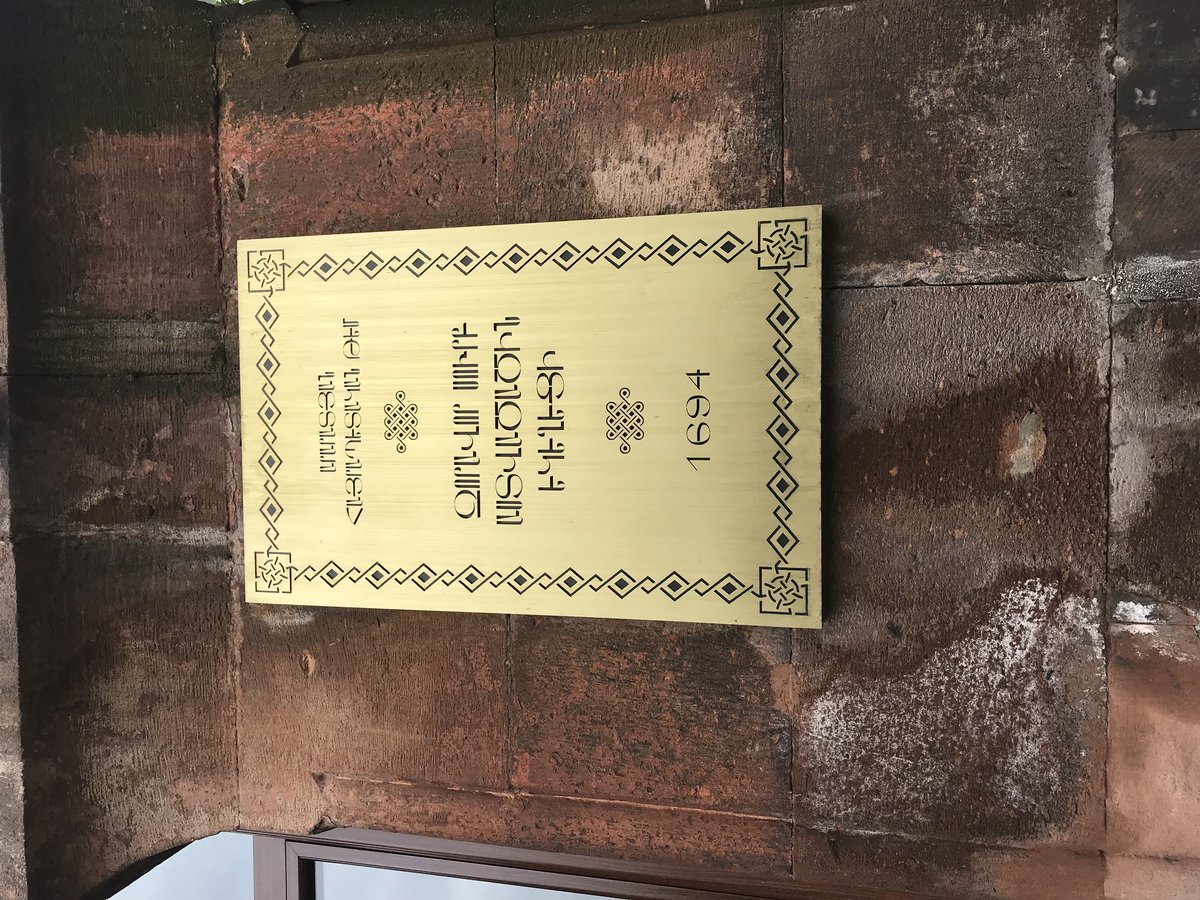
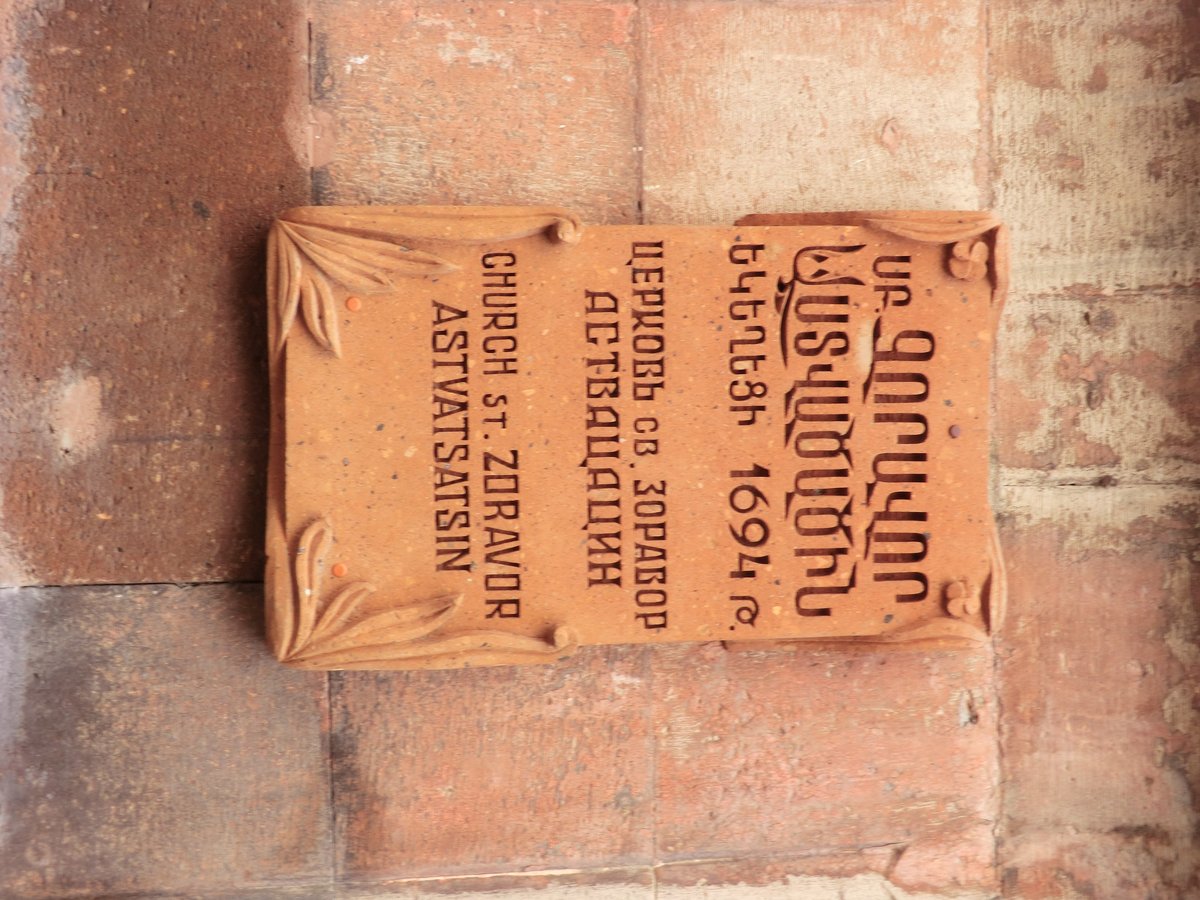
The original monastic complex was established in the 17th century by Abbot Movses Syunetzi, with support from Yerevan's residents. It included the main sanctuary, monastic school, diocesan chambers, and fortified walls (armenian-history.com). After the 1679 earthquake destroyed the monastery, the current church was rebuilt in 1693–94 through the patronage of Khoja Panos. An inscription later notes renovation by Gabriel Haryurapet during Catholicos Luke I’s tenure (everything.explained.today; en.wikipedia.org).
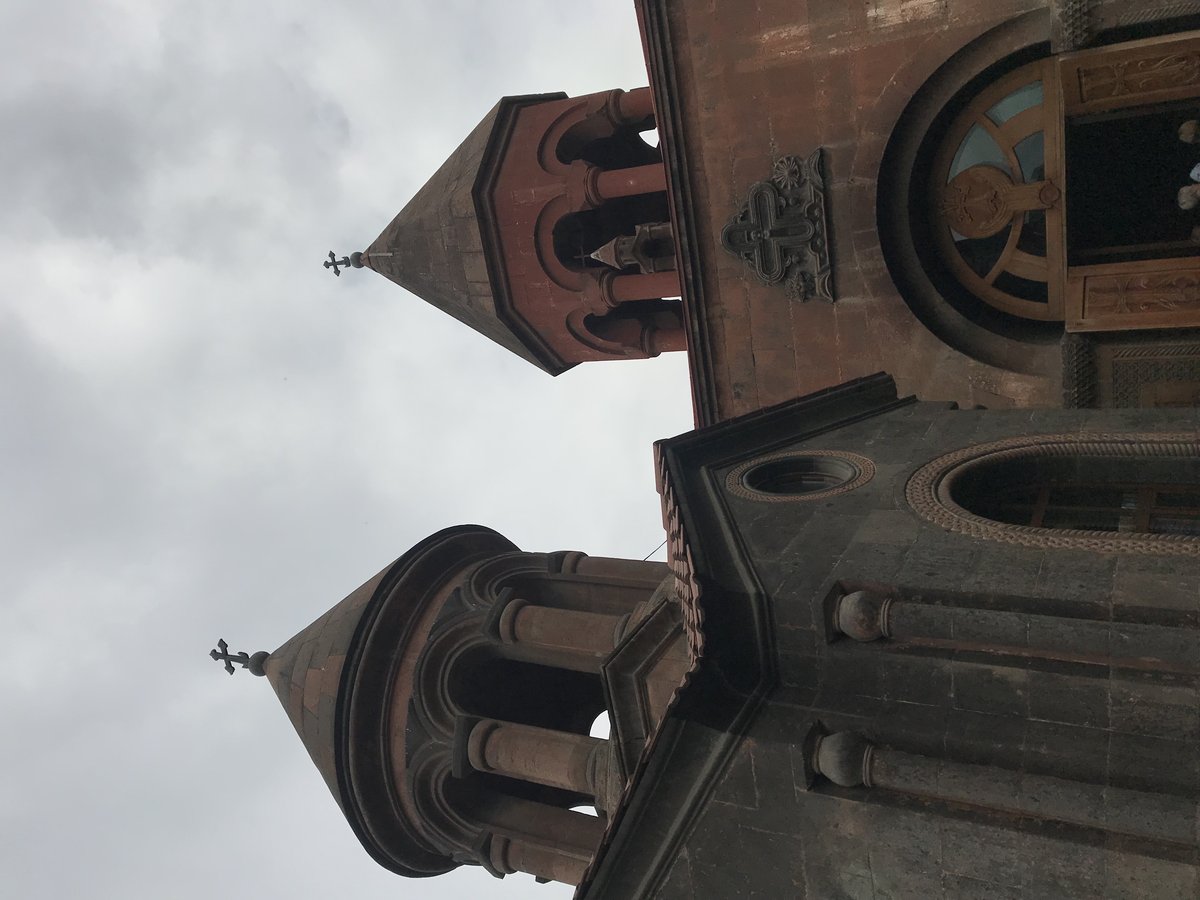
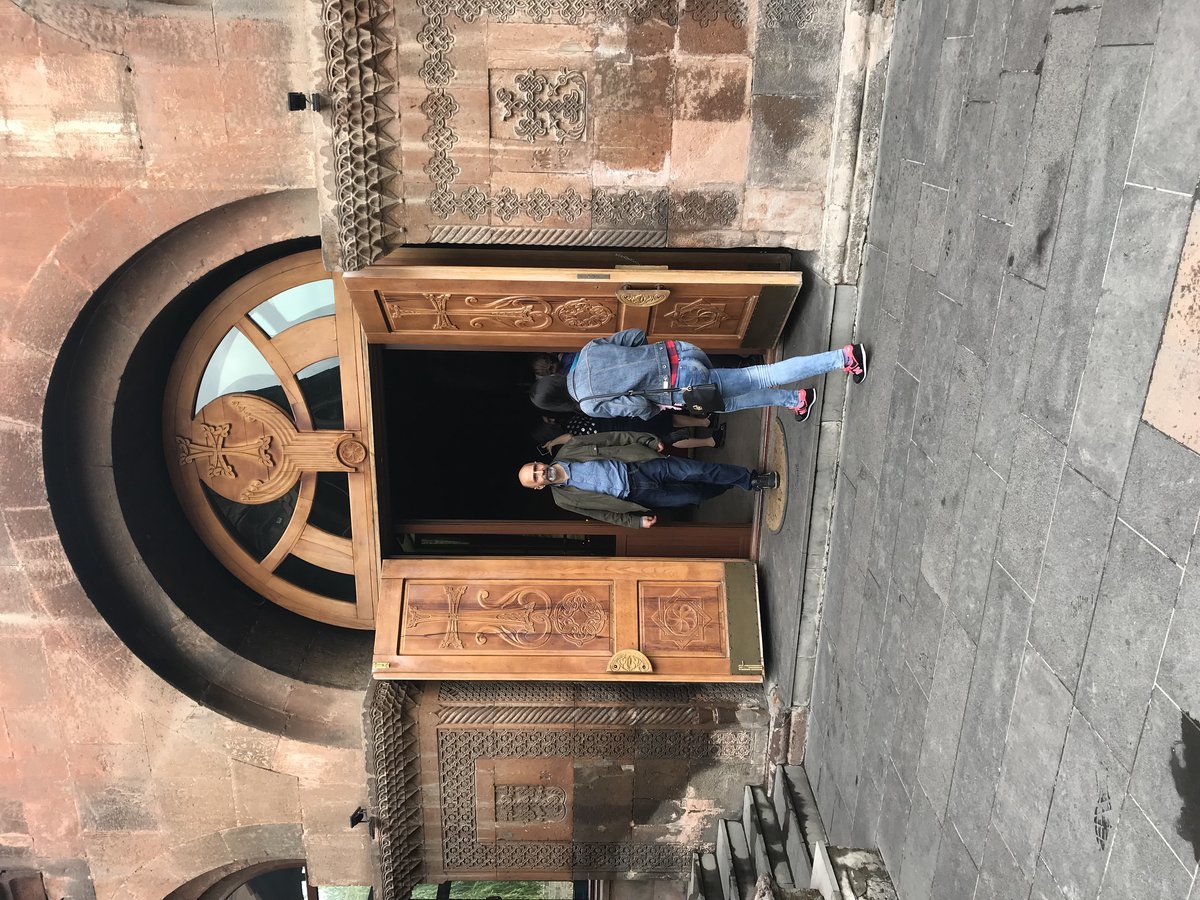
The church’s architecture is a three-nave basilica without a dome—an archetype of Armenian ecclesiastical design. Constructed primarily from red and black tufa stone, its austere exterior is adorned with beautifully carved 17th-century khachkars (Armenian cross-stones) and decorative columns, reflecting Armenian artistic heritage (tripjive.com). The Saint Ananias Chapel, added in 1889, further enhances the site’s spiritual significance.
Soviet Era and Restoration
Like many religious sites, Surb Zoravor Astvatsatsin Church faced secularization during the Soviet period but survived as a symbol of Armenian faith. In the 1970s, it was returned to the Armenian Apostolic Church and underwent extensive restoration, funded by benefactor Sarkis Petrosyan. Restoration efforts included structural repairs, new facilities for clergy, and the revitalization of the St. Ananias Chapel (armenian-history.com; armeniadiscovery.com).
Today, the church is an active parish, hosting regular services, religious festivals, and community events, while remaining a focal point for both locals and visitors.
Architectural and Artistic Highlights
Exterior and Construction
- Materials: Built primarily from local red and black tufa stone, offering both resilience and aesthetic distinction (tripjive.com).
- Design: The rectangular basilica has a three-nave layout, a semicircular apse, and a tri-vaulted porch.
- Decorative Elements: 17th-century khachkars and modestly decorated portals with Armenian inscriptions.
Interior and Features
- Bell Tower: The octagonal bell tower above the western entrance is a classic element of Armenian church architecture.
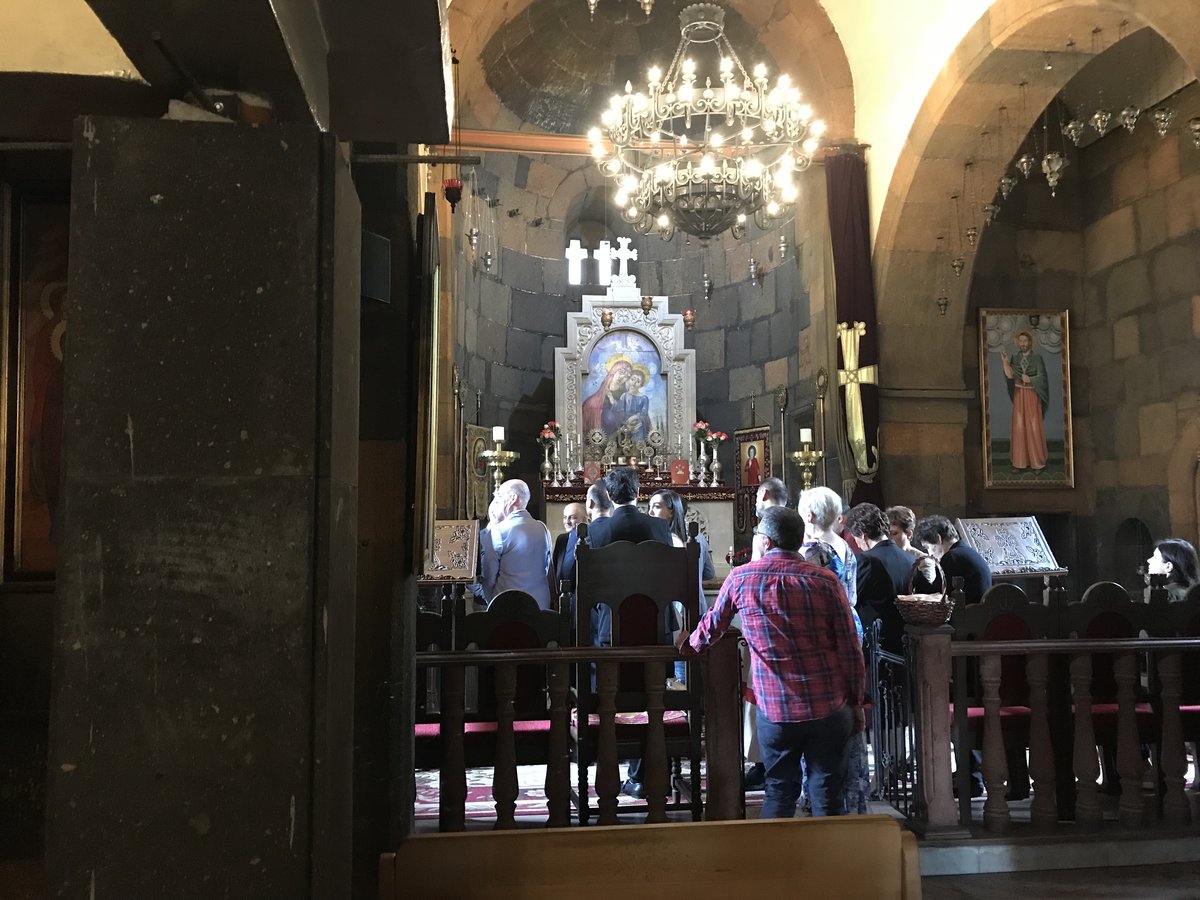
- Frescoes and Icons: Notable interior artworks include icons and frescoes, such as the Virgin Mary with the Christ Child by Naghash Hovnatan.
- Saint Ananias Chapel: A barrel-vaulted chamber adjacent to the main sanctuary, housing relics and attracting pilgrims.
Atmosphere and Courtyard
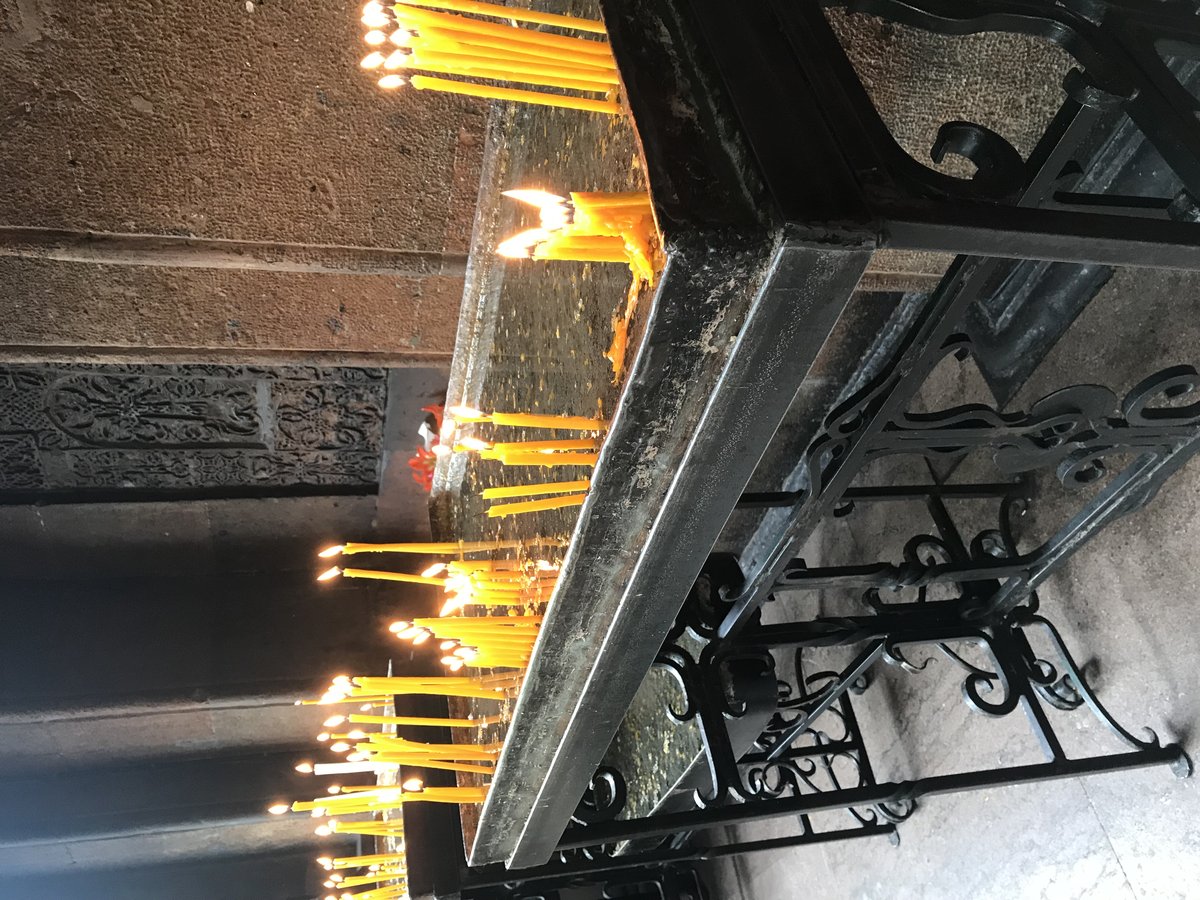
- The church is set in a tranquil, tree-shaded courtyard, enhancing the visitor’s sense of retreat. The peaceful ambiance, filtered natural light, and presence of votive candles create an atmosphere conducive to contemplation and worship.
Visiting Surb Zoravor Astvatsatsin Church
Opening Hours
- General Hours: The church is typically open daily from 8:00 AM to 7:00 PM. These hours may vary during religious holidays or special events. Some sources list hours as 9:00 AM to 6:00 PM, or 10:00 AM to 5:00 PM Tuesday through Sunday, so it’s advisable to check with the church administration for the most current schedule (Zaubee; In Your Pocket).
Tickets and Admission
- Entry: Admission is free of charge for general visits. Donations are appreciated and help support ongoing maintenance and restoration efforts.
- Special Events/Tours: Certain religious ceremonies or guided tours may require advance booking or a fee.
Accessibility
- Physical Access: Located at 9 Ghazar Parpetsi Street in Yerevan’s Kentron district, the church is accessible by public transportation, taxi, or on foot from Republic Square and other central landmarks.
- Mobility: The main nave is accessible, but the presence of steps and uneven surfaces at the entrance and in the Saint Ananias Chapel may limit access for visitors with mobility challenges. Contact the church in advance for assistance.
Dress Code and Etiquette
- Attire: Modest dress is expected. Men should remove hats; women may wish to cover their heads.
- Behavior: Respectful conduct is required, especially during services. Photography is generally allowed (without flash), but always ask for permission during religious ceremonies.
Guided Tours
- Guided tours can be arranged through local operators or by contacting the church administration. These tours provide detailed insights into the church’s history, architecture, and religious functions.
Unique Features and Visitor Experience
- Khachkars: Admire the intricate stone carvings embedded in the church’s exterior and interior.
- Saint Ananias Chapel: Visit the chapel to view the relics and experience its spiritual atmosphere.
- Cultural Events: Attend special religious festivals or cultural programs hosted by the church.
- Courtyard: Relax in the serene courtyard, which offers a unique opportunity for reflection away from the bustle of the city.
Nearby Attractions
Surb Zoravor Astvatsatsin Church’s central location makes it an ideal starting point for exploring Yerevan’s historical and cultural sites. Nearby attractions include:
- Vernissage Market: Open-air market for local crafts and souvenirs.
- History Museum of Armenia: Extensive collection of Armenian artifacts.
- Opera House and Cafesjian Center for the Arts: Major cultural venues.
- Other Historic Churches: Katoghike Holy Mother of God Church and Saint Gregory the Illuminator Cathedral.
Visitor Reviews and Tips
Surb Zoravor Astvatsatsin Church is highly rated by visitors for its peaceful ambiance, welcoming atmosphere, and architectural charm (Zaubee). Travelers recommend spending 30–45 minutes exploring the church and courtyard, and attending a service for a deeper cultural experience.
Travel Tips:
- Dress modestly and behave respectfully inside the church.
- Visit early in the morning or late afternoon to avoid crowds.
- Donations support the church’s preservation.
Frequently Asked Questions (FAQ)
Q: What are the Surb Zoravor Astvatsatsin Church visiting hours?
A: The church is typically open daily from 8:00 AM to 7:00 PM, but check with the church for any changes.
Q: Is there an admission fee or ticket required?
A: No, entry is free; donations are welcome.
Q: Are guided tours available?
A: Yes, they can be arranged through local operators or the church.
Q: Is the church accessible for people with disabilities?
A: The main nave is accessible, but some areas (like the Saint Ananias Chapel) may be difficult to reach due to steps.
Q: Can I take photographs inside the church?
A: Photography is generally allowed, but please be discreet and respectful during services.
Q: What is the dress code?
A: Modest attire; men should remove hats, and women may cover their heads.
Internal and External Links
Listen to the full story in the app
The whole Surb Zoravor Astvatsatsin Church,
told well.
Audio guides for 1,100+ cities across 96 countries. History, stories, and local insight — offline ready.
Verified, and shown.
Researched and written by the Audiala editorial team from historical records, architectural archives, and local expertise.
Researched from Wikidata, Wikipedia & official sources · fact-checked · How we make our guides →