Plan and listen to Saint Hakob Church Of Kanaker with Audiala.
Audio guide in your pocket, itinerary in your browser. Built for the way you actually visit.
Introduction: The Significance of Saint Hakob Church in Yerevan
Saint Hakob Church of Kanaker, also known as Surb Hakob (Սուրբ Հակոբ Եկեղեցի), stands as a testament to Armenia’s enduring Christian heritage and cultural resilience. Located in the Kanaker-Zeytun district of Yerevan, this late 17th-century Armenian Apostolic church is renowned for its striking architecture, historic legacy, and vibrant role in community life. Rebuilt in 1695 after the devastating 1679 Yerevan earthquake with support from Hakobjan, a Tbilisi merchant, Saint Hakob Church embodies the unity and faith of Armenians across the region.
The church’s triple-nave basilica design, off-center dome, ornate stone carvings, and ancient khachkars are emblematic of Armenia’s rich liturgical and artistic traditions. Beyond its architectural splendor, Saint Hakob Church has long served as a center for education, spiritual leadership, and cultural preservation, making it a must-visit destination for pilgrims, history enthusiasts, and travelers to Yerevan.
For up-to-date visitor information and guided tours, consult official tourism resources and the church administration. This guide provides a comprehensive overview of the church’s history, architecture, cultural significance, and all practical details to ensure a rewarding visit (Armenian Architecture, Absolute Armenia, EVN Report).
Church Origins and Historical Background
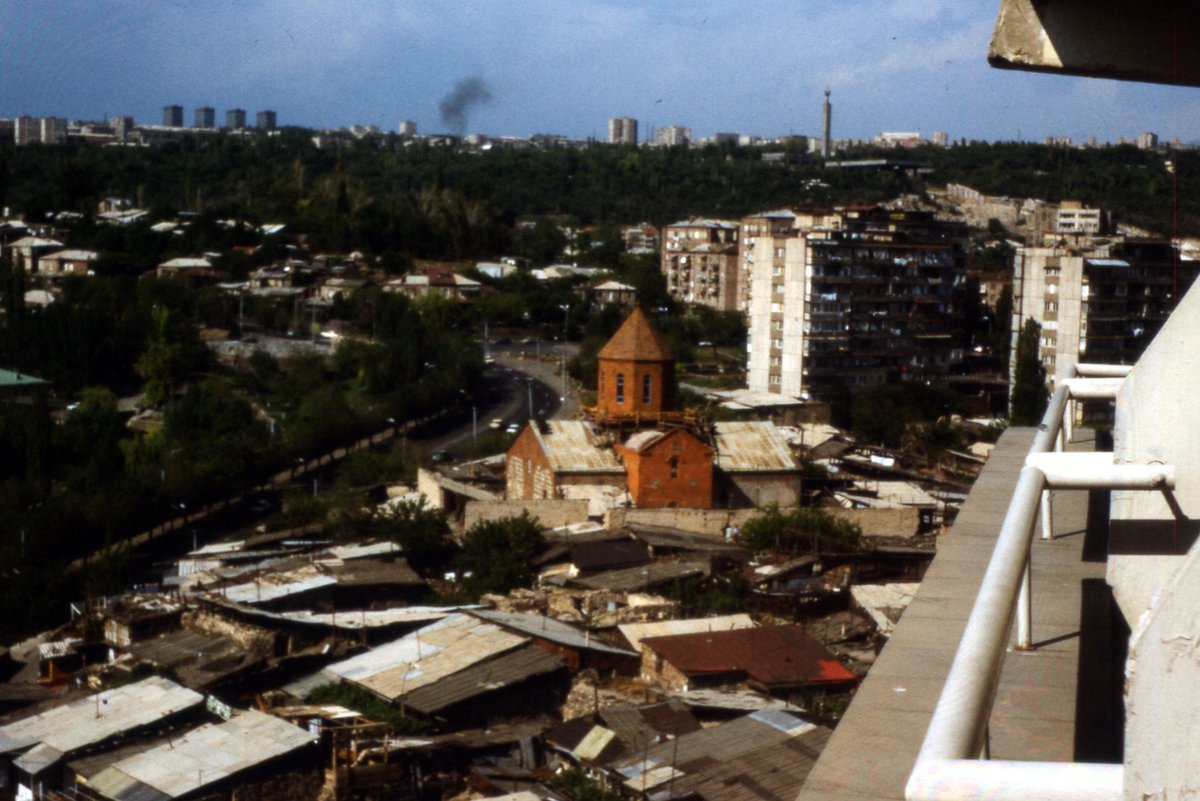
Saint Hakob Church’s origins trace back to the aftermath of the 1679 earthquake that devastated much of Yerevan. The church was rebuilt in 1695, thanks to the benefaction of Hakobjan from Tbilisi, symbolizing the enduring faith and solidarity of Armenian communities throughout the region. From its inception, the church has stood as a landmark of spiritual and social life, originally serving the separate village of Kanaker before its integration into the expanding city of Yerevan.
Over the centuries, Saint Hakob Church has withstood natural disasters, periods of closure during the Soviet era, and subsequent restoration. It remains one of the city’s most important ecclesiastical monuments and a focal point for both worship and cultural memory.
Architectural Features and Artistic Highlights
Exterior and Layout
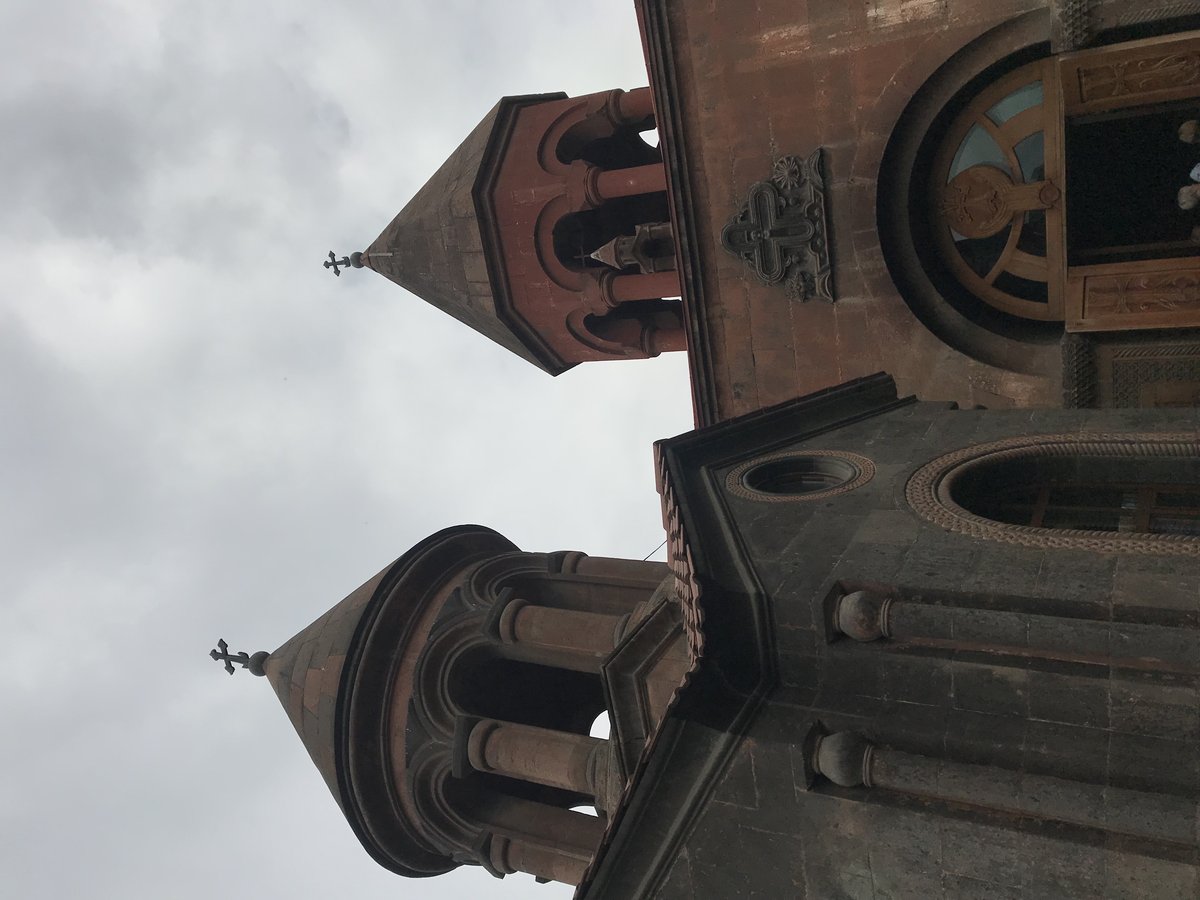
The church is a superb late-medieval Armenian basilica, constructed primarily from pink and black tufa stone. Its cruciform plan features a triple-nave layout and a distinctive single dome, slightly off-center, set atop a gabled roof. A low stone wall encloses a courtyard adorned with khachkars (carved cross-stones), lending a contemplative atmosphere (Armenian Architecture).
The western entrance is framed by intricate Armenian stone carvings—interlaced bands, rosettes, and stylized crosses—while the church’s orange and grey façade stands out against the Kanaker skyline.
Interior Design and Ornamentation
Upon entering, visitors are greeted by a harmonious interplay of light, shadow, and color. The central nave, flanked by aisles, leads to the altar apse. Barrel vaults and the majestic dome create a sense of verticality and reverence. Walls are adorned with frescoes and icons depicting Saint James (Hakob) and other religious scenes. Ancient khachkars and inscribed stones are integrated into the structure, while preserved manuscripts and liturgical objects from the 17th and 18th centuries reflect Armenia’s deep spiritual history (Armenian Architecture).
Dome and Drum
The dome rises approximately 20 meters above ground, set on a drum with twelve narrow windows symbolizing the apostles. The transition from square nave to circular dome is achieved through pendentives—a hallmark of Armenian architectural ingenuity. The dome’s interior features frescoes of Christ Pantocrator and angelic figures, while its acoustics enhance the atmosphere during liturgical chants (Armenian Architecture).
Stonework and Inscriptions
Elaborate carvings decorate the façades, portals, and window frames. Motifs include grapevines, pomegranates, and cross patterns, symbolizing fertility and eternity. Notable inscriptions in classical Armenian commemorate the church’s rebuilding and its benefactors (Armenian Architecture).
Khachkars and Memorials
The churchyard contains a remarkable collection of khachkars, each uniquely carved, as well as memorials honoring prominent community members. These stone crosses are both works of art and expressions of faith (Armenian Architecture).
Community Role and Educational Legacy
Saint Hakob Church has long functioned as a community hub. In 1868, it became the site of the diocesan St. Sahak Partev School, fostering religious and cultural education. It also served as the seat of the bishop for a period, further cementing its ecclesiastical significance.
Restoration and Preservation
The church has undergone several phases of restoration, especially after periods of neglect and Soviet-era closure. The most recent restoration in the 1990s included structural reinforcement, fresco cleaning, and dome stabilization, supported by both state and church authorities. Ongoing preservation efforts continue to maintain the church’s architectural integrity and spiritual vibrancy (Armenian Architecture).
Cultural and Religious Significance
Armenian Apostolic Church and Identity
Saint Hakob Church is a living chapter in the story of the Armenian Apostolic Church, the world’s first national Christian church. The church embodies the deep connection between faith and Armenian identity, especially significant in a nation that adopted Christianity as its state religion in 301 AD (Academia.edu).
Martyrdom and Saints
The veneration of saints and martyrs, such as Vardan Mamikonyan, is central to Armenian Christianity and is reflected in the church’s iconography and commemorative practices.
Liturgical Life and Community
Regular services are conducted in Classical Armenian (Grabar), and the church remains a hub for baptisms, weddings, funerals, and major religious festivals, nurturing both spiritual and communal bonds.
Vernacular Practices and Hospitality
Kanaker’s church life blends formal liturgy with local customs, creating a unique spiritual experience for visitors. Pilgrims and tourists are greeted with traditional Armenian hospitality, and communal meals or festive gatherings are not uncommon (Absolute Armenia).
Practical Visitor Information
Visiting Hours and Admission
- Hours: Open daily from 9:00 AM to 6:00 or 7:00 PM; hours may vary during religious holidays or special events.
- Admission: Free. Donations are welcomed to support maintenance and community activities.
Accessibility
- The church grounds are mostly accessible to those with mobility challenges, though some areas have uneven stones and steps.
- No dedicated parking lot; limited street parking nearby.
- No on-site restrooms, but facilities are available at nearby cafes.
Dress Code and Etiquette
- Modest attire required; avoid shorts and sleeveless tops.
- Women are encouraged to cover their heads.
- Remain silent inside, especially during services.
- Lighting candles for prayer is customary.
Guided Tours and Special Events
- Guided tours are available by prior arrangement with local guides or tour operators.
- The church hosts major religious festivals, including Easter and the Feast of Saint Hakob.
Travel Tips and Nearby Attractions
- Easily accessible by taxi or public transport from central Yerevan.
- Other nearby sites: Holy Mother of God Church, Russian Orthodox Military Church, and local khachkars.
- Explore the Kanaker district’s cafes, shops, and gardens for a fuller experience (Absolute Armenia).
Photography Guidelines
- Photography is generally allowed without flash; always ask permission before photographing people or services.
FAQs
Q: What are the church’s visiting hours?
A: Open daily from 9:00 AM to 6:00–7:00 PM (may vary).
Q: Is there an entrance fee?
A: No, entry is free; donations are appreciated.
Q: Are guided tours available?
A: Yes, by arrangement with local guides or tour operators.
Q: Is the church accessible for people with disabilities?
A: Some limitations due to historic structure; assistance may be needed.
Q: What is the dress code?
A: Modest clothing; women are encouraged to cover their heads.
Q: Is photography allowed inside?
A: Yes, but avoid flash and be respectful during services.
Listen to the full story in the app
The whole Saint Hakob Church Of Kanaker,
told well.
Audio guides for 1,100+ cities across 96 countries. History, stories, and local insight — offline ready.

Verified, and shown.
Researched and written by the Audiala editorial team from historical records, architectural archives, and local expertise.
Researched from Wikidata, Wikipedia & official sources · fact-checked · How we make our guides →