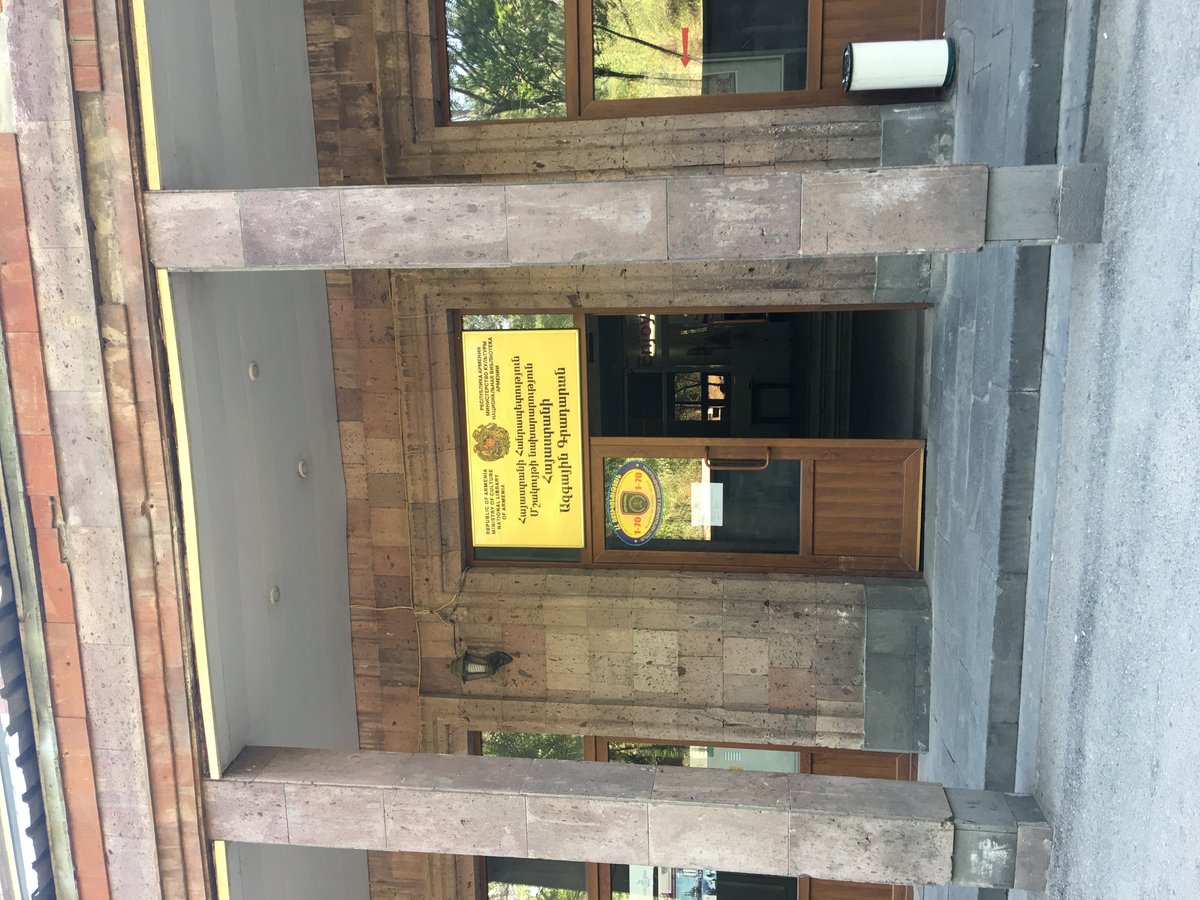
Plan and listen to National Library Of Armenia with Audiala.
Audio guide in your pocket, itinerary in your browser. Built for the way you actually visit.
Introduction
The National Library of Armenia (NLA), located in the heart of Yerevan, stands as both a cultural treasure and a living monument to Armenian heritage. Established in 1832, the NLA has grown from a small gymnasium library into the nation’s leading repository of books, manuscripts, periodicals, and archival materials. Today, it houses over 6.8 million items, preserving the intellectual, historical, and literary accomplishments of Armenia and its diaspora. In addition to its core mission of safeguarding the nation’s written legacy, the library is a center for cultural programming, research, and public engagement—making it a must-visit destination for scholars, travelers, and anyone interested in Armenian history.
This guide provides a detailed overview of the National Library’s fascinating history, essential visitor information (including up-to-date visiting hours and ticketing), accessibility features, guided tour options, and practical travel tips. Whether you are a researcher, a culture enthusiast, or a tourist exploring Yerevan’s historical sites, the NLA offers an immersive and enlightening experience.
For the latest updates and details, consult the official National Library of Armenia website and referenced authoritative sources (milwaukeearmenians.com; cenl.org; armenianweekly.com).

Foundations and Growth (1832–1919)
The NLA’s origins date to 1832, when it was founded as the library of the Boys’ Gymnasium in Yerevan, modeled on Russian educational institutions. Its initial holdings were modest, but the library quickly became a focal point for the city’s intellectual life as it acquired rare books, manuscripts, and periodicals from Armenian communities across the region, including Tiflis, Baku, and Kars (milwaukeearmenians.com; cenl.org).
Becoming a National Institution (1919–1922)
The transformation into a national institution began in 1919, when the First Republic of Armenia’s Council of Ministers established the “national public book depository.” The NLA was officially inaugurated in 1922, with a rapidly expanding collection and a mission to serve as the principal repository for Armenian culture and scholarship (wikipedia.org; milwaukeearmenians.com).
Soviet Era Expansion (1922–1991)
During the Soviet period, the library was renamed after Aleksandr Myasnikyan and underwent significant growth. In 1939, a major new building was completed on Teryan Street, designed by Alexander Tamanyan. The NLA became the official depository of all Armenian publications and expanded its role as a bibliographic and research center (dbpedia.org; armenianweekly.com; cenl.org).
Modern Era and Digitization (1991–Present)
Following Armenia’s independence, the NLA embraced a renewed national identity and began significant digitization projects, making millions of pages accessible online. The library leads in professional development, organizes cultural conferences (such as “France–Armenia: Historical and Cultural Dialogue” in 2025), and hosts the Museum of Printing (armenianweekly.com; cenl.org; nla.am).
Visiting the National Library of Armenia
Location and Nearby Attractions
The NLA is centrally located at 72 Teryan Street, Yerevan, within walking distance of the Opera House, Republic Square, Cascade complex, and other important Yerevan historical sites (Yerevan city map).
Visiting Hours
Visiting hours may vary slightly, so always check the official working hours before your visit. As of 2025:
- Monday to Friday: 10:00 AM – 6:00 PM
- Saturday: 10:00 AM – 4:00 PM
- Sunday: Closed
During public holidays or special events, hours may be adjusted.
Tickets and Admission
General admission to the library—including the main halls and exhibitions—is free. Special exhibitions or guided tours may require advance booking or a ticket, which can be arranged at the entrance or online.
To borrow books or access restricted collections, registration for a library card with valid ID is required.
Accessibility
The NLA is accessible to visitors with disabilities, featuring ramps, elevators, and accessible restrooms. Staff are available for assistance.
Guided Tours and Special Events
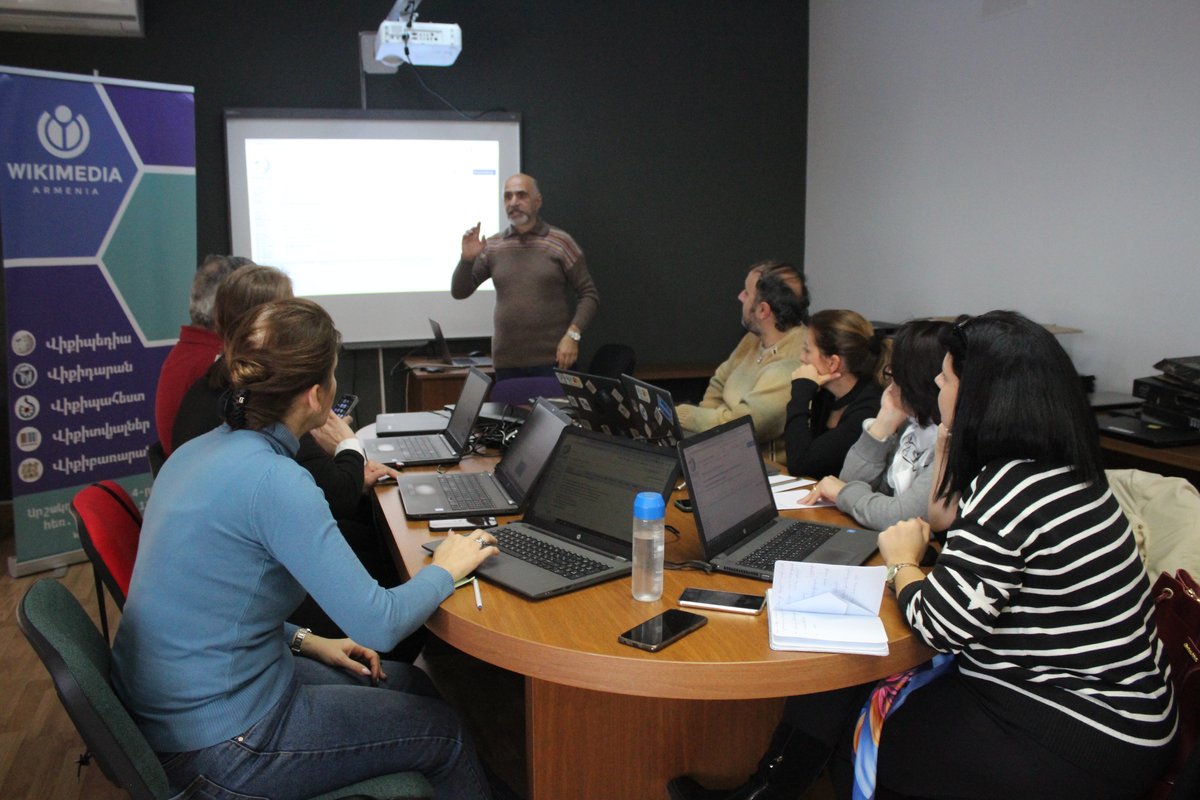
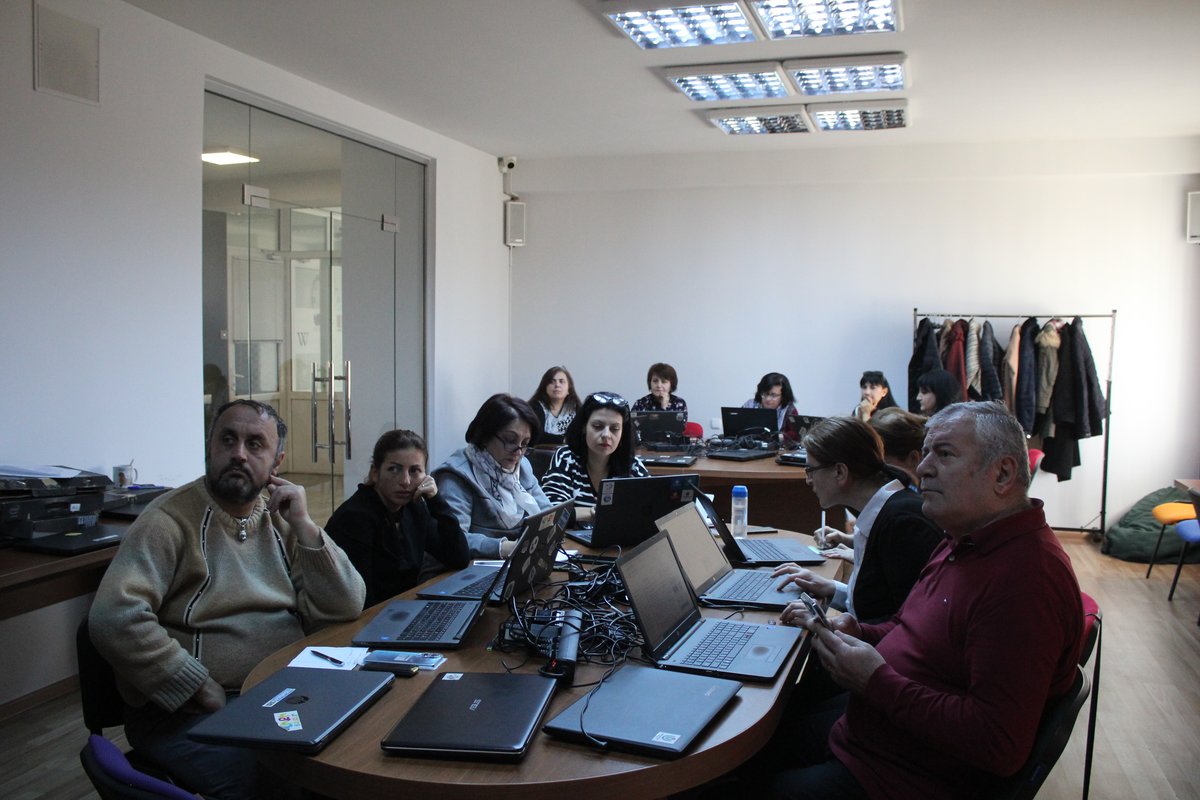
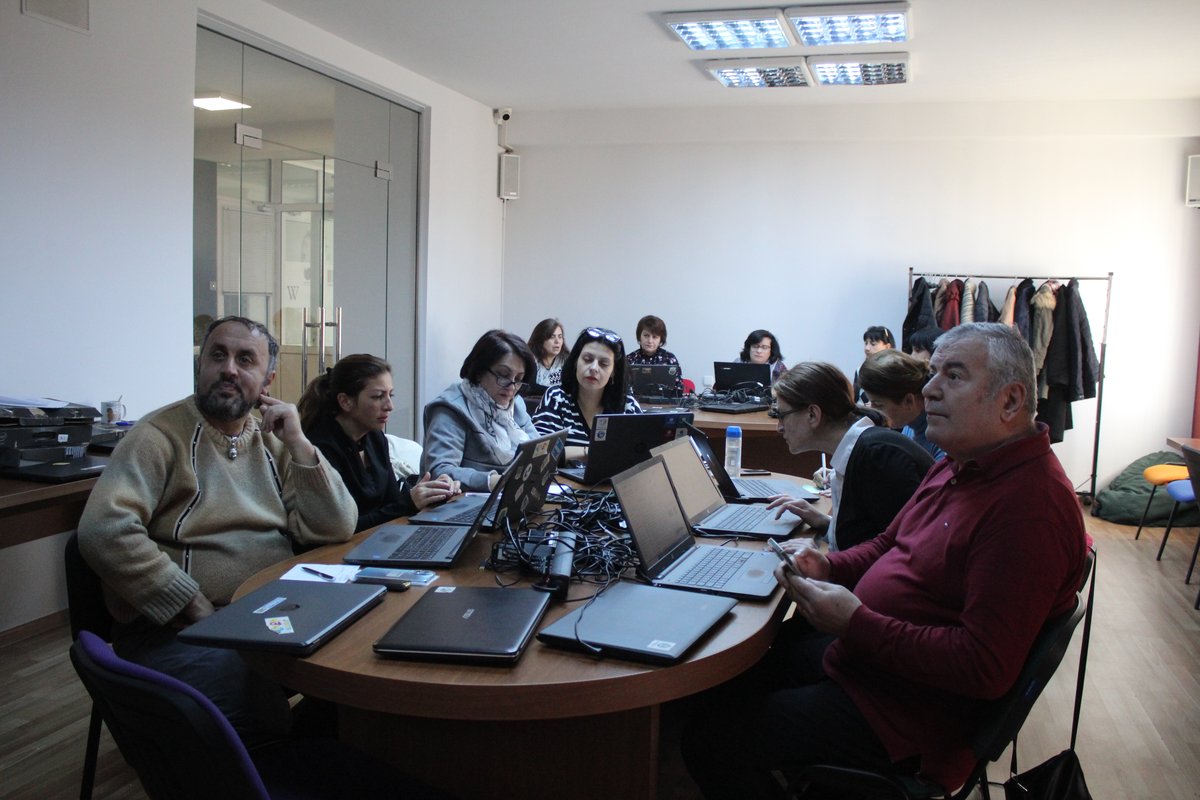
Guided tours are available by advance appointment in Armenian, Russian, and English. These tours offer in-depth insights into the library’s architecture, collections, and history. Special events, exhibitions, book launches, and workshops are held throughout the year, often in partnership with other cultural institutions (nla.am).
Photography
Photography is permitted in public and exhibition areas, though restrictions apply in reading rooms and with rare items. Always consult staff for current policies.
Travel Tips
- Arrive early for a quieter experience, especially during special events or exam periods.
- Combine your visit with nearby attractions for a full Yerevan cultural day.
- The library’s bookshop offers Armenian literature, history books, and souvenirs—ideal for gifts.
Collections and Exhibitions
Scope and Size
As of 2025, the NLA’s holdings exceed 6.8 million items, including:
- Over 3 million books (Armenian and international)
- More than 2 million periodicals (newspapers, journals, magazines)
- Approximately 100,000 rare books and manuscripts (dating back to the 16th century)
- Historical and modern maps, musical scores, photographs, and postcards
- Expanding digital archives accessible online (National Library of Armenia)
Collection Highlights
- Urbatagirk (Venice, 1512): The first Armenian printed book
- First Armenian Bible (Amsterdam, 1666)
- Azdarar (Madras, 1794): The first Armenian periodical
- Diaspora publications from Tbilisi, Moscow, Paris, and the Middle East
- Soviet-era publications and propaganda posters
- Rare foreign-language books reflecting Armenia’s multicultural history
Exhibitions
The NLA organizes:
- Annual and thematic exhibitions (e.g., centenaries, author retrospectives, diaspora history)
- Collaborative and international exhibitions with institutions like the Matenadaran and History Museum of Armenia
- Digital exhibitions and virtual galleries (National Library of Armenia)
Access and Visitor Experience
- Main reading rooms and periodicals hall are open to the public.
- Rare book and manuscript access is by special arrangement.
- Free Wi-Fi, digital access points, and computer terminals are available.
- Information desks and a café support visitor needs.
Practical Visitor Information
Language and Communication
Signage is in Armenian, with key information in English and Russian. Many staff speak English; translation apps can be helpful for detailed inquiries (Armenia Travel Practical Info).
Cultural Etiquette
Maintain a quiet atmosphere, avoid phone use in reading areas, and dress modestly. Food and drink are not allowed inside.
Nearby Amenities
Numerous cafés and restaurants are close by, offering Armenian cuisine. The area is considered safe, with regular security patrols.
Payments
Entry is free, but the bookshop and local cafés may require cash (Armenian dram). Credit card acceptance varies (Out of Your Comfort Zone).
Tourist Information
Free maps and guidebooks are available at tourism centers and major hotels (Yerevan tourism maps).
Connectivity
Free Wi-Fi is available in the library; affordable SIM cards and mobile data are widely available in Yerevan.
Frequently Asked Questions (FAQ)
Q: What are the National Library of Armenia visiting hours?
A: Monday to Friday: 10:00 AM–6:00 PM; Saturday: 10:00 AM–4:00 PM; closed on Sundays.
Q: Is there an entrance fee or tickets required?
A: General admission is free; special events/tours may require tickets.
Q: Are guided tours available?
A: Yes, by advance arrangement in Armenian, Russian, and English.
Q: Is the library accessible for visitors with disabilities?
A: Yes, with ramps, elevators, and accessible restrooms.
Q: Can I take photographs inside the library?
A: Allowed in public/exhibition areas; restrictions may apply elsewhere.
Q: How can I combine a visit with other Yerevan sites?
A: The library is centrally located near the Opera House, Cascade, and Republic Square.
Listen to the full story in the app
The whole National Library Of Armenia,
told well.
Audio guides for 1,100+ cities across 96 countries. History, stories, and local insight — offline ready.
Verified, and shown.
Researched and written by the Audiala editorial team from historical records, architectural archives, and local expertise.
Researched from Wikidata, Wikipedia & official sources · fact-checked · How we make our guides →