Plan and listen to National Gallery Of Armenia with Audiala.
Audio guide in your pocket, itinerary in your browser. Built for the way you actually visit.
Introduction
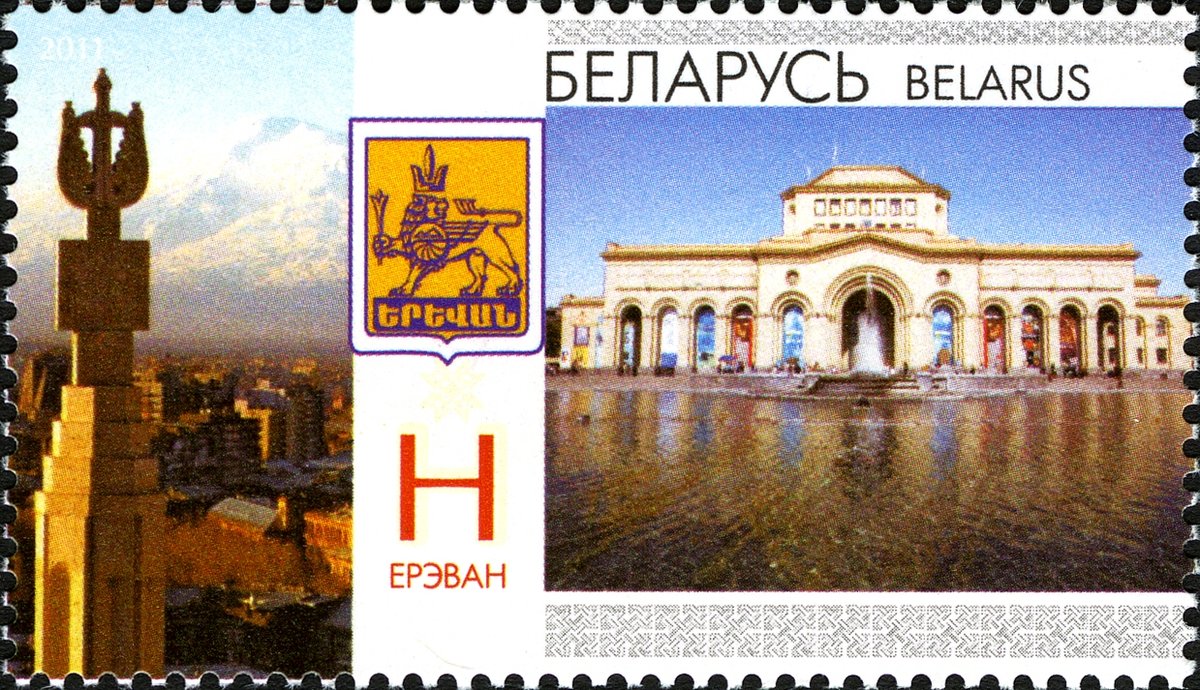
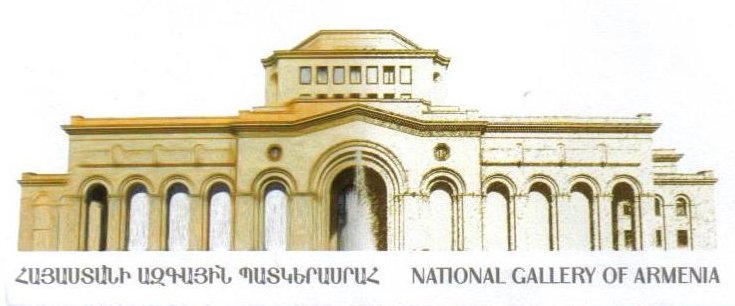
Nestled in the heart of Yerevan’s iconic Republic Square, the National Gallery of Armenia (NGA) stands as a beacon of Armenian culture, art, and history. Founded in 1921, the NGA houses the nation’s largest repository of art, with over 26,000 works spanning Armenian, Russian, European, and Eastern traditions. Whether you are an art enthusiast, a history buff, or a curious traveler, a visit to the NGA offers a deep dive into Armenia’s artistic evolution and its connections with global cultural movements. This detailed guide provides everything you need to plan your visit, from opening hours and ticket prices to highlights of the collection and practical travel tips.
(Visit Yerevan, National Gallery of Armenia official site, Armenian Art Overview)

History and Cultural Significance
Established in 1921, the NGA has played a central role in shaping Armenian national identity and fostering intercultural dialogue. The gallery’s collection spans from ancient frescoes and medieval illuminated manuscripts to works by modern masters like Martiros Saryan, Hakob Hovnatanian, and Hovhannes Aivazovsky. It also features international works, reflecting Armenia’s role as a cultural crossroads. The NGA is not only a repository of treasured artworks but also a vibrant center for education, research, and artistic innovation.
(Armenian Art Overview)
Armenian Art Collections
Medieval to Modern Painting
The NGA boasts the world’s largest collection of Armenian art, tracing the evolution of painting from medieval icons and church murals to Impressionist and contemporary styles.
Key Artists:
- Hakob Hovnatanian (1806–1881): Master of portraiture and Armenian nobility symbolism.
- Vardges Surenyants (1860–1921): Known for vibrant color and Orientalist influences.
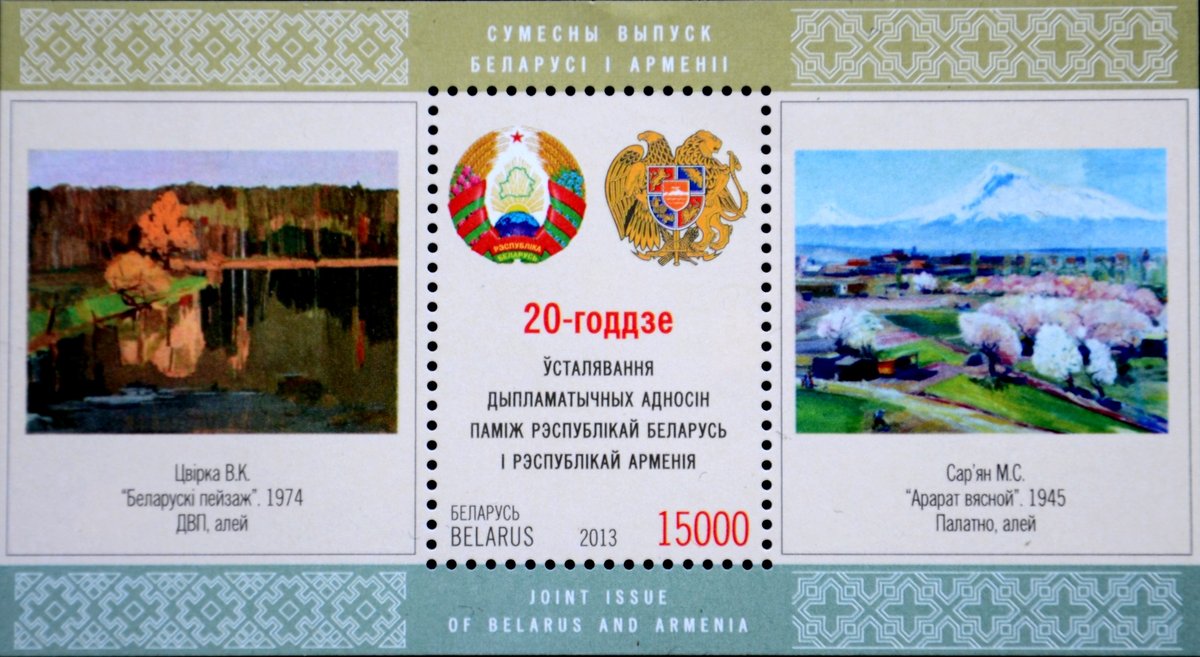
- Martiros Saryan (1880–1972): Former NGA director, recognized for landscapes and expressive color.
Sculpture
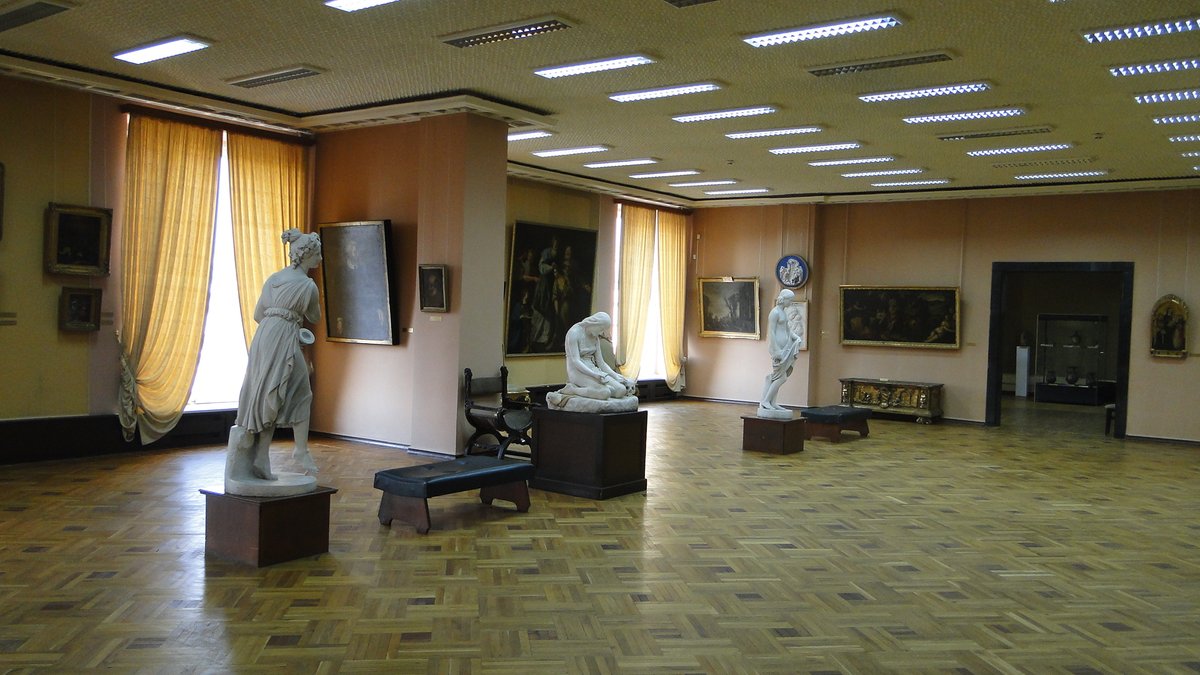
From prehistoric khachkars (cross-stones) to contemporary bronze and stone pieces, the sculpture collection reflects Armenia’s rich tradition and its modern reinterpretations.
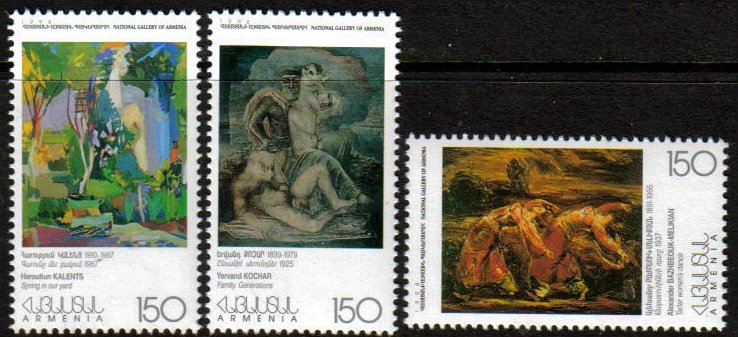
Notable Sculptors: Ara Harutyunyan, Yervand Kochar.
Graphics and Works on Paper
This section includes approximately 4,000 works—portraits, landscapes, and book illustrations—showcasing the development from illuminated manuscripts to modern graphic art.
Russian and European Collections
The NGA’s international collections highlight Armenia’s connections to neighboring cultures.
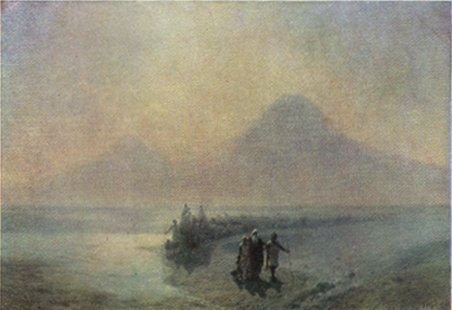
- Russian Art: Works by Ivan Aivazovsky, Ilya Repin, Alexandre Benois, and Anna Ostroumova-Lebedeva.
- European Art: Italian, Dutch, Flemish, French, and German masters, including works from the Renaissance to the 19th century.
- Eastern Art: Select Persian and Middle Eastern pieces further enrich the gallery’s diversity.
(Visit Yerevan, National Gallery of Armenia official site)
Must-See Highlights
- Vardges Surenyants Gallery: Detailed paintings blending Armenian history and Orientalist themes.
- Martiros Saryan Collection: Over 240 works capturing the spirit and landscapes of Armenia.
- Medieval Artifacts: Icons, manuscripts, and religious objects.
- Sculpture Hall: Innovative works by Yervand Kochar and others.
- European and Russian Masterpieces: Chagall, Donatello, and more.
Visiting Hours and Ticket Information
Opening Hours
- Tuesday–Saturday: 11:00 AM – 5:00 PM
- Sunday: 11:00 AM – 4:00 PM
- Monday: Closed
Ticket Prices
- Adults: 800 AMD (~$1.65 USD)
- Pupils, Students, Pensioners: 300 AMD (~$0.65 USD)
- Children under 7, disabled visitors, state delegation members, and servicemen: Free
Guided Tours
- Armenian: 3,500 AMD (~$7.20 USD)
- Russian, English, French: 5,000 AMD (~$10.30 USD)
Tickets are available at the entrance; advance booking is recommended for groups and guided tours, especially during peak seasons.
Facilities and Amenities
- Accessibility: Elevators and ramps for visitors with mobility challenges.
- Restrooms: On multiple floors, well maintained.
- Cloakroom: For coats, bags, and umbrellas.
- Café: Light snacks, tea, and coffee.
- Museum Shop: Books, prints, souvenirs, and crafts.
- Library and Archive: Access by prior arrangement. (HellenicaWorld)
Navigating the Gallery
Spanning six floors and 56 exhibition halls, the NGA follows a chronological and thematic layout.
- Permanent Collections: Armenian, Russian, Western European, and Eastern art.
- Temporary Exhibitions: Check the website or ticket desk for current displays.
- Signage: In Armenian, Russian, and English; floor plans available at the entrance.
Accessibility and Inclusivity
- Wheelchair Access: Ramps and elevators throughout.
- Trained Staff: Assistance available for visitors with disabilities.
- Free Admission: For children under 7, disabled visitors, and servicemen.
Visitor Experience and Tips
- Suggested Visit Duration: Minimum 2–3 hours; longer for art lovers.
- Best Times: Early afternoons on weekdays for a quieter experience.
- Photography: Non-flash photography is generally permitted; restrictions may apply for certain exhibits.
- Language: Labels in Armenian, Russian, and English; guided tours in English available.
- Dress Comfortably: Wear comfortable shoes.
- Family-friendly: Interactive exhibits available for children.
- Wi-Fi: Free in public areas.
- Security: Bag inspections; large bags and umbrellas must be stored.
Temporary Exhibitions and Events
The NGA regularly presents temporary exhibitions and hosts events such as concerts, lectures, and film screenings. International projects like "CROSS-LOOKING: East-West Artistic Residencies" foster intercultural exchange.
(Cross-Looking Project)
Nearby Attractions and Travel Advice
The NGA’s central location allows easy access to:
- Museum of the History of Armenia (same building)
- Republic Square fountains
- Blue Mosque
- Cafesjian Center for the Arts
- Numerous cafés, restaurants, and shops in central Yerevan
(Armenia Travel, Wanderlog)
Getting There:
- Metro: Republic Square station (short walk)
- Buses and taxis widely available
- Limited parking nearby
Frequently Asked Questions (FAQ)
Q: What are the National Gallery of Armenia visiting hours?
A: Tuesday–Saturday 11:00–17:00, Sunday 11:00–16:00, closed on Mondays.
Q: Where can I buy tickets?
A: At the entrance; groups/guided tours should book in advance.
Q: Are guided tours available in English?
A: Yes, for an additional fee.
Q: Is photography allowed?
A: Usually permitted without flash; check exhibit-specific rules.
Q: Is the gallery wheelchair accessible?
A: Yes, with ramps and elevators.
Visuals and Media

Contact Information
- Address: 1 Aram Street, Republic Square, Yerevan, Armenia
- Phone: +374 10 56 74 72; +374 10 58 08 12
- Website: gallery.am
Listen to the full story in the app
The whole National Gallery Of Armenia,
told well.
Audio guides for 1,100+ cities across 96 countries. History, stories, and local insight — offline ready.
Verified, and shown.
Researched and written by the Audiala editorial team from historical records, architectural archives, and local expertise.
Researched from Wikidata, Wikipedia & official sources · fact-checked · How we make our guides →