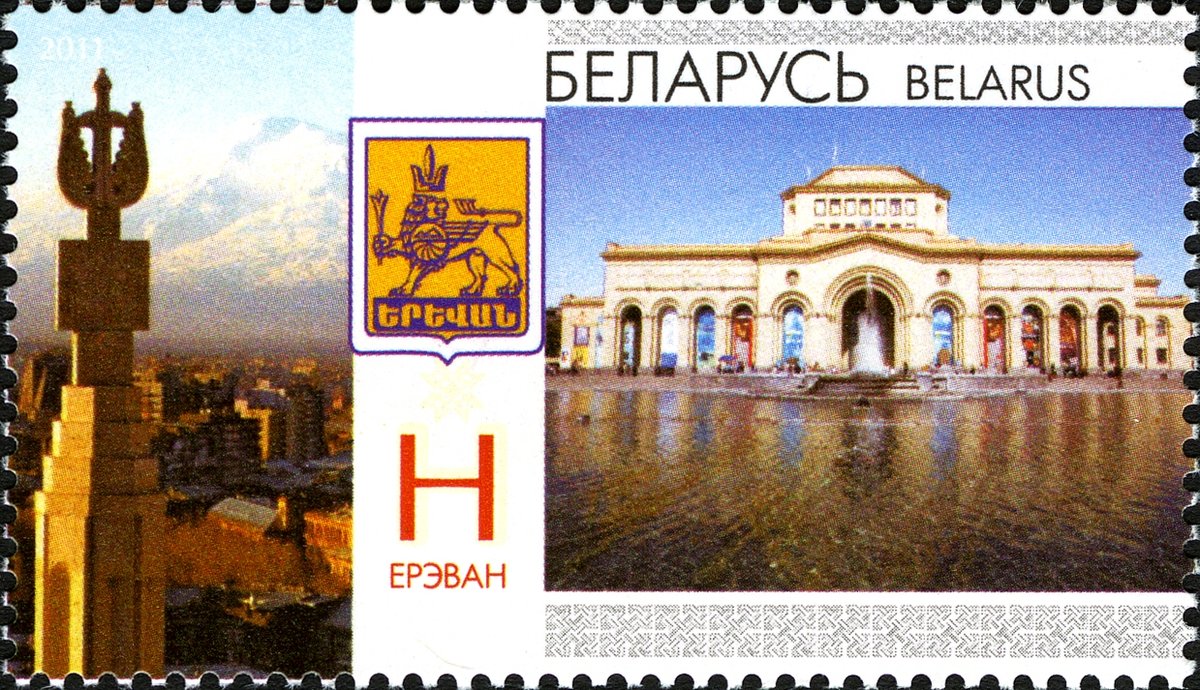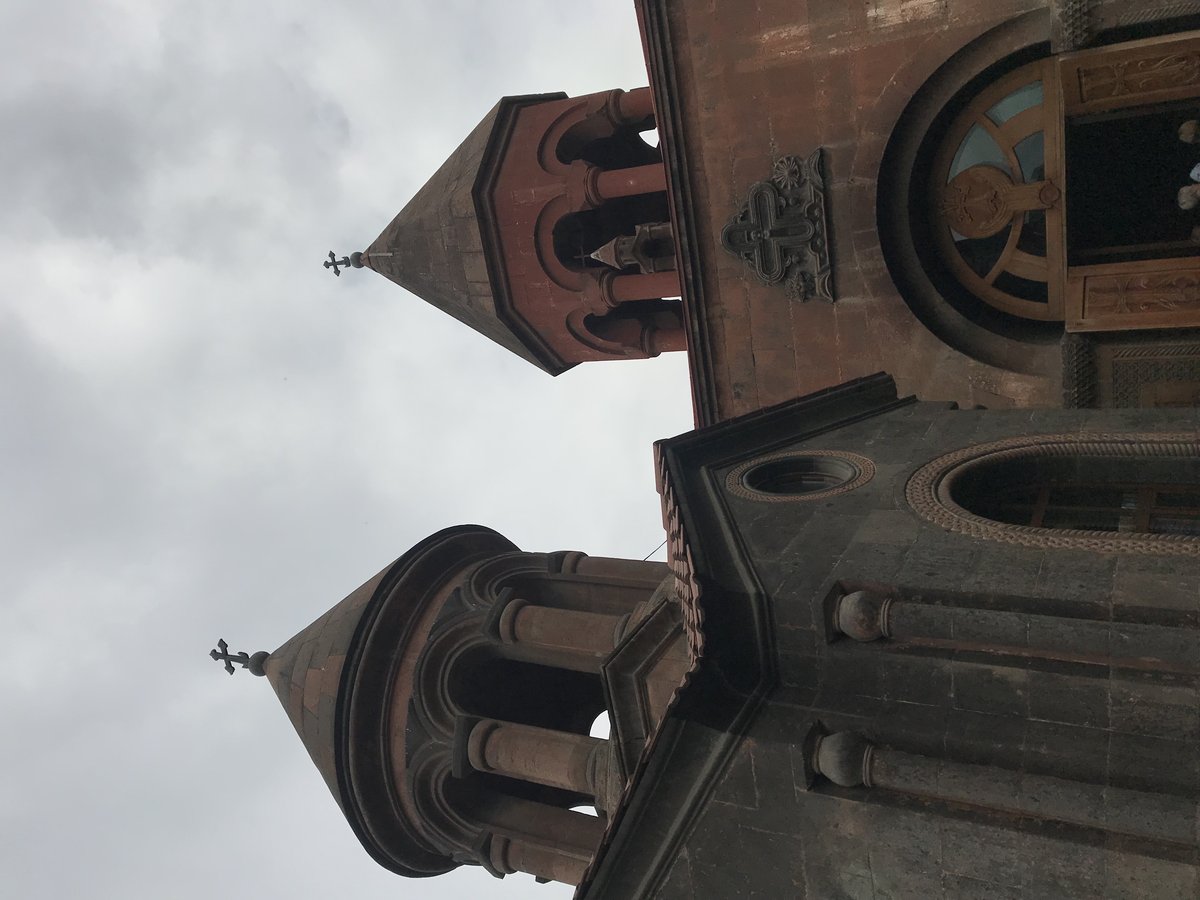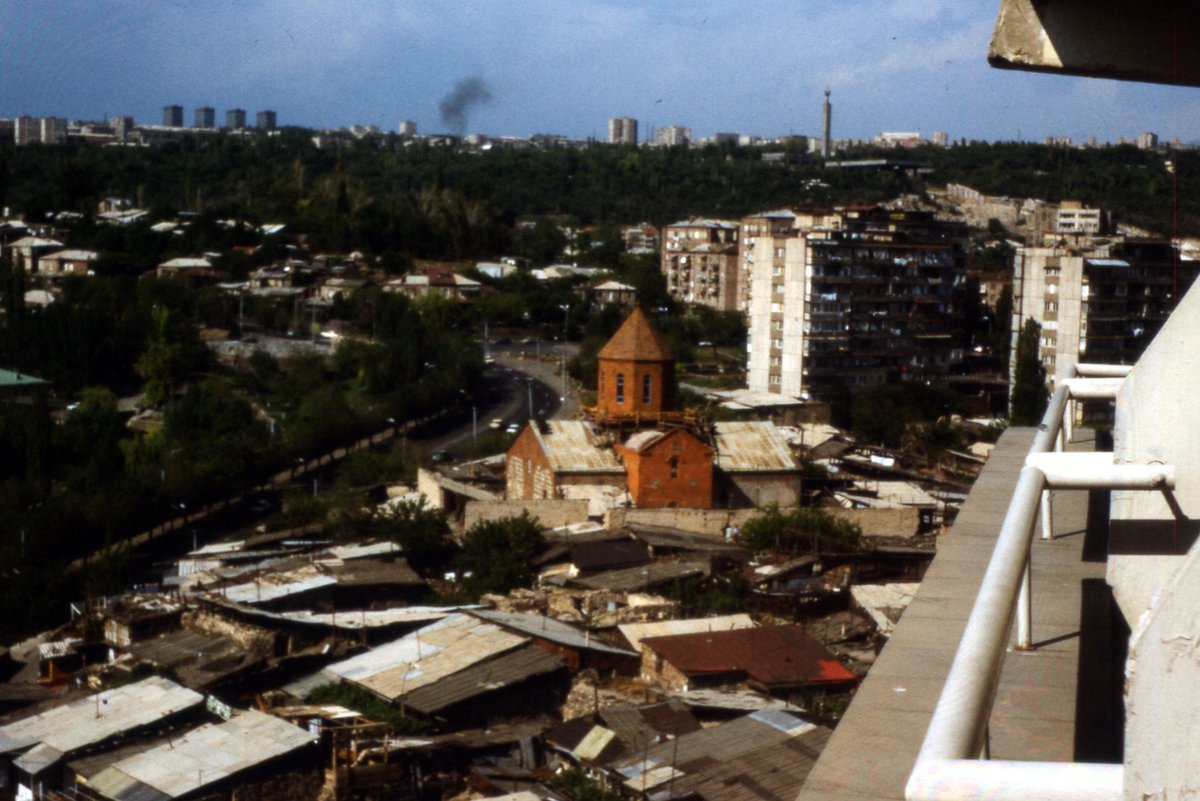
Plan and listen to Martiros Saryan Museum with Audiala.
Audio guide in your pocket, itinerary in your browser. Built for the way you actually visit.
Introduction
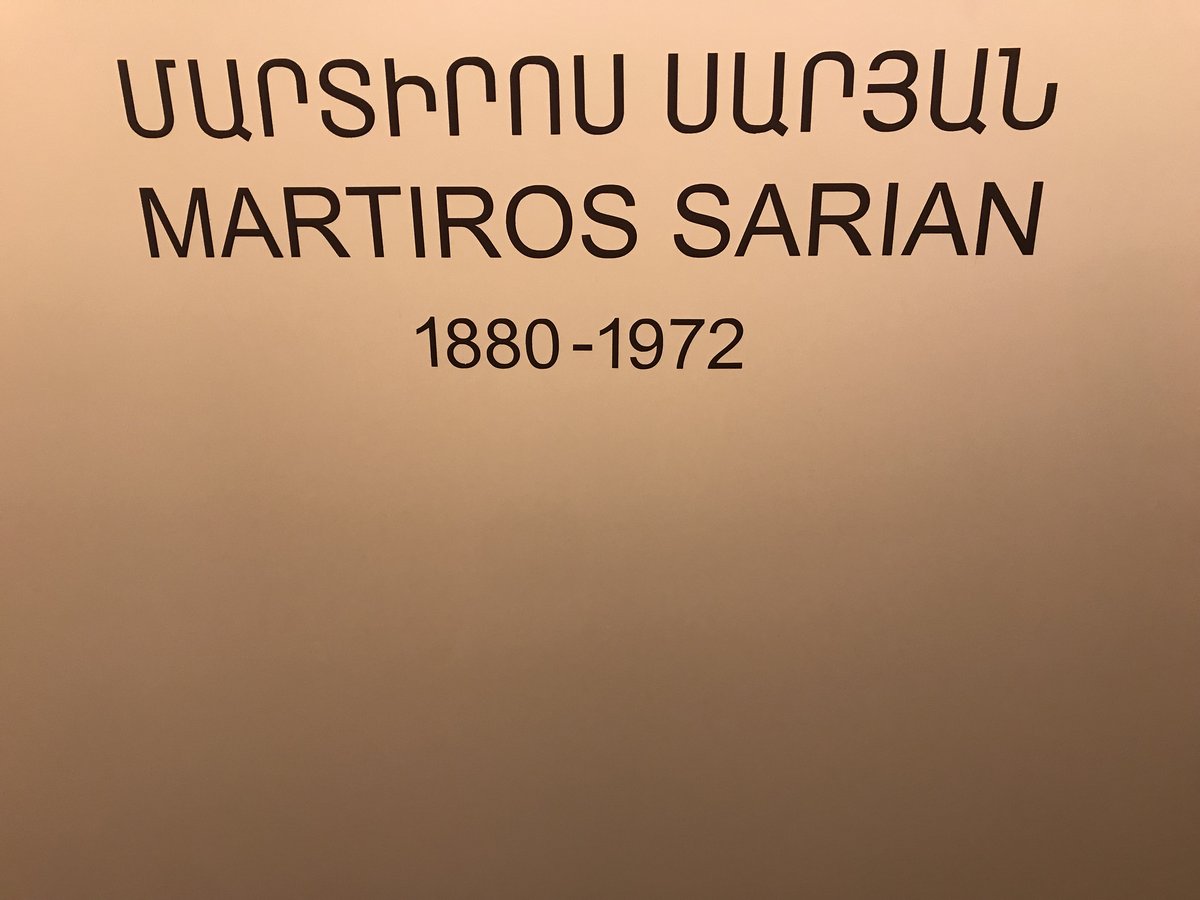
Located in the vibrant heart of Yerevan, the Martiros Saryan Museum stands as a testament to Armenia’s rich artistic heritage and its most celebrated painter of the 20th century, Martiros Saryan (1880–1972). Recognized as the father of modern Armenian painting, Saryan’s vivid landscapes and symbolic works capture the spirit, resilience, and identity of the Armenian people. This guide provides detailed information on the museum’s history, visiting hours, ticketing options, accessibility, and its significance within the broader context of Yerevan’s historical and cultural attractions. Whether you are an art lover, history enthusiast, or a curious traveler, this resource will help you plan an enriching visit to the Martiros Saryan Museum and surrounding sites (hyurservice.com, armenian-history.com, armeniaart.com).

Origins and Early Life of Martiros Saryan
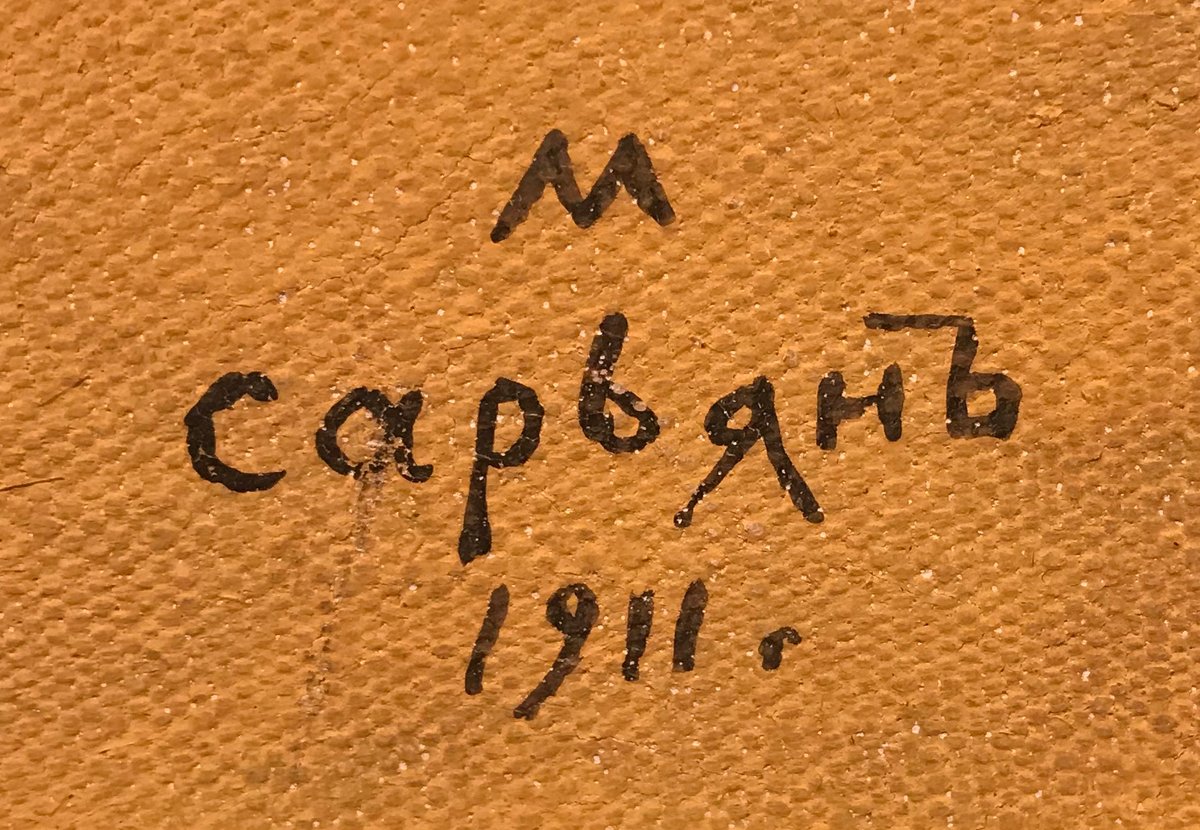
Born on February 29, 1880, in Nor Nakhichevan near Rostov-on-Don, Martiros Saryan was raised in a vibrant Armenian community (armenian-history.com). His early talent for drawing was nurtured at the local Armenian school, and by 1897 he entered the Moscow School of Painting, Sculpture and Architecture. There, Saryan was influenced by European Symbolism, Impressionism, and Russian modernist movements—blending these with his Armenian heritage and love for folk art (armeniaart.com).
Artistic Evolution and National Identity
Saryan’s artistic style evolved from Impressionist beginnings towards a distinctive, luminous palette that became emblematic of Armenian modernism. By the early 1900s, his use of tempera and bold color marked a new direction in Armenian art. Saryan’s landscapes and portraits not only depicted the Armenian countryside but also became visual symbols of national identity and resilience. His travels across Turkey, Egypt, and Iran between 1910 and 1913 introduced new motifs and a synthesis of Eastern and Western elements to his work (armenian-history.com).
Saryan and the Armenian Genocide
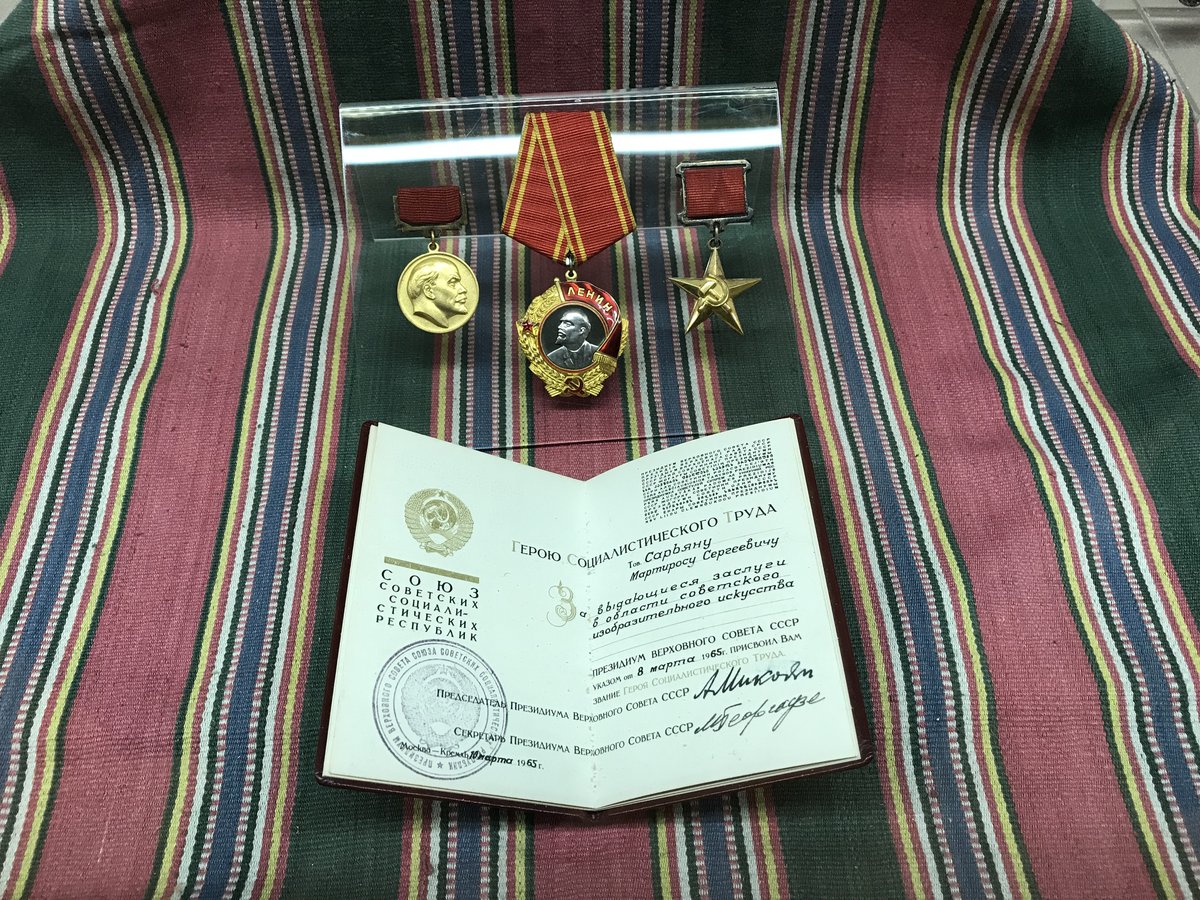
The events of World War I and the Armenian Genocide profoundly shaped Saryan’s life and work. In 1915, he assisted refugees in Echmiadzin, and his art from this era—along with book illustrations and cover designs—served as both cultural preservation and testimony to Armenian suffering and survival (armenian-history.com). Saryan’s commitment to nation-building through art became a cornerstone of his legacy.
Return to Armenia and Cultural Contributions
Saryan settled permanently in Soviet Armenia in 1921, becoming a pivotal figure in the country’s cultural renaissance. Beyond painting, he designed the national emblem and flag of Soviet Armenia, contributed to theater set design, and participated in major exhibitions in Paris and Moscow. Despite the loss of many works in a shipboard fire, Saryan’s standing as a leader of Armenian and Soviet art endured (armenian-history.com).
The Martiros Saryan House-Museum: Foundation and Legacy
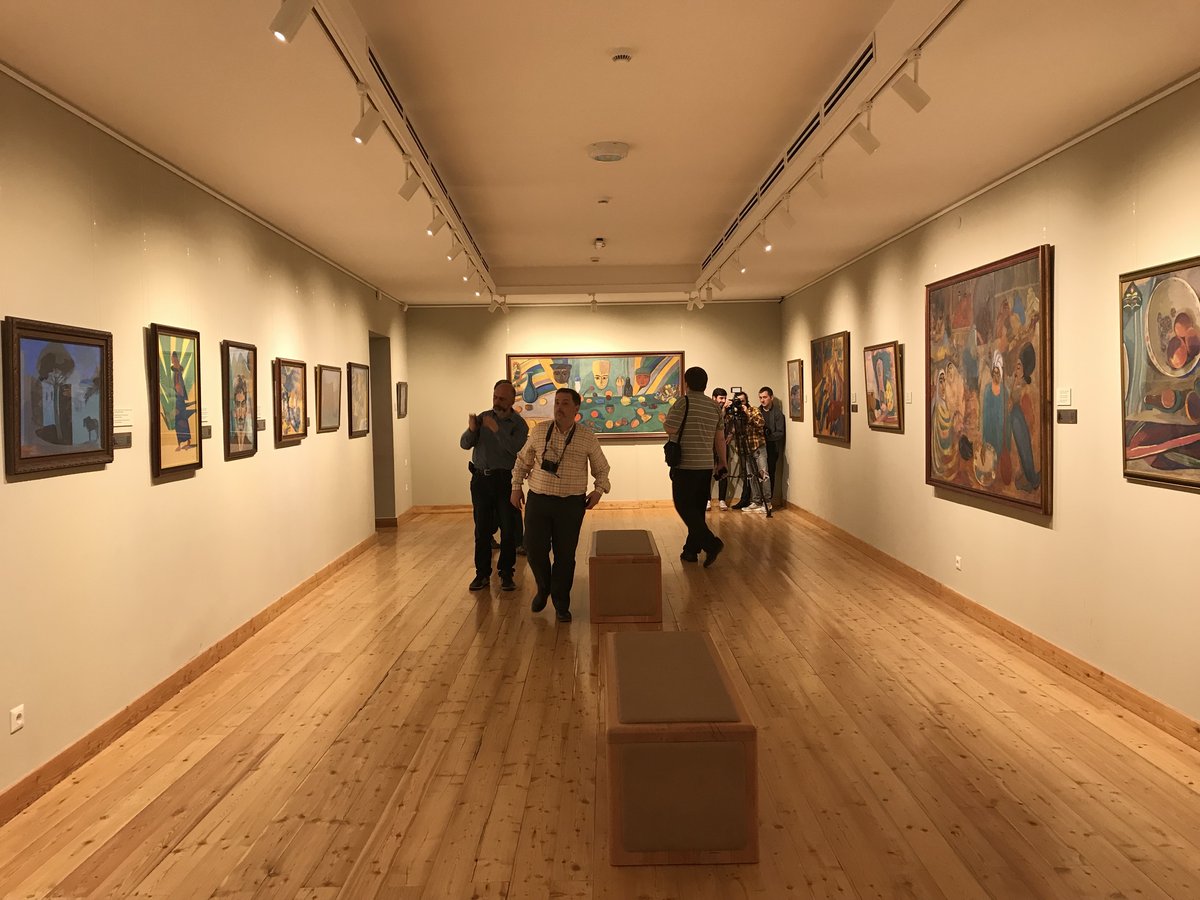
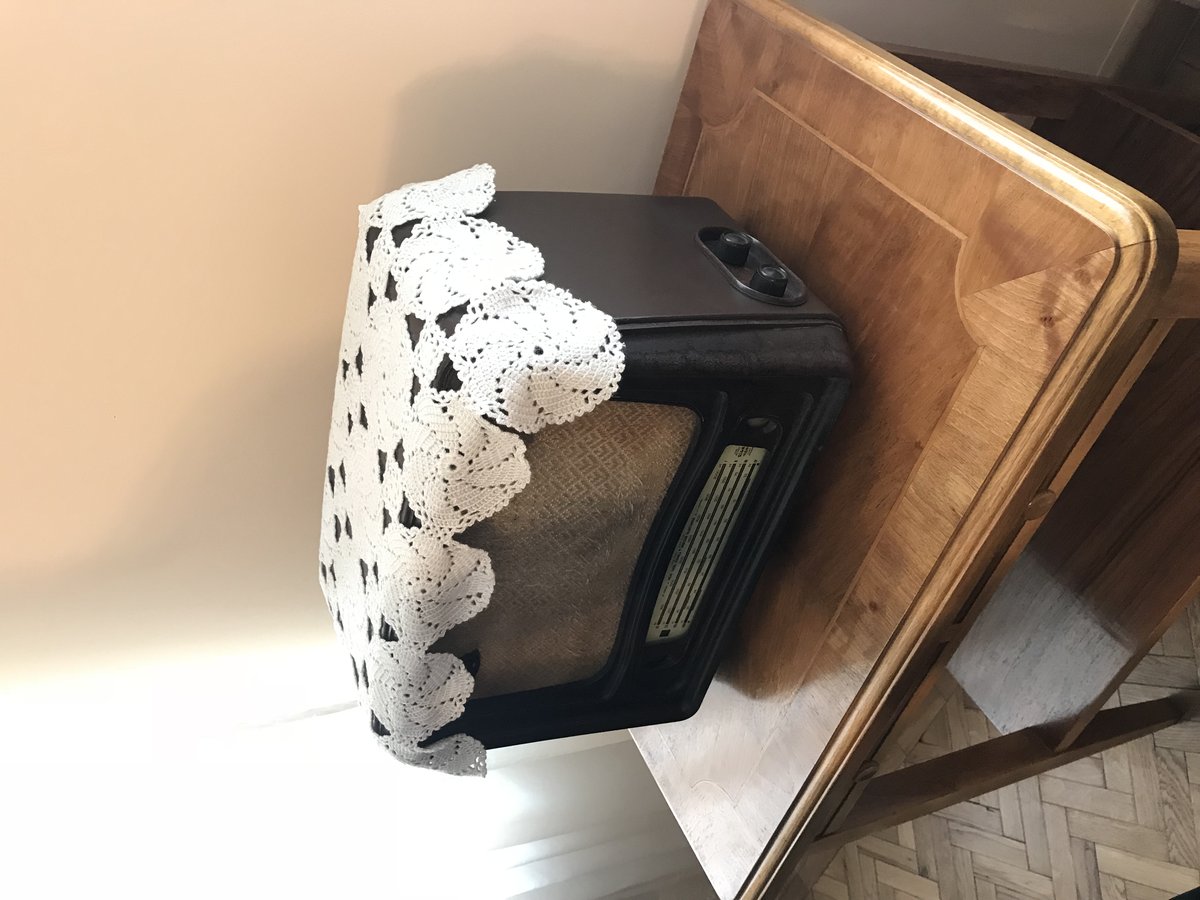
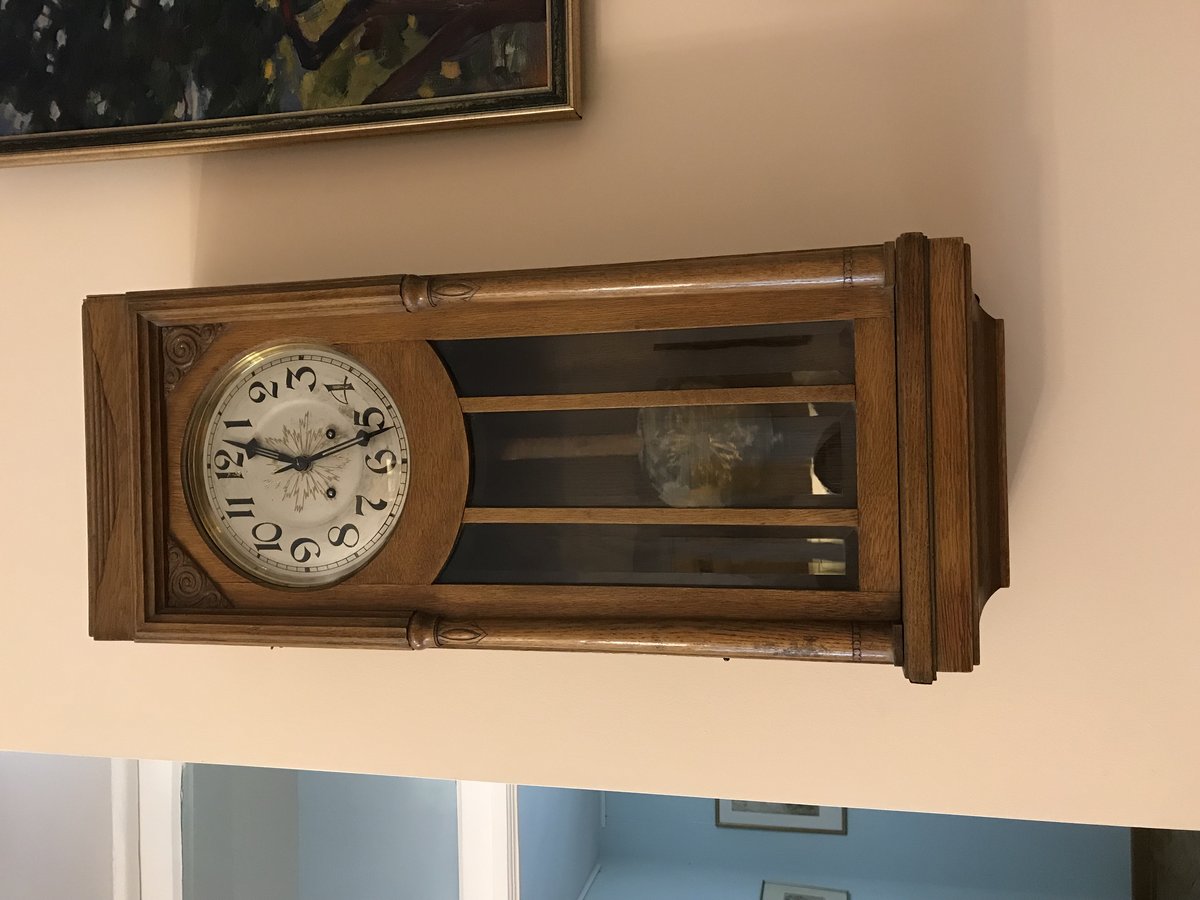
Located just 1 km from Yerevan’s center, the Martiros Saryan House-Museum preserves the artist’s home and studio, offering a unique immersive experience (hyurservice.com). The museum’s collection spans his career—from early Symbolist and Impressionist works to vibrant landscapes and rare surviving portraits. The studio, with Saryan’s original tools and unfinished canvases, provides an intimate glimpse into his creative process. The museum also safeguards significant works saved during the Stalinist era, including the 1923 portrait of poet Eghishe Charents (armenian-history.com).
Visitor Information: Tickets, Opening Hours, and Accessibility
- Address: 3 Martiros Saryan Street, Yerevan, Armenia
- Opening Hours: Friday to Wednesday, 11:00 a.m. – 6:00 p.m.; closed Thursdays and national holidays
- Admission:
- General: AMD 1,000 (~$2.50 USD)
- Free entry on the last Saturday of every month
- Guided tours (Armenian): AMD 2,000
- Guided tours (English, Russian, French, German): AMD 2,500
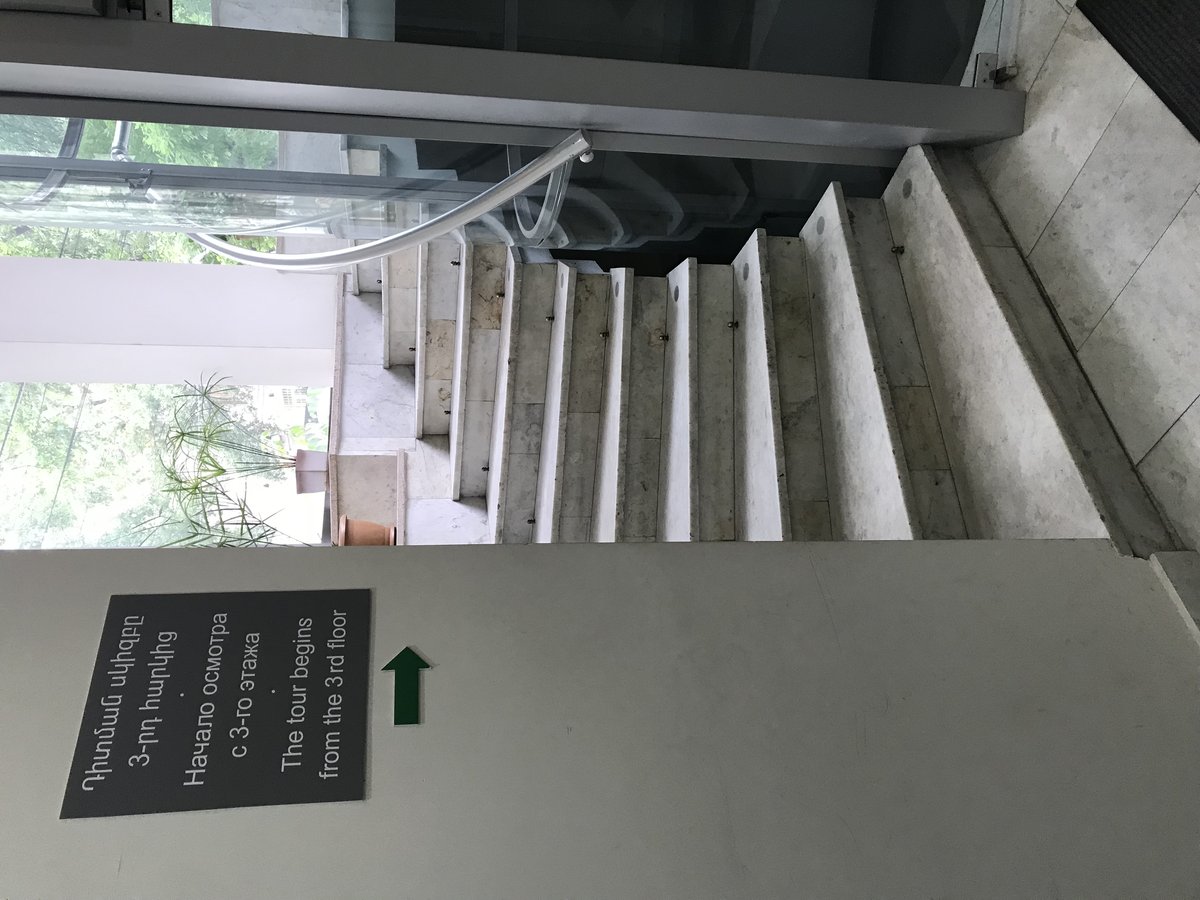
- Accessibility: Most exhibition spaces are wheelchair accessible; contact the museum in advance for specific needs or assistance.
For the latest updates, consult the official museum website or call +374 10 58-05-68.
Travel Tips and Photographic Opportunities
- Getting There: The museum is a 20-minute walk from Republic Square and near Saryan Street, known for lively cafes and wine bars.
- Transport: Accessible by public bus, metro, taxi, or foot.
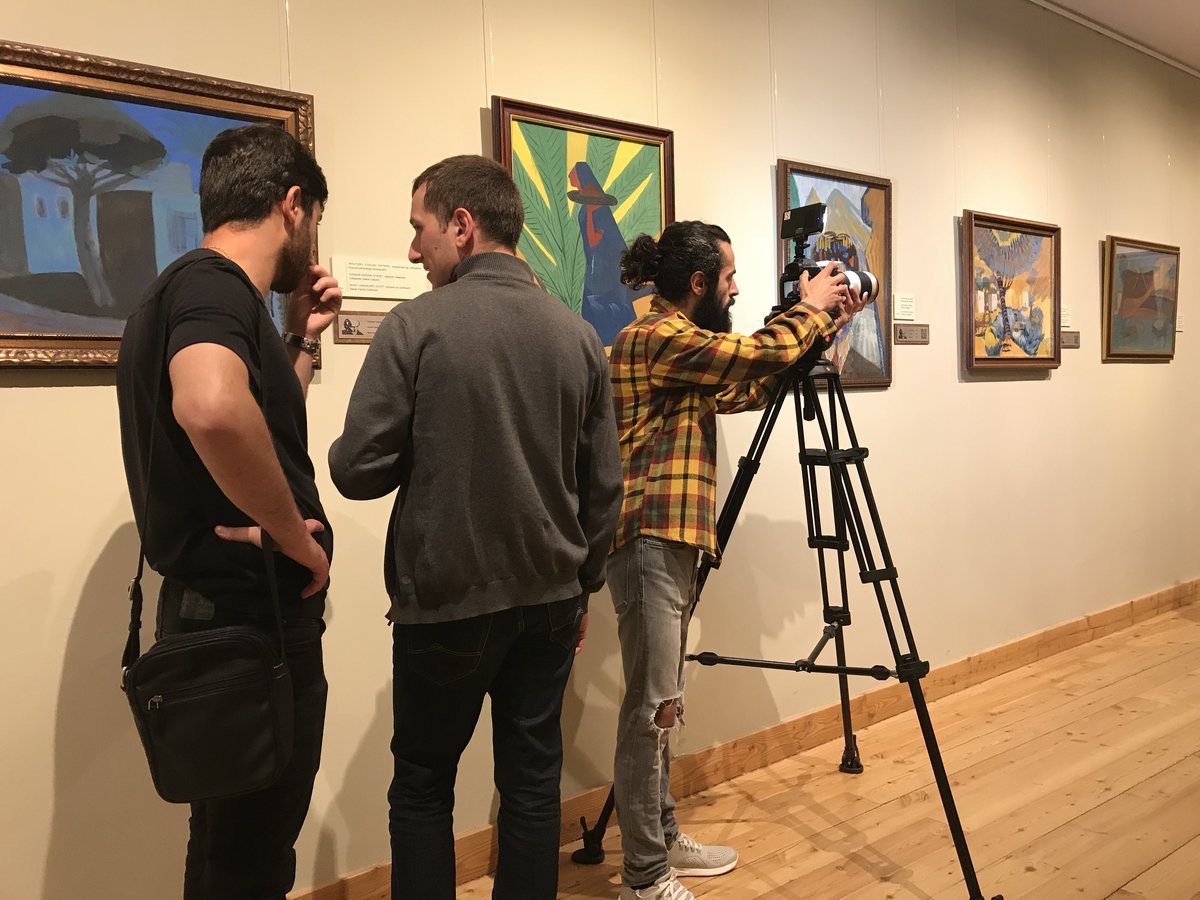
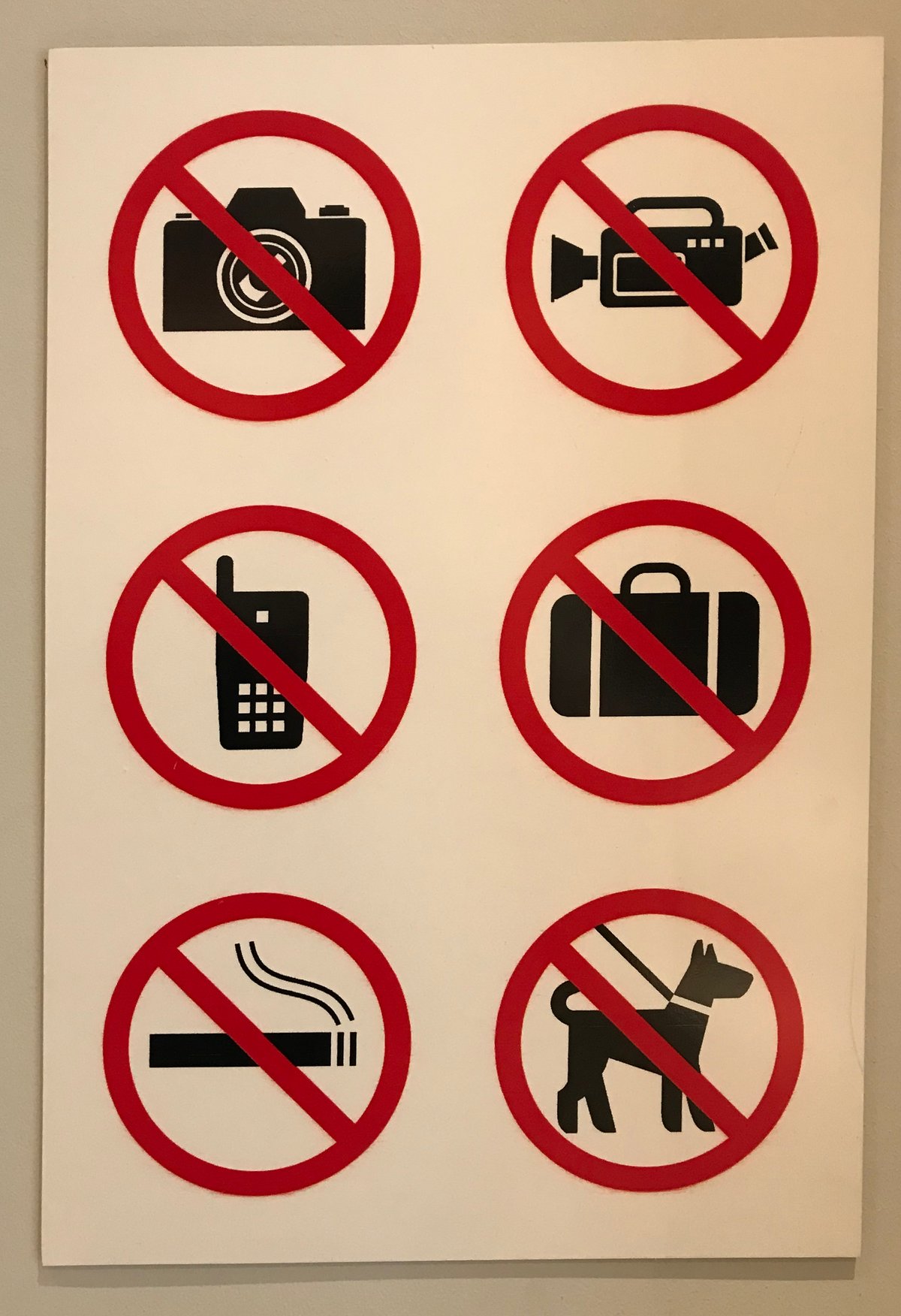
- Photography: Allowed in designated areas, without flash or tripods. Commercial photography requires approval.
- Visit Duration: Allocate 60–90 minutes; art enthusiasts may wish to spend up to two hours, especially when joining guided tours.
- Best Time to Visit: Weekday mornings and early afternoons for a quieter experience; the last Saturday of the month is busier due to free entry.
Nearby Attractions and Yerevan Historical Sites
- Cascade Complex: Iconic stairway with city views and contemporary sculpture (15-minute walk).
- Republic Square: Central hub surrounded by museums and government buildings (20-minute walk).
- National Gallery of Armenia: Extensive collection of Armenian and international art.
- Saryan Street: Popular for dining and local culture.
These sites provide a broader context for understanding Armenia’s art, history, and vibrant public life.
Saryan’s Influence on Armenian Art and Identity
Saryan’s chromatic landscapes and expressive forms profoundly shaped Armenian visual culture, inspiring generations of artists and becoming a symbol of national identity (armeniaart.com). His legacy is visible in modern Armenian murals, graphic design, and national iconography. Saryan’s art continues to serve as a tool for nation-building and psychological healing, bridging the trauma of the past with the optimism of a creative future.
Key Milestones and Recognition
- Awards: State Prize of the Armenian SSR, 1966
- Exhibitions: Major shows in Paris, Moscow, and Yerevan
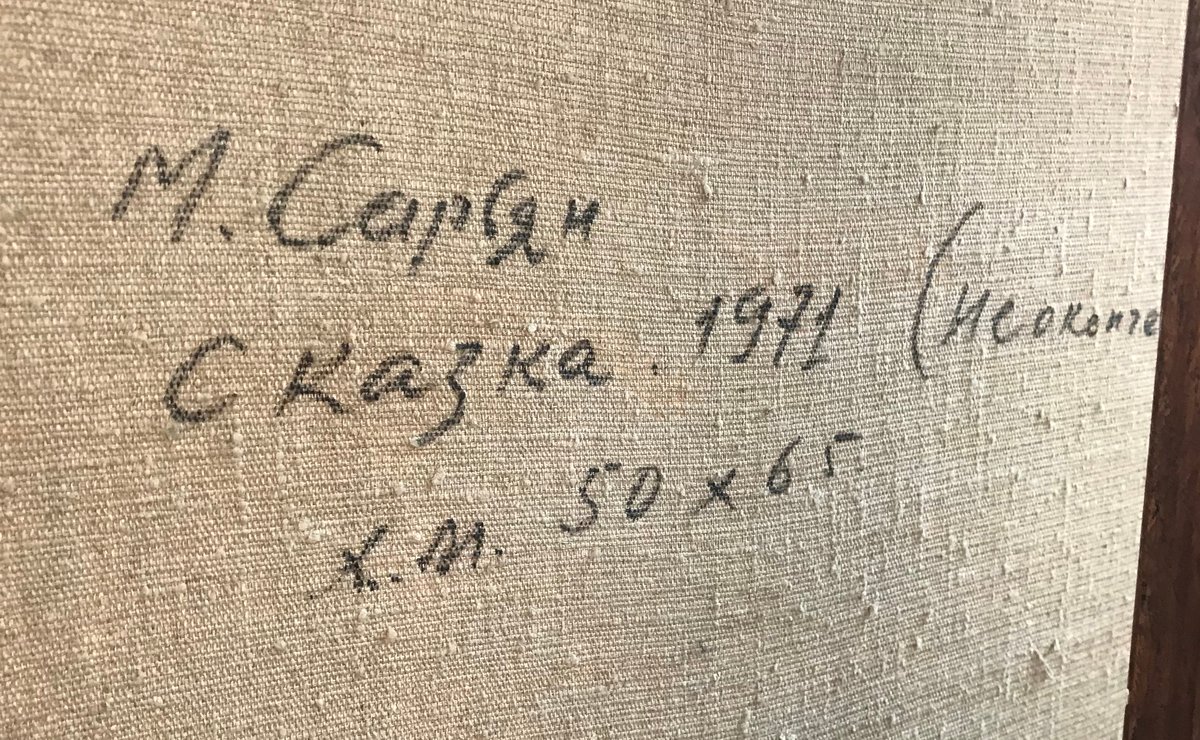
- Last Works: Lyrical “Fairy Tales and Dreams” series; felt-tip drawings completed shortly before his death in 1972
- The museum remains a center for education, exhibitions, and the preservation of Armenian cultural heritage (armenian-history.com).
Frequently Asked Questions (FAQ)
Q: What are the Martiros Saryan Museum opening hours?
A: Friday to Wednesday, 11:00 a.m. – 6:00 p.m.; closed Thursdays and national holidays.
Q: How much are tickets?
A: General admission is AMD 1,000 (~$2.50 USD). Free entry is available on the last Saturday of each month.
Q: Are guided tours available?
A: Yes, in Armenian, English, Russian, French, and German.
Q: Is the museum accessible for visitors with disabilities?
A: Most exhibition spaces are accessible; contact the museum in advance for accommodations.
Q: Can I take photos inside the museum?
A: Personal photography is allowed without flash or tripods; commercial photography requires prior approval.
Listen to the full story in the app
The whole Martiros Saryan Museum,
told well.
Audio guides for 1,100+ cities across 96 countries. History, stories, and local insight — offline ready.
Verified, and shown.
Researched and written by the Audiala editorial team from historical records, architectural archives, and local expertise.
Researched from Wikidata, Wikipedia & official sources · fact-checked · How we make our guides →