Plan and listen to Hrazdan Gorge Aqueduct with Audiala.
Audio guide in your pocket, itinerary in your browser. Built for the way you actually visit.
Introduction
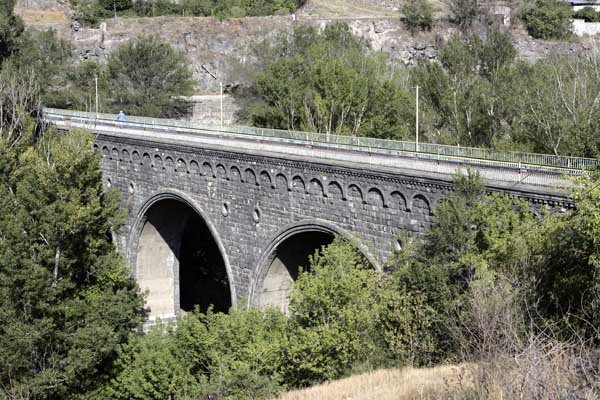
Set within the dramatic Hrazdan Gorge in Yerevan, Armenia, the Hrazdan Gorge Aqueduct is a striking convergence of natural beauty, historical depth, and Soviet-era engineering. This impressive structure not only facilitates water management and city connectivity but also stands as a testament to Armenia’s industrial progress and cultural identity during the 20th century. Designed by renowned architect Rafael Israelyan, the aqueduct’s use of local basalt stone harmonizes seamlessly with the gorge’s rugged landscape, creating both an engineering marvel and a vibrant cultural corridor. Whether you’re passionate about history, architecture, or are seeking unique sites in Yerevan, this guide provides all the essential information you need—visiting hours, accessibility, attractions, and tips for an enriching experience.
For up-to-date information, official resources such as the Yerevan Tourism Website and scholarly sources like Wikipedia offer valuable insights.

Historical and Geographical Context
The Hrazdan Gorge and River
The Hrazdan River, arising from Lake Sevan, carves a deep and scenic gorge through Yerevan, shaping the city’s geography and history. The gorge’s basalt cliffs, formed by ancient volcanic eruptions, have long provided natural protection and supported human settlement since the Stone Age. Archaeological finds in the Yerevan-1 and Amo-1 caves reveal that the area has been inhabited for millennia, with artifacts and even an Upper Paleolithic human skeleton discovered (Yerevan Municipality).
Throughout history, the Hrazdan River—known as Ildaruni in Urartian times—has been vital for agriculture, industry, and urban development. Its mythological and historical significance is reflected in ancient records and modern infrastructure.
Construction and Soviet Influence
Engineering and Purpose
The Hrazdan Gorge Aqueduct was constructed in the mid-20th century as part of a series of hydro-engineering initiatives. These projects, including the Sevan–Hrazdan Cascade of hydroelectric stations, were central to Armenia’s Soviet-era modernization. The aqueduct’s primary role was to transport water efficiently across the gorge, supporting both energy production and irrigation for the rapidly expanding city (Wikipedia: Hrazdan (river)).
Architectural Design
Rafael Israelyan’s architectural vision is evident in the aqueduct’s robust yet elegant form. Built between 1949 and 1950, the structure features locally quarried basalt stone—chosen for its durability and visual harmony with the surrounding cliffs. Its 100-meter length and 5-meter width accommodate both a water channel and a pedestrian pathway, while its distinctive arches efficiently distribute weight and provide scenic views over the gorge (Wikipedia: Hrazdan Gorge Aqueduct).
Cultural and Social Significance
Community and Urban Corridor
The Hrazdan Gorge Aqueduct is more than a utilitarian structure; it is woven into Yerevan’s social fabric. The gorge serves as a natural boundary and green corridor, connecting city neighborhoods and offering a retreat for walkers, joggers, and families. Locals flock to the area for picnics, recreation, and cultural events, making it a living urban landmark (Spotted by Locals: Hrazdan Gorge).
Artistic and Monumental Landmarks
Nearby, the “Tsovinar” statue—dedicated to the Armenian goddess of water and storms—adds a mythological and cultural layer to the site (Armenian Explorer: Tsovinar). Open-air art installations, performances, and seasonal festivals further anchor the aqueduct within Yerevan’s cultural life.
Environmental and Engineering Impact
The aqueduct is central to water management in Yerevan, channeling vital supplies for both power generation and agriculture. The Hrazdan River’s catchment area provides substantial water resources, though modern challenges such as pollution and ecological sustainability require ongoing attention (Wikipedia: Hrazdan (river)).
Yerevan’s commitment to environmental stewardship is reflected in the city’s membership in the International Union for Conservation of Nature (IUCN), emphasizing the gorge’s role as a vital ecological corridor (IUCN News: Municipality Yerevan joins IUCN).
Visiting the Hrazdan Gorge Aqueduct: Practical Information
Visiting Hours and Entry
- Accessibility: The aqueduct is open to the public year-round, 24/7. Daylight hours are recommended for safety and best views.
- Entry Fee: No entrance fee or ticket is required.
Getting There
- Metro: Hraparak Metro station is the nearest and offers convenient access.
- Bus & Taxi: Several bus lines and taxis connect to the gorge’s entrances.
- On Foot: Well-marked paths and a renovated Soviet-era tunnel link the city center to the aqueduct.
Site Accessibility
Most main paths are paved, but sections may include uneven terrain and steps. Visitors with mobility concerns should plan accordingly and may need assistance.
Guided Tours
Guided walking tours are offered by local operators, often focusing on the aqueduct’s historical, architectural, and ecological significance. These should be booked in advance, particularly during peak months.
Experience and Attractions
What to See and Do
- Panoramic Views: The aqueduct provides some of the best vistas of the gorge, river, and city skyline—ideal for photographers.
- Walking Trails: Explore the gorge’s network of paths leading to Tumanyan Park, the Children’s Railway, and archaeological sites.
- Nearby Monuments: The Tsovinar statue, Victory Bridge, Kievyan Bridge, and other Soviet-era landmarks are within easy reach.
- Parks and Recreation: Tumanyan Park and riverbank green spaces are perfect for picnics and family outings.
- Cultural Events: The area hosts open-air cinemas, musical performances, and art installations during festival seasons.
Practical Tips
- Best Times to Visit: Spring and autumn offer mild weather and vibrant scenery.
- Footwear: Wear sturdy shoes suitable for uneven terrain.
- Weather: Check forecasts and dress appropriately.
- Safety: Some areas are unlit at night and may have steep drops.
- Facilities: Bring water and snacks; amenities within the gorge are limited.
- Photography: Drones require special permission; respect any posted restrictions.
Preservation and Condition
After a period of post-Soviet neglect, restoration efforts have improved the aqueduct’s condition. Recent work includes stone cleaning, mortar repair, and path upgrades, ensuring the site remains accessible and safe for visitors.
Frequently Asked Questions (FAQ)
Q: What are the visiting hours for the Hrazdan Gorge Aqueduct?
A: The site is open and accessible at all times, but daylight visits are recommended.
Q: Is there an entrance fee?
A: No, visiting the aqueduct is free.
Q: Are guided tours available?
A: Yes, local tour operators provide guided tours focusing on history, architecture, and ecology.
Q: Is the area accessible for disabled visitors?
A: While some main paths are accessible, certain areas may present challenges. Check routes in advance.
Q: Can I take photos?
A: Absolutely! The aqueduct and its surroundings are highly photogenic.
Q: Are there nearby attractions?
A: Yes—visit the Tsovinar statue, Children’s Railway, Tumanyan Park, and the Yerevan Brandy Company, among others.
Discover More
To enhance your experience, download the Audiala app for curated tours, interactive maps, and the latest updates on Yerevan’s historical sites. Follow local tourism channels or visit the Yerevan Tourism Website for current event listings and accessibility updates.
Final Tips
Explore the Hrazdan Gorge Aqueduct to experience Yerevan’s remarkable blend of history, architecture, and natural beauty. Be sure to check for seasonal events, wear comfortable shoes, and bring your camera. For comprehensive visitor details and special events, consult the Yerevan Municipality Tourism Department and related resources (Wikipedia: Hrazdan Gorge Aqueduct).
Listen to the full story in the app
The whole Hrazdan Gorge Aqueduct,
told well.
Audio guides for 1,100+ cities across 96 countries. History, stories, and local insight — offline ready.
Verified, and shown.
Researched and written by the Audiala editorial team from historical records, architectural archives, and local expertise.
Researched from Wikidata, Wikipedia & official sources · fact-checked · How we make our guides →