Plan and listen to Blue Mosque with Audiala.
Audio guide in your pocket, itinerary in your browser. Built for the way you actually visit.
Introduction
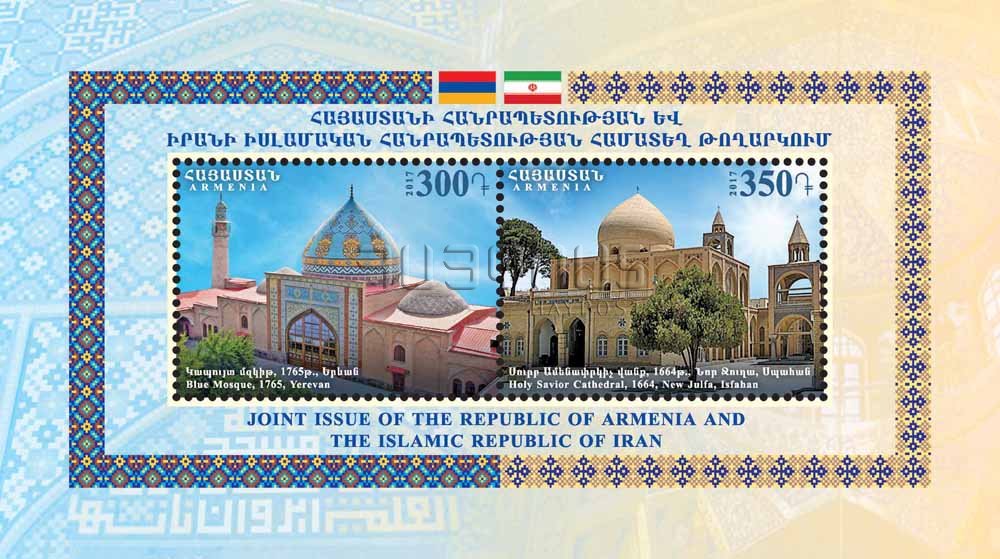
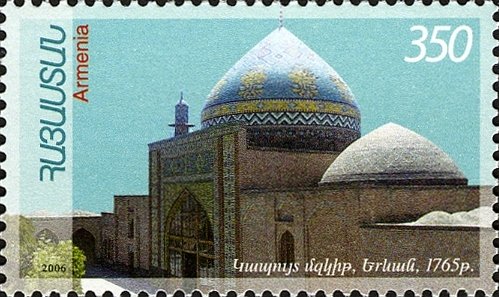
The Blue Mosque in Yerevan, Armenia, stands as a remarkable testament to the city’s multicultural past and the enduring influence of Persian Islamic architecture in the South Caucasus. Built between 1760 and 1770 during the Persian-ruled Erivan Khanate, it remains Armenia’s only functioning mosque and an active site of worship, interfaith dialogue, and cultural exchange (armeniatraveltips.com; tripventure.uk). Its iconic blue tilework, tranquil courtyard gardens, and layered history invite visitors to experience a unique facet of Yerevan’s heritage.
This comprehensive guide details the Blue Mosque’s origins, architectural significance, visiting hours, ticketing, accessibility, etiquette, and practical travel tips. Whether you are a history enthusiast, architecture lover, or cultural traveler, the Blue Mosque offers a serene and educational experience at the heart of Armenia’s capital.

Origins and Construction
Commissioned by Husseyinali Khan, khan of the Erivan Khanate, the Blue Mosque was built in the late 18th century as the primary religious and educational center for Yerevan’s Shia Muslim community (armeniatraveltips.com; ifimes.org). The mosque originally featured a prayer hall, madrasa (school), library, and a spacious courtyard, reflecting Persian religious architectural traditions.
Architectural Highlights
The Blue Mosque is celebrated for its classic Persian-Islamic design. Its blue-glazed tiles, which cover the entrance portal, dome, and minaret, give the structure its name and distinctive visual appeal (tripventure.uk). The mosque complex is organized around a central courtyard landscaped with gardens and fountains, providing a peaceful oasis amid the city.
Key features include:
- Main Dome and Minaret: The mosque’s main dome is adorned with vibrant blue, yellow, and green tiles, while a single minaret rises above one corner, both reflecting 18th-century Persian artistry (visityerevan.am).
- Four-Iwan Plan: The spatial layout follows the traditional Persian four-iwan (porch) plan, with the prayer hall and other structures symmetrically arranged around the courtyard (iranpress.com).
- Intricate Tilework: The facades are decorated with geometric and floral motifs in rich shades of blue and turquoise, showcasing Persian craftsmanship (thisrareearth.com).
Historical Evolution
Following the Russian annexation of Eastern Armenia in 1828, the mosque’s congregation declined due to demographic shifts, but it remained active until the Soviet era. In the 1930s, Soviet authorities closed the mosque and repurposed the complex as the Museum of the City of Yerevan, reflecting state atheism policies (armeniatraveltips.com). Despite interior modifications, the mosque’s exterior and tilework survived.
After Armenia’s independence in 1991, a major restoration funded by the Iranian government revived the mosque’s religious and cultural functions (armeniadiscovery.com). Today, it serves the city’s Muslim population—including Iranian expatriates and diplomats—and welcomes tourists interested in its history and architecture.
Restoration and Contemporary Role
The restoration, completed in the late 1990s, focused on reviving the mosque’s original Persian features and reestablishing it as a religious and cultural center (absolutearmenia.com). It is currently managed by the Iranian Embassy in Armenia and hosts regular prayers, religious festivals, exhibitions, and free Farsi language classes (thisrareearth.com).
Visiting Information
Hours and Admission
- Visiting Hours: The Blue Mosque is generally open daily from 10:00 AM to 1:00 PM and 3:00 PM to 6:00 PM, with a midday break (armeniadiscovery.com). Visiting hours may vary on religious holidays.
- Admission: Entry is free for all visitors. Donations for maintenance are welcome but not required.
Accessibility
- The main courtyard and prayer hall are accessible to most visitors, with some areas featuring steps or uneven surfaces. Wheelchair users should contact the mosque in advance to arrange assistance (absolutearmenia.com).
Guided Tours
- Guided tours can be arranged through local operators or by contacting the mosque’s administration. Tours provide detailed insights into the mosque’s history, architecture, and cultural significance (advantour.com).
Visitor Etiquette and Dress Code
- Modest Dress: Men should wear long trousers and avoid sleeveless tops; women are advised to cover arms and legs and bring a headscarf (Blue Mosque Dress Code Guide).
- Shoes: Remove shoes before entering the prayer hall.
- Behavior: Maintain respectful silence, especially during prayer times. Photography is allowed in the courtyard and gardens, but avoid photographing people without permission.
- Cultural Sensitivity: Respect the mosque’s religious function and refrain from eating, drinking, or picking fruit in the gardens.
Travel Tips and Nearby Attractions
- Location: Centrally located on Mashtots Avenue, the mosque is within walking distance of Republic Square, the History Museum of Armenia, and the Vernissage Market (The Crazy Tourist).
- Best Times to Visit: Early mornings or late afternoons are ideal for tranquility and photography.
- Nearby Amenities: The area offers cafés, restaurants, and shops, and the mosque provides basic facilities for visitors.
Frequently Asked Questions (FAQ)
Q: What are the Blue Mosque’s visiting hours?
A: Generally 10:00 AM–1:00 PM and 3:00 PM–6:00 PM daily, with possible changes during holidays (armeniadiscovery.com).
Q: Is there an entrance fee?
A: No, entry is free for all visitors.
Q: Are guided tours available?
A: Yes, tours can be arranged with prior notice (advantour.com).
Q: Is the mosque accessible for people with disabilities?
A: The main courtyard is accessible, though some historic areas may be less so. Contact ahead for assistance.
Q: Can I take photographs inside the mosque?
A: Photography is allowed in outdoor and courtyard areas, but be respectful and avoid photographing worshippers without permission.
Summary and Key Takeaways
The Blue Mosque of Yerevan is a vivid symbol of Armenia’s multicultural history, bridging Persian Islamic traditions with local heritage. Its exquisite blue tilework, peaceful gardens, and enduring spiritual role make it one of Yerevan’s most compelling historical sites (armeniatraveltips.com; tripventure.uk). Visitors benefit from free entry, guided tours, and a welcoming atmosphere when observing proper etiquette.
To ensure a rewarding experience:
- Check visiting hours in advance.
- Adhere to the dress code and respectful behavior.
- Plan to explore nearby historical and cultural attractions.
For updated visiting information, guided tours, and travel tips, download the Audiala app and follow us on social media for the latest updates on Yerevan’s heritage sites.
Listen to the full story in the app
The whole Blue Mosque,
told well.
Audio guides for 1,100+ cities across 96 countries. History, stories, and local insight — offline ready.
Verified, and shown.
Researched and written by the Audiala editorial team from historical records, architectural archives, and local expertise.
Researched from Wikidata, Wikipedia & official sources · fact-checked · How we make our guides →