Plan and listen to Avetik Isahakian Museum with Audiala.
Audio guide in your pocket, itinerary in your browser. Built for the way you actually visit.
Introduction
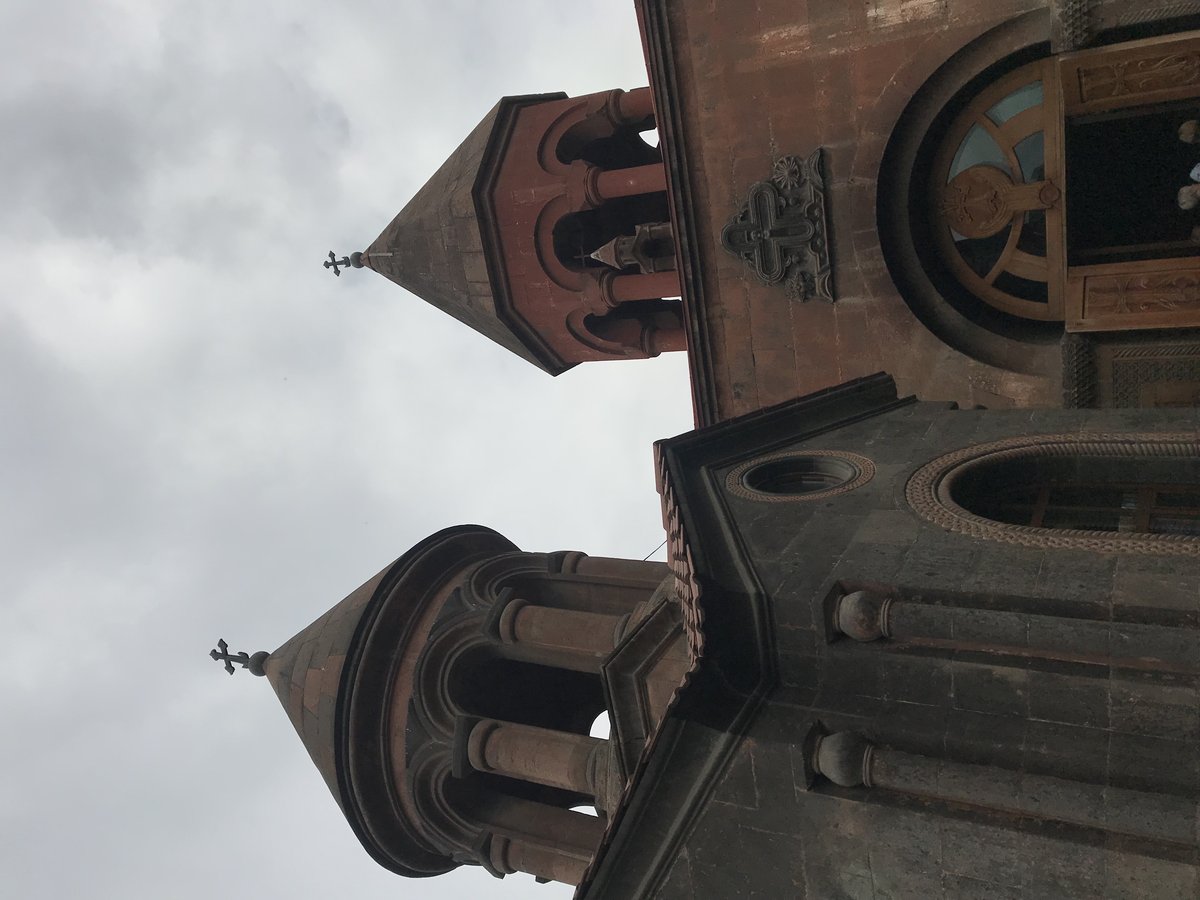
The Avetik Isahakian Museum, nestled in the heart of Yerevan, stands as a testament to Armenian literary heritage and the enduring legacy of Avetik Isahakian (1875–1957)—one of Armenia’s most celebrated poets and public intellectuals. More than just a preserved residence, the museum offers visitors an immersive journey into the poet’s personal and creative world, while also reflecting the broader evolution of Armenian culture and national identity. With its distinctive black tuff stone architecture and chapel-like design, the museum’s solemn atmosphere and curated collections make it an essential destination for anyone exploring Yerevan’s historical sites (Avetik Isahakian Museum Official; Travel to Armenia; Izi Travel).
Whether you are a literature lover, a history enthusiast, or a curious traveler, this guide provides everything you need to plan a memorable visit—including detailed information on visiting hours, tickets, accessibility, and practical tips for exploring Yerevan’s rich cultural landscape.
About Avetik Isahakian: Early Life and Legacy
Avetik Sahak Isahakyan was born in 1875 in Kazarapat, near Alexandropol (now Gyumri), Armenia. Educated at the St. Etchmiadzin Gevorgyan Seminary and later exposed to European intellectual currents in Leipzig, Isahakyan emerged as a leading literary and public figure (armenianhouse.org). His early involvement in the Armenian Revolutionary Federation and subsequent imprisonments for political activism shaped both his worldview and his art.
Isahakyan’s poetry, characterized by its lyricism and profound empathy, addressed themes of national identity, injustice, suffering, and hope. His works such as “Songs of Haiduks” and “Usta Karo” became rallying points for Armenian resilience and unity. During the Armenian Genocide and World War I, his writings became powerful chronicles of loss and endurance, earning him international recognition. Upon returning to Soviet Armenia, Isahakyan continued his literary and social contributions, serving as Chairman of the Writers’ Union and receiving numerous honors (armenianhouse.org).
The Museum Experience: Exhibits and Collections
Housed in Isahakyan’s former residence at 20 Zarobyan Street, the museum is divided into two principal sections:
Memorial Section
The ground floor preserves the original living quarters—including the poet’s study, bedroom, and sitting room—meticulously maintained with authentic furnishings, textiles, and personal belongings. Highlights include Isahakyan’s writing desk, his library of rare volumes, and personal effects that provide insight into his daily life and intellectual pursuits (avetik-isahakyan.mus.am).
Exhibition Halls
The upper floor features curated literary exhibitions, manuscripts, first editions, archival photographs, and correspondence. Artworks by renowned Armenian artists such as Martiros Saryan and Panos Terlemezyan, as well as Eastern cultural artifacts, round out the collection. Multimedia displays and interactive installations enhance the visitor experience, in line with contemporary museum standards (mirrorspectator.com).
The museum’s tranquil garden, planted by Isahakyan himself, includes commemorative monuments and benches, providing a peaceful space for reflection and outdoor cultural events.
Architectural Highlights and Atmosphere
Designed by architect Perchanush Msryan-Oksuzyan and expanded in 1963 by Henrikh Arakelyan, the museum’s architecture is notable for its use of black tuff stone—a material Isahakyan personally selected for its symbolic resonance with Armenian tradition. The building’s chapel-like proportions, triangular dome, and serene garden setting evoke a sense of reverence and contemplation (avetik-isahakyan.mus.am; visityerevan.am).
Visiting Hours, Tickets, and Accessibility
-
Visiting Hours:
- Tuesday to Sunday: 10:00 AM – 6:00 PM
- Closed on Mondays and public holidays (isahakyanmuseum.am)
-
Admission Fees:
- General ticket: 1,000 AMD
- Discounted rates for students and seniors
- Free for children under 7
- Guided tours in foreign languages: 2,500 AMD
- Tickets available at the entrance or online
-
Accessibility:
- The museum is wheelchair accessible, with ramps and adapted facilities. Some areas may have limited accessibility due to the historic structure; please contact the museum for specific needs.
Guided Tours, Events, and Community Engagement
-
Guided Tours:
Offered in Armenian, Russian, and English. Advance booking recommended, especially for group or foreign-language tours. -
Events:
The museum hosts regular literary readings, book presentations, concerts, scientific lectures, and temporary exhibitions. Annual highlights include “Museum Night” in May and special ceremonies for students from the school named after Isahakian (janarmenia.com; izi.travel). -
Educational Initiatives:
Open lessons, youth programs, and collaborative projects with local schools and cultural institutions foster a strong community presence.
Location, Transportation, and Nearby Attractions
-
Address: 20 Zarobyan Street, Yerevan, Armenia
-
How to Get There:
Centrally located and accessible via metro (Baghramian Avenue station), buses, or taxi/ride-hailing services. Walking from the city center is also convenient (Reddit). -
Nearby Attractions:
- Republic Square
- History Museum of Armenia
- Blue Mosque
- Yerevan Opera Theatre
- Cascade Complex
Frequently Asked Questions (FAQ)
Q: What are the Avetik Isahakian Museum opening hours?
A: Tuesday–Sunday: 10:00–18:00; closed Mondays and public holidays.
Q: How much are tickets?
A: General admission is 1,000 AMD; discounts for students/seniors; free for children under 7.
Q: Is the museum wheelchair accessible?
A: Yes, with ramps and adapted facilities. Some areas may have limited access due to the historic architecture.
Q: Are guided tours available in English?
A: Yes, advance booking is advised.
Q: Can I take photographs inside?
A: Photography is allowed in most areas; flash and tripod use may be restricted.
Q: How do I get there by public transport?
A: Metro and buses serve Baghramian Avenue nearby; taxis and ride-hailing apps are reliable.
Practical Visitor Tips
- Plan at least 1–1.5 hours for a thorough visit.
- Download the izi.TRAVEL app for an audio guide (izi.travel).
- Check the museum’s event calendar for special exhibitions and programs.
- Weekdays and early mornings are typically less crowded.
- Tap water in Yerevan is potable—bring a reusable bottle.
- The museum does not have a café; nearby dining options are available on Baghramian Avenue.
Listen to the full story in the app
The whole Avetik Isahakian Museum,
told well.
Audio guides for 1,100+ cities across 96 countries. History, stories, and local insight — offline ready.

Verified, and shown.
Researched and written by the Audiala editorial team from historical records, architectural archives, and local expertise.
Researched from Wikidata, Wikipedia & official sources · fact-checked · How we make our guides →