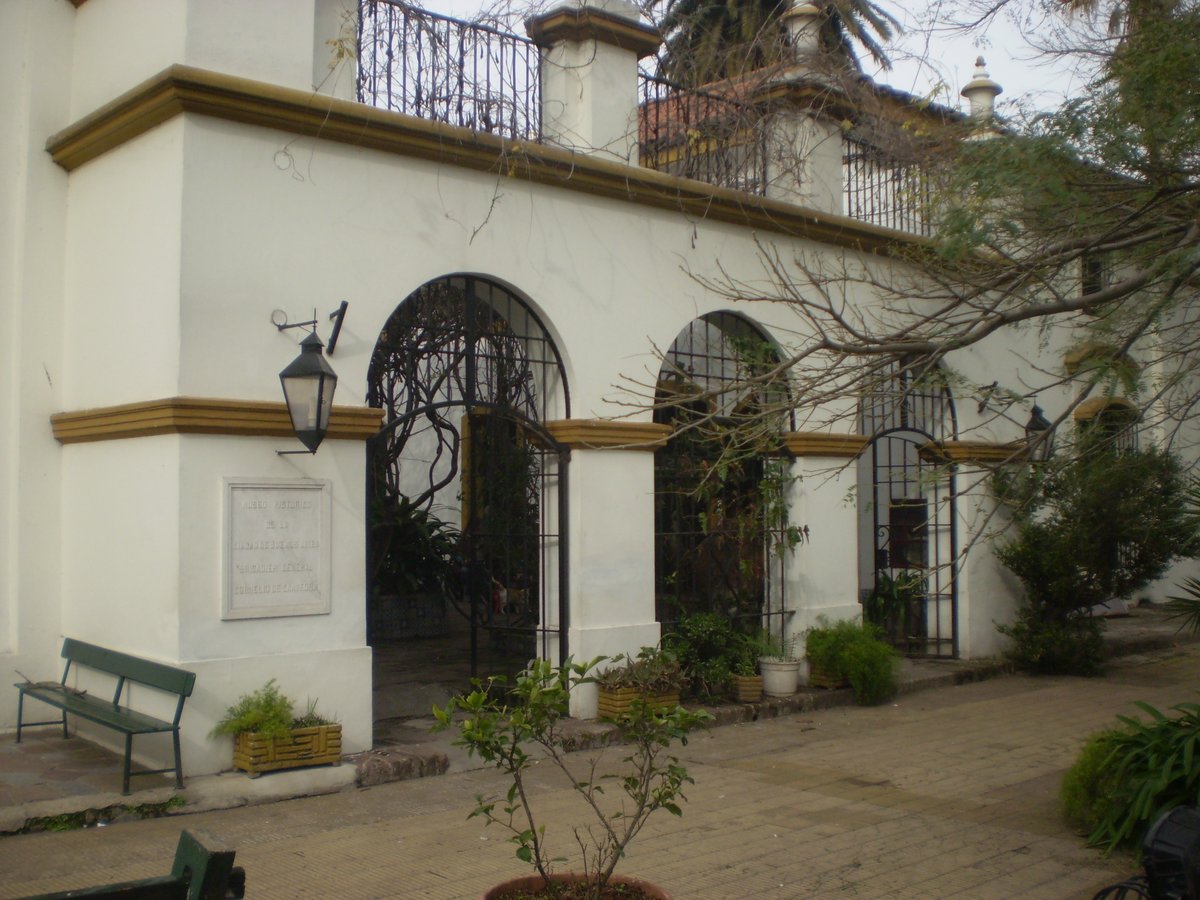



Colonial Foundations and Early History
San Antonio de Areco’s roots date back to the late 17th century, with formal establishment in 1730 along the Areco River. Historically, it served as a key stop for travelers and traders moving between Buenos Aires and the interior Pampas (GoToBuenosAires). The town’s colonial heritage is evident in landmarks such as the Parroquia San Antonio de Padua and the main square, Plaza Ruiz de Arellano (Adventure Backpack).
Gaucho Culture and Traditions
San Antonio de Areco is recognized as the birthplace of the gaucho tradition. The gaucho—Argentina’s emblematic horseman—remains a symbol of rural life, independence, and national identity. Estancias around the town offer visitors firsthand experiences in horseback riding, cattle herding, and traditional asado. Many local families trace their ancestry to gaucho forebears, and their presence is celebrated year-round (Veronika’s Adventure).
Architectural Heritage and Urban Landscape
The historic center features cobbled streets, whitewashed facades, and colonial mansions, preserving an authentic old-world ambiance (GoToBuenosAires). Highlights include:
- Plaza Ruiz de Arellano The town’s central square, surrounded by key municipal buildings.
- Parroquia San Antonio de Padua An 18th-century church, vital to local spiritual and social life.
- Puente Viejo The Old Bridge, built in 1857, connects the town with the museum district.
Visiting Hours and Ticket Information
- Parroquia San Antonio de Padua Open daily, 9:00 AM – 6:00 PM; free entry.
- Museo Gauchesco Ricardo Güiraldes Wednesday to Monday, 11:00 AM – 5:00 PM; AR$4 admission.
- Museo del Parque Wednesday to Sunday, 10:00 AM – 4:00 PM; free admission.
- Draghi Silversmith Workshop Monday to Saturday, 9:00 AM – 6:00 PM; entrance free, guided tours available.
Always confirm hours and prices with official sources or the local tourist office for the latest information.
Artisanal Traditions and Silverwork
San Antonio de Areco is renowned for its artisan community, particularly silversmiths (plateros) and leatherworkers. The Draghi Silversmith Workshop and other ateliers produce traditional gaucho knives, mate gourds, belts, and saddles. Many workshops offer demonstrations, and their handcrafted goods make unique souvenirs (Veronika’s Adventure, Triplyzer).
The Fiesta de la Tradición and Cultural Events
Fiesta de la Tradición
Held each November, the Fiesta de la Tradición is Argentina’s premier celebration of gaucho heritage, drawing thousands for parades, horseback competitions, folklore performances, and communal asados (Adventure Backpack, sanantoniodeareco.com). The festival includes:
- Gaucho parades through town in traditional attire
- Equestrian demonstrations and rodeo events
- Live folk music and dance (zamba, chacarera, malambo)
- Artisan and food markets
Other annual events, such as the Fiesta de las Tropillas Entabladas y Jineteada in May, showcase horsemanship and rural traditions in a more intimate setting.
Estancias and Rural Experiences
Historic estancias like El Ombú de Areco offer authentic day or overnight experiences, including horseback riding, carriage rides, asados, and folk performances (Triplyzer; Che Argentina Travel). Reservations are required and packages vary by activity.
Music, Dance, and Folklore
Traditional folk genres—zamba, chacarera, and malambo—enliven festivals and gatherings, featuring guitar, accordion, and bombo drum. Pulperías (historic taverns) like La Blanqueada and Boliche Bessonart often host live performances (Adventure Backpack).
Gastronomy and Local Flavors
San Antonio de Areco’s culinary scene revolves around the Argentine asado (barbecue), served in parrillas and pulperías. Local specialties include:
- Asado Grilled beef cuts with chimichurri
- Empanadas Savory pastries
- Dulce de leche sweets Chocolates and alfajores from bakeries like La Olla de Cobre
Recommended restaurants include El Palomar, La Porfiada, Mestizo, and Rossita. Cafés such as Juana Canela and La Martina are ideal for coffee and pastries (Areco Tradicion).
Getting There and Around
From Buenos Aires
- By Car Take the Panamerican Highway (Route 8) northwest; journey is 1.5–2 hours with two tolls (Wander Argentina).
- By Bus Nueva Chevalier offers frequent departures from Retiro Terminal; tickets under US$10; buses stop at the town entrance (Wander Argentina).
- By Tour Several agencies provide day tours with transport and guided activities (Sol Salute).
Local Transport
The town is walkable and bicycle-friendly. For trips to estancias or nearby villages, use local remis (car service): Remis Sol (02326 455-444) or Remis Express (02326 452-254).
Accessibility and Travel Tips
- Wear comfortable shoes for walking on cobblestones.
- The town is largely accessible, but some historic streets may challenge mobility.
- Many shops and restaurants accept cash only; bring Argentine pesos.
- Siesta closures: Weekdays from 12:30–5:00 PM, so plan visits accordingly.
- Book estancia visits and festival accommodations in advance.
Frequently Asked Questions (FAQ)
Q: What are visiting hours for main attractions?
A: Most museums open 10:00/11:00 AM–5:00 PM; churches are open 9:00 AM–6:00 PM.
Q: Do museums charge admission?
A: Yes, small fees apply (e.g., Museo Gauchesco Ricardo Güiraldes AR$4); some sites are free.
Q: How do I reach San Antonio de Areco from Buenos Aires?
A: By car (1.5–2 hours), bus (Nueva Chevalier from Retiro), or organized tour.
Q: Is the town accessible for visitors with disabilities?
A: Many hotels and some attractions offer accessibility features; cobblestone streets may pose challenges.
Q: When is the best time to visit?
A: November (Fiesta de la Tradición) for festivals; spring and fall for pleasant weather.
Related Articles
- Top Buenos Aires Historical Sites to Visit
- Guide to Argentine Gaucho Culture
- Best Estancias Near Buenos Aires for Day Trips
Discover More
San Antonio de Areco offers an unrivaled window into Argentina’s colonial and rural traditions, from its cobblestone streets and artisan workshops to vibrant festivals and authentic estancias. Whether you’re seeking history, culture, or gastronomy, this town delivers a rich, immersive experience.
Ready to experience San Antonio de Areco? Download the Audiala app for offline guides, real-time updates, and local tips. Follow us on social media for event alerts and explore our related articles to enrich your Argentine adventure!