Rosario’s Urban Evolution
Rosario, located along the Paraná River, has evolved from a colonial settlement into Argentina’s leading export port by the late 19th century (History of Rosario). Waves of European immigration and commercial growth transformed its skyline, ushering in architectural diversity and a progressive urban spirit. The late 20th and early 21st centuries marked a renewed focus on converting industrial riverbanks into modern residential and recreational spaces, laying the groundwork for landmark projects like Punta Divisadero.
Punta Divisadero: Development and Context
Edificio Punta Divisadero was conceived during a period of significant urban renewal, as Rosario realigned its riverfront for contemporary use (Skyscraper Center). The building’s development was driven by:
- Demand for Modern Living Rosario’s growing professional and middle classes sought luxury residences with river views and contemporary amenities.
- Strategic Position Its site near the river and city center offered both prestige and accessibility.
- Architectural Vision Punta Divisadero aimed to set new standards for residential design, both in height and modern aesthetics.
The project epitomized Rosario’s ambition to be recognized alongside other major Argentine cities as a center of urban innovation.
Architectural Features and Innovations
Punta Divisadero’s modernist design is characterized by its clean lines, extensive glazing, and vertical silhouette. Key features include:
- Height and Structure 115 meters and 37 stories, making it a defining feature of Rosario’s skyline.
- Glass Façade Maximizes natural light and panoramic views of the Paraná River.
- Structural Engineering Utilizes reinforced concrete frames and post-tensioned slabs for stability on riverbank soil and resistance to local winds (Hikersbay Rosario).
- Amenities Includes private parking, 24-hour security, and communal spaces for residents.
The building’s construction required advanced engineering to address foundation stability and environmental challenges posed by its riverfront location.
Cultural and Symbolic Role
Punta Divisadero is more than an architectural achievement; it is a symbol of Rosario’s transition from industrial hub to dynamic urban center. The building:
- Represents Urban Renewal It is a key part of efforts to repurpose riverfront land for residential and public use, similar to Buenos Aires’ Puerto Madero projects (History of Rosario).
- Reflects Socioeconomic Change Its luxury status mirrors the aspirations of Rosario’s modern urban population.
- Contributes to Architectural Diversity Stands alongside neoclassical, modernist, and adaptive reuse landmarks like the Museum of Contemporary Art (MACRO) (Rosario Landmarks).
Visitor Information
Building Access and Viewing
- Public Access Punta Divisadero is a private residence; there is no public entry, observation deck, or ticketing.
- Viewing Points The building can be admired from Costanera Avenue and other riverfront promenades, which are open year-round, dawn to dusk.
- Photography Sunset and early morning are ideal for photographing the building’s glass façade and the city skyline.
Accessibility and Tours
- Accessibility The surrounding area is wheelchair-friendly, with paved walkways and ramps.
- Guided Tours While no official tours enter the building, local city or architectural tours often include the riverfront and Punta Divisadero in their itineraries.
Nearby Attractions
- Museum of Contemporary Art (MACRO) Housed in a repurposed grain silo, this museum is a nearby cultural highlight.
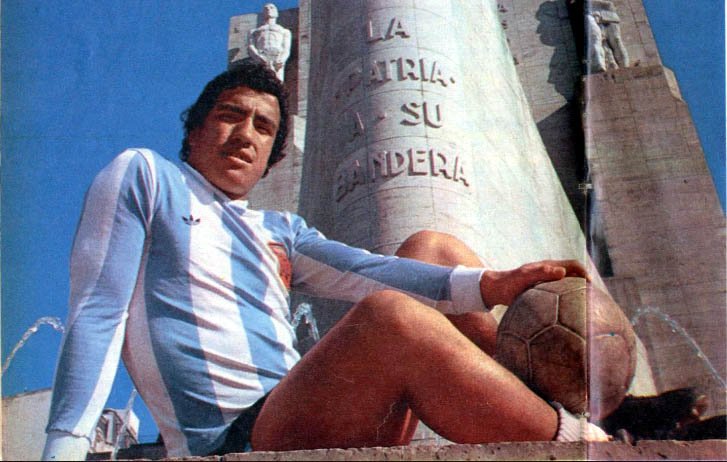
- National Flag Memorial An iconic monument commemorating Argentina’s flag, offering panoramic city views.
- Parque de España and Independence Park Popular green spaces for recreation.
- Historical Architecture Oroño and Pellegrini Boulevards feature neoclassical and Italianate buildings (Lonely Planet).
Architectural Context
Urban Integration
Punta Divisadero occupies a prominent riverfront location, seamlessly connecting with Rosario’s revitalized public spaces and green parks (Hikersbay Rosario). Its placement maximizes river views and reinforces its role as a visual anchor in the city’s urban design.
Style, Engineering, and Sustainability
- Modernist Aesthetic The building’s glass and concrete façade embodies transparency, light, and structural clarity.
- Structural Innovation Reinforced concrete and post-tensioned slabs provide safety and flexibility.
- Sustainable Features High-performance glazing, green roofs, rainwater harvesting, and energy-efficient HVAC systems reduce environmental impact.
Interior Design
Punta Divisadero’s residences showcase open layouts, communal lounges, and panoramic views. Locally sourced materials, such as native hardwood, create a warm, inviting atmosphere.
Heritage and Community
While distinctly modern, Punta Divisadero’s materials and form echo Rosario’s industrial history and its relationship with the Paraná River. The building helps bridge the city’s past and future, while adjacent public plazas and parks foster community engagement and host art events (Hikersbay Rosario).
Nighttime Identity
Energy-efficient lighting transforms the building into a riverfront beacon after dark, highlighting its architectural features while minimizing light pollution.
Travel and Practical Information
Location and Getting There
- Address Prime riverfront, easily accessible by foot, taxi, or public transport from downtown Rosario (Mapcarta).
- From Airport Rosario International Airport (ROS) is 13 km away, with taxis and ride-sharing available (WildTrips).
- By Bus/Train Rosario’s central terminal connects with major cities; local buses and taxis serve the riverfront.
Weather and Best Time to Visit
- July Winter temperatures range from 8°C to 16°C, with 3–8 rainy days and about 10 hours of daylight (Weather25).
- Crowds Fewer tourists in winter; summer brings more riverfront activity.
Amenities
- Accommodation Hotels and hostels, including Hotel Viamonte Imperial and Coronado Suites, are nearby (HollyMelody).
- Dining Argentine cuisine and international options line the riverfront (HollyMelody).
- Shopping Artisanal markets and city center malls.
- Language Spanish is predominant; basic Spanish or translation apps are helpful.
Safety
- General Rosario is safe for tourists, especially in the riverfront area; use standard precautions, particularly at night (WildTrips).
Accessibility
- Mobility Flat, accessible sidewalks and public areas.
- Transport City buses require a SUBE card; taxis are metered.
Frequently Asked Questions (FAQs)
Q: Can I enter Punta Divisadero?
A: No, the building is private residential; only residents and their guests may enter.
Q: Is there an observation deck or guided tours inside?
A: No interior access or official tours, but the exterior is a highlight of riverfront walking tours.
Q: What are the best nearby attractions?
A: National Flag Memorial, MACRO, Costanera promenade, Independence Park, and historic boulevards.
Q: How accessible is the area?
A: Surrounding public spaces are wheelchair-accessible and pedestrian-friendly.
Q: Is the neighborhood safe?
A: Yes, especially during the day; observe basic safety measures at night.
Summary Table: Key Facts
| Feature | Details |
|---|---|
| Height | 115 meters (377 feet) |
| Floors | 37 |
| Completion Year | 2002 |
| Function | Residential |
| Public Access | Exterior only; no interior visits or tickets |
| Best Viewing Points | Costanera, riverfront promenades |
| Nearby Attractions | National Flag Memorial, MACRO, Independence Park |
| Accessibility | Wheelchair-accessible public areas |
| Weather in July | 8–16°C; 3–8 rainy days; 10 hours daylight |
| Safety | Generally safe; standard precautions |
| Language | Spanish |