


Key Historical Background
Origins and Founding Vision
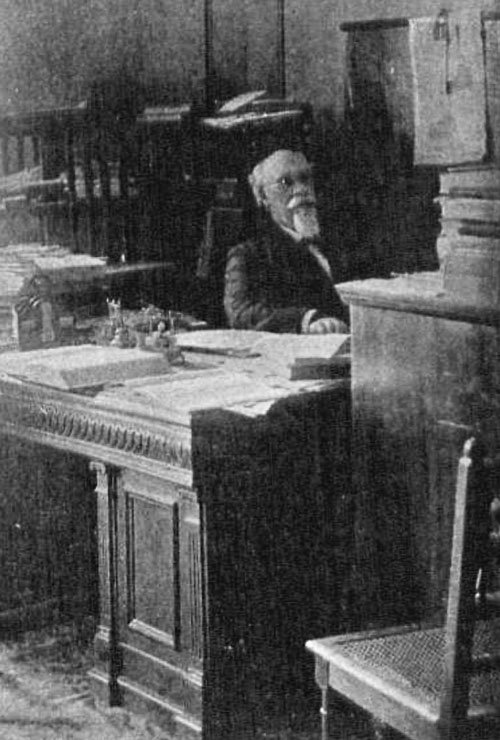
The OAC was founded on October 24, 1871, a landmark date now celebrated as Argentine Astronomy Day. President Sarmiento, a visionary reformer, sought to modernize Argentina by investing in education and science and invited Benjamin Apthorp Gould to lead the new observatory. Gould’s expertise in celestial cartography and his international reputation positioned the OAC as a significant player in global astronomy from its inception (Cambridge University Press).
Scientific Milestones and Legacy
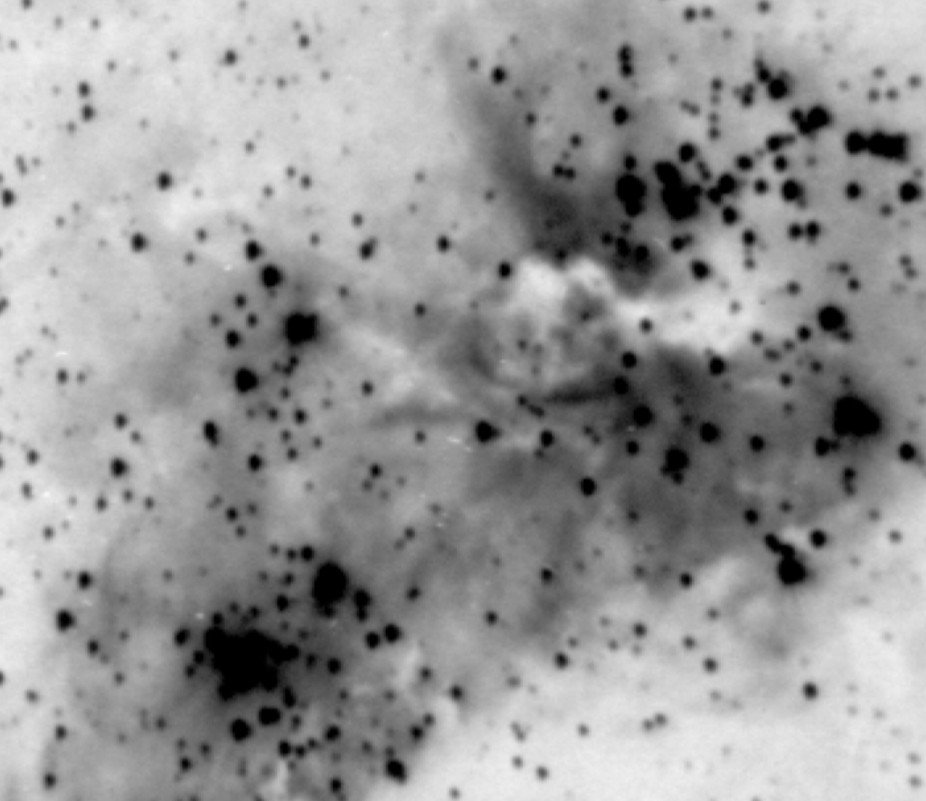
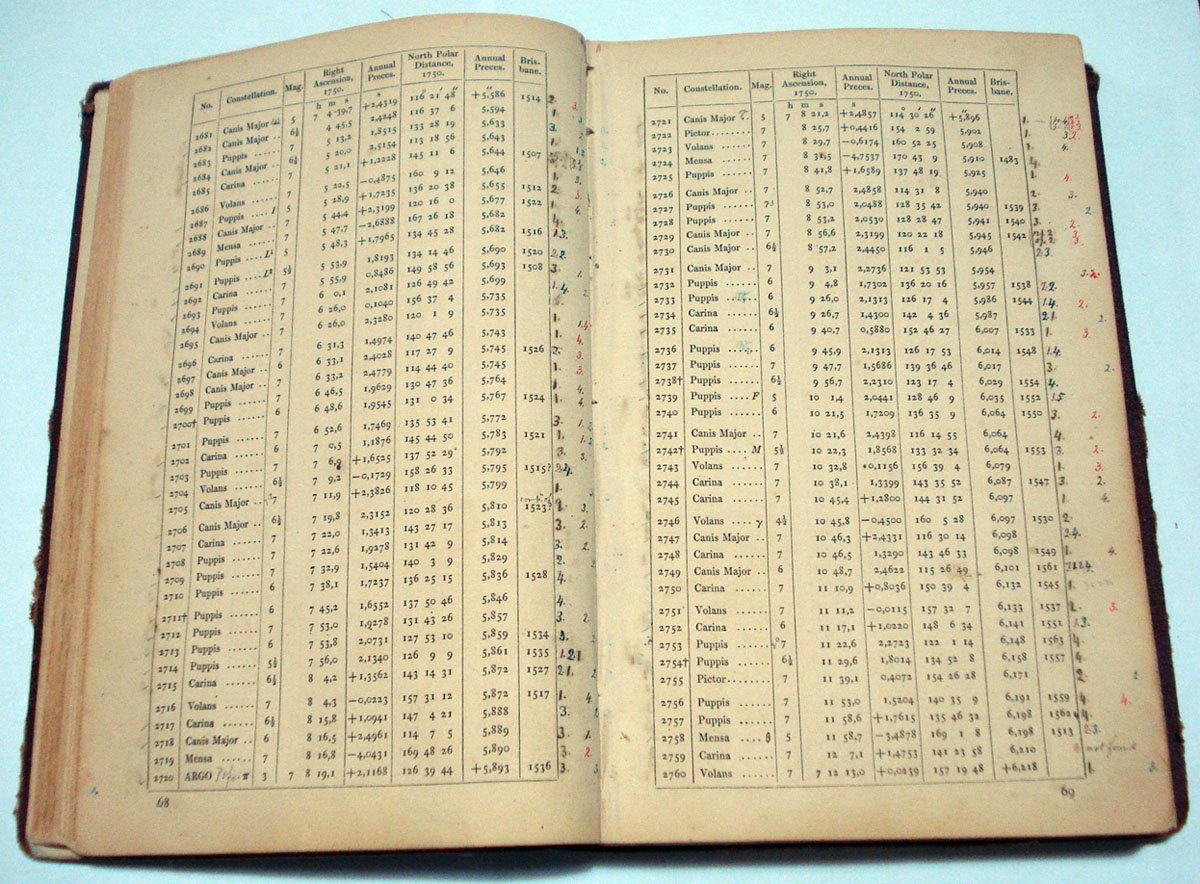
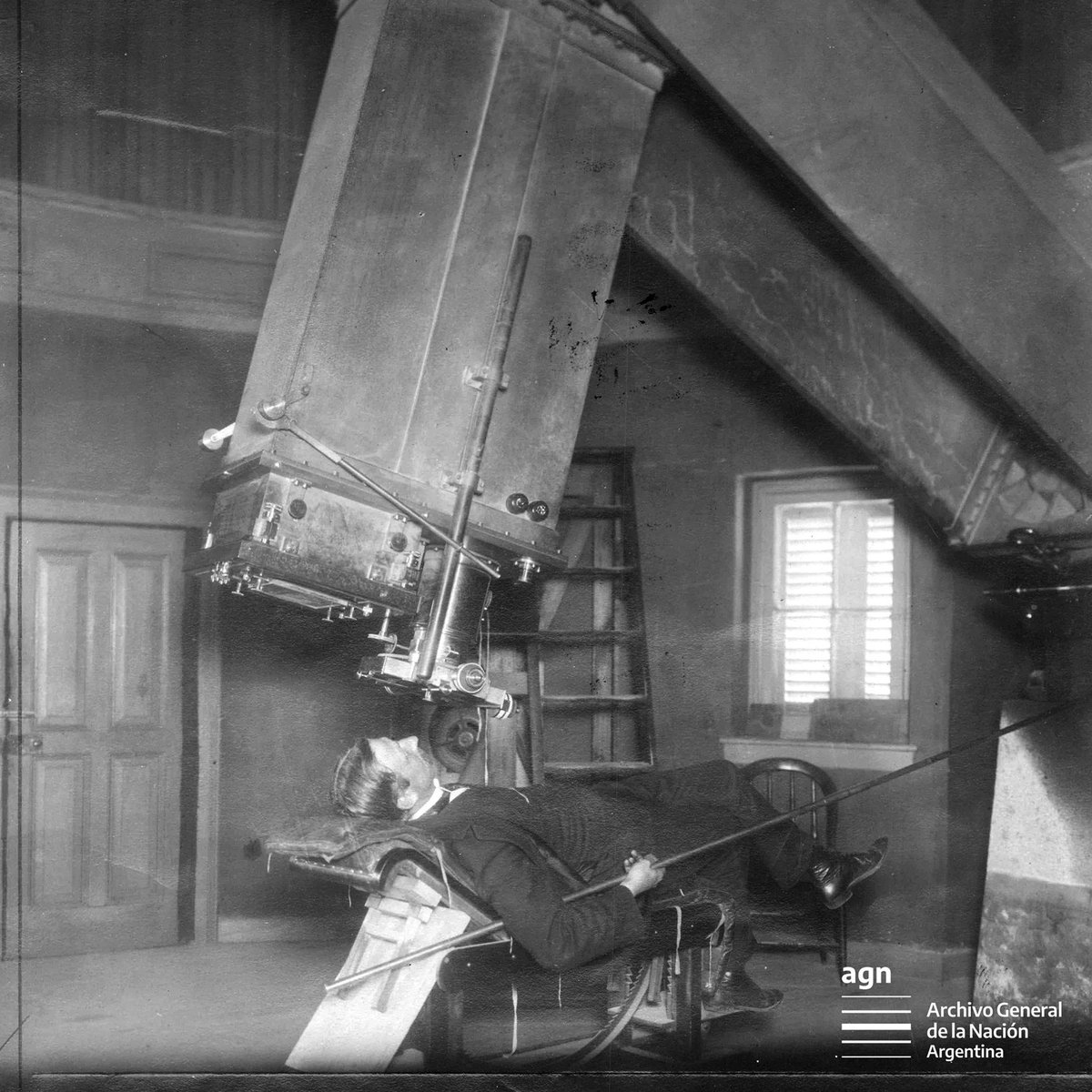
From the outset, the OAC contributed pivotal work to astronomy, including the pioneering Córdoba Durchmusterung star catalog, which documented over 613,000 southern hemisphere stars (Scribd: The Cordoba Observatory and The History). The observatory was also at the forefront of astrophotography, taking some of the earliest photographs of Mars in 1879 and publishing the influential “Córdoba Photographs” in 1897. Over the years, the OAC has continued to innovate, train scientists, and foster international partnerships (NOC Argentina).
Visitor Essentials
Location and Accessibility
Address: Calle Francisco de Laprida 854, Córdoba, Argentina (Trek Zone).
The observatory is centrally located in Barrio Observatorio, within walking distance of the city’s main attractions, and easily accessible by public transport, taxi, or on foot.
Getting There:
- From Ingeniero Taravella International Airport: Approximately 12 km, with transfers by taxi, shuttle, or public bus.
- From city center landmarks: 13 minutes on foot from Plaza de la Intendencia, 17 minutes from Patio Olmos, and 20 minutes from the UNESCO-listed Jesuit Block (Wide World Trips).
Visiting Hours and Ticket Information
Main Observatory (OAC, Laprida 854)
- Night Visits Fridays and Saturdays from 19:00 to 22:00. Free entry, no reservation required (OAC Official Site).
- Planetarium Shows Four 45-minute sessions each night at 20:00, 20:45, 21:30, and 22:15; first-come, first-served (infodecordoba.com.ar).
- Day Visits Not regularly available; check the official website for updates.
Bosque Alegre Astrophysical Station
- Location 50 km southwest of Córdoba in the Sierras Chicas (Wikipedia).
- Day Visits Saturdays and Sundays, 10:30–13:00 and 15:30–18:00. Entry fee: ARS $2,500 adults; ARS $2,000 children/retirees.
- Night Visits Saturdays and Sundays, 19:00–21:00. Advance booking and online ticket purchase required (OAC Night Visit Tickets); ARS $3,800 adults; ARS $2,500 children/retirees.
- Payment Bank transfer; bring payment confirmation.
Guided Tours and Special Events
- Main Observatory Guided tours, museum access, and telescope observation (weather permitting) included in night visits.
- Bosque Alegre Guided tours of the 1.54m reflecting telescope, with explanations of ongoing research and historical context.
- Special Events Meteor showers, eclipses, and educational workshops announced on the observatory’s news section.
Accessibility and Language
- Main Observatory Partial wheelchair accessibility; some domes require stairs.
- Bosque Alegre Uneven terrain—wear sturdy footwear.
- Language Tours and signage are mainly in Spanish. Some guides speak English; non-Spanish speakers should inquire ahead or use translation tools (turismodecordoba.org).
What to Expect: The Visitor Experience
Observatory Highlights
- Historic Main Dome Houses the 11-inch Merz Equatorial Refractor, one of South America’s oldest operational telescopes.
- Exhibition Halls & Museum Featuring historic instruments, celestial mapping artifacts, and exhibitions on Argentina’s astronomical heritage (Casa Rosada).
- Planetarium Full-dome shows with interactive Q&A sessions.
- Night Sky Observation Guided viewing of southern hemisphere constellations and celestial objects.
Bosque Alegre Astrophysical Station
- Scientific Tours Learn about the 1.54m telescope’s legacy and ongoing research, including contributions to the Atlas of Austral Galaxies.
- Stargazing Night visits offer telescope observation in a scenic mountain setting.
Educational Programs and Family Activities
- Interactive Exhibits Engaging for all ages and tailored to diverse audiences.
- School Tours Educational programs for groups.
- Special Events Lectures, workshops, and astronomy olympiads (OAC News).
Practical Information and Visitor Tips
Best Times to Visit
- Clear Skies March–October, especially during winter (May–September).
- Avoid Crowds December and March shoulder seasons are less busy.
- Weather Telescope viewing is weather-dependent; museum and planetarium remain open in all weather (Argentina Travel).
Food, Amenities, and Safety
- No On-site Café Plan meals before or after; restaurants and cafés are nearby (Wide World Trips).
- Restrooms Available on-site.
- Safety Standard precautions apply, especially at night (Across South America).
Booking, Entry, and Photography
- Booking No reservation needed for main observatory night visits. Advance online booking required for Bosque Alegre night visits (OAC Night Visit Tickets).
- Photography Allowed in most areas; flash and tripods restricted during telescope sessions. Always check with your guide.
Nearby Córdoba Historical Sites
- Jesuit Block (Manzana Jesuítica) UNESCO World Heritage site, 20-minute walk (Trek Zone).
- Córdoba Cathedral Iconic colonial architecture in the city center.
- Plaza San Martín Bustling central square.
- Evita Fine Arts Museum 24-minute walk from the observatory.
Frequently Asked Questions (FAQ)
Q: What are the Argentine National Observatory visiting hours?
A: Main observatory night visits are Fridays and Saturdays, 19:00–22:00. Bosque Alegre is open for day visits on weekends, 10:30–13:00 and 15:30–18:00; night visits require advance booking, 19:00–21:00.
Q: How do I purchase tickets?
A: Main observatory visits are free and require no tickets. Bosque Alegre night visits require online advance purchase (OAC Night Visit Tickets); day visits are paid at entry via bank transfer.
Q: Are the observatories accessible?
A: The main site is partially accessible; domes require stairs. Bosque Alegre has uneven terrain—plan accordingly.
Q: Is there an English guide available?
A: Some guides speak basic English. Confirm in advance or use translation tools.
Q: Can I take photographs?
A: Yes, except during telescope use and in sensitive areas.
Discover More
The Argentine National Observatory stands at the crossroads of science, history, and culture, offering an unparalleled experience for visitors of all ages. With its storied past, ongoing scientific research, and engaging public programs, the OAC is not just a window to the stars—it’s a portal into Argentina’s intellectual legacy.
Plan your visit using the information above, consult the official website, and stay up to date with announcements on special events. For enhanced visitor experience, download the Audiala app for interactive guides, and follow our social media channels for the latest updates and travel inspiration.
Embark on your astronomical adventure in Córdoba—where history and the cosmos unite.