Introduction
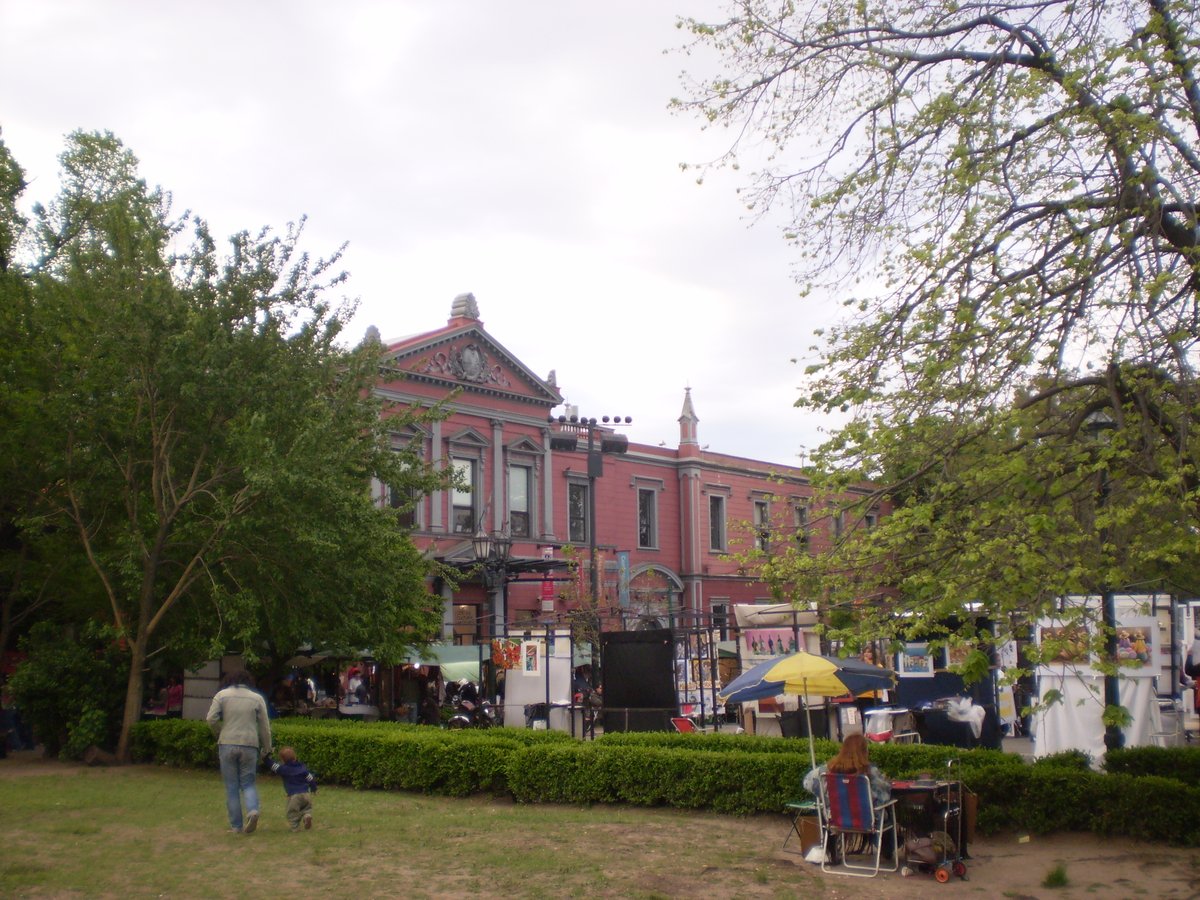
Plaza San Martín, set in Buenos Aires’ elegant Retiro neighborhood, stands as one of the city’s most emblematic public spaces—blending Argentina’s colonial roots, independence milestones, and cosmopolitan culture. Named after General José de San Martín—Argentina’s foremost independence leader—the plaza is a vibrant green oasis, surrounded by architectural marvels and steeped in national memory. Whether you’re a history enthusiast, architecture lover, or traveler seeking a tranquil retreat, this guide provides all the essential information for visiting Plaza San Martín, including its history, visiting hours, accessibility, main attractions, and local tips (baenfoco.com, HelloTravel, Turismo Buenos Aires).
Photo Gallery
Explore Plaza San Martín in Pictures

Early Origins and Colonial Era
Plaza San Martín’s origins trace back to early 17th-century Buenos Aires, marking the city’s northern boundary in a 1608 plan (baenfoco.com). Throughout the colonial period, the area served multiple purposes: spiritual retreat for religious orders, administrative center, and, by 1718, a site for the British South Sea Company’s slave market—a reminder of Argentina’s complex colonial past. Remnants of these eras, including archaeological traces of slave-holding facilities, still lie beneath the plaza (baenfoco.com).
During the late colonial era, the site evolved into a social hub, hosting a bullfighting stadium that could seat 10,000—about a quarter of the city’s population at the time (baenfoco.com).
Independence and Military Significance
In the early 19th century, Plaza San Martín became entwined with Argentina’s struggle for nationhood. The 1807 British invasion culminated in a decisive battle here, earning the plaza the names “Campo de la Gloria” and “Campo de Marte” (baenfoco.com). In 1812, General José de San Martín established the Regiment of Mounted Grenadiers’ headquarters at the plaza, from which he launched pivotal campaigns for South American independence (baenfoco.com). The central equestrian monument honors this legacy.
Urban Transformation and Cultural Flourishing
By the late 19th century, Retiro became Buenos Aires’ elite district, with grand mansions and landscaped gardens replacing utilitarian colonial structures (baenfoco.com). The plaza’s current French-inspired layout is the work of renowned landscape architect Charles Thays and later his son, Carlos León Thays (Turismo Buenos Aires, Wikipedia). The Argentine Pavilion, originally built for the 1889 Paris Universal Exhibition, was reassembled here, housing major art exhibitions until its demolition in 1933—an episode reflecting Argentina’s cultural and economic ambitions (gatewaytosouthamerica-newsblog.com).
Main Attractions and Monuments
Equestrian Statue of General José de San Martín
Inaugurated in 1862, this imposing monument is the plaza’s focal point. The bronze statue, surrounded by allegorical figures, commemorates San Martín’s leadership in the liberation of Argentina, Chile, and Peru (HelloTravel, baenfoco.com).
Monument to the Fallen in Malvinas
A contemporary memorial honors Argentine soldiers lost in the 1982 Falklands/Malvinas War. Featuring a granite wall inscribed with names and an eternal flame, it is a site of remembrance and national reflection (turismo.buenosaires.gob.ar).
The Kavanagh Building
A 120-meter Art Deco skyscraper completed in 1936, the Kavanagh Building was once Latin America’s tallest and is recognized for its innovative design and urban legends (La Nación).
Palacio Paz
One of Argentina’s grandest mansions, Palacio Paz is an opulent French academicist building housing the Círculo Militar (Military Officers’ Club). Its interiors, marble staircases, and salons evoke the city’s Belle Époque (La Nación).
Plaza Hotel
Dating back to 1909, the Plaza Hotel is a historical landmark designed in French academicist style. Currently under restoration, it is set to blend luxury hospitality with residential options (La Nación).
Palacio San Martín
A Beaux-Arts mansion now serving as the Ministry of Foreign Affairs, Palacio San Martín is admired for its elegant façade and gardens (La Nación).
French Landscaping and Botanical Diversity
The plaza’s gardens, designed by Charles Thays, showcase native and exotic trees—tipas, jacarandas, magnolias—creating a lush urban retreat (turismo.buenosaires.gob.ar).
Nearby Architectural Highlights
- Palacio Anchorena: Ceremonial seat of the Ministry of Foreign Affairs (La Nación).
- Palacio Estrugamou: Luxurious French-style residential building from 1929.
- Calle Arroyo: Lined with art galleries, embassies, and fine dining (La Nación).
- Petit Hotels and Historic Residences: Many now serve as embassies or boutique accommodations.
Visiting Hours, Tickets, and Accessibility
- Opening Hours: Plaza San Martín is open to the public 24 hours a day, year-round (Audiala).
- Admission: Entry is free; some nearby museums or guided tours may charge separate fees.
- Accessibility: Wheelchair-accessible with paved paths and ramps. Some surrounding streets may have uneven cobblestones.
- Location: Retiro neighborhood, bordered by Avenida Santa Fe and Avenida del Libertador; easily accessed by subway (C Line: Retiro, E Line: Catalinas), train, or bus (buenosaireshabitat.com).
Practical Tips for Visitors
- Best Times to Visit: Spring (September–November) and autumn (March–May) for mild weather and blooming jacarandas. Early mornings and late afternoons are ideal for photography and leisurely strolls (buenosaireshabitat.com).
- What to Bring: Comfortable shoes (for cobblestone paths), sun protection, water bottle, and a camera.
- Nearby Services: Cafes, bakeries, and restaurants abound; Florida Street offers shopping and quick bites. Accommodation ranges from luxury hotels to boutique stays (solsalute.com).
- Facilities: Benches, shaded areas, limited public restrooms (available in nearby cafes and hotels), public Wi-Fi hotspots.
- Safety: The area is generally safe, especially during daylight. Use standard urban precautions and stay in well-lit areas after dark (solsalute.com).
Events and Cultural Activities
Plaza San Martín regularly hosts concerts, art installations, public ceremonies, and national commemorations—especially at the San Martín monument and Malvinas memorial. Notable past events include large-scale art exhibitions and community gatherings during international events like the FIFA World Cup (Buenos Aires Free Walks, GoToBuenosAires). Check local tourism sites for current event listings.
Frequently Asked Questions (FAQs)
Q: Is there an entrance fee?
A: No, Plaza San Martín is free to enter.
Q: What are the opening hours?
A: Open 24/7, year-round.
Q: Are guided tours available?
A: Yes, several companies and platforms (like Audiala) offer walking and audio tours. Advance booking is recommended.
Q: Is the plaza accessible for wheelchair users?
A: Yes, mostly flat paths and ramps; some older sidewalks may be uneven.
Q: How do I get there by public transport?
A: Take the subway (C Line: Retiro station, E Line: Catalinas station), train to Retiro, or numerous bus lines.
Q: What are nearby attractions?
A: Kavanagh Building, Palacio Paz, Retiro station, Florida Street, Basílica del Santísimo Sacramento, Torre Monumental, and art museums.
Listen to the full story in the app
Your Personal Curator, in Your Pocket.
Audio guides for 1,100+ cities across 96 countries. History, stories, and local insight — offline ready.
Audiala App
Available on iOS & Android
Join 50k+ Curators
Sources
- verified
- verified
- verified
- verified
- verified
- verified
- verified
- verified
- verified
- verified
- verified
- verified
Last reviewed: