Plan and listen to Municipal Palace Of Buenos Aires with Audiala.
Audio guide in your pocket, itinerary in your browser. Built for the way you actually visit.
Introduction
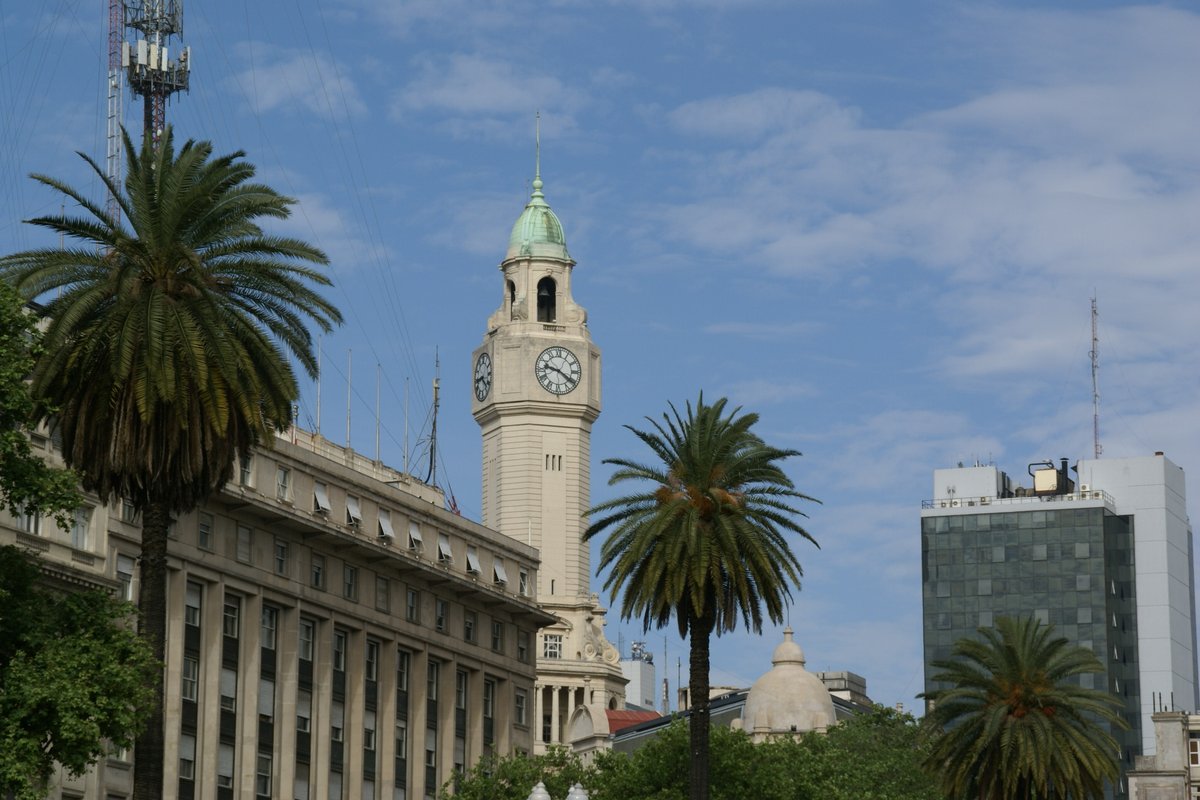
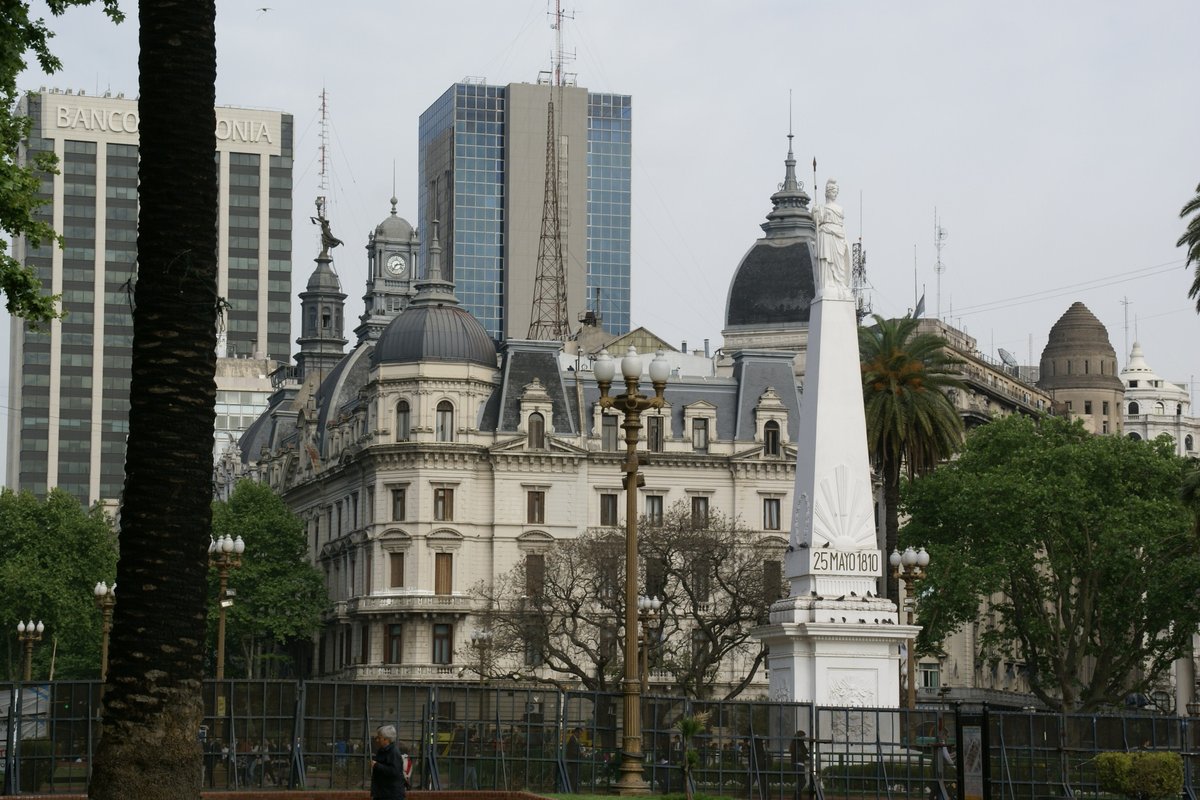
The Municipal Palace of Buenos Aires, locally known as the Palacio Municipal or Buenos Aires City Hall, is a beacon of the city’s historical evolution, architectural splendor, and civic identity. Conceived in the late 19th century to replace the colonial Cabildo and inaugurated in 1904, the palace reflects Buenos Aires’ ambition to become the "Paris of South America," blending neoclassical, French Renaissance, and Beaux-Arts influences through masterful European craftsmanship (hollymelody.com; introducingbuenosaires.com; e-a-a.com). Situated in the Montserrat neighborhood beside Plaza de Mayo, the palace continues to serve as both a governmental seat and a cultural hub, hosting exhibitions, ceremonies, and important civic events (en.wikipedia.org; lacgeo.com).
This guide offers a comprehensive look at the Municipal Palace’s historical significance, architectural highlights, visitor information (including free admission and guided tours), accessibility, nearby attractions, and practical travel tips. Whether you are an architecture enthusiast, history buff, or first-time visitor, the Municipal Palace is a must-see landmark that encapsulates the spirit of Buenos Aires (turismo.buenosaires.gob.ar; buenosaires.com).


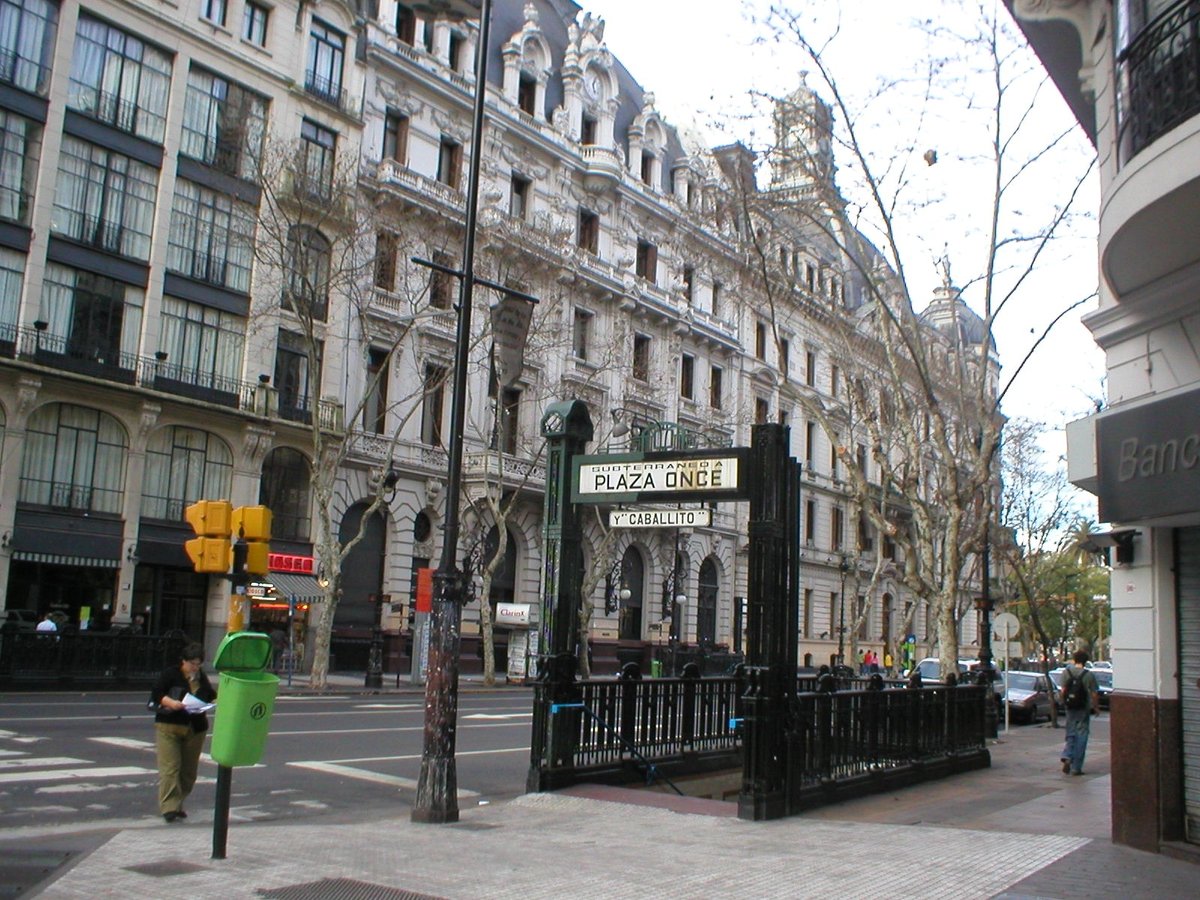


Origins and Development
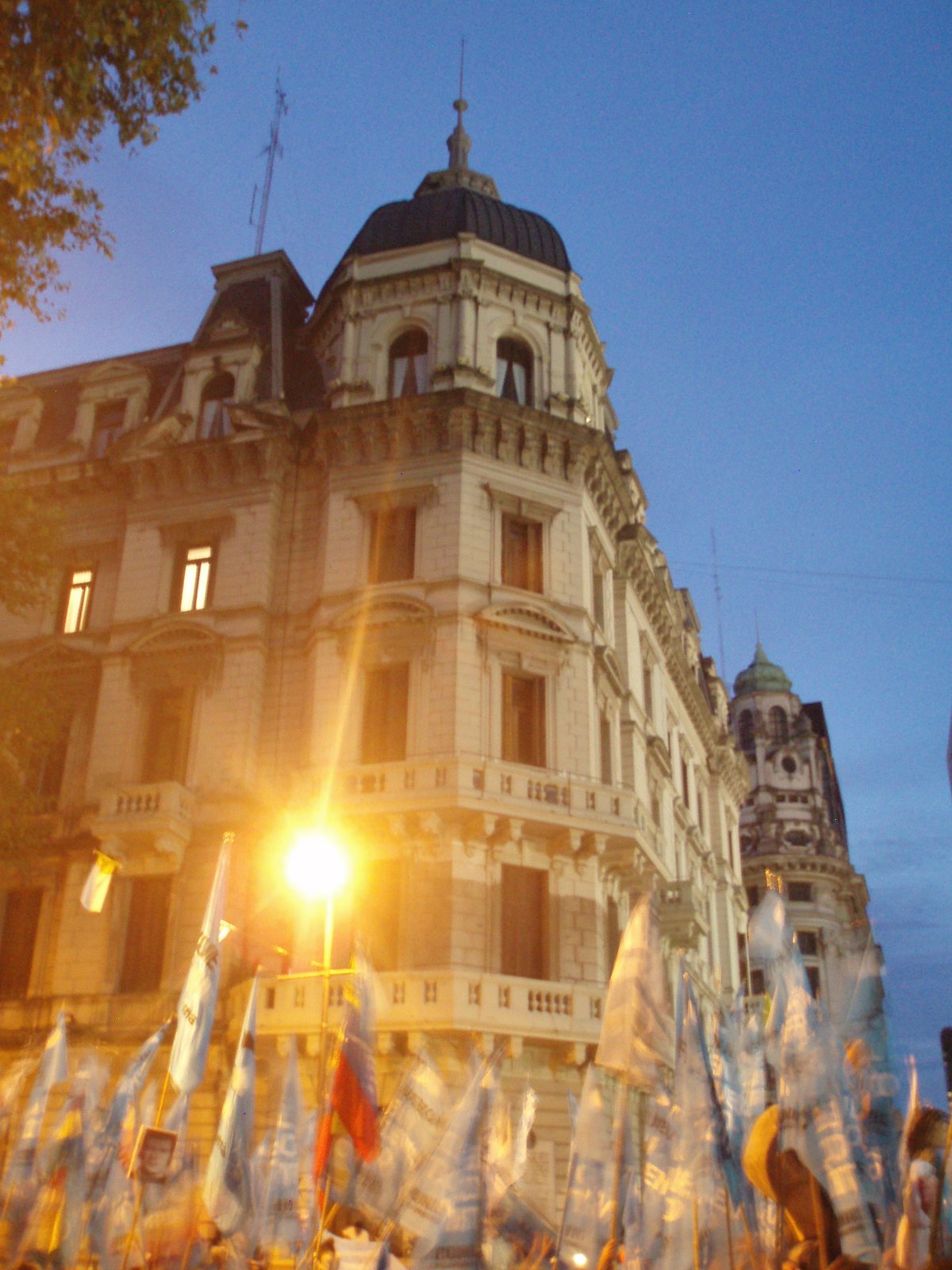
The Municipal Palace was born out of Buenos Aires’ rapid late-19th-century growth and desire for a modern administrative center. A public competition led to architect José Roca’s winning design—a striking blend of neoclassical elegance and French Renaissance grandeur. Construction began in the early 1900s, culminating in its 1904 inauguration, and the palace soon became the administrative heart of the city, replacing the colonial-era Cabildo (hollymelody.com; introducingbuenosaires.com).
Political and Civic Significance
As the official seat of Buenos Aires’ autonomous government, the palace has played a central role in the city’s political life, housing the mayor’s office and city council. Its location near Plaza de Mayo—a focal point for political demonstrations and national celebrations—cements its importance in Argentina’s history. The palace is also home to significant archives and museums, and has witnessed key events such as the May Revolution commemorations (en.wikipedia.org; lacgeo.com).
Architectural Features
Style and Design
The Municipal Palace is a hallmark of Beaux-Arts and French Renaissance architecture, featuring grand colonnades, ornate façades, and national emblems. Imported European materials such as marble and stained glass lend sophistication and durability. The building’s interior is adorned with frescoes, gilded moldings, and parquet floors (hollymelody.com; e-a-a.com).
Notable Spaces and Decorative Elements
The ceremonial hall is renowned for its frescoes and grandeur, serving as the venue for official functions. Stained glass windows, sculptural allegories (such as Justice and Liberty), and intricate ironwork by European and local artisans elevate the palace’s stately presence (travelinculture.com). The structure is built around a central courtyard, maximizing light and ventilation.
Engineering Innovations
Ahead of its time, the palace incorporated reinforced concrete, modern plumbing, heating, electrical systems, and elevators—pioneering municipal building standards in Argentina (e-a-a.com).
Visiting the Municipal Palace
Location and Accessibility
Located in the Monserrat neighborhood on the edge of Plaza de Mayo, the palace is easily accessible by metro (Subte lines A, D, E), bus, or bicycle via the city’s EcoBici scheme (turismo.buenosaires.gob.ar). The area is pedestrian-friendly and features ramps and elevators for wheelchair users.
Visiting Hours and Tickets
- Hours: Monday to Friday, 9:00 AM–5:00 PM (closed on national holidays; hours may vary for special events)
- Admission: Free
- Guided Tours: Available in Spanish and English—advance booking recommended through the official tourism website or on-site visitor centers. Some special exhibitions or tours may have a nominal fee.
Facilities and Services
- Wheelchair access with ramps and elevators
- Restrooms, cafés, and tourist information centers nearby
- Security protocols in place; photography permitted in most areas (restrictions may apply in official spaces)
- Visitors should bring identification and dress appropriately for a functioning government building
Cultural and Civic Life
Beyond administration, the palace is a vibrant cultural venue, frequently hosting art exhibitions, concerts, lectures, and public events in its halls and courtyards. Its symbolic proximity to Plaza de Mayo positions it at the heart of Argentine civic life, making it both a historic site and a living center of community engagement (lacgeo.com; ytravelblog.com).
Nearby Attractions
- Plaza de Mayo: The historic main square and site of major national events
- Casa Rosada: The presidential palace, famed for its distinctive pink façade
- Metropolitan Cathedral: Buenos Aires’ principal church and former seat of Pope Francis
- Cabildo: The colonial-era town hall, now a museum
- Café Tortoni & Avenida de Mayo: Historic cafés and architectural landmarks nearby for further exploration (planetware.com)
Walking tours often start at the Municipal Palace and extend through these neighboring sites, offering insight into the city’s layered architectural and political history (buenosaires.com).
Practical Visitor Tips
- Best Times to Visit: Early weekday mornings for a quieter experience
- Safety: The area is well-patrolled; remain vigilant for petty theft in crowds. The tourist police can be reached at (+54 9 11) 5050 3293 / 9260 (turismo.buenosaires.gob.ar)
- Transportation: Use SUBE travelcard for public transit; area is accessible by subway, bus, and bike
- Weather: November–February is warmest and busiest; September–October offers pleasant weather and fewer crowds (travellersworldwide.com)
Frequently Asked Questions (FAQ)
Q: What are the visiting hours for the Municipal Palace?
A: Monday to Friday, 9:00 AM–5:00 PM (may vary during holidays or special events).
Q: Is there an entrance fee?
A: No, entry is free; some special tours or exhibitions may require booking.
Q: Are guided tours available?
A: Yes, in Spanish and English; book in advance via the official tourism site.
Q: Is the palace wheelchair accessible?
A: Yes, with ramps, elevators, and accessible facilities.
Q: Can I take photographs?
A: Photography is allowed in public areas; restrictions may apply in certain rooms.
Listen to the full story in the app
The whole Municipal Palace Of Buenos Aires,
told well.
Listen to sourced travel stories with local history and practical context — ready offline.
Verified, and shown.
Researched and written by the Audiala editorial team from historical records, architectural archives, and local expertise.
Built from cited sources · see the method · How we make our guides →