Introduction
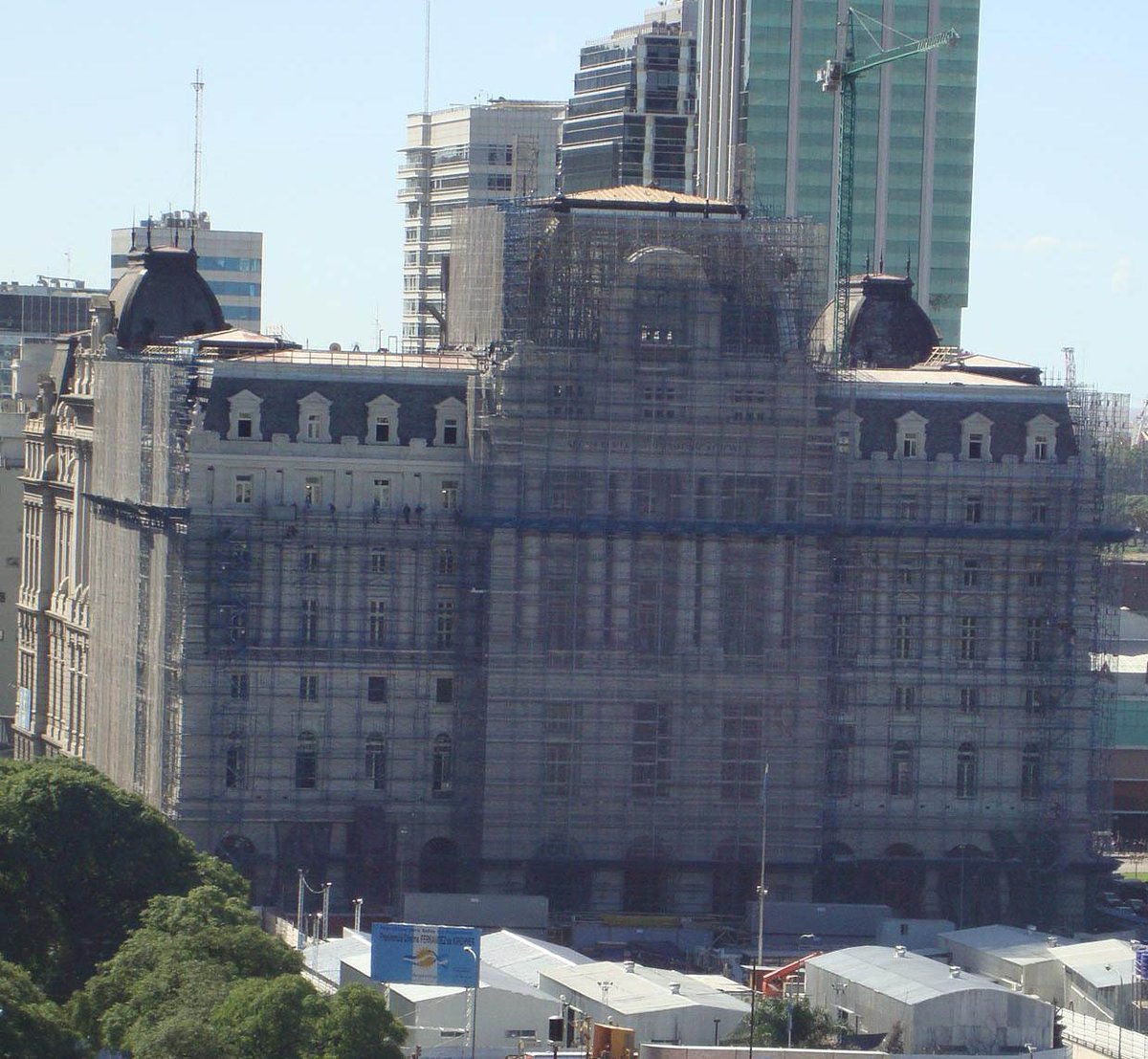
In the heart of Buenos Aires, the Palacio Libertad and the Domingo Faustino Sarmiento Cultural Center (formerly CCK) are monumental emblems of the city's rich historical and cultural evolution. Originally constructed as the city’s Central Post Office in the late 19th century, the palatial building now stands as Latin America’s largest cultural center. It beautifully marries European-influenced Beaux-Arts and French Academicist architecture with cutting-edge cultural programming, and honors figures such as Domingo Faustino Sarmiento, a pivotal Argentine educator and reformer. These sites not only dazzle with their architectural grandeur but also invite visitors to experience a wealth of music, theater, visual arts, and civic celebrations that reflect Argentina’s dynamic identity (Argentina.gob.ar; Buenos Aires Architecture).
From accessible facilities and guided tours to practical ticketing and location details, this comprehensive guide will help you plan an engaging visit—whether you’re an architecture aficionado, history enthusiast, or cultural explorer. Nearby attractions like Plaza de Mayo and Teatro Colón further enrich your journey through Buenos Aires’ storied center (Buenos Aires Free Walks; shortgirlontour.com).
Photo Gallery
Explore Libertad Palace, Domingo Faustino Sarmiento Cultural Center in Pictures
Origins and Construction
The origins of Palacio Libertad trace back to 1888 when President Miguel Juárez Celman commissioned a monumental Central Post Office for Buenos Aires. French architect Norbert Maillart’s design drew heavily on Beaux-Arts and French Academicist influences (Argentina.gob.ar). The building’s construction, reflective of the city’s economic and social dynamism, spanned decades and culminated in its 1928 inauguration.
Architectural Features
The palace’s striking exterior boasts a robust base, arched entrances, a multi-story central block, and a mansard roof adorned with classical motifs. Inside, visitors encounter grand marble staircases, frescoed ceilings, intricate stained glass, gilded details, and preserved period fixtures. The building exemplifies the opulence of the Belle Époque era (Buenos Aires Free Walks).
Transformation to Cultural Center
After serving as the Central Post Office until 2002, the palace underwent a major restoration, reopening in 2015 as the Centro Cultural Kirchner (CCK). The transformation preserved historic elements while introducing modern infrastructure for exhibitions, concerts, and education (Argentina.gob.ar).
Renaming and Significance
In 2024, the center was renamed Palacio Libertad, Centro Cultural Domingo Faustino Sarmiento, in recognition of both its civic heritage and its role as a beacon for education and culture (Buenos Aires Herald). Today, it stands as Latin America’s largest cultural center, featuring venues like the “La Ballena Azul” auditorium and Sala Argentina.
Visiting Palacio Libertad: Essential Information
Hours, Tickets & Accessibility
- Opening Hours: Tuesday to Sunday, 11:00 AM – 7:00 PM (closed Mondays and public holidays).
- Admission: Most exhibitions and areas are free; special events or performances may require tickets, available online or at the box office.
- Accessibility: The center is fully accessible, with elevators, ramps, and adapted restrooms.
Guided Tours
Guided tours provide rich insights into the building’s history and architecture. Tours are typically 60–90 minutes and may require advance reservation.
Nearby Attractions & Travel Tips
Palacio Libertad is located at Sarmiento 151, close to Plaza de Mayo, Teatro Colón, and Avenida de Mayo. Lima and Perú subway stations (Line A) offer easy access. Combine your visit with a stroll through the city’s historic core.
Events & Photography
The palace hosts concerts, exhibitions, and festivals. Photography is permitted in most areas (except during performances). Early morning and late afternoon offer the best light for photos.
Preservation and Restoration
A major restoration led by architects Bares, Becker, and Ferrari preserved historic features while updating the palace for modern cultural use. Declared a National Historic Monument, the building’s legacy is safeguarded for future generations (Argentina.gob.ar).
Cultural and Social Importance
Transformation and Civic Role
The palace’s adaptive reuse exemplifies Buenos Aires’ commitment to heritage and public engagement. It now serves as a hub for artistic expression, education, and civic identity.
Artistic and Architectural Significance
Maillart’s original design survives in historic salons like Salón de los Escudos and Salón Eva Perón. Notable modern interventions include kinetic art by Julio Le Parc and a reimagined glass dome with LED lighting.
National Identity and Memory
A museum in the basement displays 5,000 restored mailboxes and philatelic exhibitions, celebrating Argentina’s postal history and national heritage.
Events and Celebrations
The palace is central to national celebrations and often lights its dome for holidays and special occasions, reinforcing its role in public life.
Accessibility & Visitor Support
Facilities are fully accessible; trained staff provide assistance as needed. Free and paid tours are available in Spanish and English.
Adaptation and Resilience
The center’s reopening after the COVID-19 closure highlighted the resilience of Buenos Aires’ cultural community.
Name Evolution and Relevance
The site’s evolving name—from Centro Cultural del Bicentenario to CCK, and now Palacio Libertad Domingo Faustino Sarmiento—reflects its ongoing cultural and political resonance (Buenos Aires Herald).
Visiting Libertad Palace and CCK: Practical Guide
Location & Getting There
- Palacio Libertad: Centrally located, near public transport (Subte, bus), taxis, and ride-hailing services (shortgirlontour.com).
- CCK: Sarmiento 151, near Plaza de Mayo and the Obelisk; accessible by Subte Line B (Leandro N. Alem station) and buses (turismo.buenosaires.gob.ar).
Hours, Tickets, Safety
- Libertad Palace: Access limited to guided tours or events; hours vary (Palacio Libertad website).
- CCK: Tuesday to Sunday, 2:00 PM–8:00 PM; most exhibitions are free, some require tickets.
- Security: Identification and bag checks required. Follow all staff instructions.
Visitor Experience & Amenities
- Guided Tours: Advance booking recommended; explore ceremonial halls, art collections, and period furnishings.
- Events: The CCK hosts concerts, exhibitions, and performances in venues such as the Blue Whale Auditorium and art galleries.
- Accessibility: Elevators, ramps, accessible restrooms throughout.
- Food & Facilities: On-site cafés and clean restrooms available at both sites.
Practical Tips
- Book in advance for tours or popular events.
- Keep valuables secure; be mindful in crowded areas.
- Dress comfortably and bring mosquito repellent in summer.
- Most signage is in Spanish; basic Spanish phrases are helpful.
FAQ
Q: What are the visiting hours for Palacio Libertad?
A: Generally Tuesday to Sunday, 11:00 AM–7:00 PM. Confirm on the official website.
Q: Are tickets required?
A: Most exhibitions are free; tickets may be needed for special events or tours.
Q: Is the site accessible?
A: Yes, both Palacio Libertad and CCK are fully accessible.
Q: Are guided tours available?
A: Yes, in Spanish and English. Booking is recommended.
Q: Can I take photos inside?
A: Generally yes at CCK; restrictions may apply at Libertad Palace or during performances.
Summary & Visitor Tips
Palacio Libertad and the Domingo Faustino Sarmiento Cultural Center provide a unique opportunity to experience Buenos Aires’ architectural splendor, historical depth, and vibrant artistic life. With their accessible amenities, diverse programming, and central location, they are must-visit sites for locals and tourists alike. Check updated information on official websites, book tours in advance, and plan to explore nearby landmarks for a full cultural immersion. For personalized itineraries and real-time updates, download the Audiala app and follow Buenos Aires’ cultural scene on social media (Palacio Libertad official website; Buenos Aires Herald; turismo.buenosaires.gob.ar).
Listen to the full story in the app
Your Personal Curator, in Your Pocket.
Audio guides for 1,100+ cities across 96 countries. History, stories, and local insight — offline ready.
Audiala App
Available on iOS & Android
Join 50k+ Curators
Sources
- verified
- verified
- verified
- verified
- verified
- verified
- verified
Last reviewed: